No Trailers found.
No overview available.
An exploration —manipulated and staged— of life in Las Hurdes, in the province of Cáceres, in Extremadura, Spain, as it was in 1932. Insalubrity, misery and lack of opportunities provoke the emigration of young people and the solitude of those who remain in the desolation of one of the poorest and least developed Spanish regions at that time.
Warsaw's Central Railway Station. 'Someone has fallen asleep, someone's waiting for somebody else. Maybe they'll come, maybe they won't. The film is about people looking for something.
Spin doctors spread misinformation and confusion among American citizens to delay progress on such important issues as global climate change.
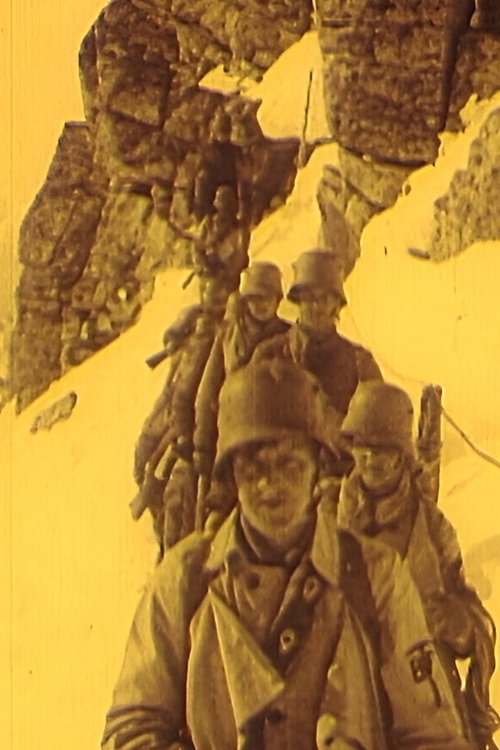
Heroic Struggle in Snow and Ice is a 1917 Austro-Hungarian propaganda newsreel film produced by Sascha-Film for the Imperial and Royal War Press Headquarters. The film is hand-colored and presented in two parts. It depicts the fighting on the Alpine Front between Italy and Austria-Hungary.
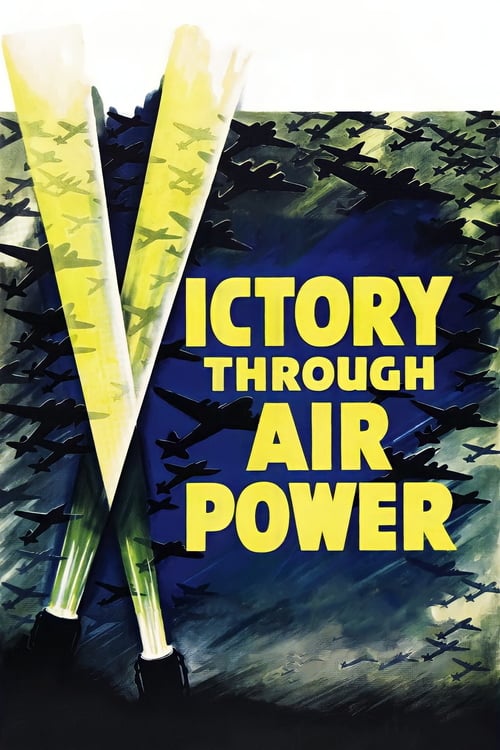
Based on the book by Major Alexander de Seversky's about his theories of the practical uses of long range strategic bombing. Using a combination of animation humorously telling about the development of air warfare, the film shows de Seversky illustrating his ideas of how air power could win World War II for the Allies.
Made by the highly influential Russian cameraman Roman Karmen, this documentary vividly features Albanian life immediately after the communists came to power in 1944. The film is especially memorable since it’s missing much of the heavy socialist realism that marked Albanian doc making. Shortly after he completed the film, Karmen set off for Berlin to shoot the Soviet victory over Nazi Germany.
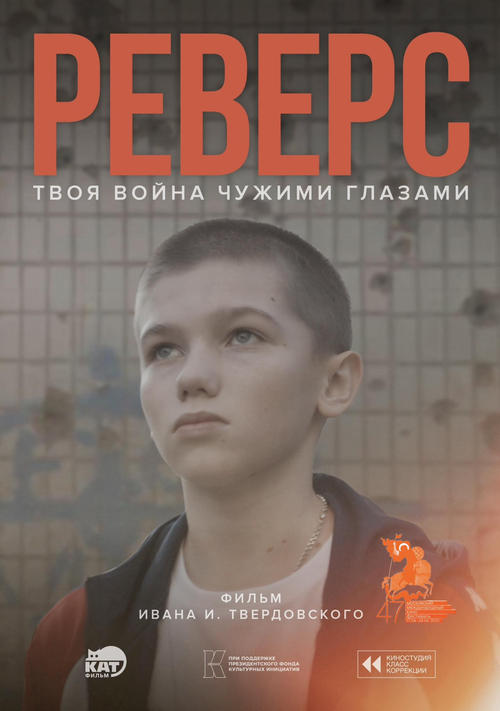
They came to Donbass from different countries in search of truth. And they stayed on for the sake of those whose voices were not heard. Dialogues about war and duty, a long search for meaning amidst the ruins, working with tragic footage. This is a film about those for whom Donbass has become a refuge of truth.
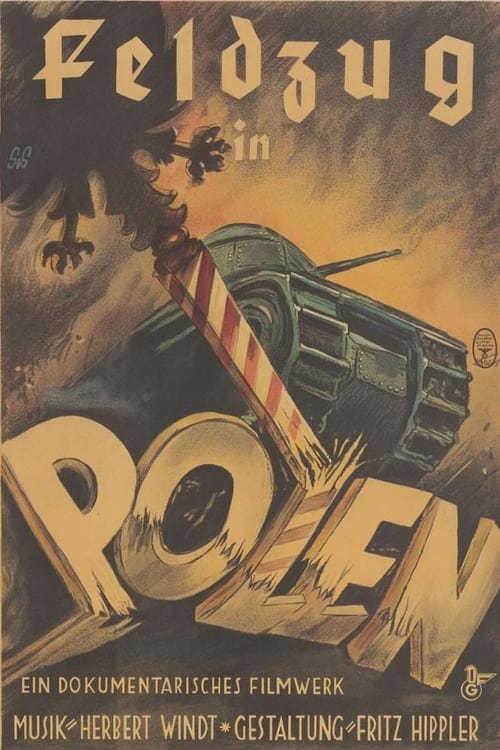
The first blitzkrieg, Hitler's invasion of Poland, is traced in this original Nazi propaganda film from 1940.
The epic story of the Russian Civil War (1918-21): the White Terror, the counterrevolutionary uprisings, the guerrilla war, the Kolchak front, the Wrangel front and the Kronstadt rebellion. Chaos and violence, devastation and death.
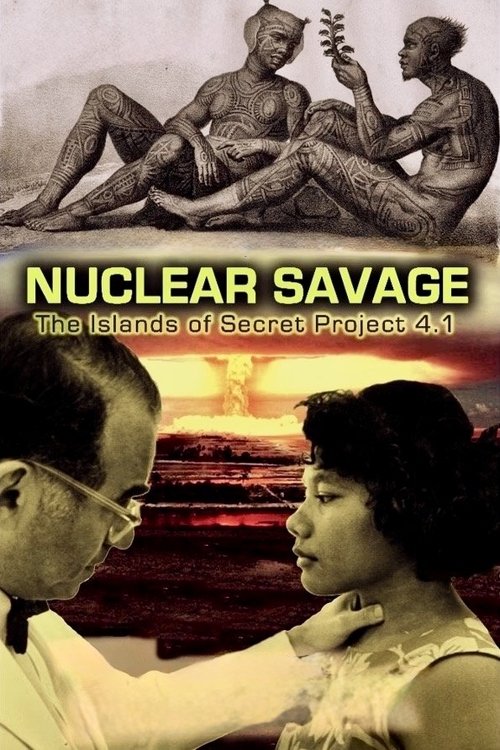
A shocking political exposé, and an intimate ethnographic portrait of Pacific Islanders struggling for survival, dignity, and justice after decades of top-secret human radiation experiments conducted on them by the U.S. government.
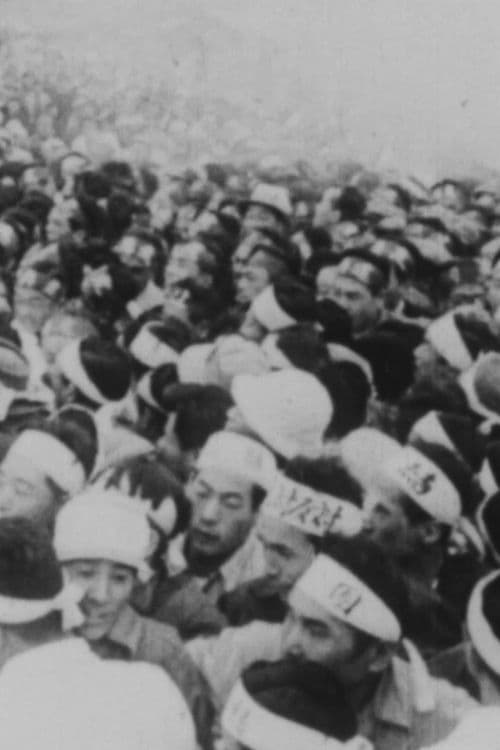
An early experimental film by Toshio Matsumoto. Produced as part of the student riots in Japan at the start of the 1960s, Matsumoto uses collage, archival footage, and impassioned narration to create an expressive, visceral criticism of the US-Japan Security Treaty.
A documentary about how Russia has been using popular culture as a weapon against Ukraine for decades. Together with industry participants, the film's narrator, musician Albert Tsukrenko, explores the financial, political and psychological reasons for the vulnerability of Ukrainian artists and reflects on how to break this vicious circle. Unfortunately, our own Ukrainian talents are becoming the ammunition in this weapon. Several generations of original Ukrainian musicians at different times in the 1970s and 1980s, 1990s and 2000s, and 2010s switched from Ukrainian to Russian in their work. Whether willingly or unwittingly, they became tools of Russian show business, which has always sought to blur the cultural border between Russia and Ukraine and worked to promote the imperial myth of "one nation".
A film about the noted American linguist/political dissident and his warning about corporate media's role in modern propaganda.
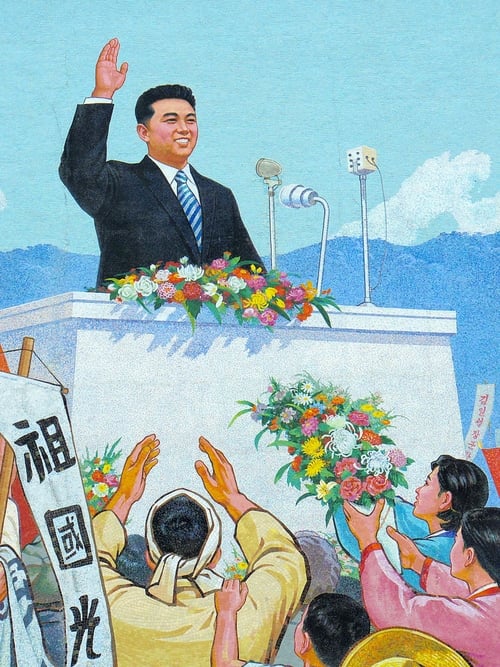
North Korean propaganda film about orchards that yield bigger crops after Kim Il-sung visits. The films was presented as a gift to friendly-minded countries in the world. And expected by the North Korean Culture Ministry to be displayed publicly. Sweden was one of the countries honored by receiving a copy of "Gwasu-ui nara / Country of Orchards".
The film shows the various stages of the Stahlhelm's integration into the NSDAP and the Third Reich.
A film about the Nuremberg Party Congress of the NSDAP in 1929.
The film shows the manufacture of a luxury edition of "Mein Kampf" on real parchment, handwritten.
When this propaganda film begins the narrator states that before the beginning of World War II, Japan was the only one of thirty-five nations to refuse to sign an anti-narcotics treaty and alleges that this was because the country's leaders planned to use drugs as a weapon of war.
Leading biblical scholars and religious experts discuss the implications of the Rapture, when prophecies predict that Jesus Christ will return to Earth and his true believers will be transported to meet him.
No Cast found.