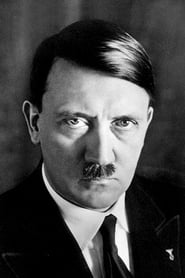
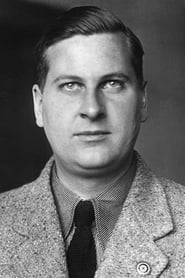
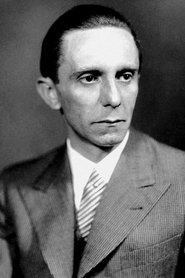
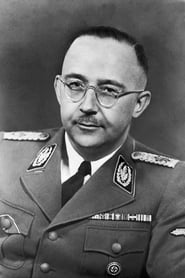
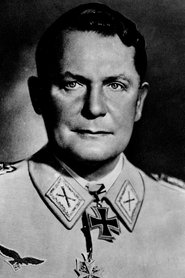
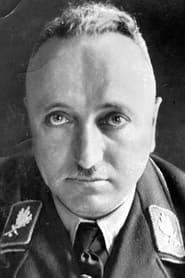
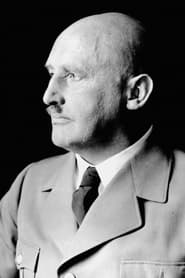
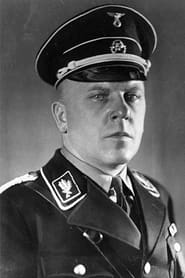
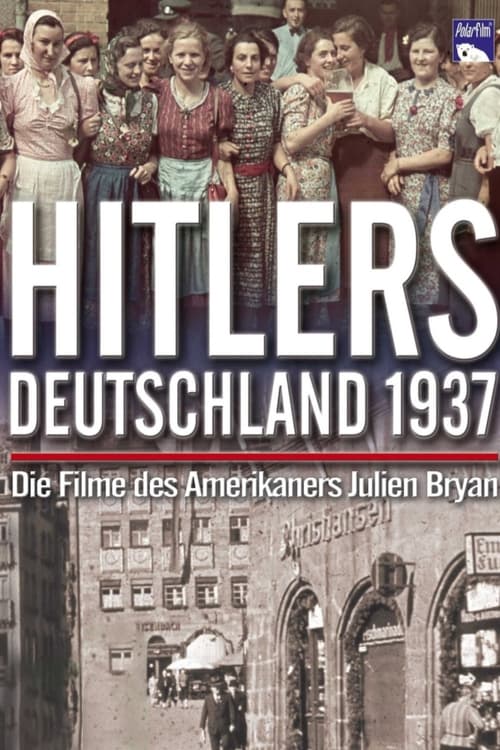
A film about the Nuremberg Party Congress of the NSDAP in 1929.
No Trailers found.
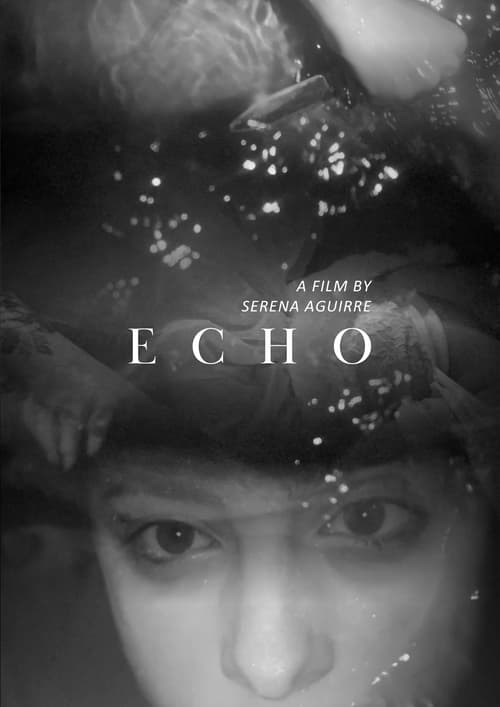
A reframing of the classic tale of Narcissus, the director draws on snippets of conversation with a trusted friend to muse on gender and identity. Just as shimmers are difficult to grasp as knowable entities, so does the concept of a gendered self feel unknowable except through reflection. Is it Narcissus that Echo truly longs for, or simply the Knowing he possesses when gazing upon himself?
Expedition into the Amazon river and its rain forests
An overview of the best methods and techniques for taking nude photographs.
No overview available.
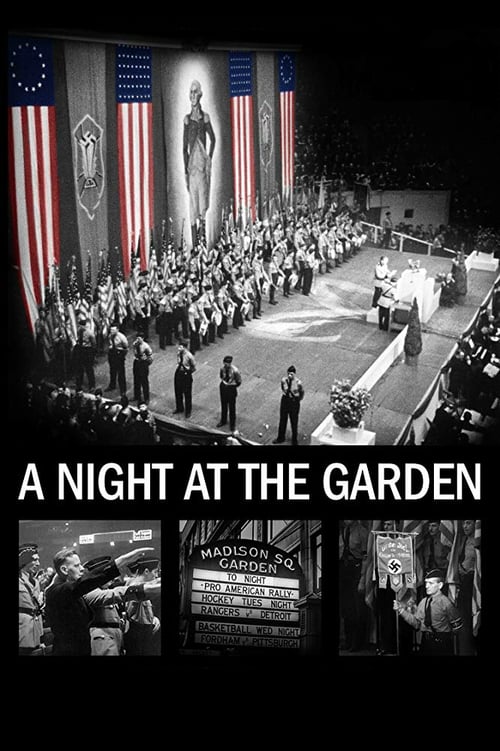
Archival footage of an American Nazi rally that attracted 20,000 people at Madison Square Garden in 1939, shortly before the beginning of World War II.
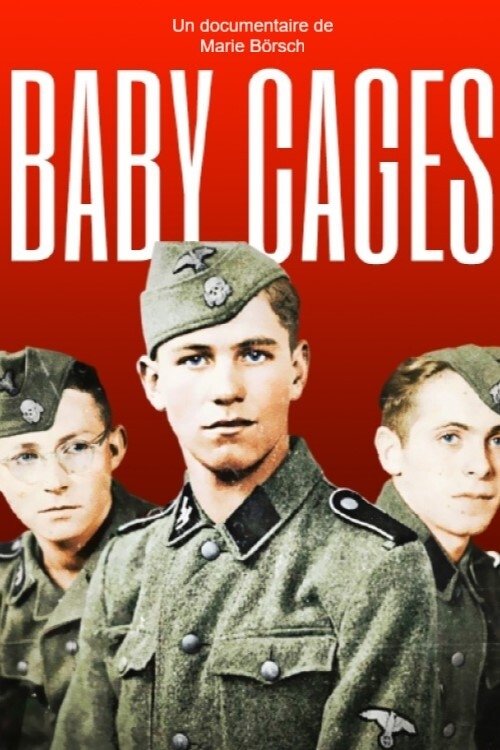
After WWII had ended, it was realized by the American Allies that there were children whom Hitler trained to be soldiers between the ages of 9-17. They were the "Hitler Youth". As the adult German soldiers were taken as prisoners of war, so were the children. These boys were taken to France and reeducated by being taught democracy and treated better than the adult POWs. This story recounted by a former "baby cage" prisoner at the age of 92.
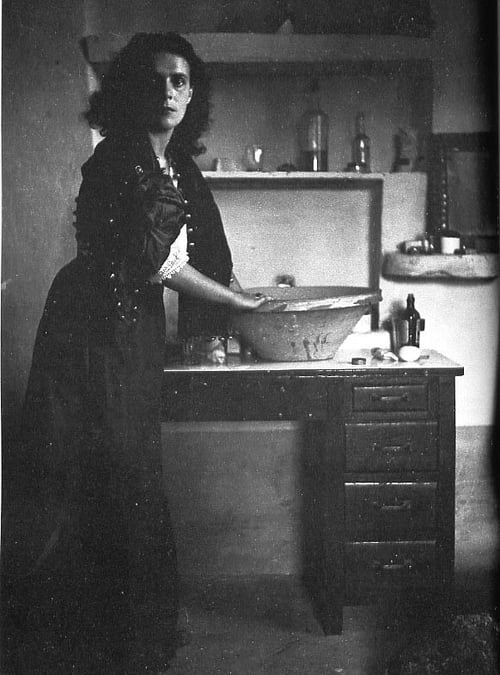
Cinema and painting establish a fluid dialogue and begins with introspection in the themes and forms of the plastic work of a woman tormented by the elongated specters, originating from her obsessions and nightmares.
The T.N.P., the Théâtre National Populaire, an important experimental theater directed by Jean Vilar. Franju combines sequences from theatrical performances with documentary images, creating links and confrontations between theater and the real world.
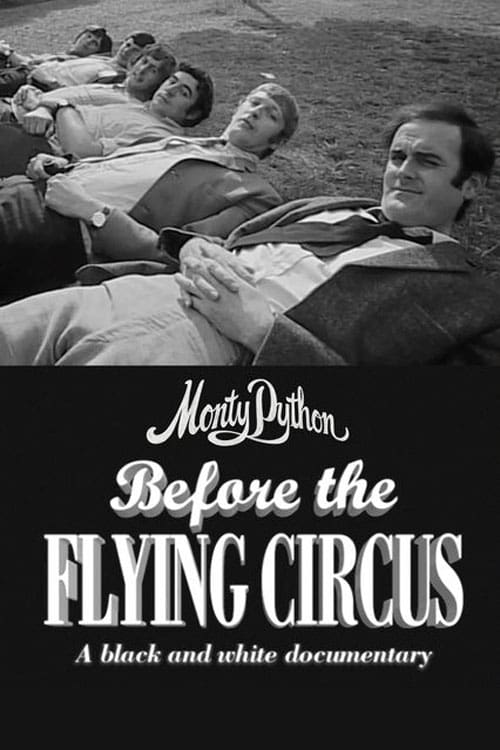
Discover how six seemingly ordinary but supremely talented men became Monty Python, sketch comedy's inspired group of lunatics who turned such unlikely sources of inspiration as Spam, dead parrots and the Inquisition into enduring punch lines. This entertaining documentary includes interviews with members of the troupe, as well as home movies, photos and rare recordings from Monty Python's early years.
Children get ready to start the first grade. They start learning the first letters.
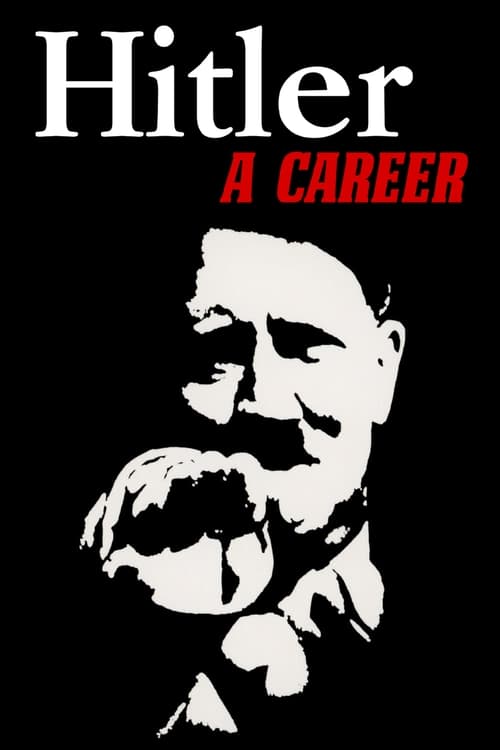
A keen chronicle of the unlikely rise to power of Adolf Hitler (1889-1945) and a dissection of the Third Reich (1933-1945), but also an analysis of mass psychology and how the desperate crowd can be deceived and shepherded to the slaughterhouse.
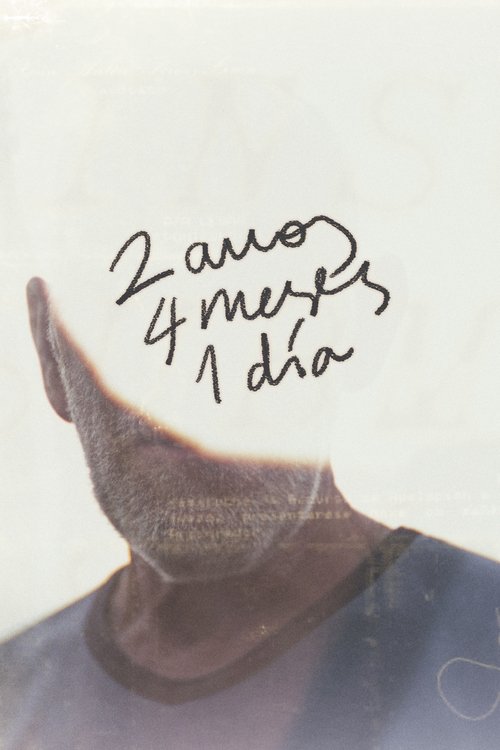
With no choice, César faced leaving his family behind, quitting his job and joining the Army. In an unprecedented chain of events he became the first conscientious objector in Galicia (Spain) to be put in prison. Now, nearly thirty years later, Two Years, Four Months, A Day takes a look at what made him do it.
An overview of the ruins of Angkor, the former capital of the Khmer Empire.
A documentary about some of the comedians of the silent era featuring clips from their films and biographical information.
Self