A film as part of the Spellbound installation at the Hayward Gallery in 1996 by Peter Greenaway.
No Trailers found.
In “The Girl,” art historical traditions of the panorama, landscape painting, and German-Romantic notions of melancholy and the sublime converge with the technological advances of cinema to create a powerful work that both unsettles and inspires.
A memorial mourns as time passes
"Dancing is sculpting in time." Shot around Indy Simin's "Echt in Vorm."
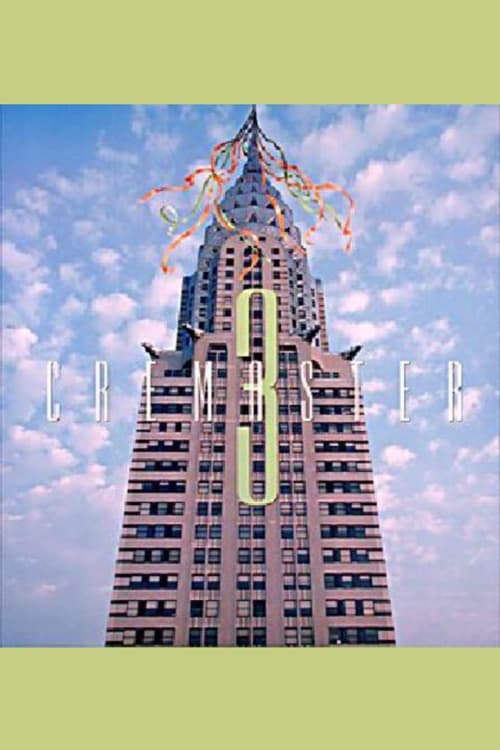
CREMASTER 3 (2002) is set in New York City and narrates the construction of the Chrysler Building, which is in itself a character - host to inner, antagonistic forces at play for access to the process of (spiritual) transcendence. These factions find form in the struggle between Hiram Abiff or the Architect ...
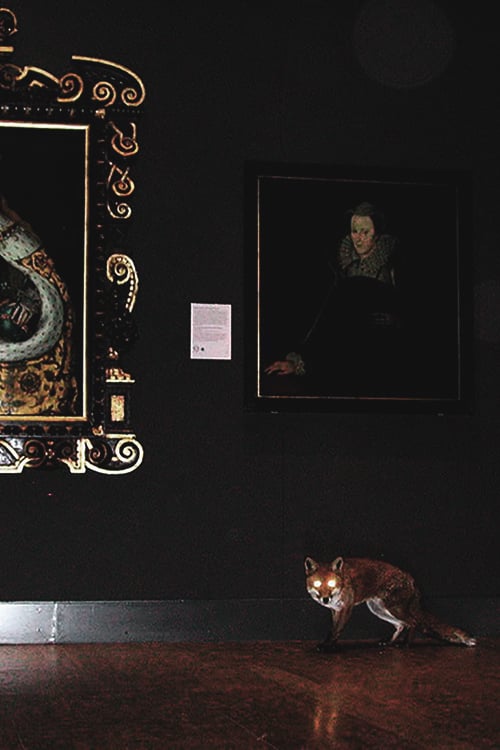
The Nightwatch documents an action realised by Alÿs in 2004 in which he released a fox into London’s National Portrait Gallery in the middle of the night and used the museum’s CCTV system to follow its movements. The institution was chosen because unlike other institutions it does not conceal its CCTV cameras.
An experimental and video art film in which an ox is butchered by a butcher.
Moving through its five parts, the work describes a cycle of birth through to death, depicting both an eternal, universal Mary, and an earthly Mary representing human life on Earth.
An expedition to a peculiar small town where even the swans swim backwards and water in puddles is antimatter.
An audiovisual work that consists of 6593 frames of dust collected and scanned over a 2 month process by Nan Wang into an animated work combined with digital footage.
Experimental video art shot in the Wallingford neighborhood of Seattle
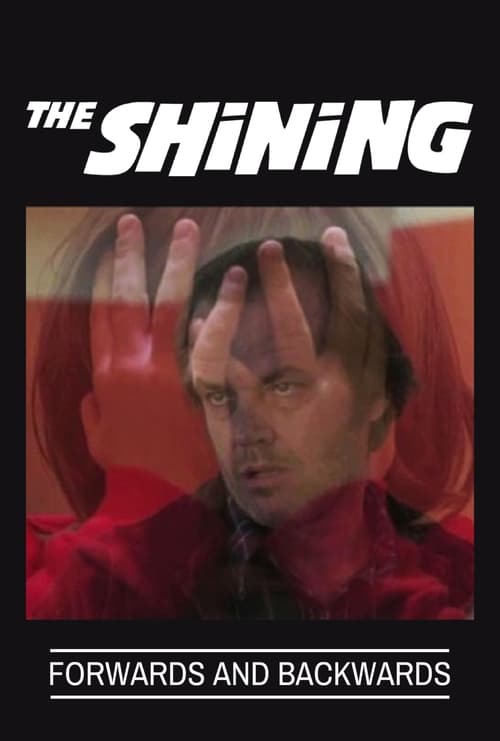
An experimental film comprised of Stanley Kubrick's THE SHINING played forwards and backwards at the same time on the same screen, creating bizarre juxtapositions and startling synchronicities.
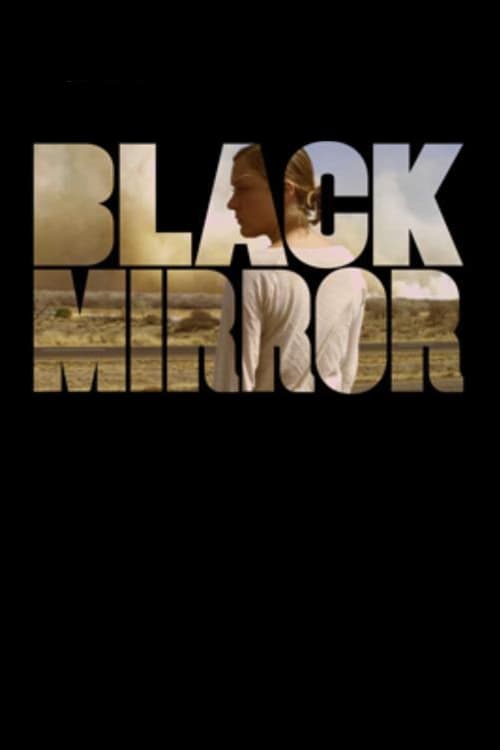
A nameless drifter navigates a barren landscape punctuated by satellite dishes, radio towers and droning airplanes. Stopping periodically in anonymous hotel rooms, she makes attempts to connect to an unidentified second party.
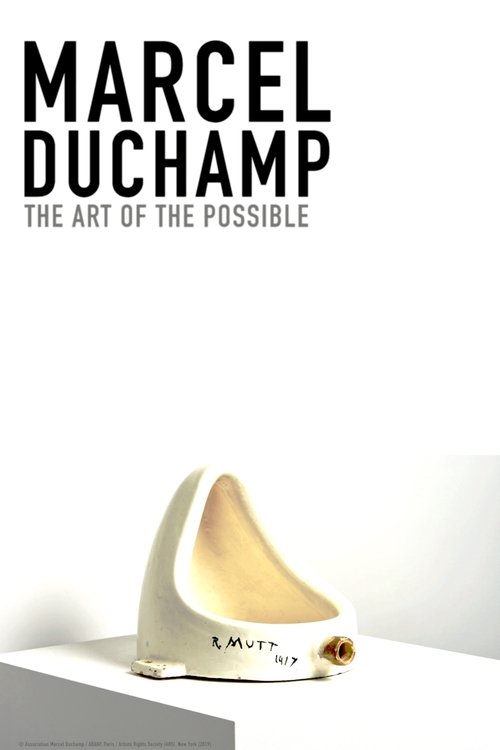
A remarkable walk through the life and work of the French artist Marcel Duchamp (1887-1968), one of the most important creators of the 20th century, revolutionary of arts, aesthetics and pop culture.
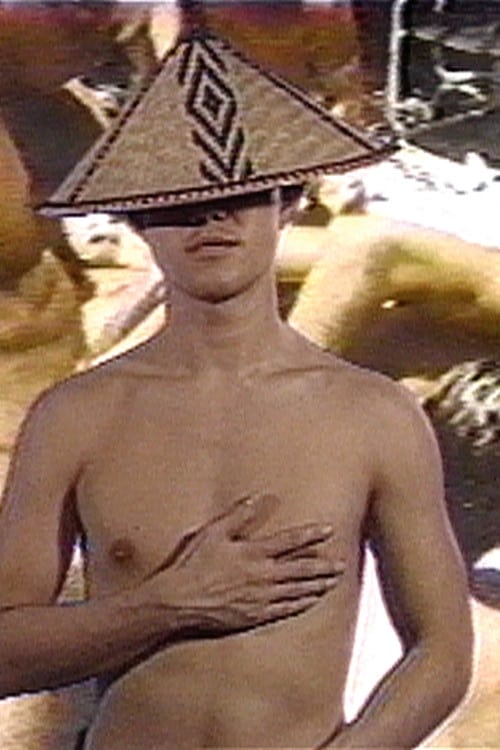
Best known for his work in video, Richard Fung has made the politics of gender, ethnicity, and sexual orientation his central focus. Chinese Characters (1986) examines the ambiguous relationship of gay Asian men with white gay porn.
White Homeland Commando takes the familiar terrain of network action drama and tilts the playing field. Reminiscent of today's popular reality-based cop shows, White Homeland Commando offers a straightforward story: four members of a special police unit investigate and infiltrate a New York-based white supremacist organization. But that is where the commonplace ends. The teleplay is shot and edited in a highly textured visual style, the colors are subdued yet somehow garish, and the sound is deliberately just out of sync with the speaker's lips. Occasional static combines with jumps in the plot — the editing is reminiscent of a television viewer flipping channels.
A colourful, dreamlike mediation on photography and consent.
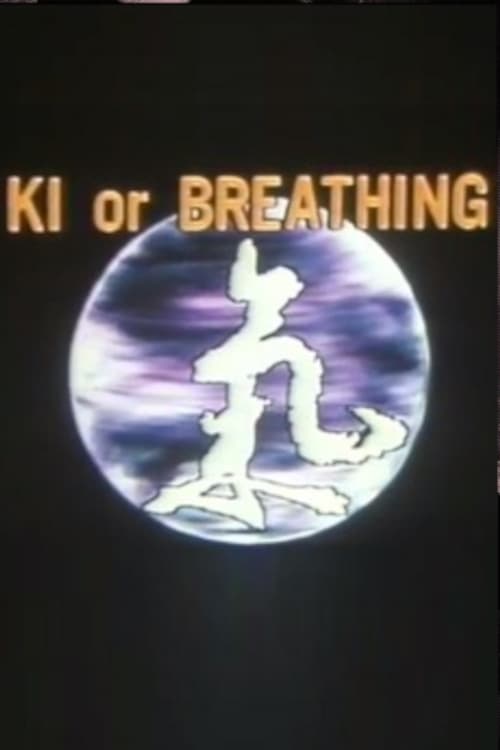
'Ki or Breathing' is a spare concoction assembled from slow motion shots of nature and set to a score by the much-acclaimed Tohru Takemitsu.
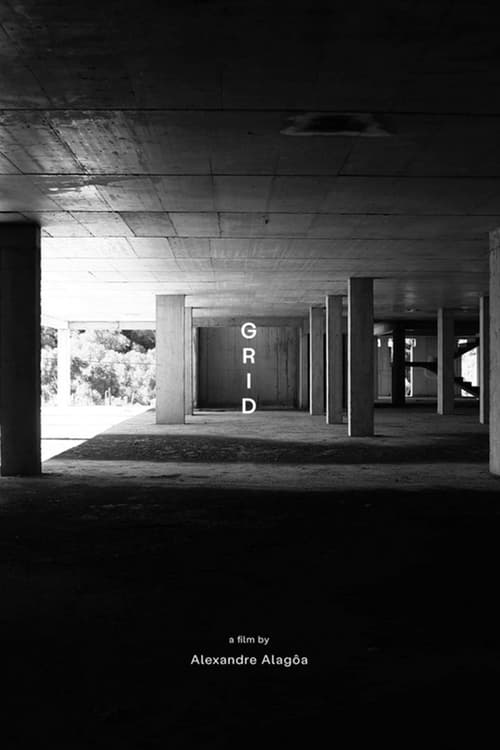
A ritual of grids, reflections and chasms; a complete state of entropy; a space that devours itself; a vertigo that destroys the gravity of the Earth; a trap that captures us inside the voids of the screen of light: «That blank arena wherein converge at once the hundred spaces» (Hollis Frampton).
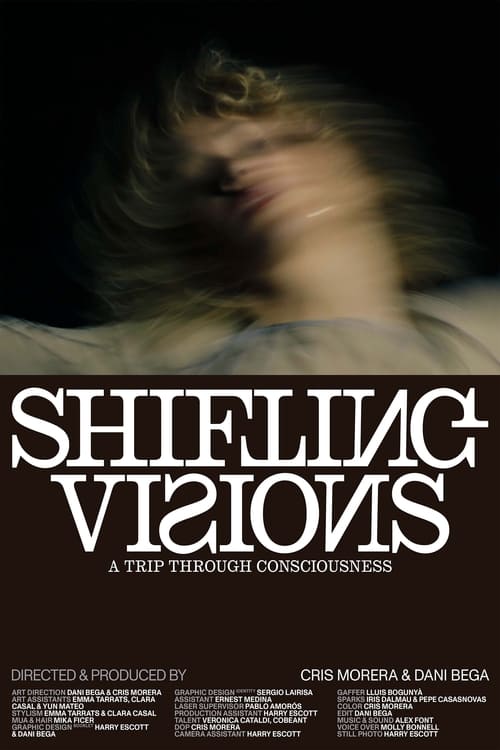
SHIFTING VISIONS is a video essay that revolves around the transition between the different stages of human consciousness. From the most intense state of full attention to the most abstract and dreamlike state, passing through all its nuances. We know that the mind remains a mystery to science, but, through combining neuroscientific theory and personal perceptions, we represent these mental dynamics transferred to images, sounds and metaphors. We thoroughly analyse each of these stages to translate concepts and create audiovisual imaginaries through symbolic mental limbos. A piece that drags the viewer on an inner journey to their own lucidity.
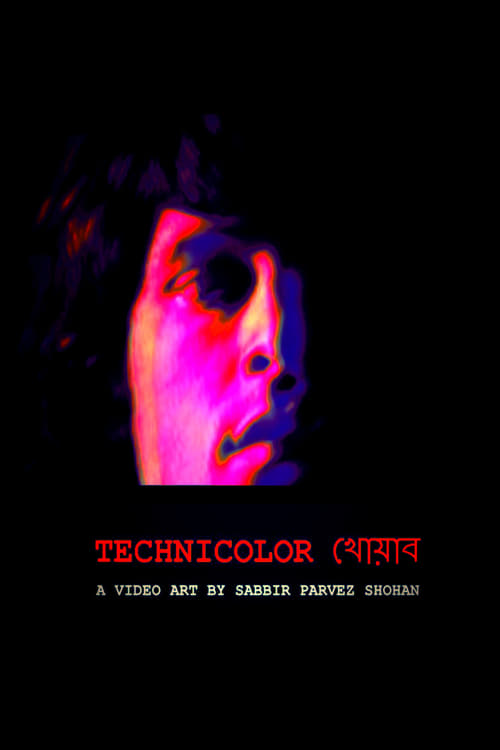
TECHNICOLOR DREAM is a video art of vivid imagery and symbolic scenarios. It is a portrayal of passion,agony,memories and melancholy through unorthodox fusion of sight and sound.
No Cast found.