logologo
MovieVerse© 2024
Privacy PolicyTerms of ServiceContact Us
Made with ❤️ by Thathsara
movie poster
Regards D'en Face - Alger
Sign in to create your own watchlist

Regards D'en Face - Alger

Jan 1, 2003
0h 52m
★ 10.0

Overview

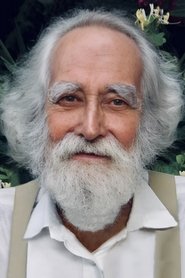
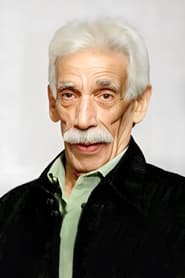
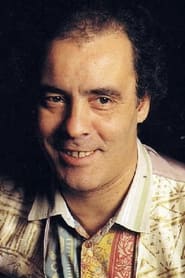
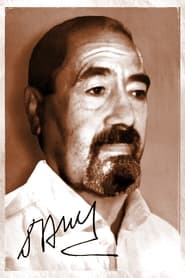
It is with the architect Jean-Jacques Deluz, that we visit Algiers, "his city" since 1960 and that he left only two years during the worst moments of terrorism. From the Casbah, in the 19th century center, including the cities of Fernand Pouillon and Bab El Oued to arrive at the new city of Maelma which he built today. Tender look, but without concessions at the same time architectural promenade and meetings with actors of art and culture: Djamel Allam, the singer Kabyle, Djamel Amrani, the poet, friend of Jean Sennac, Mohamed Ben Gettaf, Dramaturge and director of the theater of Algiers, Souad Delmi-Bourras, young designer Boudjemàa Kareche, director of the Algerian cinema, Amine Kouider, conductor, who relaunches the opera in Algeria, the painter Malek Salah, and others. A look at Algeria and the Algerians, far from the clichés of certain media, the bias being to seek signs of hope rather than "blood and tears".

Genres

Documentary

Production Companies

On Line Productions
CNC
Ministère des Affaires étrangères et du Développement International

You may also like

CHoosing at Twenty
6.8

CHoosing at Twenty

Aug 24, 2017

Between 1954-1962, one hundred to three hundred young French people refused to participate in the Algerian war. These rebels, soldiers or conscripts were non-violent or anti-colonialists. Some took refuge in Switzerland where Swiss citizens came to their aid, while in France they were condemned as traitors to the country. In 1962, a few months after Independence, Villi Hermann went to a region devastated by war near the Algerian-Moroccan border, to help rebuild a school. In 2016 he returned to Algeria and reunited with his former students. He also met French refractories, now living in France or Switzerland.

Algeria, Special Weapons Sections
9.0

Algeria, Special Weapons Sections

Mar 12, 2025

This documentary by director Claire Billet and historian Christophe Lafaye details the massive and systematic use of chemical weapons during the Algerian War. Algerian fighters and civilians, sheltering in caves, were gassed by "special weapons sections" of the French army. The gas identified on military documents is CN2D, whose widespread use forced insurgents to flee "treated" sites, at the risk of dying there. The method is reminiscent of the "enfumades" used by the French expeditionary force during the conquest of Algeria in the 19th century. Between 8,000 and 10,000 such operations are believed to have taken place on Algerian soil between 1956 and 1962. This historical aspect is little known due to the difficulty of accessing archives, many of which are still classified, raising questions about memory, historical truth, and justice.

Mariner of the Mountains
6.4

Mariner of the Mountains

Sep 28, 2023

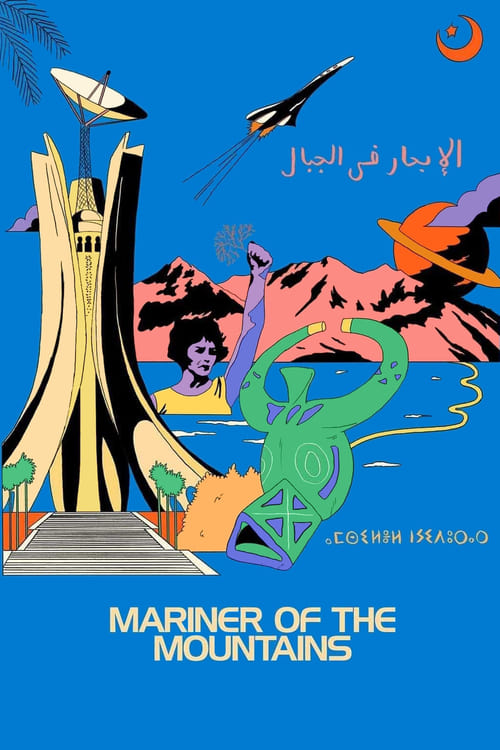
Filmmaker Karim Aïnouz decides to take a boat, cross the Mediterranean, and embark on his first journey to Algeria. Accompanied by the memory of his mother, Iracema, and his camera, Aïnouz gives a detailed account of the journey to his father’s homeland, interweaving present, past, and future.

Five Directors On The Battle of Algiers
10.0

Five Directors On The Battle of Algiers

Aug 1, 2004

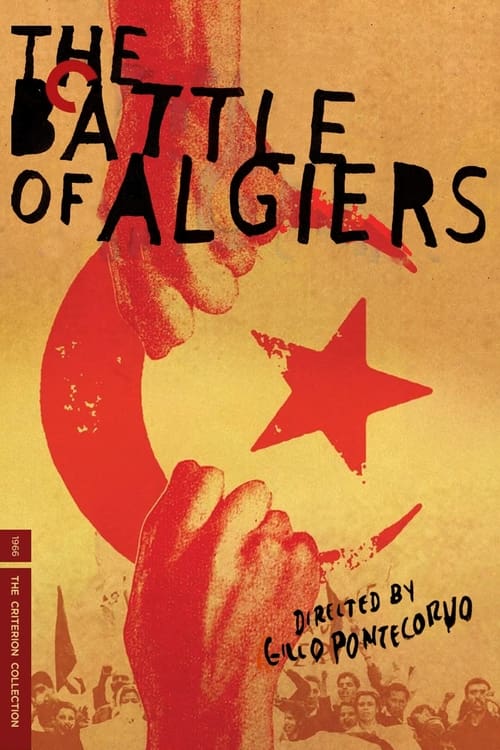
This 17-minute documentary is featured on the 3-Disc Criterion Collection DVD of The Battle of Algiers (1966), released in 2004. An in-depth look at the Battle of Algiers through the eyes of five established and accomplished filmmakers; Spike Lee, Steven Soderbergh, Oliver Stone, Julian Schnabel and Mira Nair. They discuss how the shots, cinematography, set design, sound and editing directly influenced their own work and how the film's sequences look incredibly realistic, despite the claim that everything in the film was staged .

A Propos D'Un Crime
10.0

A Propos D'Un Crime

Jan 1, 1967

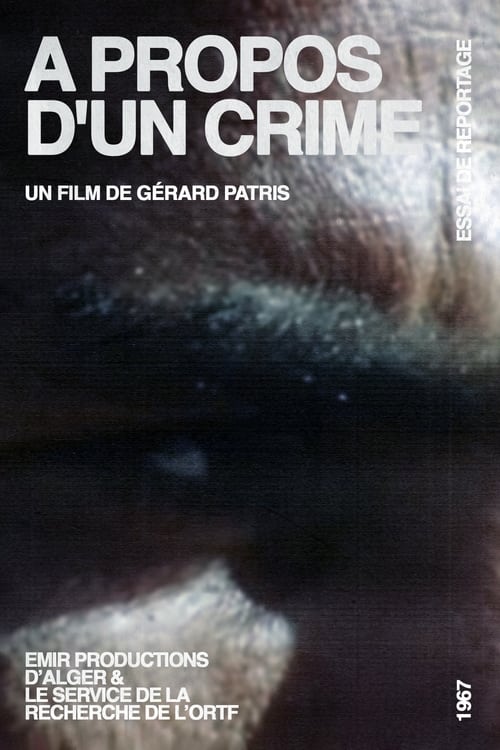
In 1967, Visconti came to Algiers for the filming of The Stranger with Mastroianni and Anna Karina. Camus, during his lifetime, had always refused to allow one of his novels to be brought to the screen. His family made another decision. The filming of the film was experienced in Algiers, like a posthumous return of the writer to Algiers. During filming, a young filmmaker specializing in documentaries Gérard Patris attempts a report on the impact of the filming of The Stranger on the Algerians. Interspersed with sequences from the shooting of Visconti's film, he films Poncet, Maisonseul, Bénisti and Sénac, friends of Camus, in full discussions to situate Camus and his work in a sociological and historical context. “The idea is for us to show people, others, ourselves as if they could all be Meursault, or at least the witnesses concerned to his drama.”

Algeria in Flames
8.5

Algeria in Flames

Jan 2, 1958

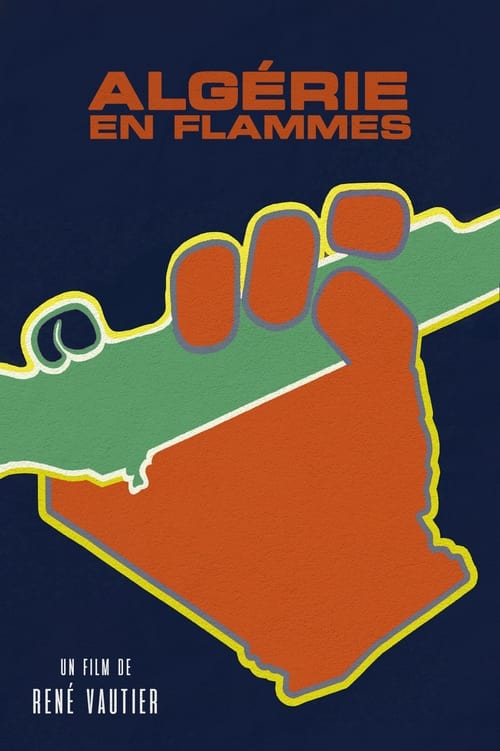
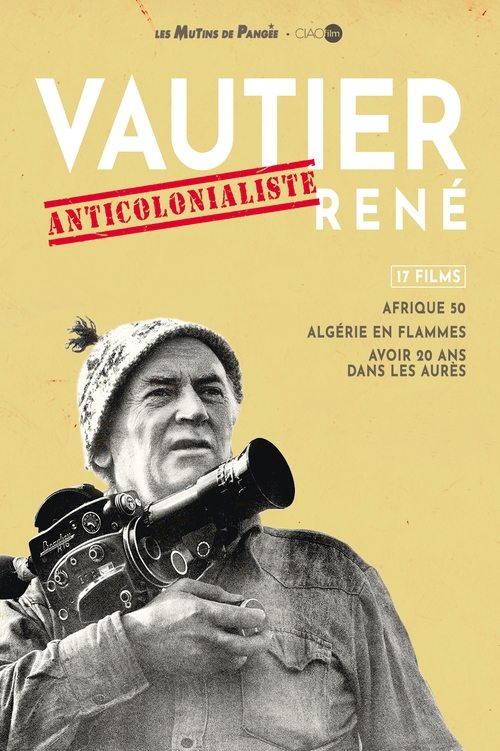
These are the first images shot in the ALN maquis, camera in hand, at the end of 1956 and in 1957. These war images taken in the Aurès-Nementchas are intended to be the basis of a dialogue between French and Algerians for peace in Algeria, by demonstrating the existence of an armed organization close to the people. Three versions of Algeria in Flames are produced: French, German and Arabic. From the end of the editing, the film circulates without any cuts throughout the world, except in France where the first screening takes place in the occupied Sorbonne in 1968. Certain images of the film have circulated and are found in films, in particular Algerian films. Because of the excitement caused by this film, he was forced to go into hiding for 25 months. After the declaration of independence, he founded the first Algerian Audiovisual Center.

The Barbary Corsairs
7.7

The Barbary Corsairs

Oct 31, 2015

In the 18th century, the Barbary threat became serious. In July 1785, two American boats were returned to Algiers; In the winter of 1793, eleven American ships, their crews in chains, were in the hands of the dey of Algiers. To ensure the freedom of movement of its commercial fleet, the United States was obliged to conclude treaties with the main Barbary states, paying considerable sums of money as a guarantee of non-aggression. With Morocco, treaty of 1786, 30,000 dollars; Tripoli, November 4, 1796, $56,000; Tunis, August 1797, 107,000 dollars. But the most expensive and the most humiliating was with the dey of Algiers, on September 5, 1795, “treaty of peace and friendship” which cost nearly a million dollars (including 525,000 in ransom for freed American slaves). , with an obligation to pay 20,000 dollars upon the arrival of each new consul and 17,000 dollars in annual gifts to senior Algerian officials...

They Joined the Front
10.0

They Joined the Front

Jan 1, 2012

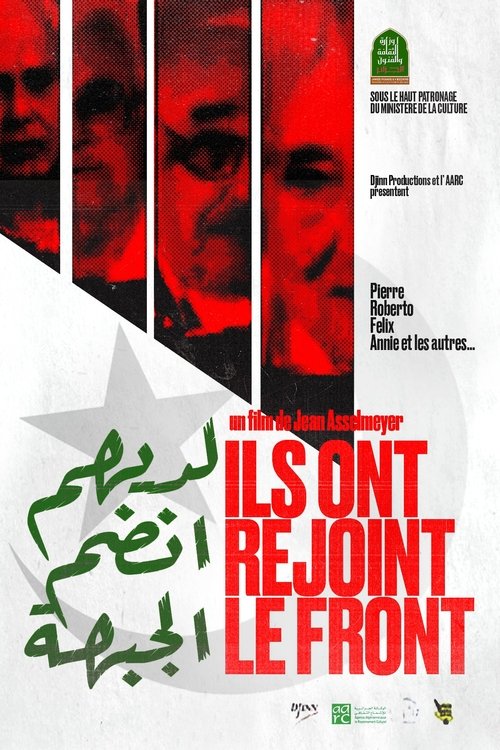
In this film, four key witnesses, who live in Algeria today, as full-fledged Agerians, show us what this colonization was really like, so "beneficial" that they themselves perceived it as the oppression of one people by another. Three of them, who today would be called "pieds noirs," in other words, those Europeans to whom France, the occupying power, gave the best land, taken from the indigenous populations, work, and exclusive rights, not shared by the entire population, lived rather well compared to the majority of the "natives." The fourth was far from all that and lived in Argentina. Annie Steiner, Felix Colozzi, Pierre Chaulet, and Roberto Muniz explain to us what led them to show solidarity with the struggle of the weak, the humiliated, and to risk their freedom and their lives by committing to liberate Algeria.

An Unhealed Wound - The Harkis in the Algerian War
10.0

An Unhealed Wound - The Harkis in the Algerian War

Sep 20, 2010

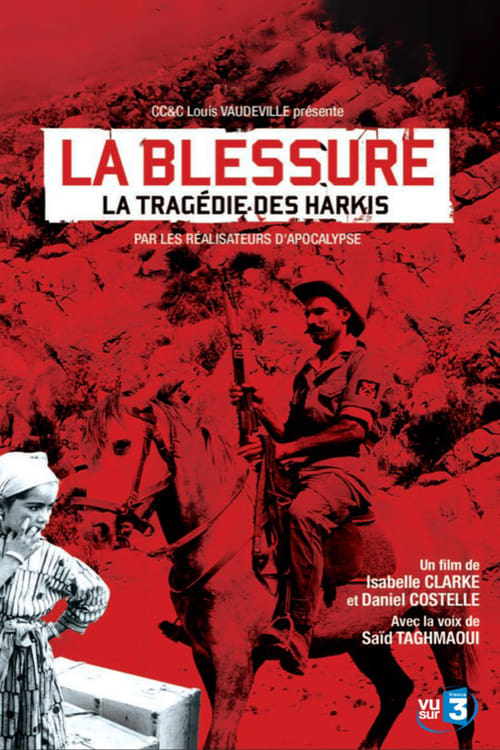
It's the unforgivable story of the two hundred thousands harkis, the Arabs who fought alongside the French in the bitter Algerian war, from 1954 to 1962. Why did they make that choice? Why were they slaughtered after Algeria's independence? Why were they abandonned by the French government? Some fifty to sixty thousands were saved and transferred in France, often at pitiful conditions. This is for the first time, the story of this tragedy, told in the brilliant style of the authors of "Apocalypse".

Guerre aux images en Algérie
9.0

Guerre aux images en Algérie

Sep 15, 1985

No overview available.

Sawt Echaâb
10.0

Sawt Echaâb

Jan 1, 1961

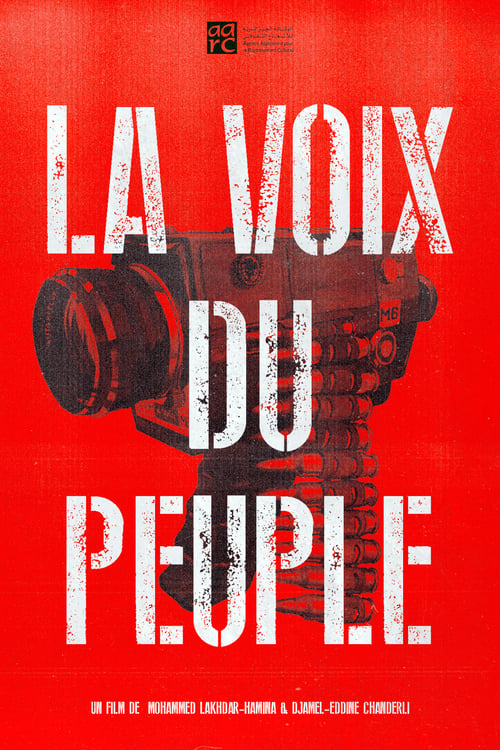
“La Voix du Peuple,” composed of archival photographs by René Vauthier and others, exposes the root causes of the armed conflict of the Algerian resistance. Participating in a war of real images against French colonial propaganda, these images aimed to show the images that the occupier had censored or distorted, by showing the extortions of the French occupation army: torture, arrests and arbitrary executions, napalm bombings, roundabout fires, erasing entire villages from the map, etc. This is what the French media described as a “pacification campaign”.

Dawn of the Damned
7.2

Dawn of the Damned

Jul 5, 1965

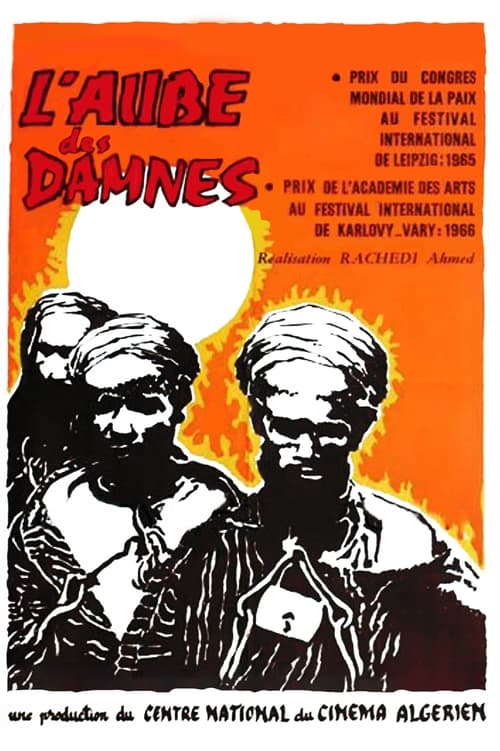
This excellent feature-length documentary - the story of the imperialist colonization of Africa - is a film about death. Its most shocking sequences derive from the captured French film archives in Algeria containing - unbelievably - masses of French-shot documentary footage of their tortures, massacres and executions of Algerians. The real death of children, passers-by, resistance fighters, one after the other, becomes unbearable. Rather than be blatant propaganda, the film convinces entirely by its visual evidence, constituting an object lesson for revolutionary cinema.

Frantz Fanon, trajectoire d'un révolté
10.0

Frantz Fanon, trajectoire d'un révolté

Nov 7, 2021

Frantz Fanon alone embodies all the issues of French colonial history. Martinican resistance fighter, he enlisted, like millions of colonial soldiers, in the Free Army out of loyalty to France and the idea of freedom that it embodies for him. A writer, he participated in the bubbling life of Saint-Germain with Césaire, Senghor and Sartre, debating tirelessly on the destiny of colonized peoples. As a doctor, he revolutionized the practice of psychiatry, seeking in the relations of domination of colonial societies the foundations of the pathologies of his patients in Blida. Activist, he brings together through his action and his history of him, the anger of peoples crushed by centuries of colonial oppression. But beyond this exceptional journey which makes sensitive the permanence of French colonialism in the Lesser Antilles at the gates of the Algerian desert, he leaves an incomparable body of work which has made him today one of the most studied French authors across the Atlantic.

In The Footsteps Of Frantz Fanon
10.0

In The Footsteps Of Frantz Fanon

Oct 14, 2021

Who was Frantz Fanon, the author of Wretched of the Earth and Black Skin, White Masks, this Pan-African thinker and psychiatrist engaged in anti-colonialist struggles? Born in Martinique, Frantz Fanon was not yet 20 years old when he landed, weapons in hand, on the beaches of Provence in August 1944 with thousands of soldiers from "Free France", most of whom had come from Africa, to free the country from Nazi occupation. He became a psychiatrist and ten years later joined the Algerians in their fight for independence. Died at the age of 36, he left behind a major work on the relationships of domination between the colonized and the colonizers, on the roots of racism and the emergence of a thought of a Third World in search of freedom. 60 years after his death, the film follows in the footsteps of Frantz Fanon, alongside those who knew him, to rediscover this exceptional man.

My Missing Screw
0.0

My Missing Screw

Feb 20, 2024

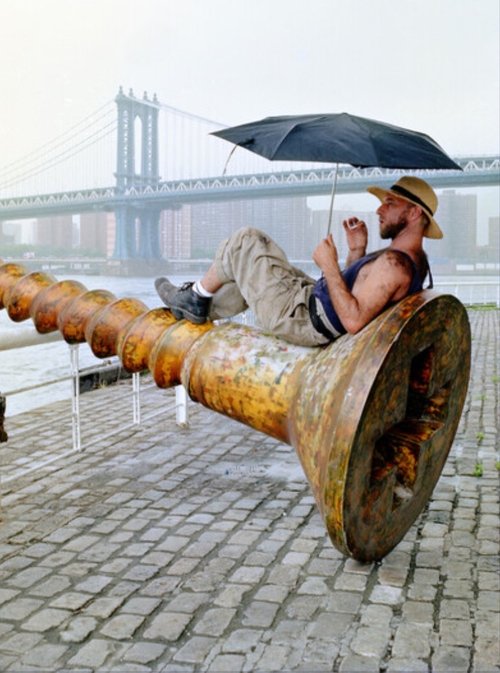
After a failed suicide attempt and time in a psychiatric hospital, Raffael, a young father, decides that he must create his own “missing screw.” Over the next six months, with the help of a sculptor friend, he meticulously crafts a 10-foot screw sculpture while documenting the process with a found video camera. Raffael leaves the psychiatric hospital, curious to see if art and creativity could help him survive in the outside world. With no money and only a vague plan, he says goodbye to his family and embarks on an epic, poignant, often hilarious journey around the globe. He travels with the screw to the Dachau concentration camp, Van Gogh’s grave, the Guggenheim Museum, and the Ganges River in India. Along the way Raffael finds patrons, lovers, and friends - but his son feels abandoned. Can Rafael reinvent himself, his art, and his family?

Algérie, La vie quand même
10.0

Algérie, La vie quand même

Jan 1, 1998

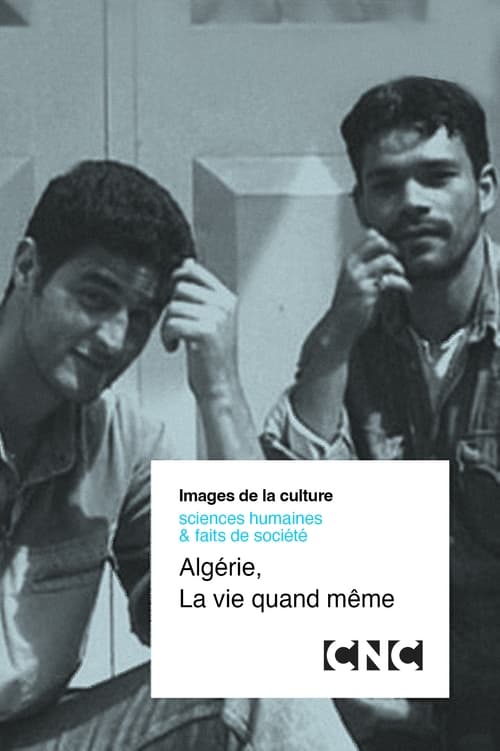
A small Algerian town, off the beaten track of the war that is tearing the country apart. At the heart of the crisis that is destroying it, two young men, without work, without leisure activities, without hope, without anything... The film follows them in their daily wanderings between endless boredom and the expectation of the improbable. And shows their humour, their friendship, their will to live regardless.

Flying the Great Wall
8.0

Flying the Great Wall

Mar 27, 2018

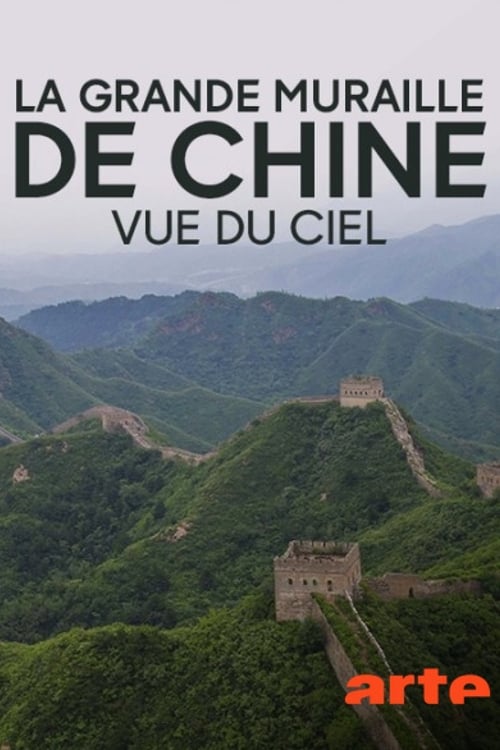
An epic aerial journey covering the whole length of China’s Great Wall. Across 2500km, for the first time ever, this triumph of Ming dynasty architecture has been captured in its entirety from the air. With expert narration from William Lindesay, official protector of the Wall, travel from the Yellow Sea in the East to the Gobi Desert in the far West.

Sinfonía de Aragón
5.0

Sinfonía de Aragón

Jun 13, 2008

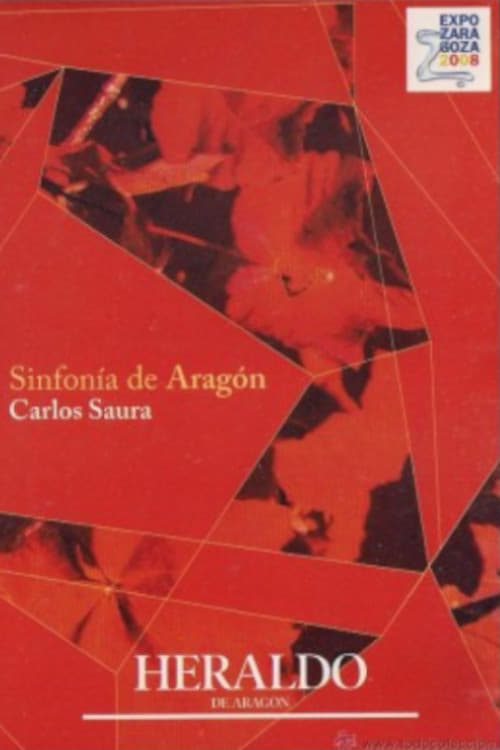
Carlos Saura shows us in this piece his personal vision of the land where he was born. Throughout the seasons we enter a route that ranges from the green Pyrenean landscapes to the Monegros desert. The images offer us the beauty of this Aragonese land but also reflect the harshness of its contrasts.

No Image Available
0.0

Turku

Feb 19, 1957

Camera moves around the city of Turku. We also pay a visit to Naantali and Airistola.

The Fence
8.1

The Fence

Oct 3, 2003

The Fence is a cry! In the aftermath of the civil war which bloodied Algeria, Tariq Teguia interviews the young people of Bab El Oued who express their anger. In the fixed shots in which they testify, Tariq Teguia alternates wanderings in a car which extend those of Ferrailles d’anticipations. And it is the violence of confinement that dominates, coupled with the desire for something impossible elsewhere.

Regards D'en Face - Alger Trailers

No Trailers found.

Cast

Jean-Jacques Deluz

Self

Jean-Jacques Deluz

Boudjemaâ Karèche

Self

Boudjemaâ Karèche

M'hamed Benguettaf

Self

M'hamed Benguettaf

Djamel Allam

Self

Djamel Allam

Djamel Amrani

Self

Djamel Amrani

Souad Delmi-Bouras

Self

Souad Delmi-Bouras

Amine Kouider

Self

Amine Kouider

Malek Salah

Self

Malek Salah