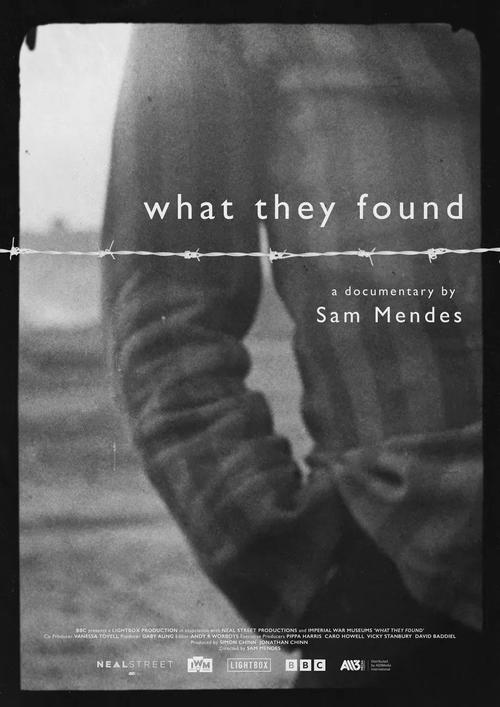
The story of two soldier-cameramen, Sgt Mike Lewis and Sgt Bill Lawrie, who witnessed the liberation of Belsen during the closing days of World War II.
No overview available.
Hortense McKay teaches the lesson of caring even in the worst of times.
Featurette about the demise, during the early 1940s, of the once-popular Mr. Moto B-films series that starred Peter Lorre.
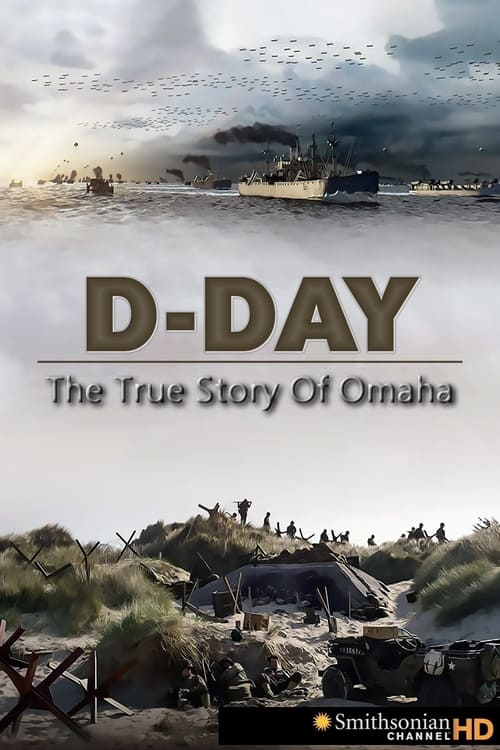
Here's the full true story of "Bloody Omaha". Thousands of soldiers were killed as soon as they stepped onto the beach, or even into the water as they waded to shore.
Two women, one house. An intimate story about a Pole and a German placed by war on enemy sides and their parallel lives accidentally brought together. The film reflects on the concepts of invaders, victim, guilt and forgiveness. It confronts different experiences and their paradoxical similarities. It deals with the controversial subject of the post-war accountings. The visual narration is flowing, guided by memories and archives. Traditional documentation confronts experimental use of archival footage in the cinematic impression about displacement.
Human torture. Factories of death. War atrocities. The crimes that haunt the pagse of history are chronicled in the piercing documentary Camps of Death. Following Hitler's murderous career, the film traces his rise to power, his ultimate demise, and the subsequent nuremberg trials that publicized the horrors of Hitler's regime. Concentration camp footage combines with chilling POW interviews to graphically create the nazi nightmare that few could hope to survive. A powerful look at the third reich adn the horrifying fate of its enemies.
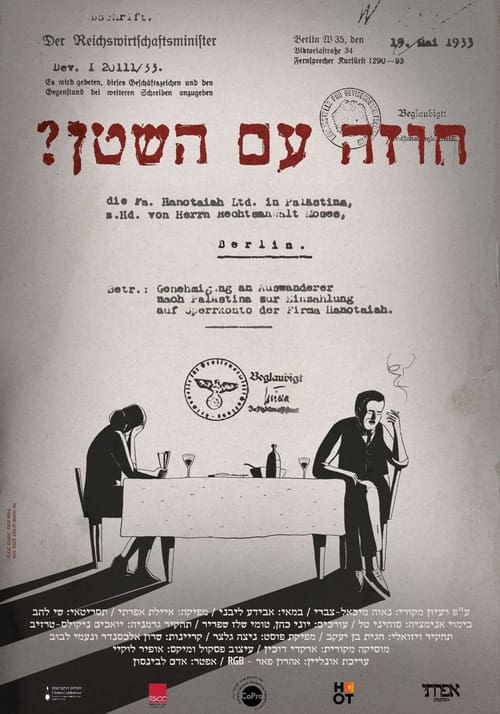
The story that was silenced for 91 years was revealed for the first time: in August 1933 the leaders of the Zionist Organization signed "transfer agreements" with Nazi Germany. As part of the agreement, about 60 thousand Jews with a lot of property will arrive in the Land of Israel. Is it permissible to make a "contract with the devil" to save people?
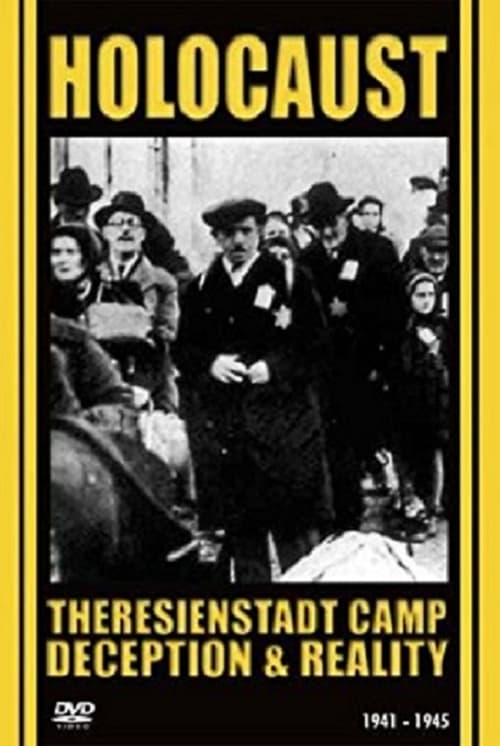
A look at the Nazi "show camp" used to fool the world while they carried out their "Final Solution".
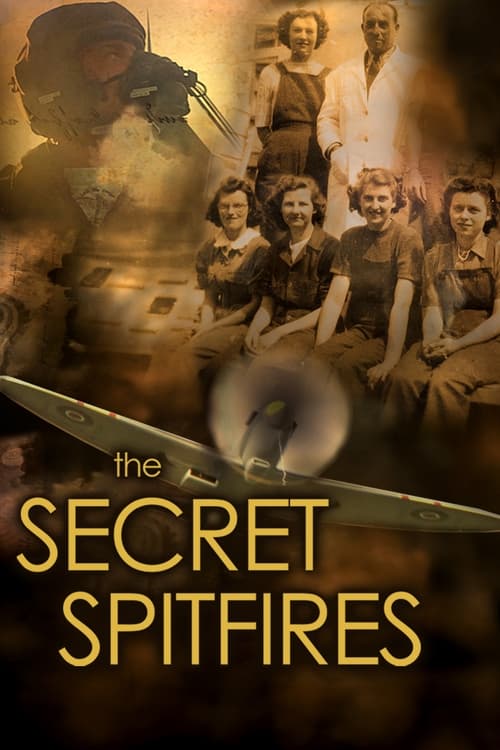
Spitfires were the nemesis of the Luftwaffe and the instrument which halted Hitler’s plans for invasion. After relentless bombing of the Spitfire factories in Southampton, the Germans were convinced they had halted the production of the Spitfires for good. But across the South of England, hidden in sheds, garages, back gardens, bedrooms, a bus depot, and even a hotel, a workforce of unskilled young girls, boys, women, elderly men, and a handful of engineers secretly built thousands of Spitfires to help win the war. Witnesses recount this never-before-told story of amazing achievement.
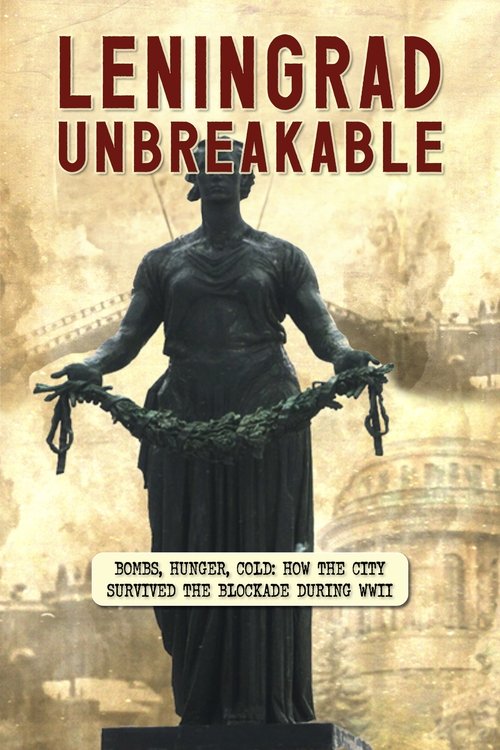
Irina was only 3 years old when her mother, a worker at the Kirov Plant, decided to evacuate her from Leningrad. Working tirelessly at the tank production plant for weeks without a day off, her mother had no one to help care for her child. However, the train Irina was commuting in came under Nazi shelling. She was under the rubble for a day before she was rescued. Thus, the girl remained with her mother, enduring the most terrifying months in a city besieged by the Nazis. This is just one story among thousands of heroic Leningrad citizens. Despite hunger and constant shelling, they managed to donate 144 tons of blood over the years of the blockade to aid injured soldiers on the front lines, and never ceased the production of guns, which the soldiers of the Soviet Army desperately needed against the Nazis. In our new documentary, commemorating 80 years since the liberation of Leningrad from the Nazi blockade, witness the unwavering resilience of Leningraders like Irina and her mother.
One and a half years before the begin of the Second World War during the annexation of Austria in March of 1938, Hitler conceived the megalomaniac idea of creating the largest European art center in his home town of Linz. At the beginning of the war on the 1st of September 1939, not only did his armies advance but also his art thieves began to fan out in their great foray of art plundering; an expedition on a previously unheard of scale began. Not only did the task forces of diverse National Socialist organizations pillage the occupied countries; Nazi bigwigs like Goering also took whatever they felt was valuable. This documentary includes the long and eventful journey of an exceptional masterpiece of European art: the Ghent Altar, created by van Eyck.
Not just another documentary on the French resistance movement, this film focuses on one particular group of underground fighters in France: those from Eastern Europe. Many were Jews and all had fled their native countries before the war broke out. They were among the most staunch and fearless enemies of fascism, as shown here in personal interviews and memoirs of war-time experiences. But the most famous of these immigrants were 23 who were rounded up among several hundred Parisians in 1943, tried for their activities, and executed -- all were immigrants under the leadership of the Armenian poet Manouchian. After their execution, Paris was papered with posters decrying these 23 martyrs as "foreign communists."
June 14, 1940. The German Army marches into Paris. France is an occupied country. Through exclusive amateur footage, personal stories, and popular songs from the time, this fi lm recounts life with the enemy during the occupation, as seen by the French... and the Germans! Despite the Nazis and the troubled war times, day-to-day life in occupied France went on. People learnt to live with the rationing, the cues, the curfew... Many try to forget the hard times, mainly thanks to the movies in which big stars provide a little dream and lead a privileged life. These stars don't actually collaborate, butadapt and give the impression of normal life during the war. After all, is it necessarily shameful to shake the hand of an enemy?
he film is based on the testimonies of survivors of the Holocaust that were collected by The Visual Library Archive of USC Shoah Foundation. Director Sergey Bukovsky takes the viewer on a journey of discovery as he and several Ukrainian students absorb the testimony of Ukrainian people who escaped brutal execution and those who rescued friends and neighbors during the Holocaust. A collection of men and women share the details of their experiences, and we are afforded a glimpse of modern-day Ukraine: the ethnic stereotypes that continue to exist and the manner in which Post-Soviet society is dealing with the question of how to memorialize the sites where tens of thousands of Jewish families and others were executed and thrown into mass graves.
Behind the scenes look at the D-Day special effects created in filming The Americanization of Emily (1964).
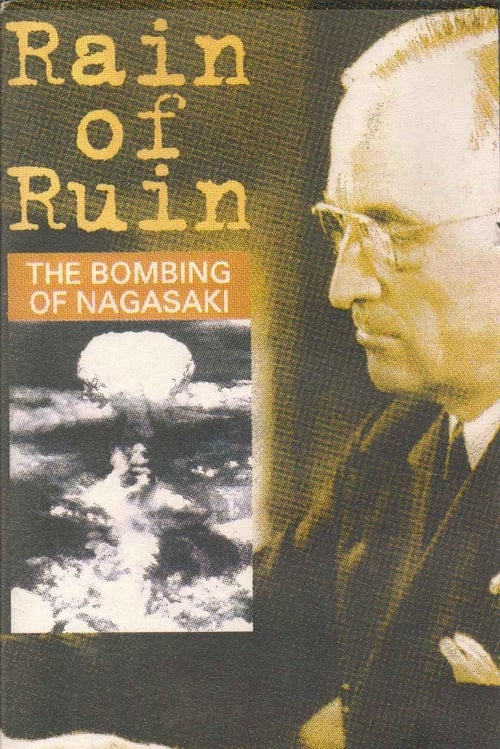
Scholars and eyewitnesses provide a picture of the 75 hours between the atomic bombings of Hiroshima and Nagasaki and document the contradictions, interrelationships, and ambiguities of politics and military strategy in time of war.
Drawing upon eye-witness accounts from survivors and participants in the bombing of Hiroshima, this programme shows how both Japan and the United States are still facing enormous problems in coming to terms with the legacy of that fateful August day.
Voice Over
Jean Germaneau
Häftling 1
Häftling 2
Häftling 3
Häftling 4
No Trailers found.