Behind the scenes look at the D-Day special effects created in filming The Americanization of Emily (1964).
Self
Narrator
No Trailers found.
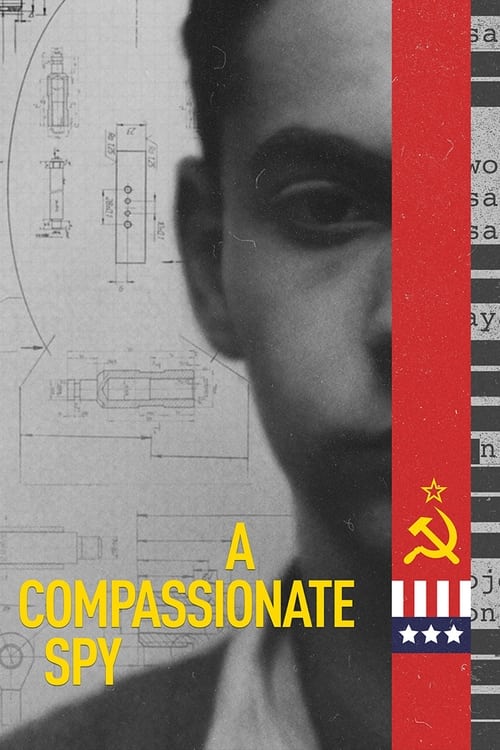
Physicist Ted Hall is recruited to join the Manhattan Project as a teenager and goes to Los Alamos with no idea what he'll be working on. When he learns the true nature of the weapon being designed, he fears the post-war risk of a nuclear holocaust and begins to pass significant information to the Soviet Union.
One of the most significant cases in European archaeology is the grave of the shaman woman of Bad Dürrenberg, a key finding of the last hunter-gatherer groups. From a time when there were no written records, this site was first researched by the Nazis, who saw a physically strong male warrior from an ‘original Aryan race’ in the buried person. It was, in fact, the most powerful woman of her time. The latest research shows that she was dark-skinned, had physical deformities, and was a spiritual leader. The documentary – using high-end CGI and motion capture – compares the researchers of the Nazi era, who misrepresented and instrumentalised their findings, to today’s researchers, who meticulously compile findings and evidence, and use cross- disciplinary methods to examine and evaluate them. It also substantiates the theory of the powerful roles women played in prehistoric times. The story of this woman, buried with a baby in her arms, still fascinates us 9,000 years after her death.
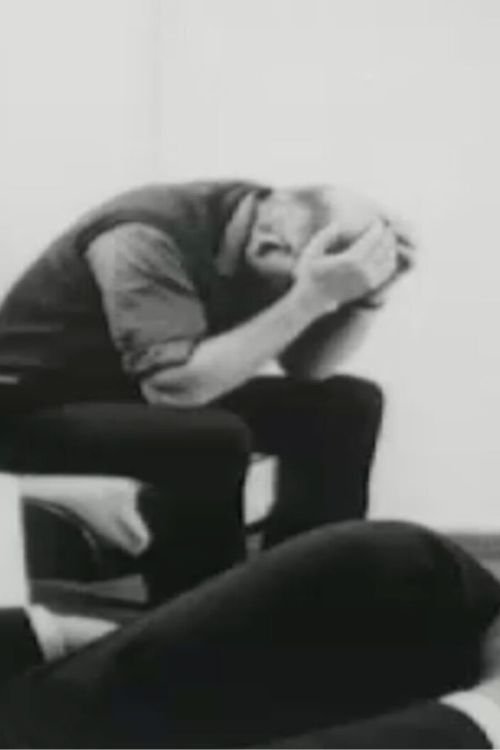
The work of Leiden professor Bastiaans on dealing with the trauma of war victims attracts the attention of filmmaker Louis van Gasteren. He decides to make a film about the psychotherapeutic treatment with LSD of a former concentration camp prisoner in the clinic of Bastiaans. Patient Joop is arrested in September 1941 and begins a long hellish journey through various camps, until he is liberated by the Russians. When he returns to his wife, he has become a completely different man. Joop suffers from nightmares and is incapable of normal human contact. With two cameras, Van Gasteren records approximately six and a half hours of the first treatment that Joop undergoes with Bastiaans (four more will follow later). Special attention is paid to details: Joop's hands, the sweat on his forehead, a tear running slowly down his cheek. Van Gasteren reduces the recordings to more than an hour.
From abject poverty to becoming a ten-time boxing world champion, congressman, and international icon, Manny Pacquiao is the true definition of a Cinderella story. In the Philippines, he first entered the ring as a sixteen-year-old weighing ninety-eight pounds with the goal of earning money to feed his family. Now, almost twenty years later, when he fights, the country of 100 million people comes to a complete standstill to watch. Regarded for his ability to bring people together, Pacquiao entered the political arena in 2010. As history’s first boxing congressman, Pacquiao now fights for his people both inside and outside of the ring. Now at the height of his career, he is faced with maneuvering an unscrupulous sport while maintaining his political duties. The question now is, what bridge is too far for Manny Pacquiao to cross?
National Geographic 2011 Documentary on the World's Biggest Bomb (UK).
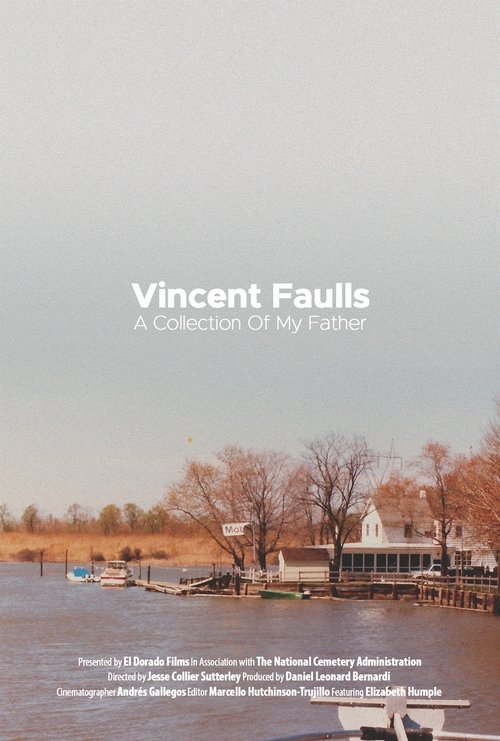
When our elders pass away, they live on through the stories of them that we share, keeping us warm when we feel cold, and cheering us up in our darkest times. “A Collection of My Father” tells the story of Vincent Faulls, a WWII soldier, devoted husband, and loving father.
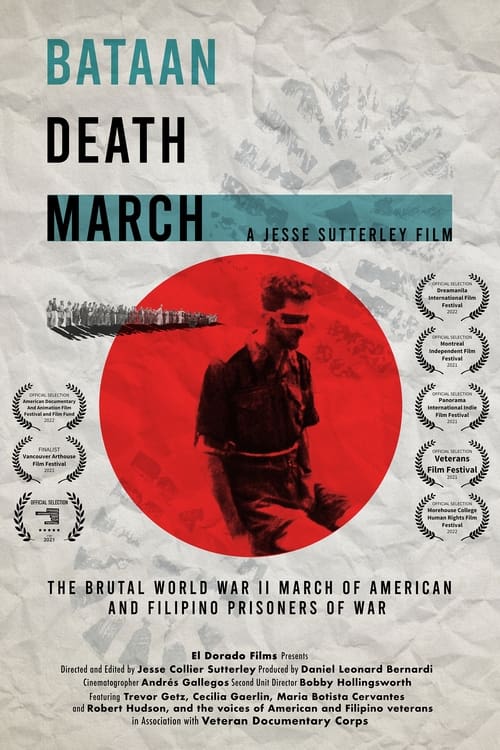
Within hours of the Japanese attack on Pearl Harbor, bombs rained down on U.S. and Filipino forces in the Philippines. After months of vicious fighting, Allied forces surrendered on the island only to be met with a brutal march to P.O.W. camps dotted across the islands. Thousands died on the marches, before reaching the P.O.W. camps where countless more died. The surrender of the Philippines, now almost forgotten in U.S. history, is commemorated in the Philippines every year.
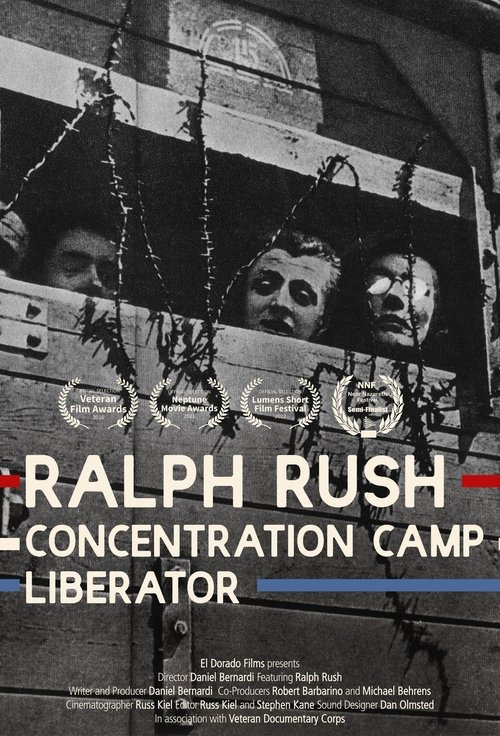
Ralph Rush, a Scout in General George S. Patton's World War II Intelligence & Reconnaisance Platoons went from digging up German mines to being the first American to enter the Ohrdruf Concentration Camp; the first concentration camp liberated by the Allies.
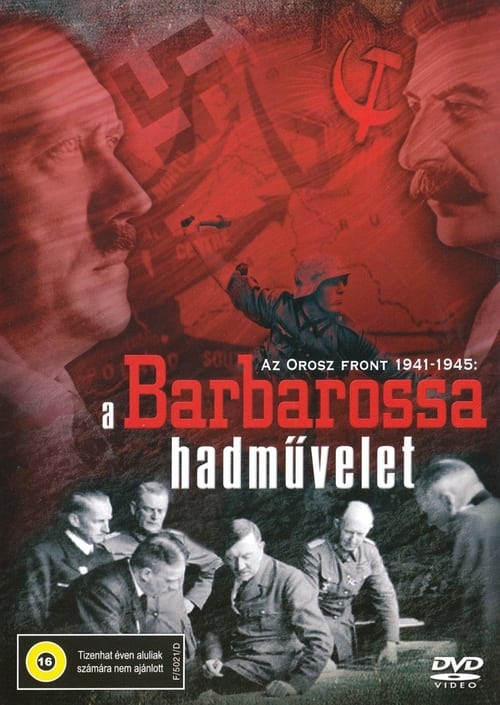
Hitler's invasion of Russia was one of the landmark events of World War II. This documentary reveals the lead-up to the offensive, its impact on the war and the brinksmanship that resulted from the battle for Moscow. Rare footage from both German and Russian archives and detailed maps illustrate the conflict, while award-winning historian and author John Erickson provides insight into the pivotal maneuvers on the eastern front.
No overview available.
Meet American fighter pilots and bombers who raided Romanian targets in WW-II including its major oilfields centered on Ploesti and Romanians who defended them. 'Ace' pilot interviews, both American and Romanian, as well as US Air Force prisoners experiences are explored through rarely viewed Romanian archive footage. The documentary is seen through the eyes and words of Nicholas Dimancescu. He journeys back to Romania both to discover his own roots and also to uncover the stories of American and Romanian airmen who raided and defended Romania's oil refineries during World War II. The experiences of wartime 'aces' on both sides are recounted and two of them, once enemies who attacked one another over Romania, meet for the first time 66 years later.
A short film following the release of journalist and activist Barrett Brown from prison, and his drive across Texas to a halfway house. 'Relatively Free' is an examination of Brown's return to a very different world, post the election.
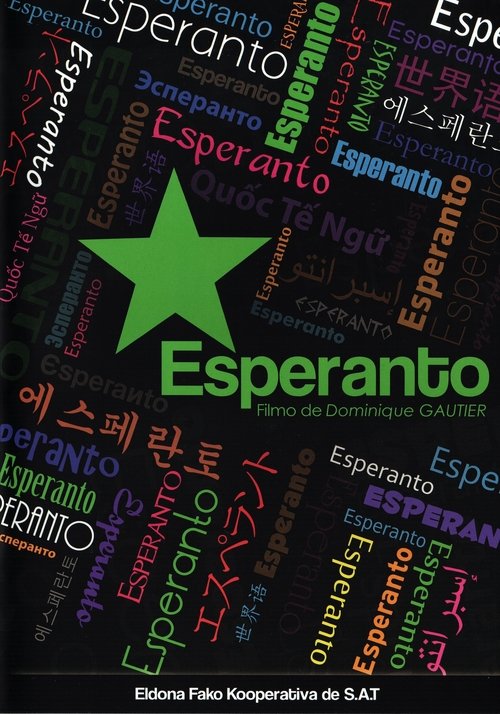
This film, directed by Dominique GAUTIER, takes the viewer on a worldwide excursion into the history and structure of the Esperanto language, introducing its present-day speakers. The words of these users of the language are reflective of a variety of activities and viewpoints, and in the film they are interwoven so as to reveal bit by bit how the utopia of its initiator, Ludwig ZAMENHOF, is concretised every day.
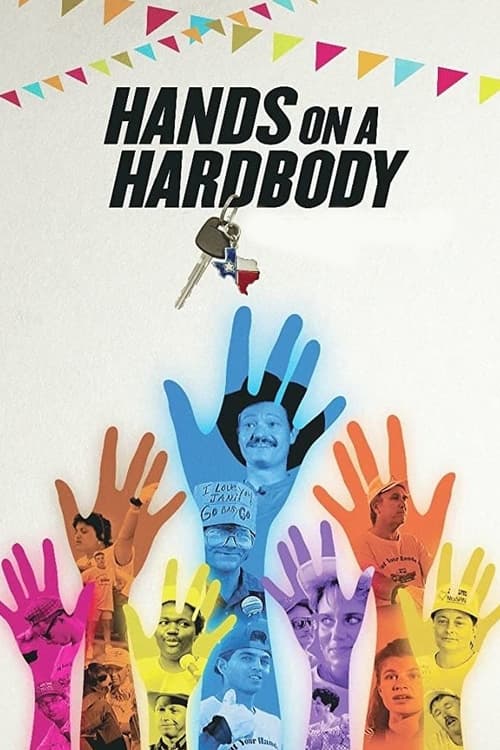
Filmmaker S.R. Bindler profiles Texas contestants trying to win a truck by keeping one hand on it longer than everyone else.
James Holland moves beyond the D-Day beaches to reassess the brutal 77-day Battle for Normandy that followed the invasion. Challenging some of the many myths that have grown up around this vital campaign, Holland argues that we have become too comfortable in our understanding of events, developing shorthand to tell this famous story that does great injustice to those that saw action in France across the summer of 1944.
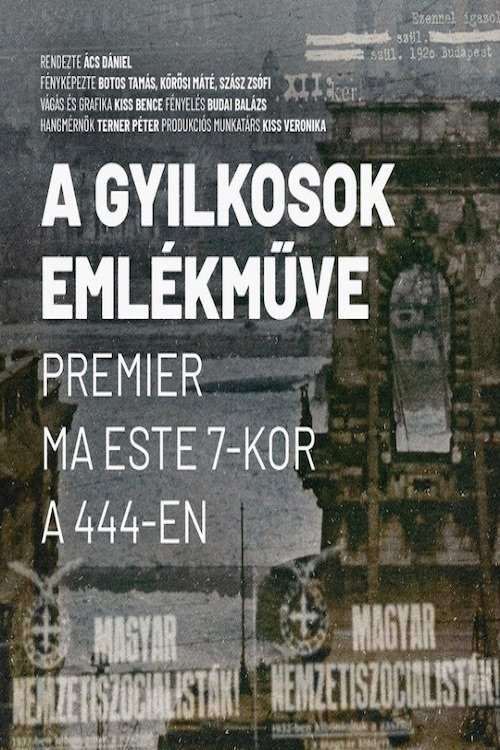
A film about a district in Buda, which to this day cannot face the inconceivably cruel crimes committed by its former inhabitants.
George Stevens's remarkable film is acclaimed by historians as the most important colour footage taken during the war. Milestones covered include the liberation of Paris, the link-up between the Russian and American armies on the River Elbe and the Allied capture of the Dachau concentration camp.
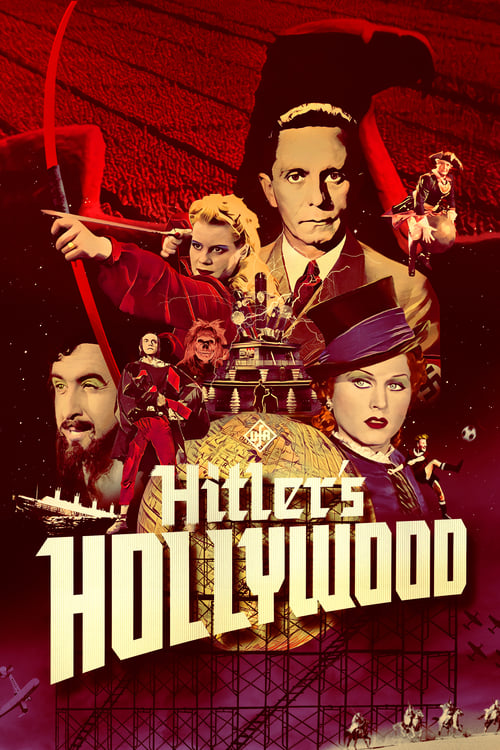
Film journalist and critic Rüdiger Suchsland examines German cinema from 1933, when the Nazis came into power, until 1945, when the Third Reich collapsed. (A sequel to From Caligari to Hitler, 2015.)
In the small town of Rechnitz a terrible crime against humanity was performed during the holocaust. Until now, no-one dares to talk about it.
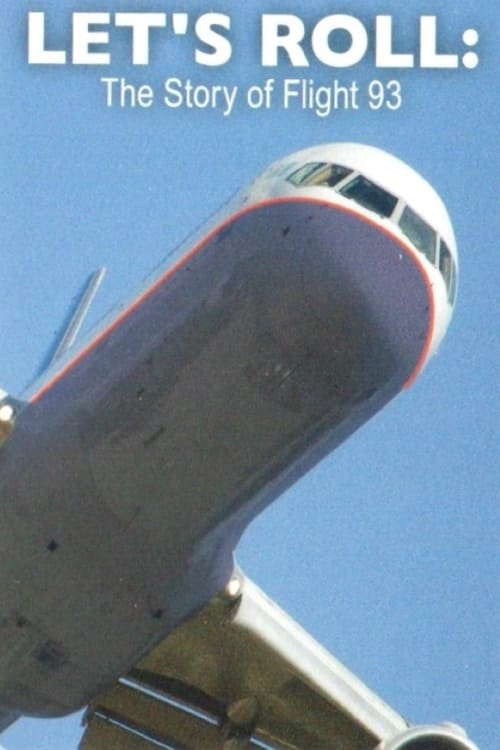
This documentary explains the story of United 93, which took off on September 11, 2001, from Newark Liberty International Airport, in Newark New Jersey. The flight was hijacked by terrorists and crashed as part of four coordinated attacks in the United States that fateful day. Containing real accounts from witnesses and family members of those on board, as well as acted scenes showing what likely took place inside the aircraft, this documentary is harrowing, heartbreaking and moving in every way. This documentary also reminds us to never forget 9/11/01 and all of the innocent victims we lost that day.