Self
The film documents the ascent of Monga ma loba, the mountain of the gods in the Cameroon Mountains, and a visit to the town of Buea. The material was shot on an expedition to Cameroon in 1934.
The film tells the story of three women from the sultan's harem in an African kingdom, from three different generations, and documents 100 years of change: interventions of Islam and Europeans, tensions and contradictions between traditional identity and the lifestyle of today's black bourgeoisie.
Green Lions tells the story of a team of amateurs who became heroes. Young men, and one veteran, who dared to dream, achieved the impossible and inspired a generation around the globe.
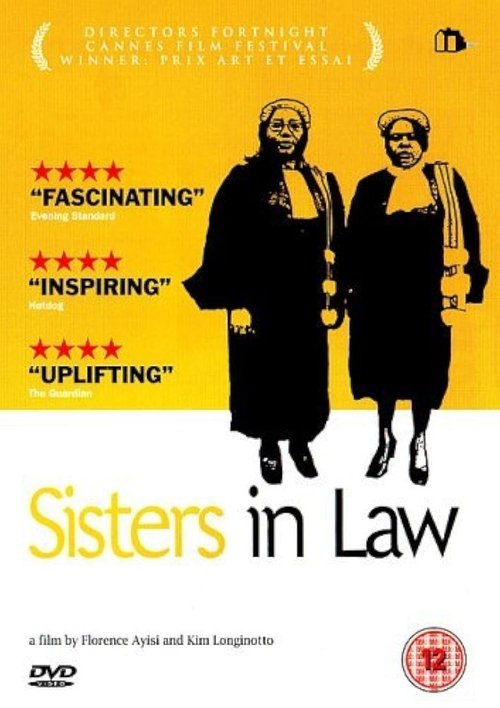
Set in Kumba in South West Cameroon Sisters in Law follows Adultery, Rape and Abuse cases led by a Female Judge.
Felix Moumié was a rebel leader in Cameroon. He was poisoned by thallium in October, 1960 in Geneva. After nearly fifty years, no one has been charged with his death, though many suspect the French and Swiss governments played a part in his death.
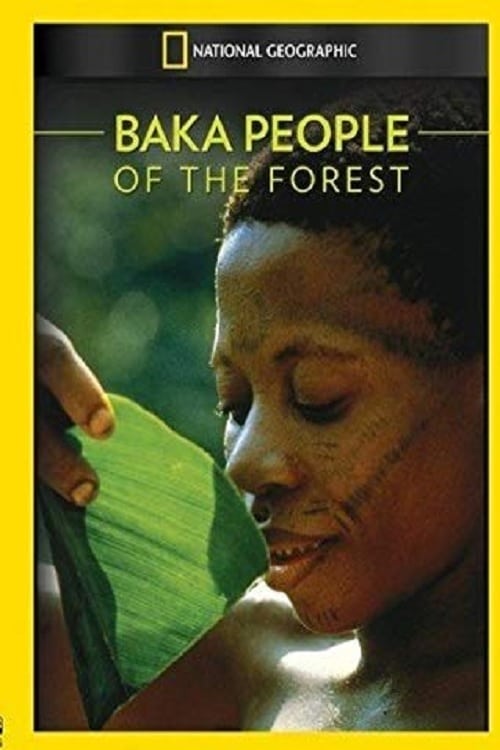
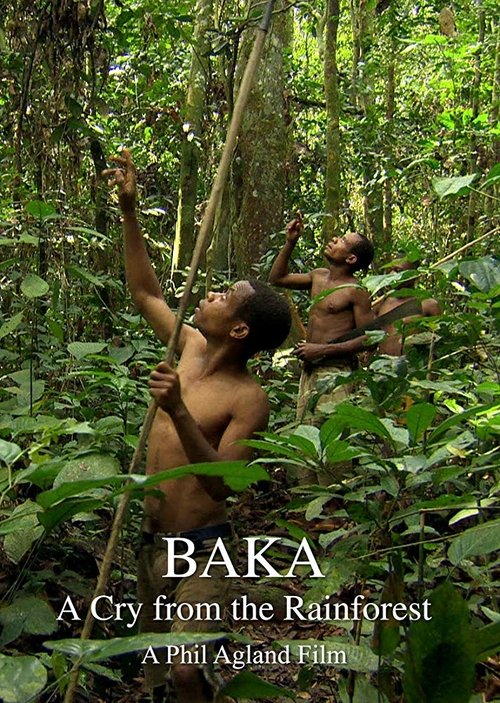
Intimate story of a Baka family living a traditional life in the rainforests of Cameroun.
After a 20-year long fruitless search in the Cameroonian forest, Frenchman Michel Ballot is on the verge of giving up his lifelong quest to find the mysterious creature known as the Mokélé-Mbembé. Turning to local initiates for help, and torn between ancestral wisdom and scientific evidence, he embarks on a final journey into powers, knowledge and the unseen.
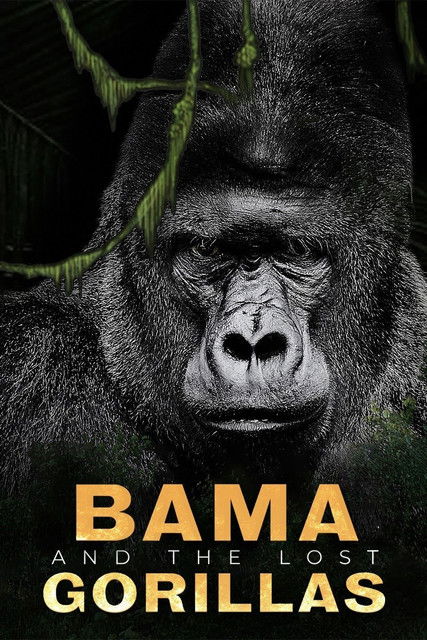
Alfred Bama, an animal keeper from Cameroon, has an extraordinary connection with gorillas. "Nyango," one of the gorillas he looks after, is the world's only Cross River gorilla in captivity. Until just a few years ago, this species was thought to be extinct. Now, Bama embarks on the greatest challenge of his life: locating Nyango's family in the wild to protect them before it's too late.
Since the arrival of the Internet in the African republic of Cameroon, Internet Cafes have mushroomed. In a country where nearly half the population lives under the poverty threshold, many young women, who dream of escaping a life of misery by marrying a rich, white foreigner, surf the Internet for European marriage prospects at cybercafes such as Love.com, Affection.org, Flirt.net and Meeting.com.
Kalfou is a village in Far North Cameroon. It lies on the front-line of global climate change as the Sahara desert creeps ever southward into once fertile human habitats. Halilou Siddiki, a Fulani elder of Kalfou, introduces us to the problem of chronic water shortage and shows us its effects on everyday life.The whole region is becoming ever more marginal in feeding its people and the animals, central to the economy – and to culture. The permanent drought situation is pushing some people to burn the bush in search of small animals and to make wood gathering and selling easier. Also climate change is forcing elephant herds to invade and destroy croplands. These secondary effects make the water problem worse. But the wet season finally arrives in Kalfou and along with the rain we see the blooming of the joy of life and abundant harvests. But Halilou worries that the rain period gets shorter each year; that it will no longer sustain his people in their homeland.
Phil Agland revisits the Baka Pygmy family he filmed 25 years ago in his BAFTA award winning documentary 'Baka: People of the Rainforest'. An extraordinary journey into the heart of the rainforest in Cameroon, where the past of the Baka revisits them through watching the old film projected in the forest - raising questions about their old life in the forest and what is happening to them now.
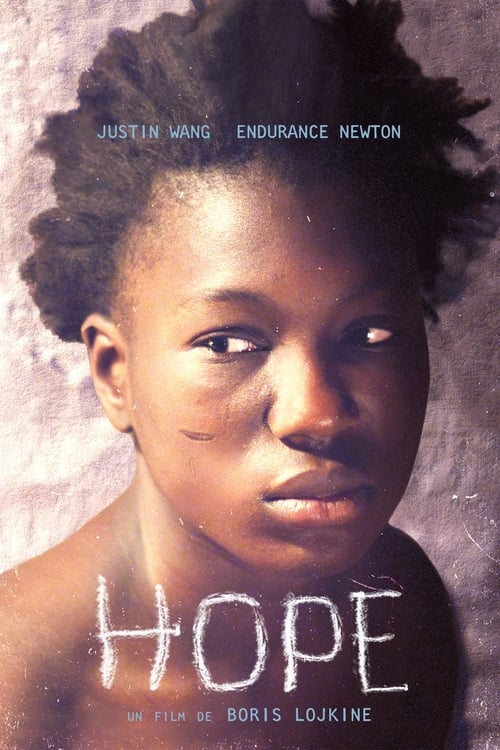
On his clandestine journey from Cameroon to Europe through the Sahara desert, Léonard meets Hope, a Nigerian girl who's following the same dream.
No overview available.
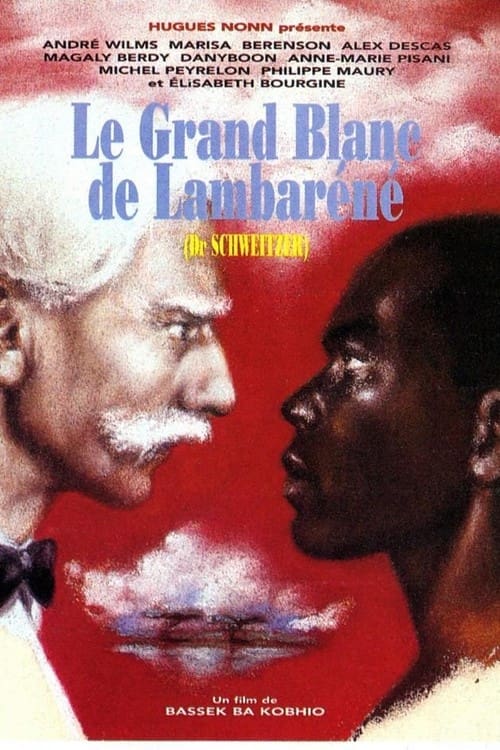
Albert Schweitzer (1875-1965), the mission doctor, theologian and philosopher who founded a hospital in the rainforests of Gabon, achieved sainthood in his lifetime, at least in the popular imagination. The critical assessment of his life and works in recent years, however, has been slightly more ambivalent. Ba Kobhio Bassek is the first director to examine this medical missionary from a purely African point-of-view.
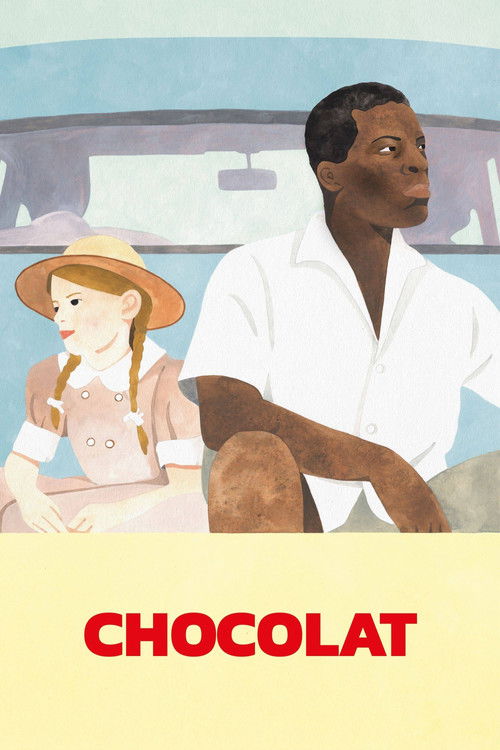
On her way to visit her childhood home in a colonial outpost in Northern Cameroon, a young French woman recalls her childhood, her memories concentrating on her family's houseboy.
In Belgium today, a young boy and an adolescent girl who have travelled alone from Africa pit their invincible friendship against the difficult conditions of their exile.
When there's a knock on their apartment door Thanksgiving Day, Jay decides that today's not the day to introduce his girlfriend and common-law partner, Sam, to his Cameroonian parents.
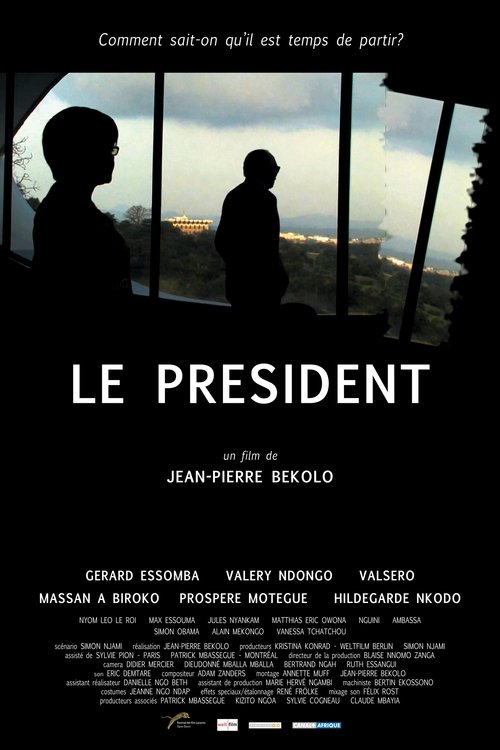
Cameroonian filmmaker Jean-Pierre Bekolo's newest work uses split-screens (at times, up to four images simultaneously) to present a fake documentary in which "the president" has disappeared; talk-show hosts, rivals, politicians and even rappers chime in on what may have occurred, and what their president for life has—or has not—done for Cameroon.
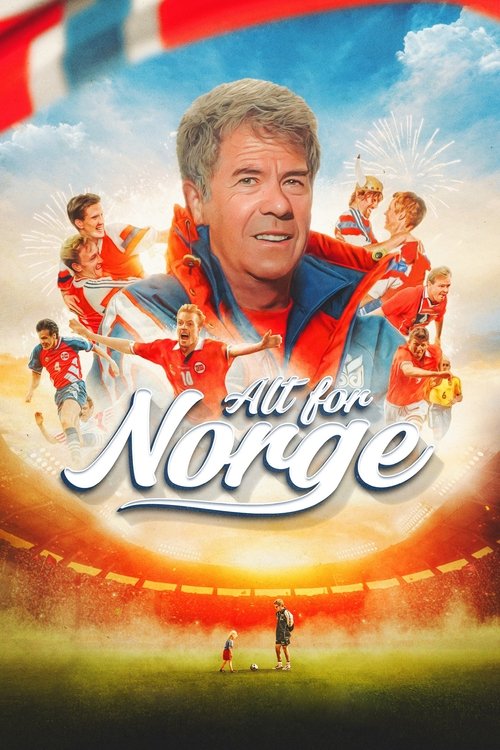
The Norwegian football adventure in the 1990s, when Egil "Drillo" Olsen lead Norway to victory after victory. This movie takes you on that fantastic ride from the inside.
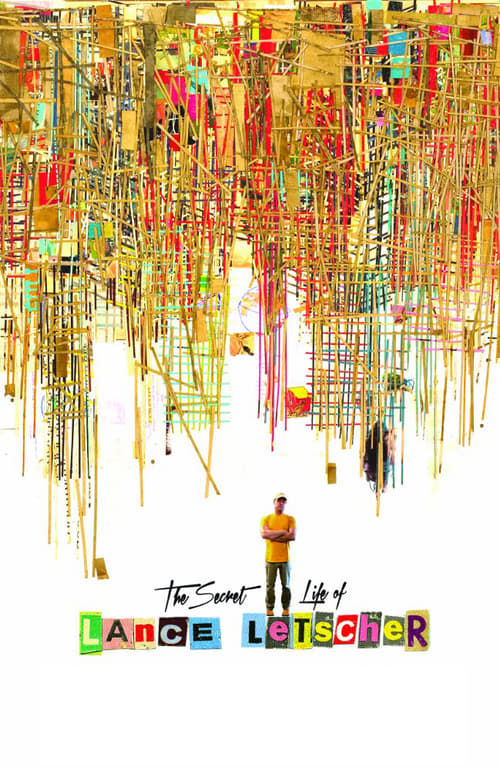
An intimate, psychological portrait of collage artist Lance Letscher.
No Trailers found.