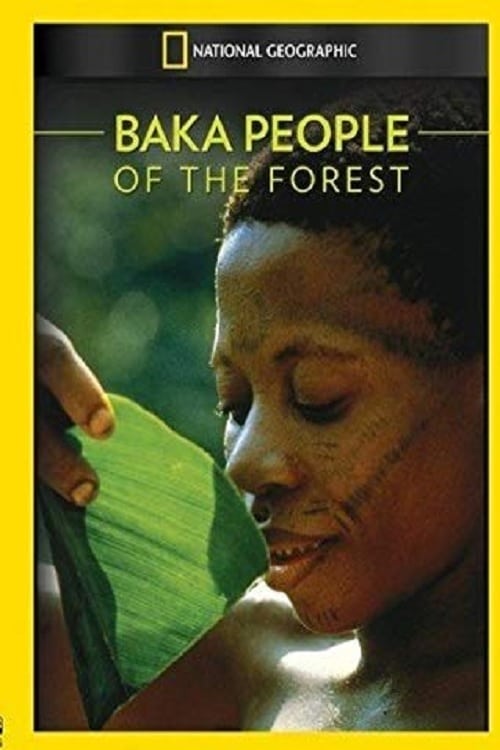
Intimate story of a Baka family living a traditional life in the rainforests of Cameroun.
No Cast found.
No Trailers found.
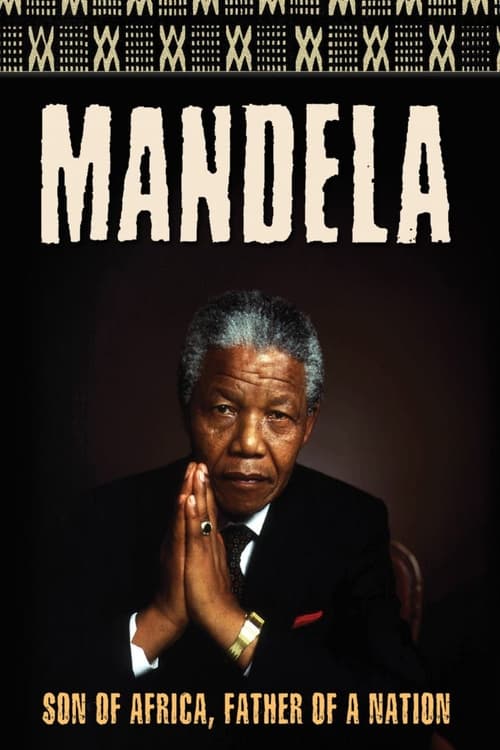
A documentary that chronicles the life of South African leader Nelson Mandela. Mandela is probably best known for his 27 years of imprisonment, and for bringing an end to apartheid. But this film also sheds light on the little-known early period of Mandela's life.
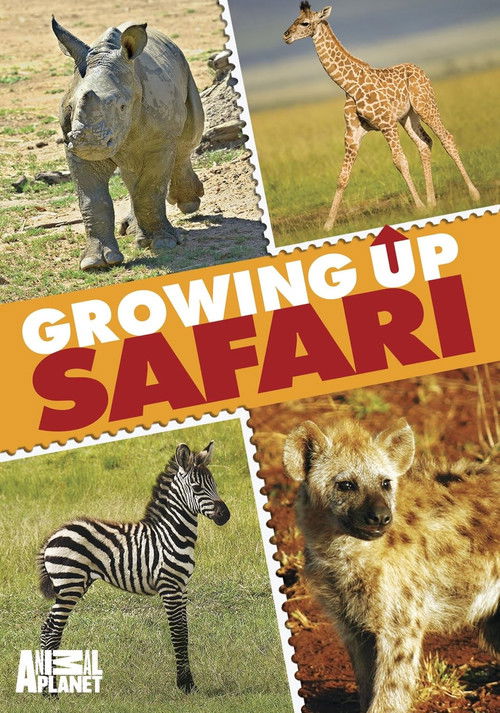
This delightful Animal Planet series follows young animals facing special challenges. Zookeepers, veterinarians and other animal specialists explain their role in helping to get the youngsters off to a good start. This collection's four episodes feature the first year in the life of baby elephant Maximus; a trio of zebras at a sanctuary; an orphaned giraffe named Kulula who joins a new herd; and the truth about the much-maligned hyena.
No overview available.
The film tells the story of three women from the sultan's harem in an African kingdom, from three different generations, and documents 100 years of change: interventions of Islam and Europeans, tensions and contradictions between traditional identity and the lifestyle of today's black bourgeoisie.
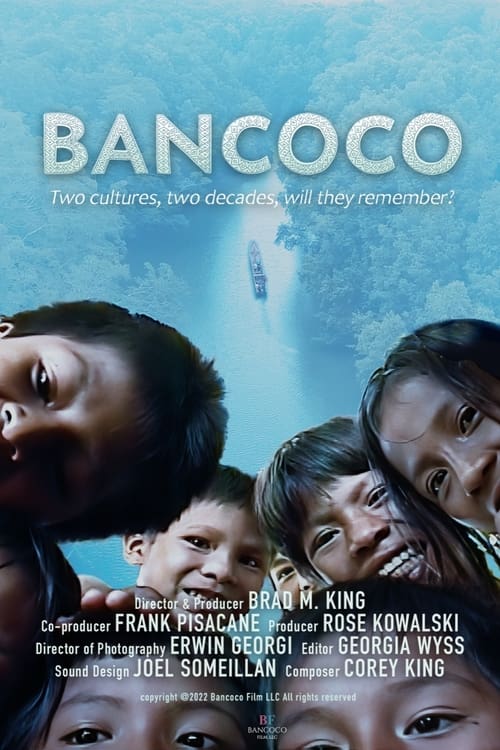
A New Yorker journeys to the jungle in the Darien Gap of Panama to reconnect with an indigenous tribe he met and photographed 20 years ago. Their reunion highlights the profound power of photos and the human connection that transcends cultural barriers.
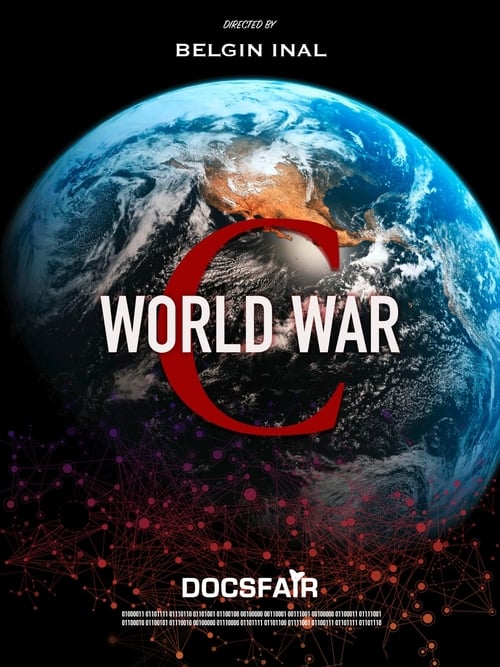
It's war. War against an invisible enemy that is not as deadly as we are told. The world is changing rapidly. Disproportionate measures are taken worldwide that disrupt society as a whole. A dichotomy in society forced vaccinations and restrictions on freedom. Have we had the worst? Or is there something more disturbing to awaiting us.
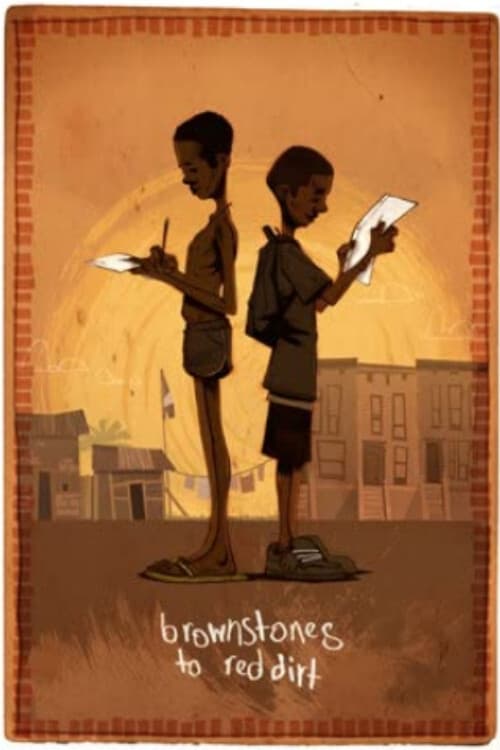
Kids from Brooklyn, NY housing projects try to change the world when they are paired with Sierra Leonean pen pals orphaned by a civil war.
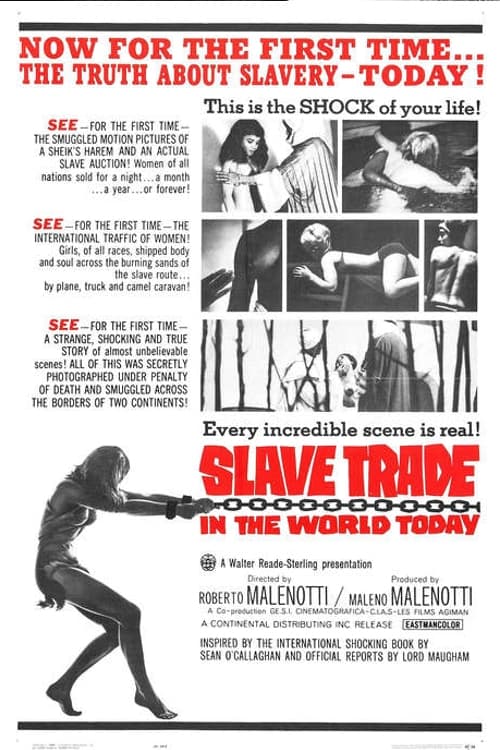
The film documents modern slave trade through a number of African countries, under dictatorship rule. The filming was conducted both in public places, and sometimes with the use of hidden cameras, for high impact scenes of nudity, sex, and violence - and a few surprises, as slaves made out of peregrins to Asia, and slave traders paid in traveller checks.
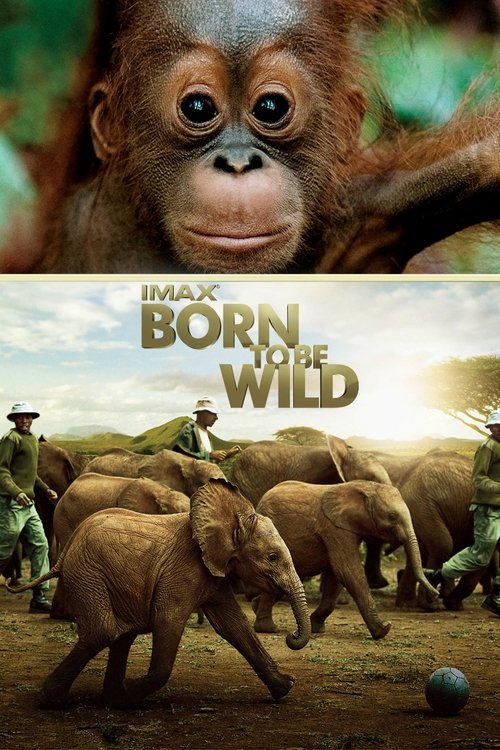
Born to Be Wild observes various orphaned jungle animals and their day-to-day behavioural interactions with the individuals who rescue them and raise them to adulthood. The film unfurls in two separate geographic spheres. Half of it takes place in the rain forests of Borneo, where celebrated primatologist Dr. Birute Galdikas assists baby orangutans; the other half takes place on the arid savannahs of Kenya, where zoologist Dame Daphne Sheldrick works with baby elephant calves.
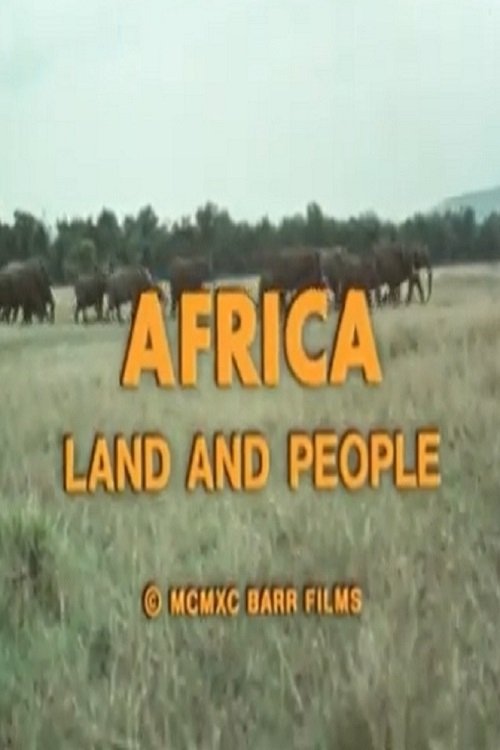
This film takes a close look at Africa's varied geography and the people who settled and live in these region. Also it contrasts the rural villages and the modern cities.
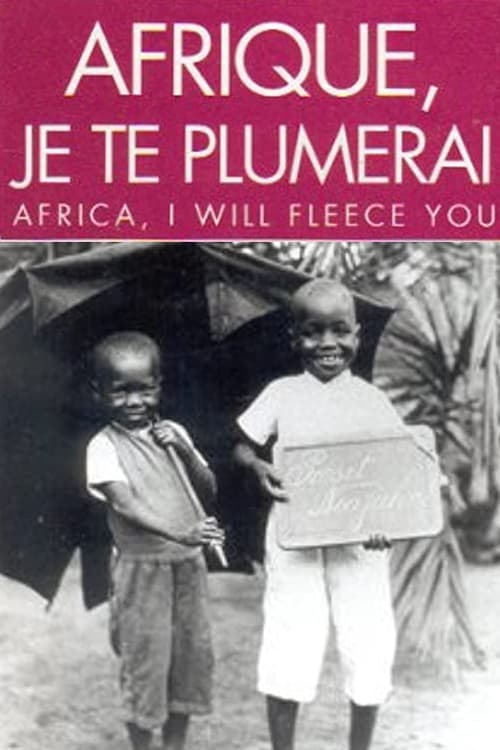
This documentary of repressive political realities in Cameroon begins with the 1990 publication of an open letter to President Biya calling for a national conference - and the immediate arrest of the letter's author and publisher. The narration then examines the nation's colonial history, beginning with the first German missionary in 1901, the establishment of schools, French occupation following World War I, the paucity of books written by and published by Cameroonians, and the repression of the CPU, a leftist organization of the 1950s and 1960s. Cameroon and its people are the lark, its feathers plucked first by colonialism and then by native strongmen: 'Alouette, je te plumerai.'
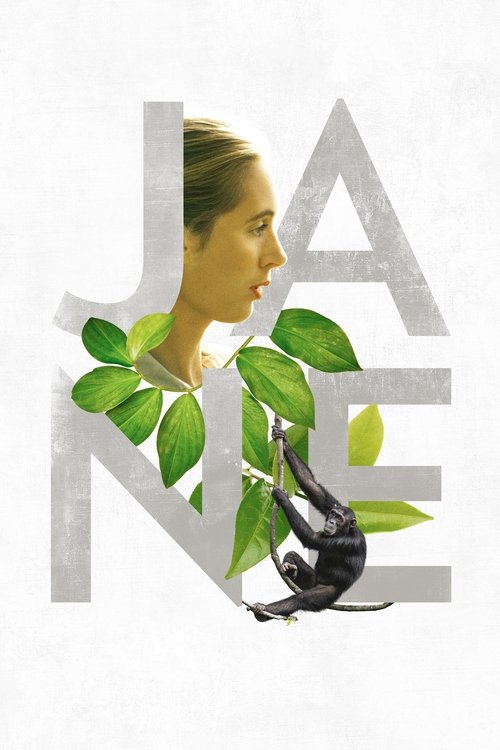
Drawing from never-before-seen footage that has been tucked away in the National Geographic archives, director Brett Morgen tells the story of Jane Goodall, a woman whose chimpanzee research revolutionized our understanding of the natural world.
“Harry & Meghan: An African Journey" features unprecedented access and exclusive interview with The Duke and Duchess of Sussex about the challenges they face living in the public eye.
A talented group of orphaned children in Swaziland create a fictional heroine and send her on a dangerous quest.
"CATANAS POINT - A Surf Documentary" portrays the reality of the sport of surfing in Angola and compares it with what surfing was like in Brazil from the 1980s to the present day.
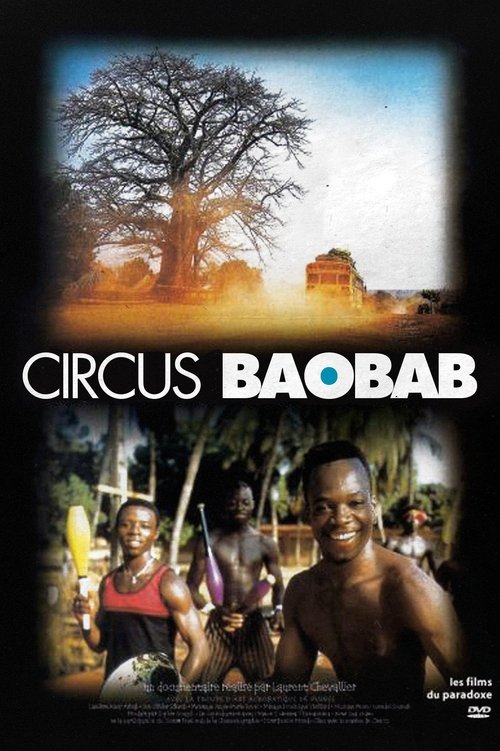
French filmmaker Laurent Chevallier always wanted to make a documentary on an African circus, but there were no native circuses on the continent. So Chevallier decided to help found a circus in Guinea. 36 young people were chosen from the city of Conakry to participate in what would become Circus Baobab. A group of French circus artists were imported to train the participants for 2 years in acrobatics and trapeze. Then the group took their show on the road. This film is Chevallier's account of the troupe's inaugural tour in Guinea, from March 1 - April 11, 2000.
Documentary produced by Unilever about of the operations of its subsidiary. The United Africa Company (Timber) Limited, and associated companies,
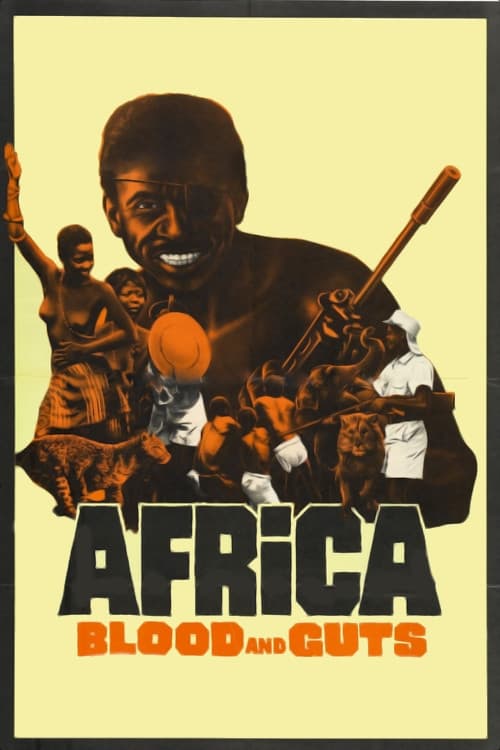
A chronicle of the violence that occurred in much of the African continent throughout the 1960s. As many African countries were transitioning from colonial rule to other forms of government, violent political upheavals were frequent. Revolutions in Zanzibar and Kenya in which thousands were killed are shown, the violence not only political; there is also extensive footage of hunters and poachers slaughtering different types of wild animals.
Sven Nykvist, best known as Ingmar Bergman cinematographer, made this film as a tribute to his father who was a missionary in Kongo in the early 20th century. The story of his father Gustav Natanael Nykvist is told through his own photos, letters, and films. Director & cinematographer: Sven Nykvist. Narrators in the English dubbed version: Liv Ullmann & Sean Connery. Produced by Ingmar Bergman (Cinematograph AB). Digitally restored in 2022.