Narrador
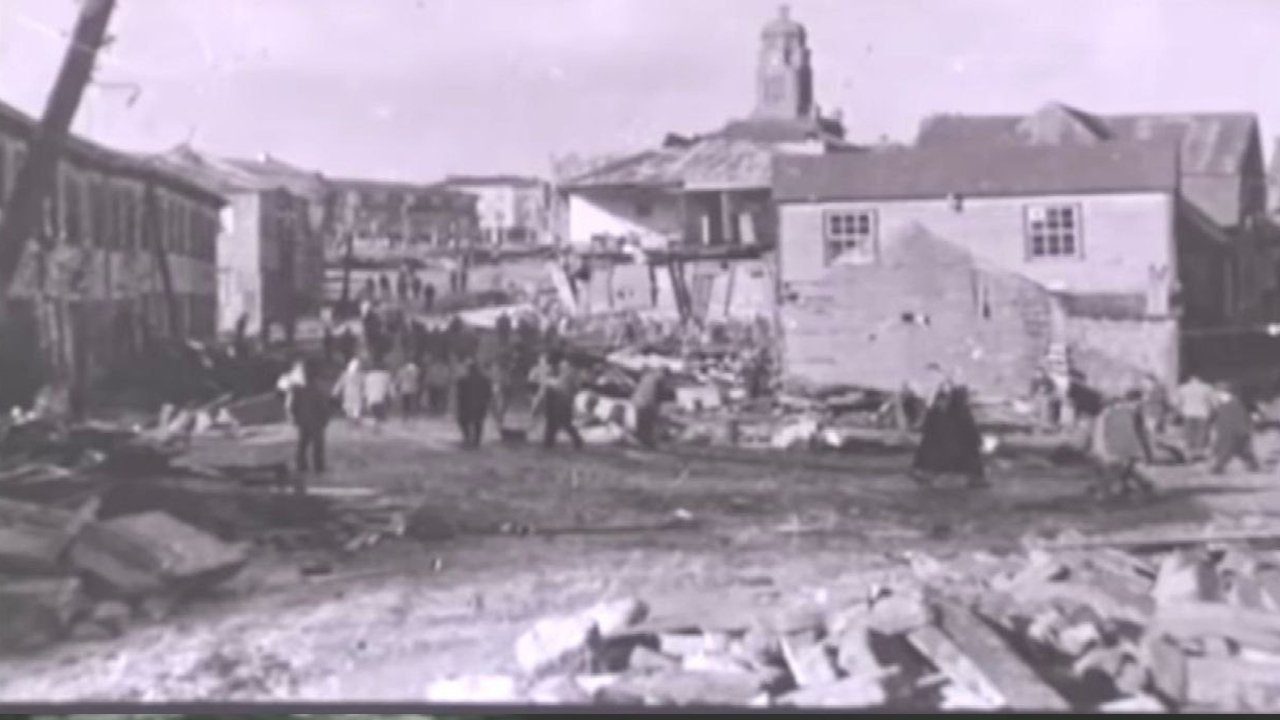
An enormous shroud of white cement covers a hillside in the remote of western Sicily. It is both land art and a memorial to the town of Gibellina that was devastated by an earthquake in January 1968. It’s a work by the Italian artist Alberto Burri. He covered the ruins of the town with white cement and fissures function as pathways that wind through an area of roughly 20 acres. Petra Noordkamp captures Il Grande Cretto di Gibellina by Alberto Burri as an experentiental work of art filled with a sense of place and history.
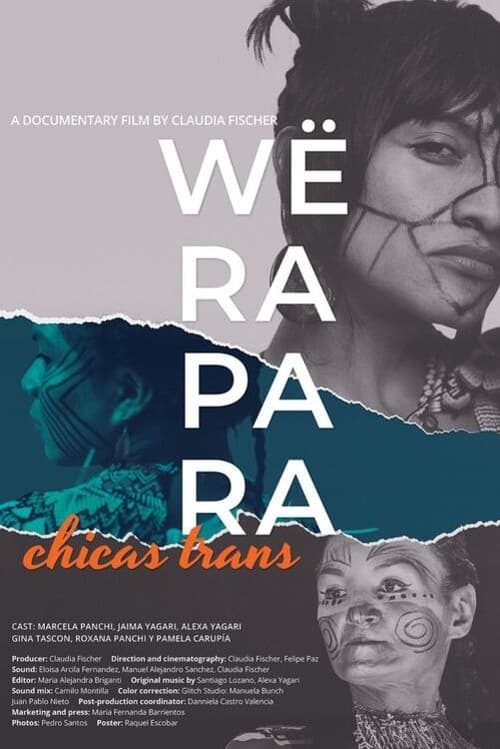
In the midst of a profound social conflict, the director, a blind activist based in Canada, returns to her native Chile to follow five activists who embark on a transformative process to dignify their lives.
No overview available.
The third installment in Dan Přibáň's series of travel documentaries describes the author's journey with his friends across South America in vehicles that are often notorious but cult in their own way. The charming dynamics of the group on screen are further enhanced by the high-quality craftsmanship.
A powerful, uncensored and insightful documentary built around raw, heartfelt, never-seen-before, interviews captured in the immediate aftermath of the February 22nd 2011 earthquake in Christchurch. Survivors share their stories of panic and heart-breaking loss, courage and miraculous survival.
A documentary on the rise and fall of Project Cybersyn, an attempt at a computer-managed centralized economy undertaken in Chile during the presidency of Salvador Allende.
Report on the town of San Pedro which exists in the middle of the desert and at over 2,430 meters above sea level. It also deals with the work of priest Gustavo Le Paige and the museum he helped develop.
Also known as the "Kobe earthquake," the massive earthquake struck the southern Hyogo prefecture on January 17, 1995 and resulted in more than 6,400 casualties. The drama will focus on the reporters working for the Kobe Shimbun, who were determined to keep the newspaper running without interruption, despite the damage suffered during the earthquake. The characters in the drama will all be based on real people, using their real names. Sakurai stars as the photo reporter Tomohiko Mitsuyama, who had joined Kobe Shimbun four years before the earthquake. The show will also have documentary segments such as interviews, including an appearance by Mitsuyama himself.
After the earthquake, my grandmother is facing the loss of her apartment.
Documentary tells the story of the Chilean football club Colo-Colo, exploring its profound impact on popular culture and the everyday lives of its fans. Throughout the film, it shows how the club has transcended sport to become a symbol of resistance, pride, and class struggle in Chile.
The documentary portrays the desires and ftures of four young people from the third year of secundary education in Chile. Two of them attend the industrial high school in the San Joaquín commune, where they have already begun their training as a textile technician. They both have dreams, they want to study, work, start a family and improve themselves. On the other hand, at the exclusive Saint George school, two students study in privileged conditions. They want to be professionals and develop through the arts. This is the portrait of two worlds located less than 20 kilometers apart and that can only be together in the audiovisual montage. It is the manifestation of the coincidences and contradictions that exist between the realities and the discourses of four young Chilean students in a fundamental stage for their future.
The ocean contains the history of all humanity. The sea holds all the voices of the earth and those that come from outer space. Water receives impetus from the stars and transmits it to living creatures. Water, the longest border in Chile, also holds the secret of two mysterious buttons which were found on its ocean floor. Chile, with its 2,670 miles of coastline and the largest archipelago in the world, presents a supernatural landscape. In it are volcanoes, mountains and glaciers. In it are the voices of the Patagonian Indigenous people, the first English sailors and also those of its political prisoners. Some say that water has memory. This film shows that it also has a voice.
Rüdiger was a child, Aki two months old and Kurt, the deputy of the pedophile leader of the sect. In 1961 they came to Chile together with 500 other German sect members and for over 40 years they lived secluded from the rest of the world. The film tells about the attempt to survive as a collective after decades of crimes such as torture and murder and shows different ways in which the individual copes with the history of the community.
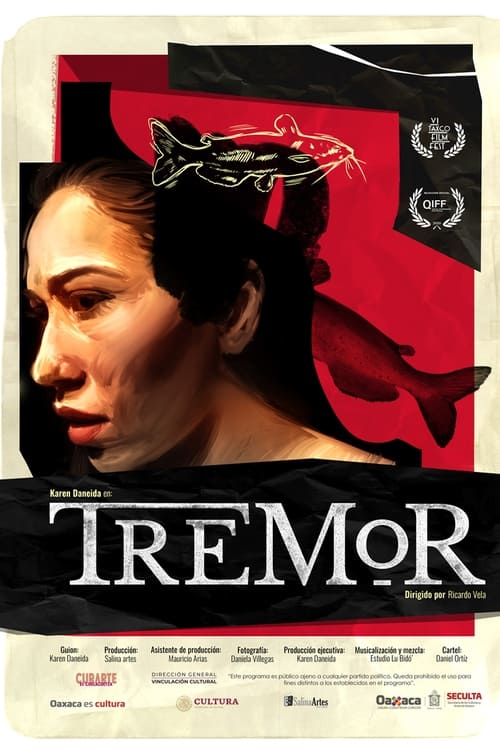
Documentary about the aftermath of the earthquake that shook Juchitán, on the Mexican Pacific coast. It tells the story of Dxani -muxe seamstress- and Jacinto -mason- and how their lives were radically changed by the strongest earthquake that hit this community; and the poor response of the corrupt authorities.
Sonar Rock City: Seattle is a journey through the city that caught our attention back in 1992 thanks to the grunge movement which today no longer exists. Still today the creative spirit runs through its veins with a new music scene that captures what Seattle is in its core.
1988 marked the year in which the debut album of the Chilean band De Kiruza - Oficial was released, where the single "Algo está pasando" stood out, the first Chilean rap recording.
On Oct. 17, 1989, at 5:04 p.m. PT, soon after Al Michaels and Tim McCarver started the ABC telecast for Game 3 of the World Series between the San Francisco Giants and the Oakland Athletics, the ground began to shake beneath Candlestick Park. Even before that moment, this had promised to be a memorable matchup: the first in 33 years between teams from the same metropolitan area, a battle featuring larger-than-life characters and equally colorful fan bases. But after the 6.9 Loma Prieta earthquake rolled through, bringing death and destruction, the Bay Area pulled together, and baseball took a backseat.
"The palm trees on the reverse are a delusion; so is the pink sand". This line, taken from a poem by Margaret Atwood, lights the path traced in "Postcard". As the years go by, landscapes transform, take on new meanings, and hold onto joys that will never be regained. The sea and the beach, once stages of happy summers, romances, and encounters, will turn into concentration camps or centers of detention and torture. This occurs across different times and places. In this piece, I embark on a journey through some of my works that explore the relationship between testimony, spaces, and time, engaging in dialogue with the beautiful film directed by Alejandro Segovia in 1972.
No Trailers found.