An elaborate ceremony marks the opening of the first Armenian church in England.
No Cast found.
Trailer
Stanley Kubrick’s short documentary about Father Fred Stadtmueller, a Catholic priest serving a vast 4,000-square-mile parish in rural New Mexico. To reach his scattered congregation, he pilots his own Piper Cub aircraft, the Spirit of St. Joseph. Over two days, Kubrick follows the “flying padre” as he conducts Mass, mediates between quarreling children, attends a funeral, and airlifts a sick child to medical care—capturing both the challenges and quiet heroism of his daily mission.
The social democrats of the sixties and seventies worked on their grand plan to build a highway network in Germany that every German citizen could reach within five minutes of their home. The little film hangs around between and on the streets of this network - where the country discos, pedestrian zones, shopping centers, hospitals and roads home are behind noise barriers.
The documentary tells the story of Uschi, a farmer living free and recluded in the bavarian alps. Shot in epic black and white pictures, Still follows Uschi's life over a ten year period. From an untroubled summer of making cheese through pregnancy and the uncertain future of the parental farm, Matti Bauer portrays Uschi's struggle to keep alive the dream of a way of life that has become rather untypical in this day and age.
No overview available.
It has been over one hundred years since M. K. Čiurlionis left his lasting imprint on Lithuanian culture. He was a composer, painter, genius, and madman who created an entirely new space, new context, and new universe.
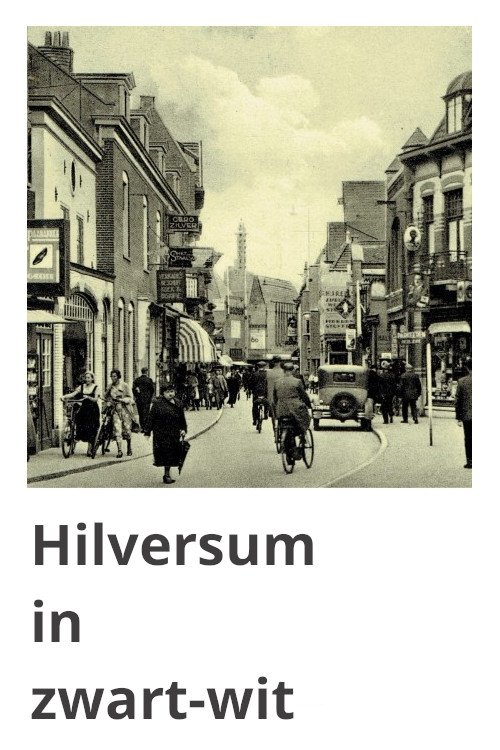
Hilversum in Black and White portrays Hilversum in the period 1924-1974. Using amateur footage and excerpts from Polygoon newsreels from that period, the film shows how the town grew from its five hundredth anniversary in 1924 to a city of one hundred thousand inhabitants. 'Hilversum in Black and White' is a production of the Hilversum Historical Circle Albertus Perk for the occasion of Hilversum's six-hundredth anniversary. They previously produced "Hilversum Occupied and Liberated, 1940-1945."
A cinematic portrait of the homeless population who live permanently in the underground tunnels of New York City.
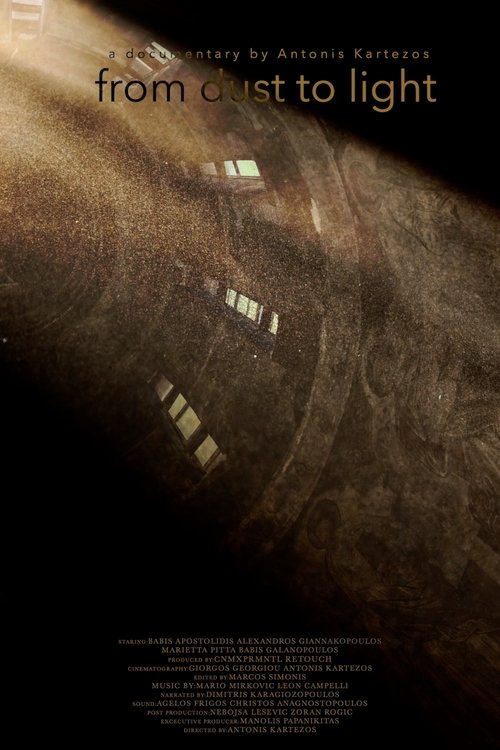
Filmed In the heart of the mountainous villages of Greece and North Macedonia, the documentary follows a group of conservators of antiquities and works of art on their journey, with the goal of preserving Byzantine iconography. The dialogue between them and the hagiographers of the past comes to life.
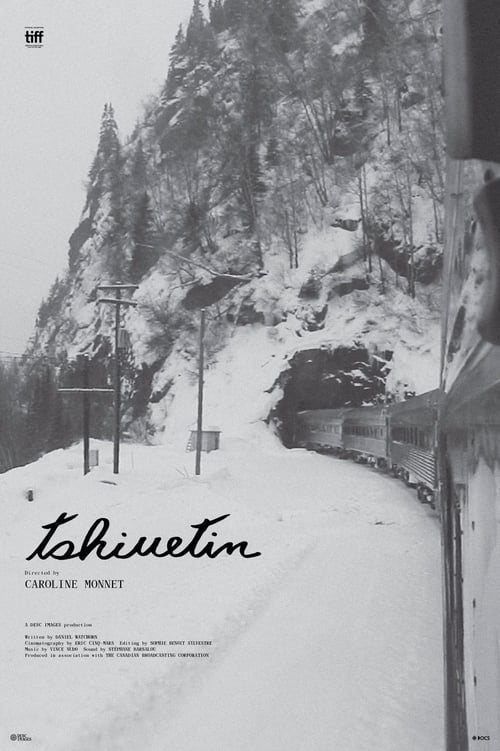
Take a breathtaking train a ride through Nothern Quebec and Labrador on Canada’s first First Nations-owned railway. Come for the celebration of the power of independence, the crucial importance of aboriginal owned businesses and stay for the beauty of the northern landscape.
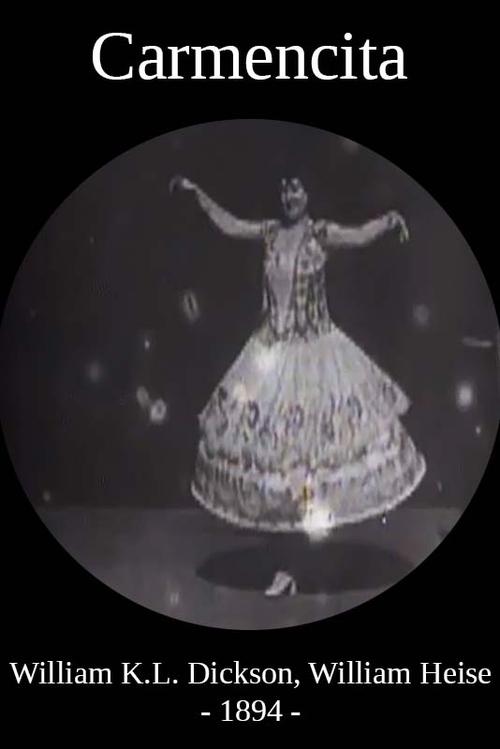
The first woman to appear in front of an Edison motion picture camera and possibly the first woman to appear in a motion picture within the United States. In the film, Carmencita is recorded going through a routine she had been performing at Koster & Bial's in New York since February 1890.
The Tsar visits the Russian embassy
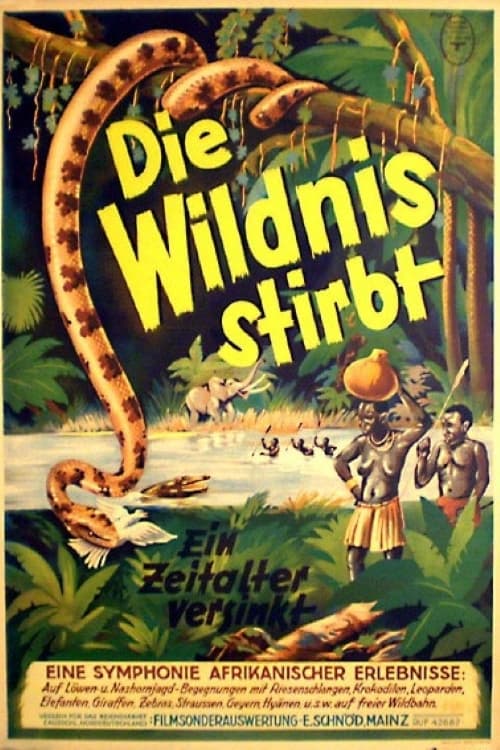
A reportage cross-cutting film about the development of Africa from 1900-1936, using archive footage and film material from earlier African expeditions.
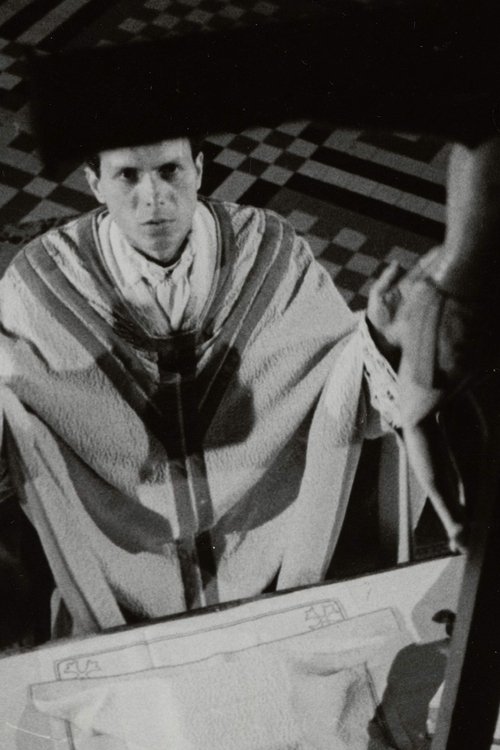
Following the example of an entomologist watching the behavior of insects Edmond Bernhard scrutinizes the doings and the words of a priest - assisted by his choirboys - in the process of saying his mass.
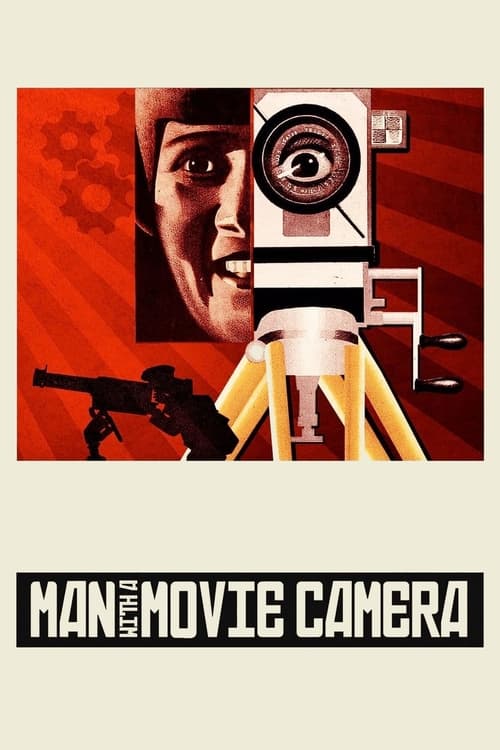
A cameraman wanders around with a camera slung over his shoulder, documenting urban life with dazzling inventiveness.
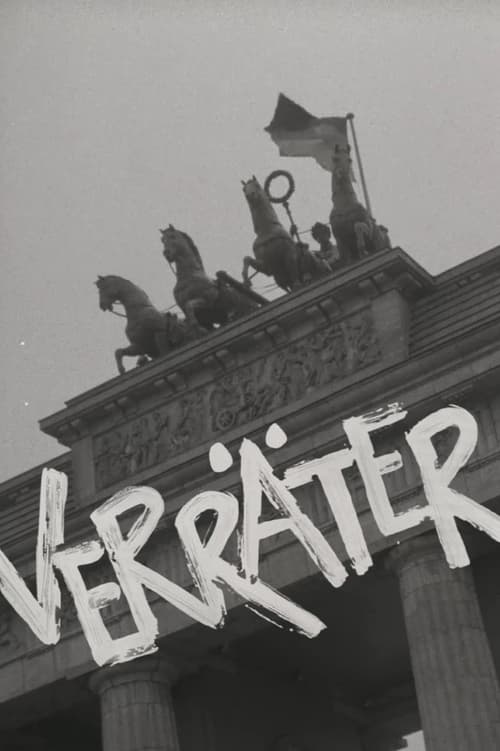
Documentary on the former border patrol sergeant Klein. Klein deserted in 1961, defected to the enemy and betrayed state and military secrets. He was caught by the security forces.
Documentary about the Protestant Church
The film shows the various stages of the Stahlhelm's integration into the NSDAP and the Third Reich.
A film about the Nuremberg Party Congress of the NSDAP in 1929.
The film shows the manufacture of a luxury edition of "Mein Kampf" on real parchment, handwritten.
The 5th anniversary of the inner-German wall to West Germany and West Berlin is on the agenda. The necessity of erecting the border is illustrated by comparing the situation in 1939 and the situation in the summer of 1961 with regard to the "threat of intervention" by the Western powers. Berlin people and GDR border guards are interviewed.