This late 1940s/early 1950s rather graphic color film about carelessness and safety operating heavy machinery is presented by Caterpillar.
Trailer
Describes how to resist the deception and pressure used to recruit members into cults and keep them there. It also provides advice on how to resist these tactics. The video is designed for young people, parents, educators, counselors, clergy, law enforcement officials, and others.
The dangers of LSD are driven home to teenagers in this classroom training film, which is "narrated" by an LSD tab. The "tab" tells kids that he is "a depth charge in the mind!" and various teenagers are shwn babbling about their LSD experiences. "Experts" are presented who warn that LSD makes kids "paint themselves green" and has various other horrible side effects, the most serious of which is that it gives users a police record, and that there is "no known way of getting your fingerprints out of a police file once they're in there."
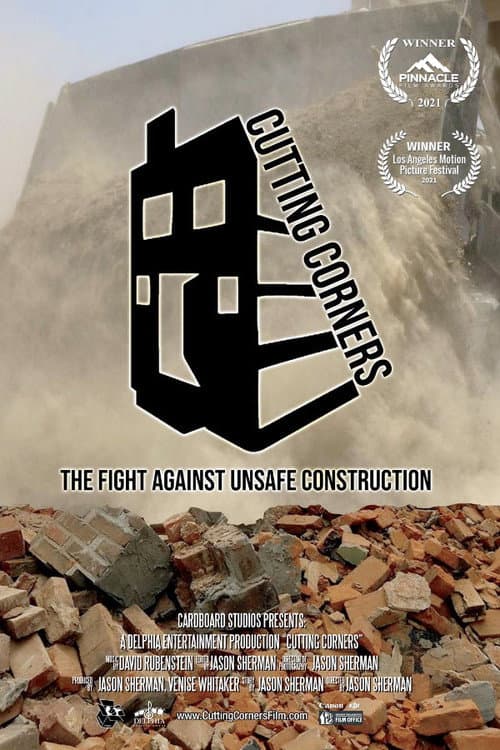
With building collapses happening around the country, activists band together to confront the real estate developers and hold them accountable for the construction destruction, lives they have destroyed, and deaths they have caused.
Discusses the effects of alcohol on the brain and behavior, particularly in relation to driving. It explains how alcohol impairs judgment, perception, coordination, and vital functions by affecting different brain regions. Factors influencing blood alcohol concentration (BAC) include the amount consumed, body size, sex, and the rate of consumption. The video also debunks myths about sobering up and emphasizes the importance of allowing time for alcohol to metabolize before driving. Even at BAC levels considered legally impaired, individuals may not recognize their diminished capabilities.
Discusses strategies for police officers to anticipate and respond to ambush situations. It highlights the importance of planning, training, and teamwork in counter-ambush tactics. The text emphasizes the need for officers to remain vigilant, vary their routines, and utilize effective communication to minimize risks during potential threats.
When Michelle Wong's brother, Philip, committed suicide at the age of 36, she felt that she had to find out why. Her film, Pieces of a Dream, is her attempt to understand her brother's death and to deal with his loss.
The film emphasizes the importance of safety during recreational activities, both at home and in nature. It shares various scenarios involving children using power tools, chemicals, and playground equipment, highlighting risks such as improper use of electric cords, unsafe play habits, and the dangers of firearms. The film also provides safety tips for outdoor activities like hiking and camping, stressing the need for caution around potentially hazardous elements like poisonous plants and proper gun handling. The overarching message is to always prioritize safety to prevent accidents while enjoying recreation.
An in depth look at the full effect of State Lotteries on the players and the people around them.
A day-to-day record of the construction of the Confederation Bridge linking Prince Edward Island to the mainland, Abegweit reveals some of the innovations that made this mammoth project one of the most impressive engineering feats in Canadian history.
This short cautionary training film examines dangers associated with earthmoving equipment operation, showing many simulated accidents on construction sites.
A daring exploration of the intersection of religion, patriarchy, and gender oppression in India, unearthing how rituals, customs, and cultural double standards—often sanctified in the name of faith—perpetuate misogyny across generations.
Hospital staff are reporting more violence and anti-social behaviour than ever before. In 2015, 8 staff were assaulted every hour – a new record high. At The Queen Elizabeth Hospital in Birmingham – one of the UK’s biggest hospitals – they think they have the answer. Here a private security force of 46 uniformed guards, and a sophisticated CCTV system, keep staff and patients safe. A colourful mixture of characters ranging from ex-soldiers, to bouncers, to former elite sportsmen, it’s the security team’s job to keep the hospital running smoothly. With more than 2 million visitors they have to deal with all aspects of crime and anti-social behaviour. All against a back drop of life changing and life saving procedures.
No overview available.
The film emphasizes the importance of safety when using power tools in a workshop. It outlines key safety practices, such as using guards, securing materials, and wearing protective gear like safety glasses. The film also covers specific tool usage tips, including the correct handling of cutting machines, drills, grinders, and lathes, stressing that safety precautions should never be neglected. Proper maintenance and awareness of tool settings are crucial to prevent accidents.
Las Vegas — to many it's a 24-hour fantasy world filled with showgirls, high rollers and outrageous theme hotels. With a roll of the dice, 75 year-old Lou stakes everything to retire and start a new life there. But beneath the glittering surface of the city, Lou discovers a world quite different from his dreams. This compassionate portrait follows Lou and several other residents over a two-year period, documenting a community living in the shadow of the Las Vegas strip, where gambling is a constant temptation and reality is more subtle and stirring than any game.
A more experimental aproach to labor protection films. In the line of Săucan's style, the soundtrack is as important as the image, the threatening music, full of shrillness, composed by Ion Dumitrescu potentiating the visual construction that mixes - in a montage reminiscent of the Soviet avant-garde school of the 1920s - all kinds of shooting techniques and frame combinations.
This color educational film is a driver's safety film about city driving. There is no copyright at the beginning or end of the film so the date of the production appears to be the mid to late 1970s.
This highway scare film produced by the Highway Safety Foundation in 1971, "Decade of Death", is a retrospective of the organization's 10 years of gory, shocking social guidance films which aimed to promote traffic safety and driver responsibility through the display of bloody and horrific footage of traffic crashes.The Highway Safety Foundation made driver scare films such as "Signal 30," "Mechanized Death," and "Highways of Agony" that intended to encourage drivers to drive responsibly and with consideration of the risks and consequences. It was the organization's belief that crash footage, while horrific, was the best way to convey the importance of driving safely.
In this film, a police officer tells children about the dangers of accepting rides or presents from strangers, and relates the unfortunate stories of several children who did and were never seen again.
“The NFL Today” on CBS was one of the preeminent sports programs on television in the early 1980s. It was a perfect combination of reporting, analysis, predictions, humor and talent. But there was no personality on the show more popular than Jimmy “The Greek” Snyder. Born in Steubenville, Ohio, to Greek immigrants, Jimmy overcame childhood tragedy, moved to Las Vegas, and eventually became the biggest name in the world of sports handicapping. When CBS added him as an “analyst” on “The NFL Today,” “The Greek” not only further increased his stature as a sort of national folk hero, but he also gained an air of respectability never before associated with gamblers. Peabody Award-winning filmmaker Fritz Mitchell, who broke in as an intern on “The NFL Today,” will examine Snyder’s impact on the growth of sports gambling, while also taking a fresh look at The Greek’s tragic downfall.
No Cast found.