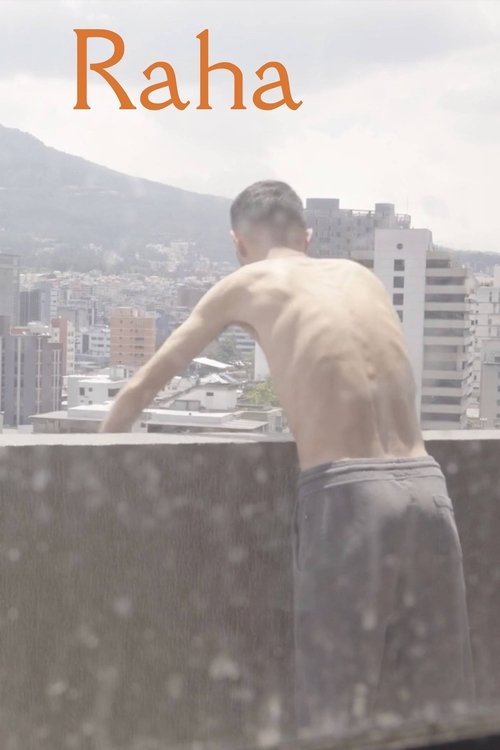
A portrait of a queer HIV+ Iranian refugee in Quito.
No Cast found.
No Trailers found.
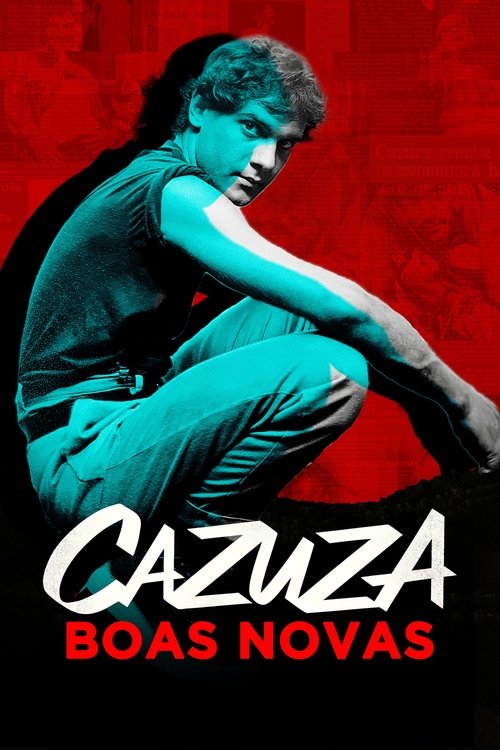
It explores the last two years of Brazilian singer Cazuza's life, from his AIDS diagnosis until his death. Nilo Romero, Cazuza's music producer and the film's director, created a collection of rarely seen and controversial images.
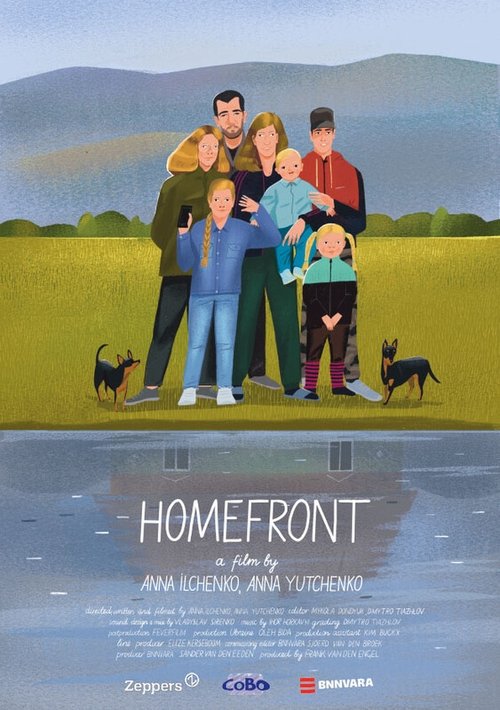
A family with five children flees the war raging in their home village on the Russian border. They end up in Mshanets, a farming village on the other side of the country, remote and unknown. Here the family starts building a new home. At the same time, two documentary makers come to the village, looking for a story. In the Lymar family they find the ideal characters for their film. But one day, when the renovation of their house is almost finished, the family disappears. The filmmakers go in search of their characters and along the way they try to find an answer to the question: what does a person need to feel at home?
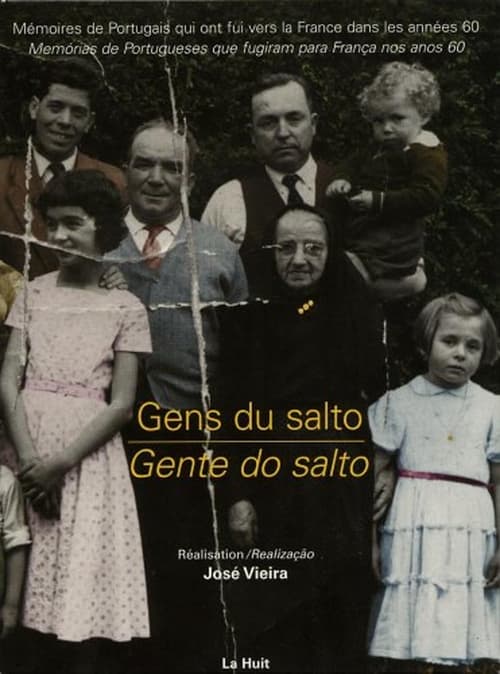
At the beginning of the 60's, thousands of Portuguese turned up in France through the underground. They were fleeing misery, war and repression. Left to unscrupulous smugglers, they had to cross the Iberian Peninsula tracked by the Portuguese and Spanish police. For many, the voyage towards France turned into a disaster. As a child in a shantytown, the author remembers having heard about these terrible odysseys. Thirty years later, he goes in search of the stories of his childhood and seeks to understand what sparked this unprecedented emigration known as the "plebiscite by foot" against Salazar. Between childhood memories and historical investigation, he looks for the images of this exodus, the largest in post-war Europe.
The inhabitants of the canyon of river Kupa, located on the border between Croatia and Slovenia, have historically been united due to their harsh living conditions, but this peaceful cohabitation between members of different cultures is threatened by the construction of iron fences to prevent the transit of refugees from Bosnia.
This follow-up to the 1989 documentary ONE YEAR IN A LIFE OF CRIME revisits three of the original subjects in New Jersey during a five-year period in the 1990s. We share in their triumphs and setbacks as they navigate lives of poverty, drug abuse, AIDS, and petty crime.
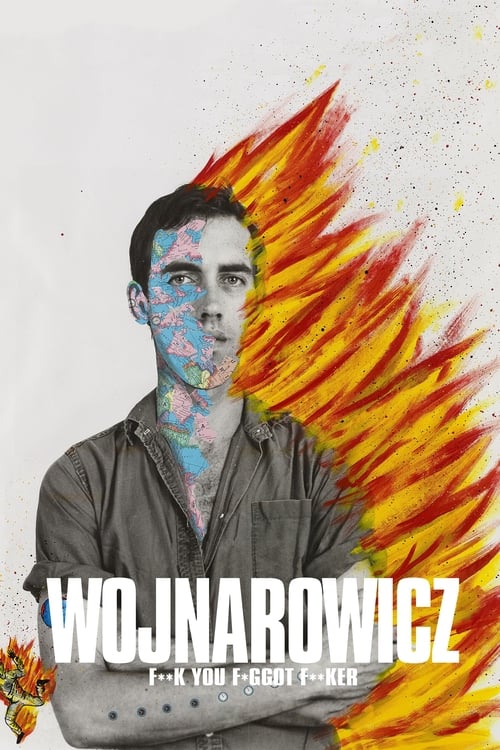
A collage-like, incisive look at the life of writer, painter and thinker David Wojnarowicz, whose powerful, unapologetic way of seeing the world gave voice to queer rights at a critical time in US history.
Amid December’s festive glow, refugees remain hidden in forests along the Poland-Belarus border. This powerful documentary gives voice to their silent cries.
No overview available.
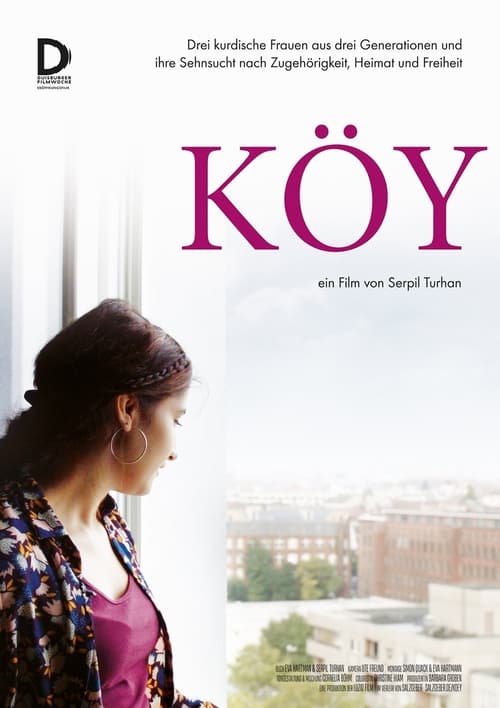
KÖY (Turkish for village) is about the longing for home, for belonging and the freedom of the self. Three women from three generations are united by their Kurdish roots.
An experimental documentary engaging with decades of DIY activist media, two death bed/legacy videos, and the wisdom of many living AIDS workers, as we all sit together in one (changing) format, video—VHS, hi-8, digital, Zoom—to address these and other questions: How do neighborhoods, sweaters and scarves, videotapes and queer bars hold ghosts? How do we let them go?
This anthology film, whose Chinese title begins with a romantic name for human excrement, premiered internationally at Rotterdam and won Best Screenplay from the Hong Kong Film Critics Society. A variety of Hong Kong people wrestle with nostalgia when facing an uncertain future. Their stories give way to a documentary featuring a young barista turned political candidate.
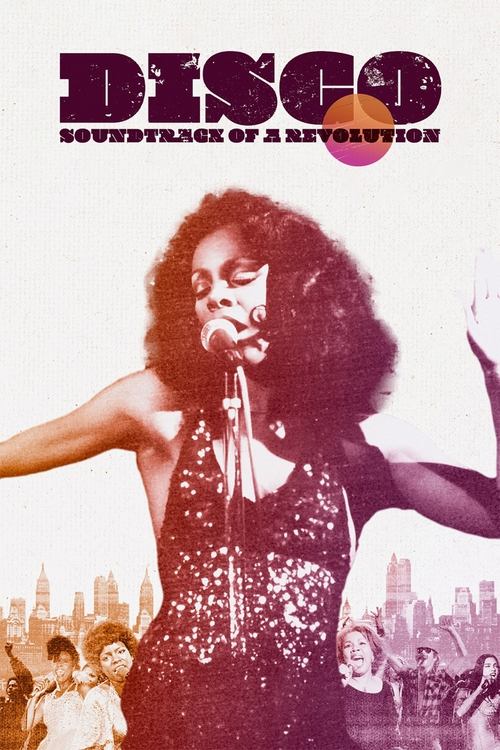
From the sweaty basement bars of 70s New York to the glittering peak of the global charts, how disco conquered the world - its origins, its triumphs, its fall and its legacy.
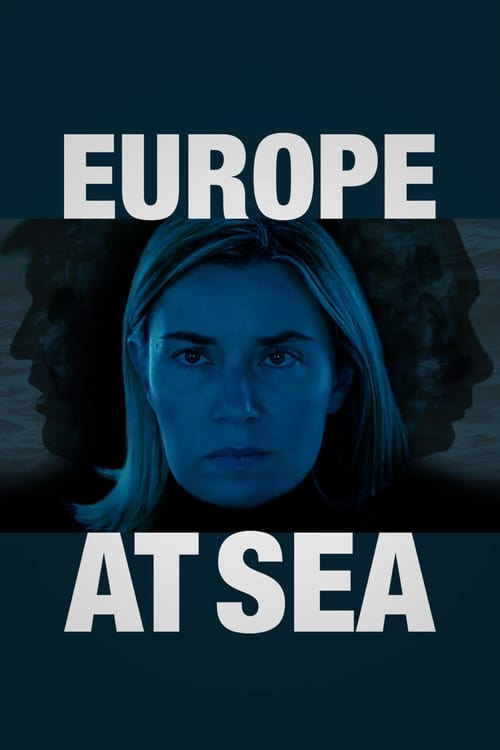
Exclusive access to chief diplomat of the EU Federica Mogherini as Europe faces a crumbling world order.
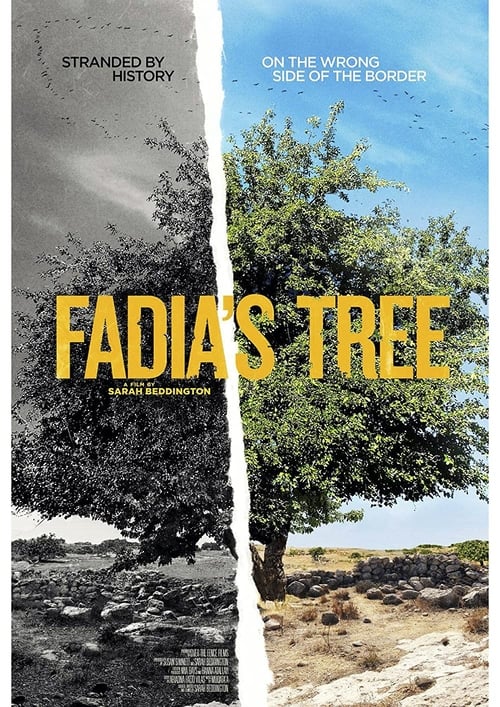
While millions of birds migrate freely in the skies above, Fadia, a Palestinian refugee stranded in Lebanon, yearns for the ancestral homeland she is denied. When a chance meeting introduces her to the director, Sarah, she challenges her to find an ancient mulberry tree that once grew next to her grandfather’s house in historic Palestine, a tree that stands witness to her family’s existence.
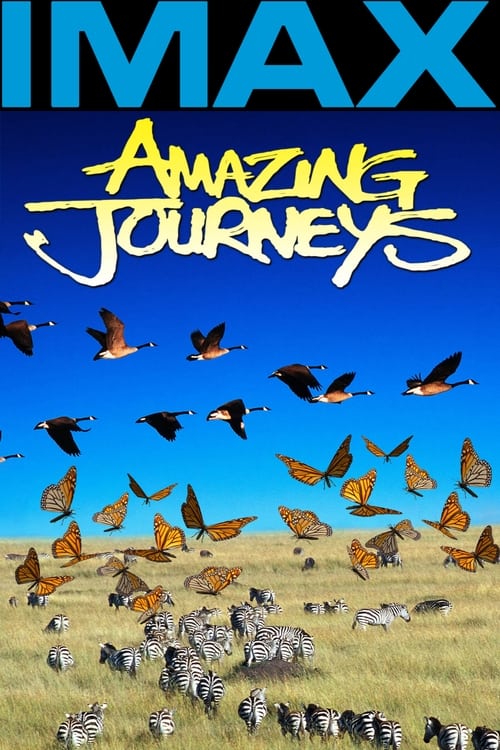
By land, by air, and by sea, viewers can now experience the struggle that millions of creatures endure in the name of migration as wildlife photographers show just how deeply survival instincts have become ingrained into to the animals of planet Earth. From the monarch butterflies that swarm the highlands of Mexico to the birds who navigate by the stars and the millions of red crabs who make the perilous land journey across Christmas Island, this release offers a look at animal instinct in it's purest form.
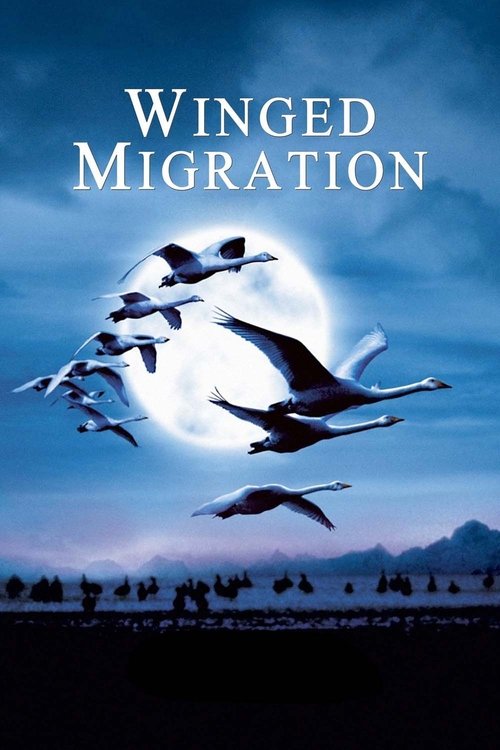
This documentary follows various migratory bird species on their long journeys from their summer homes to the equator and back, covering thousands of miles and navigating by the stars. These arduous treks are crucial for survival, seeking hospitable climates and food sources. Birds face numerous challenges, including crossing oceans and evading predators, illness, and injury. Although migrations are undertaken as a community, birds disperse into family units once they reach their destinations, and every continent is affected by these migrations, hosting migratory bird species at least part of the year.
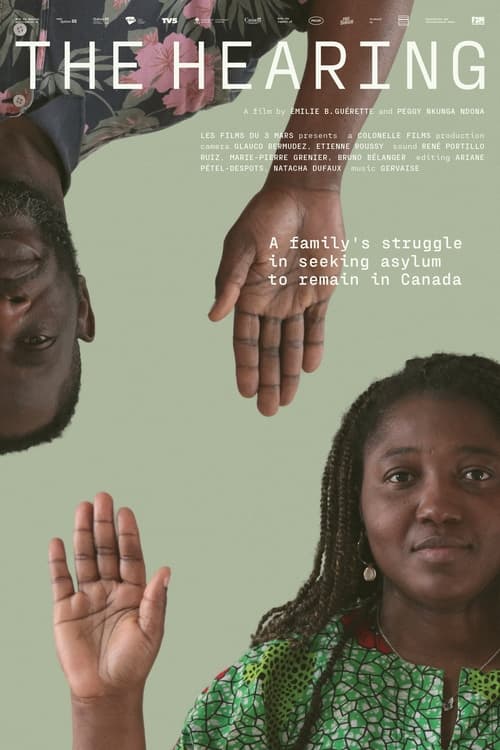
After crossing 11 countries irregularly to seek asylum in Canada, Peggy, Simon and their three children are waiting for the hearing that will determine whether they get refugee status or not. Having fled political repression in the Democratic Republic of the Congo, the family tries to rebuild a peaceful life in Montreal, in spite of the constant threat of deportation. Between ghosts from the past, hopes for the future, a complex legal maze and seemingly endless trial, the film delves into the struggle of the Nkunga Mbala family to remain in Canada. Offering unprecedented access to their hearing before the Immigration and Refugee Board, the film unveils the opaque process of claiming asylum in Canada.
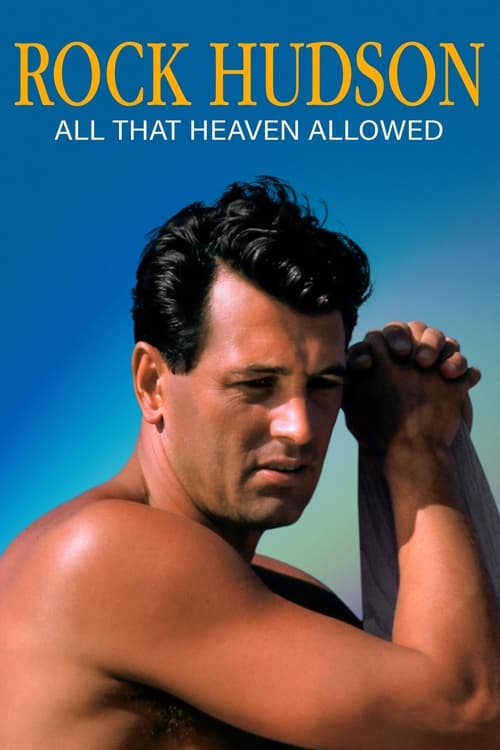
This timely exploration of Hollywood and LGBTQ+ identity examines the life of legendary actor Rock Hudson, from his public "ladies' man" persona to his private life as a gay man.
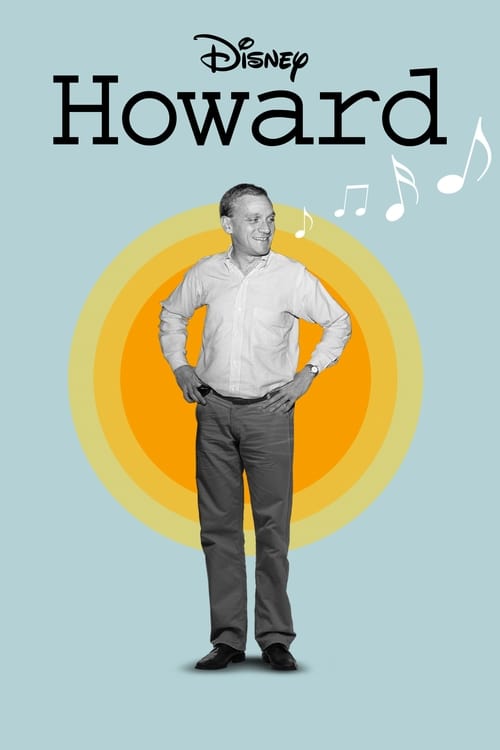
Though legendary lyricist Howard Ashman died far too young, his impact on Broadway, movies, and the culture at large were incalculable. Told entirely through rare archival footage and interviews with Ashman’s family, friends, associates, and longtime partner Bill Lauch, Howard is an intimate tribute to a once-in-a-generation talent and a rousing celebration of musical storytelling itself.
The story behind the Uganda-based YouTube dance sensations who have endured devastating personal loss from famine and war, and use the power of dance and song to overcome hardship.