Tanzanian queer singer Tofa Jaxx in conversation with HIV/Trans activist Aunty Ali, exploring issues of sex work, gender and being out.
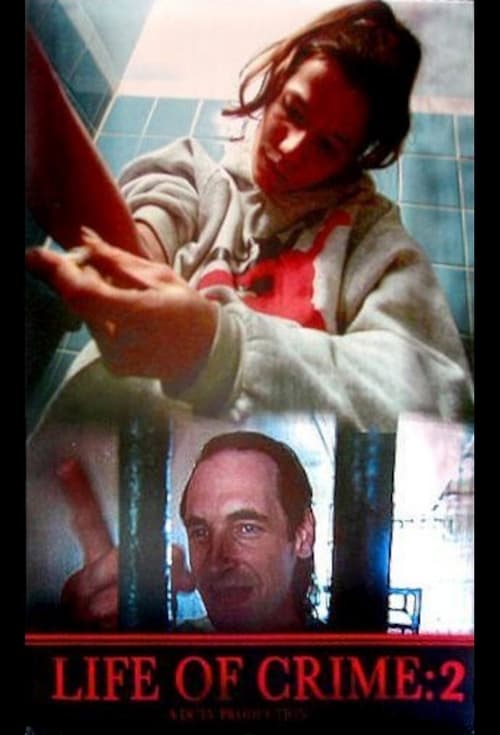
This follow-up to the 1989 documentary ONE YEAR IN A LIFE OF CRIME revisits three of the original subjects in New Jersey during a five-year period in the 1990s. We share in their triumphs and setbacks as they navigate lives of poverty, drug abuse, AIDS, and petty crime.
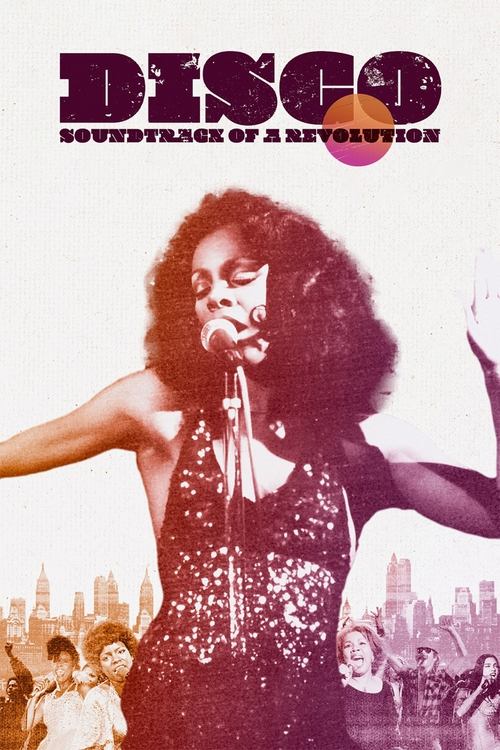
From the sweaty basement bars of 70s New York to the glittering peak of the global charts, how disco conquered the world - its origins, its triumphs, its fall and its legacy.
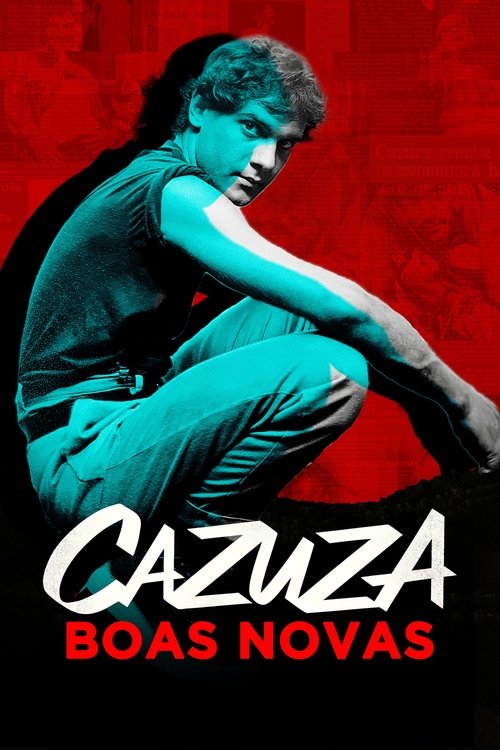
It explores the last two years of Brazilian singer Cazuza's life, from his AIDS diagnosis until his death. Nilo Romero, Cazuza's music producer and the film's director, created a collection of rarely seen and controversial images.
An experimental documentary engaging with decades of DIY activist media, two death bed/legacy videos, and the wisdom of many living AIDS workers, as we all sit together in one (changing) format, video—VHS, hi-8, digital, Zoom—to address these and other questions: How do neighborhoods, sweaters and scarves, videotapes and queer bars hold ghosts? How do we let them go?
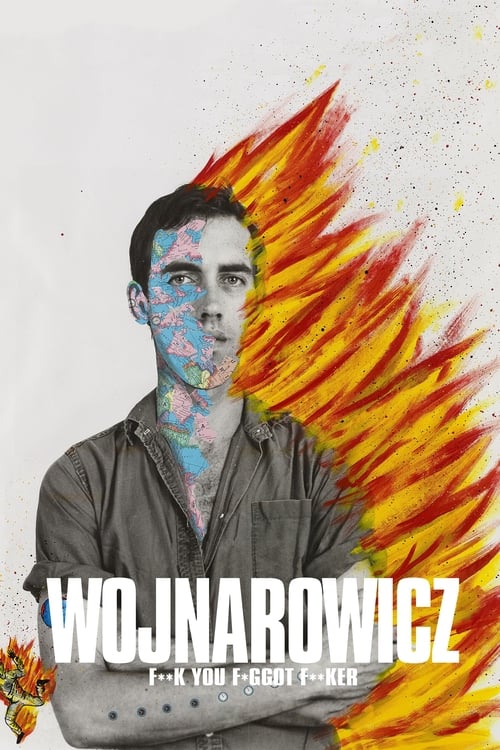
A collage-like, incisive look at the life of writer, painter and thinker David Wojnarowicz, whose powerful, unapologetic way of seeing the world gave voice to queer rights at a critical time in US history.
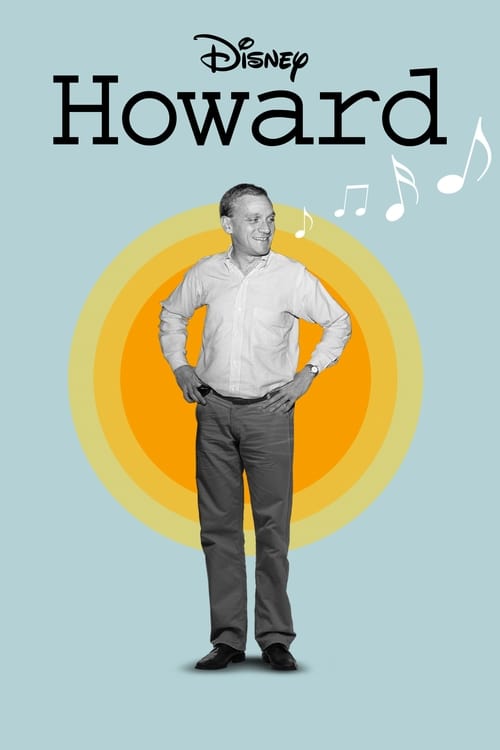
Though legendary lyricist Howard Ashman died far too young, his impact on Broadway, movies, and the culture at large were incalculable. Told entirely through rare archival footage and interviews with Ashman’s family, friends, associates, and longtime partner Bill Lauch, Howard is an intimate tribute to a once-in-a-generation talent and a rousing celebration of musical storytelling itself.
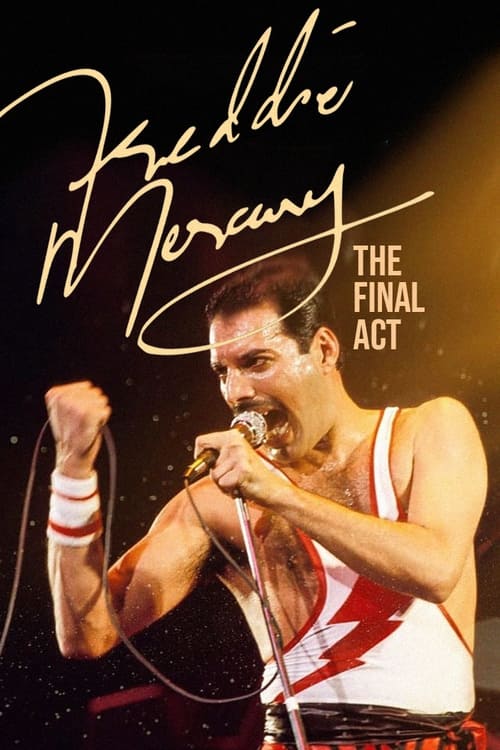
The story of the extraordinary final chapter of Freddie Mercury’s life and how, after his death from AIDS, Queen staged one of the biggest concerts in history, the Freddie Mercury Tribute Concert at Wembley Stadium, to celebrate his life and challenge the prejudices around HIV/AIDS. For the first time, Freddie's story is told alongside the experiences of those who tested positive for HIV and lost loved ones during the same period. Medical practitioners, survivors, and human rights campaigners recount the intensity of living through the AIDS pandemic and the moral panic it brought about.
The story behind the Uganda-based YouTube dance sensations who have endured devastating personal loss from famine and war, and use the power of dance and song to overcome hardship.
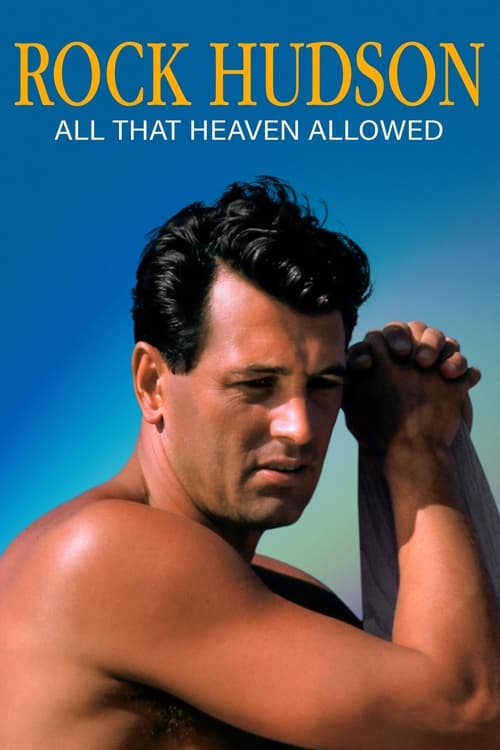
This timely exploration of Hollywood and LGBTQ+ identity examines the life of legendary actor Rock Hudson, from his public "ladies' man" persona to his private life as a gay man.
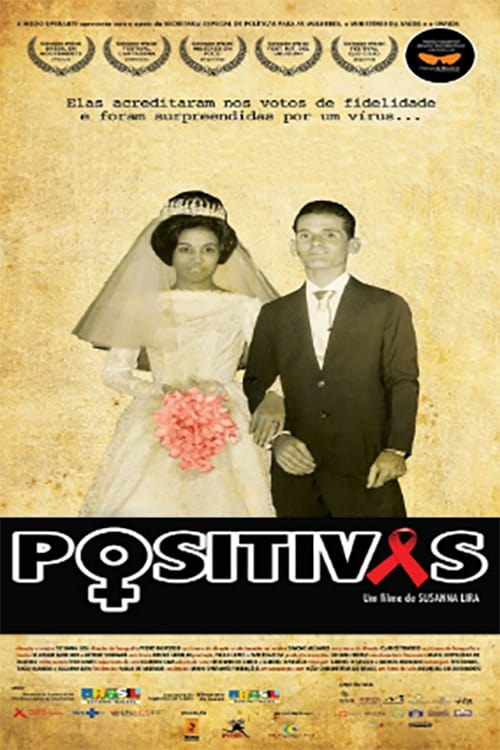
The film presents the experiences of women who contracted the AIDS virus from their husbands or steady partners, and highlights the main factors responsible for the feminisation of the disease in Brazil.
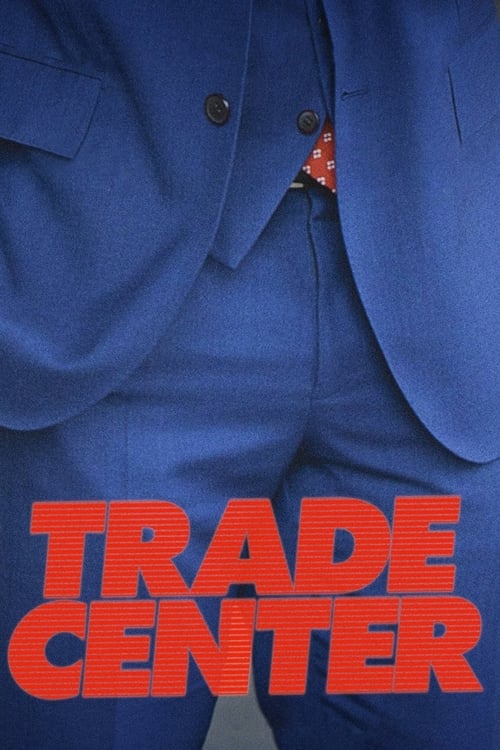
The voices of five gay men who cruised for sex at the World Trade Center in the 1980s and 1990s haunt the sanitized, commerce-driven landscape that is the newly rebuilt Freedom Tower campus.
At the height of the AIDS crisis, many gay men sold their life insurance policies to investors for quick cash. This documentary charts the rise and fall of the hundred-million-dollar “gay-death-profiteering” industry that grew out of their desperation, and spotlights one of its earliest investors: the filmmaker’s father.
Different experts make a stand against today's putatively criminal and harmful health system, focusing on Anthony Fauci and his role in the shaping of the AIDS and COVID-19 epidemics.
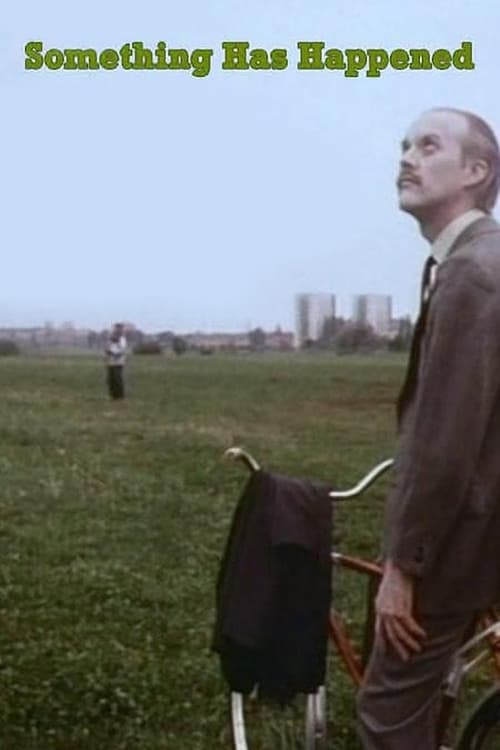
As the AIDS epidemic was spreading in 1987, the Swedish government commissioned Roy Andersson to make an educational film about the disease. In these twenty or so monotone scenes, Andersson criticizes the medical community for its dehumanizing and racist tendencies when researching HIV and AIDS.
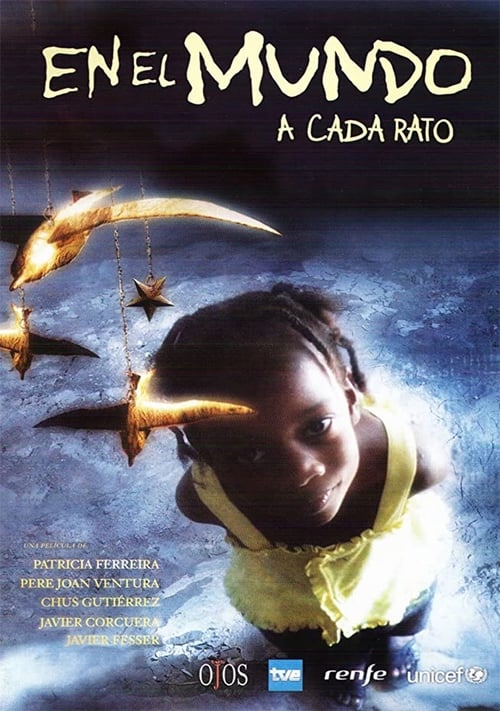
Five documentary shorts about various children from the third world.
A group of teenagers who have been selected to participate in a recreational white water rafting trip. All of the kids selected have AIDS or have been infected with the HIV virus. At some point during the trip, all the kids tell their stories and share their feelings about what their lives have been like since being infected with the virus and how they struggle to live normal lives with a hope of a cure in the future.
AIDS, Inc. is a film about the multi-billion dollar AIDS industry, and how it profits from continuing fears and misconceptions about the disease.
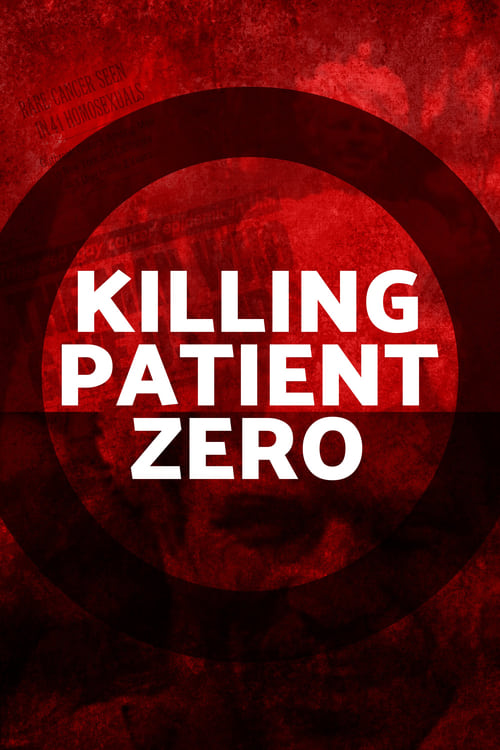
After the Stonewall riots and at the height of the gay liberation movement in America, an entire generation were busy celebrating their newfound emancipation, unaware of an impending epidemic. A disease that seemed determined to wipe out an entire generation of gay men, was largely ignored by politicians and the mainstream media. Gaetan Dugas was a French-Canadian flight attendant, who offered to help early scientific research into the origins of AIDS. An unfortunate series of events followed and he would be vilified as Patient Zero, the man who gave us AIDS.
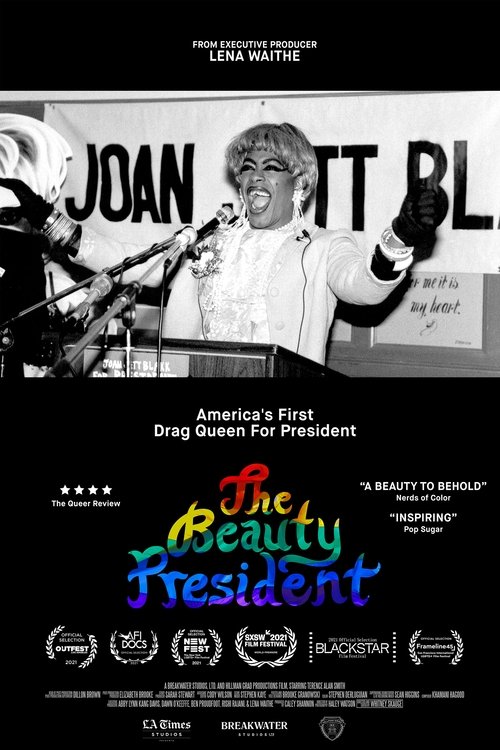
In 1992, at the height of the AIDS pandemic, activist Terence Alan Smith made a historic bid for president of the United States as his drag queen persona Joan Jett Blakk. Today, Smith reflects back on his seminal civil rights campaign and its place in American history.
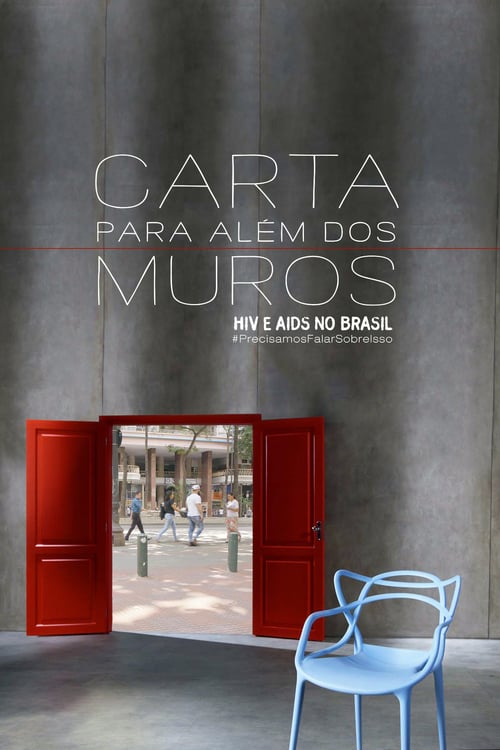
Letter Beyond the Walls reconstructs the trajectory of HIV and AIDS with a focus on Brazil, through interviews with doctors, activists, patients and other actors, in addition to extensive archival material. From the initial panic to awareness campaigns, passing through the stigma imposed on people living with HIV, the documentary shows how society faced this epidemic in its deadliest phase over more than two decades. With this historical approach as its base, the film looks at the way HIV is viewed in today's society, revealing a picture of persistent misinformation and prejudice, which especially affects Brazil’s most historically vulnerable populations.
No Trailers found.
Themself