A sitting man listens to his thoughts, but can't catch any of them.
Technological advances and cultural development have disrupted the balance between humankind and other animals. Instead of looking at similarities, we focus on differences. Coexistence has been replaced by dominance. We have forgotten that we live in a house that does not belong only to us. However, the ties between humans and other inhabitants of the animal kingdom have not been irreversibly broken. In his visual essay, which is both intimate and philosophical, Alessandro Cattaneo focuses specifically on those things that connect us. The statements of thinkers and idyllic shots of interspecies interactions indicate that if we change the way in which we think about animals, it will be beneficial for the entire ecosystem.
The innovative and influential British filmmaker Derek Jarman was invited to direct the Pet Shop Boys' 1989 tour. This film is a series of iconoclastic images he created for the background projections. Stunning, specially shot sequences (featuring actors, the Pet Shop Boys, and friends of Jarman) contrast with documentary montages of nature, all skillfully edited to music tracks.
People constantly appear walking through passageways in the films of Japanese filmmaker Yasujirō Ozu (1903-63). His art resides in the in-between spaces of modern life, in the transitory: alleys are no longer dark and threatening traps where suspense is born, but simple places of passage.
The personal stories lived by the Uncle, the Father and the Son, respectively, form a tragic experience that is drawn along a line in time. This line is comparable to a crease in the pages of the family album, but also to a crack in the walls of the paternal house. It resembles the open wound created when drilling into a mountain, but also a scar in the collective imaginary of a society, where the idea of salvation finds its tragic destiny in the political struggle. What is at the end of that line? Will old war songs be enough to circumvent that destiny?
A roll and a half made to delight in color and the presence of friends. Steps toward learning to read in the dark.
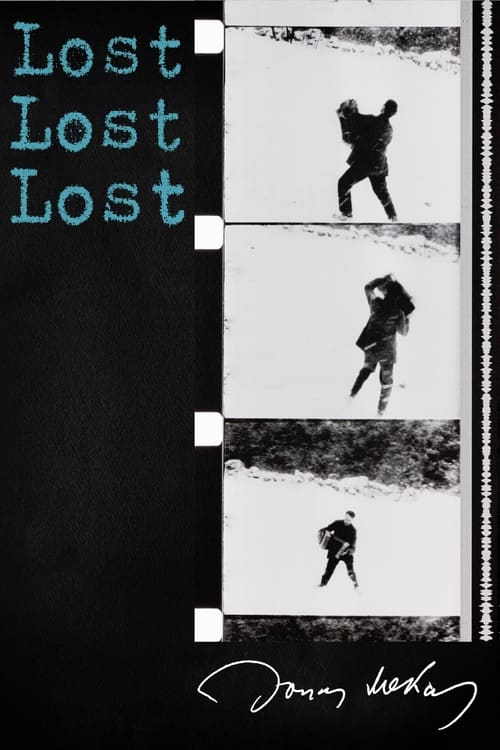
Drawn from footage shot between 1949 and 1963, Jonas Mekas’s autobiographical diary film chronicles his early years in exile, capturing the struggle to build a new life in New York and his gradual discovery of a vibrant artistic community.
Stream of consciousness awakened by the shots of an inauspicious summer.
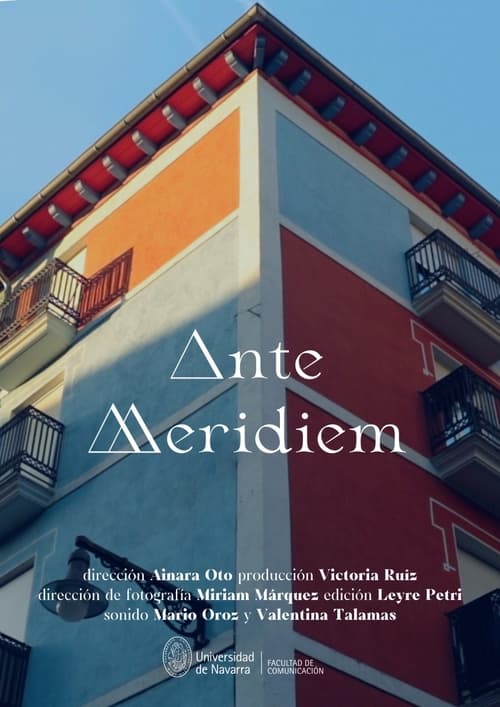
Ante Meridiem is a sensory journey through the first hours of dawn. Kind but vehement, he explores the dichotomy between silence and bustle, patience and haste, taking both to their ultimate consequences.
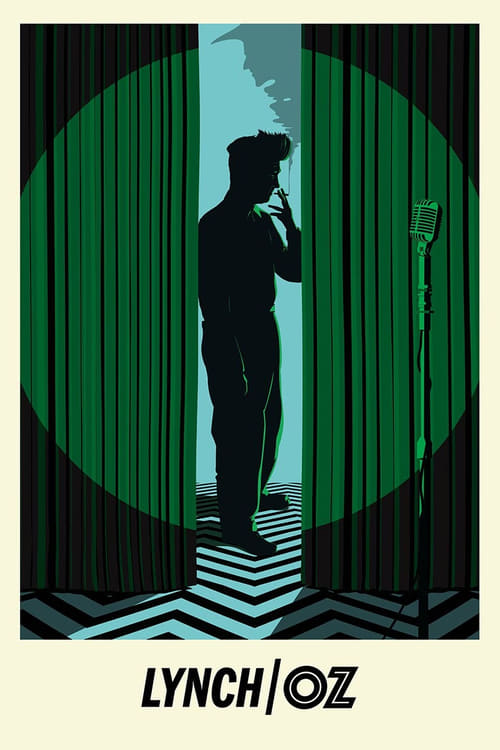
Victor Fleming’s 1939 film The Wizard of Oz is one of David Lynch’s most enduring obsessions. This documentary goes over the rainbow to explore this Technicolor through-line in Lynch’s work.
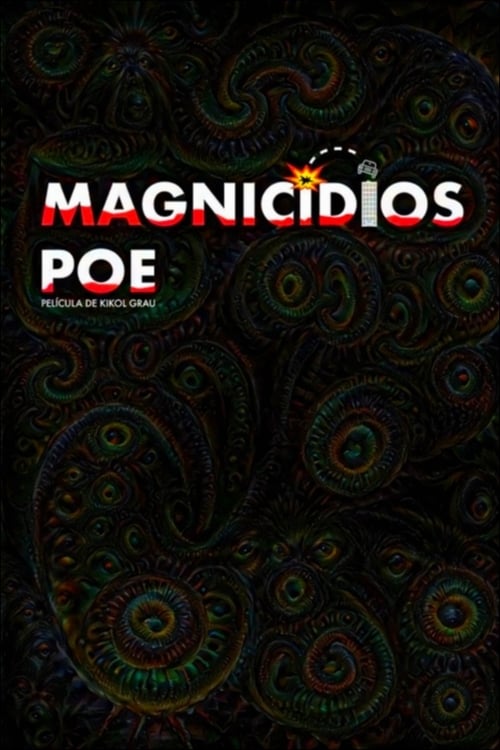
The sarcastic account of the assassination of five Spanish politicians between 1870 and 1973 is mixed with the narration of five short stories by Edgar Allan Poe illustrated by five skillful pencil artists. A documentary, a video essay, a collage, a provocative experiment where various pop culture figures and icons perform unexpected cameos. The macabre joke of a jester. Never more.
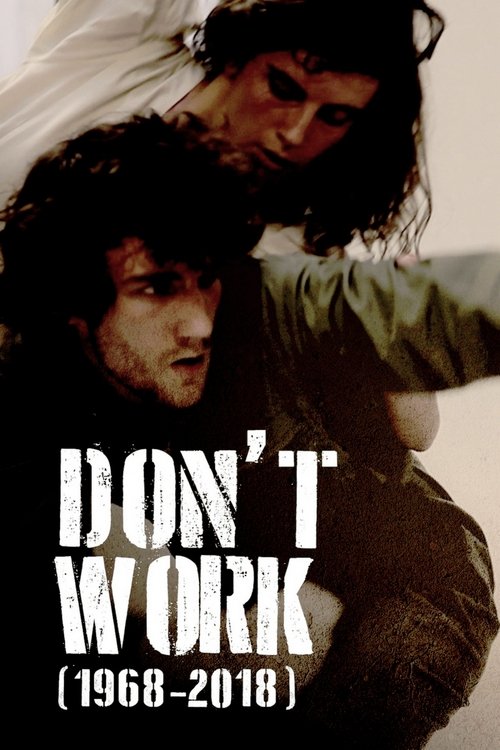
A year in the life of Elsa Michaud and Gabriel Gauthier, students of Fine Arts in Paris, lovers in troubled times, overwhelmed by maddening verbal and auditory stimuli, witnesses of a globalized violence more visible than ever in a chaotic digital era, in which the slow execution of simple gestures in a silent performance is an act of resistance.
A short experimental film about the human race taking over nature.
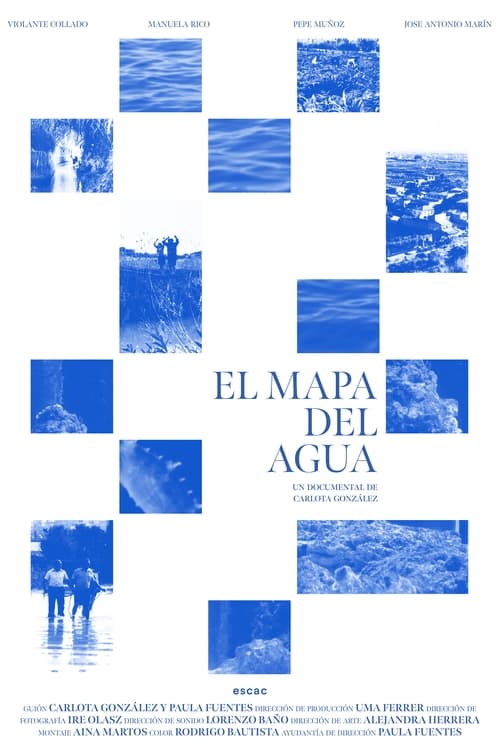
The Water Map is an essayistic journey through the ethnography and landscapes of the Region of Murcia. These places are in the process of disappearing due to the increasing and abundant agricultural exploitation. Water has marked the territory and the culture of the area, and with its disappearance, the memories of four characters fade away.
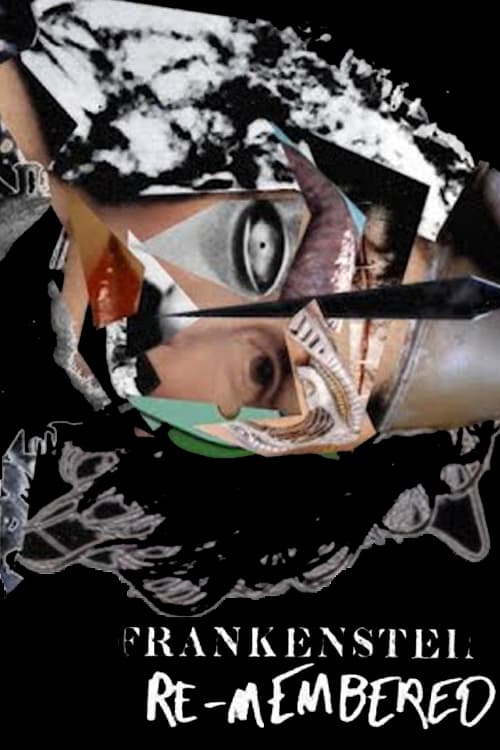
Since its publication 200 years ago, Mary Shelley’s Frankenstein has influenced vast swathes of popular culture. Adaptations have starred cinema legends from Boris Karloff to Robert De Niro – and even Alvin and the Chipmunks. From tales of science gone mad (Jurassic Park) to stories of understanding the other (ET, The Hulk, Arrival), traces of the story and its themes have spread across our media. With Frankenstein Re-membered, video artist and film historian Chris Gerrard collects these diverse fragments from the birth of cinema until the present day and in the tradition of Victor Frankenstein himself, attempts to stitch them back together into an adaptation of the original Shelley novel.
Bern, 1979: a tower block called Tscharnergut. A group of friends get together to make a film about their experiences growing up in suburban Switzerland.
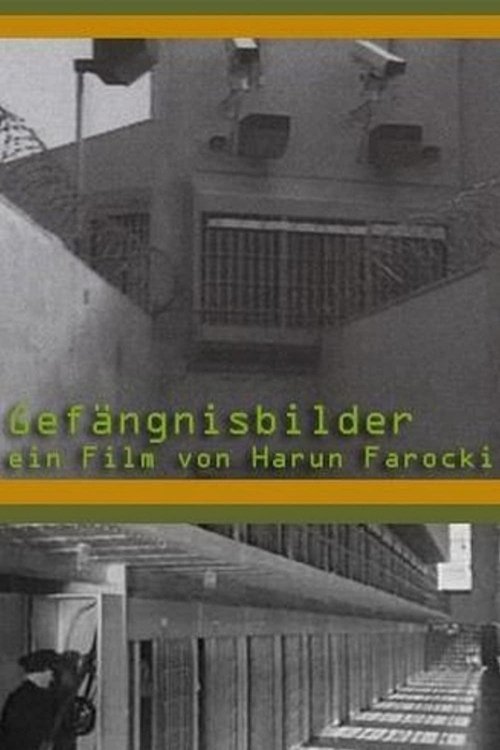
A film composed of images from prisons. Quotes from fiction films and documentaries as well as footage from surveillance cameras. A look at the new control technologies, at personal identification devices, electronic ankle bracelets, electronic tracking devices.
No overview available.
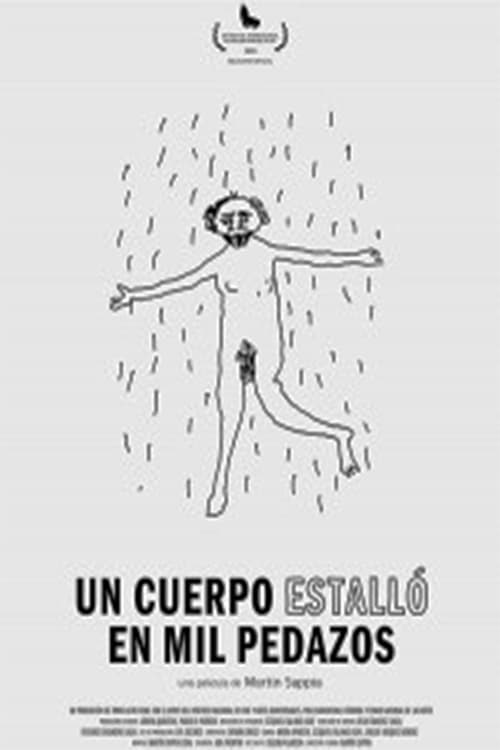
A life marked by wandering. A character that leaves no traces or maps to trace. The file does not give an account of him. His works had no scripts and only existed in the fugacity of the moment. Jorge Bonino was an unclassifiable artist. He triumphed in all of Europe without a translator, he only used an invented language that everyone understood. An imaginary friend mapped the traces his body left in space through stories about a possible life.
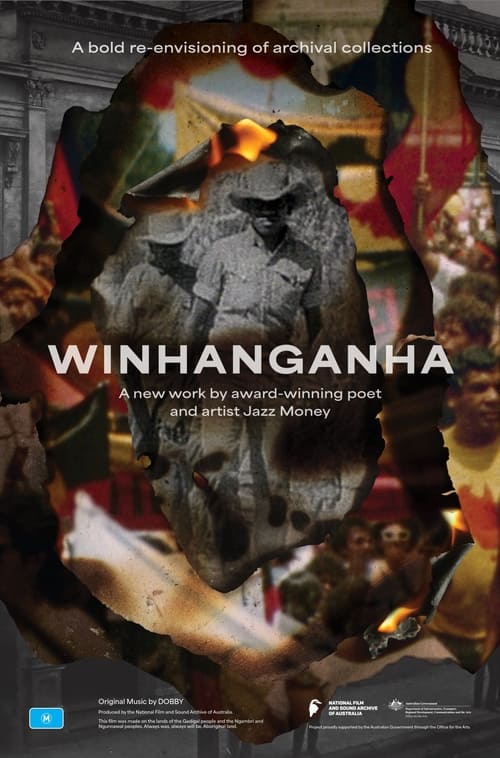
WINHANGANHA (Wiradjuri language: Remember, know, think) - is a lyrical journey of archival footage and sound, poetry and original composition. It is an examination of how archives and the legacies of collection affect First Nations people and wider Australia, told through the lens of acclaimed Wiradjuri artist, Jazz Money.
No Trailers found.