No Trailers found.
An account of the last two centuries of the Anthropocene, the Age of Man. How human beings have progressed so much in such a short time through war and the selfish interests of a few, belligerent politicians and captains of industry, damaging the welfare of the majority of mankind, impoverishing the weakest, greedily devouring the limited resources of the Earth.
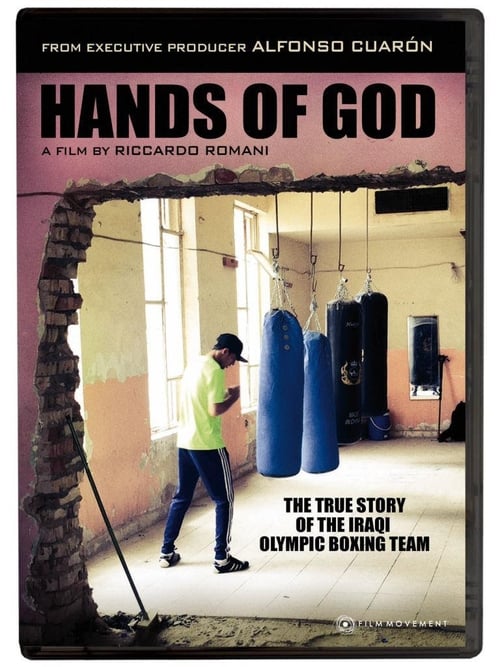
Thirteen years of war. Dozens of car bombings every month. One goal: to become an Olympic champion. The true story of grit and determination, of young men literally fighting for their lives one day on the battlefields of Iraq and competing to fight for their Nation the next one. Despite living under the persistent threat of ISIS, these athletes will strive to accomplish their task. The amazing journey of the Iraq National Team from obscurity and desperation to the edge of an historical qualification to Rio 2016. Will private Waheed be able to manage his army duty with his desire to go to the Games? Is young Jafaar ready to aspire to the Olympic stage he has been dreaming of, despite living in the most dangerous suburb in the world? Will promising heavyweight Saadi come back from his mission to liberate Falluja? Will Iraq finally be a peaceful Country?
After World War II, many young French women became housewives, convinced that devoting themselves entirely to caring for their families was a noble mission and a means of personal fulfillment.
No overview available.
A group of children are encouraged to play in a park by two men. Some play a skipping game. One of the other children refuses and eventually runs away. Another child is fascinated by the camera and stares at it throughout, even when encouraged by one of the men to play. IN the background, traffic passes and pedestrians stroll past behind a railing on an upper level. The children wear sunhats, indicating the weather is very sunny.
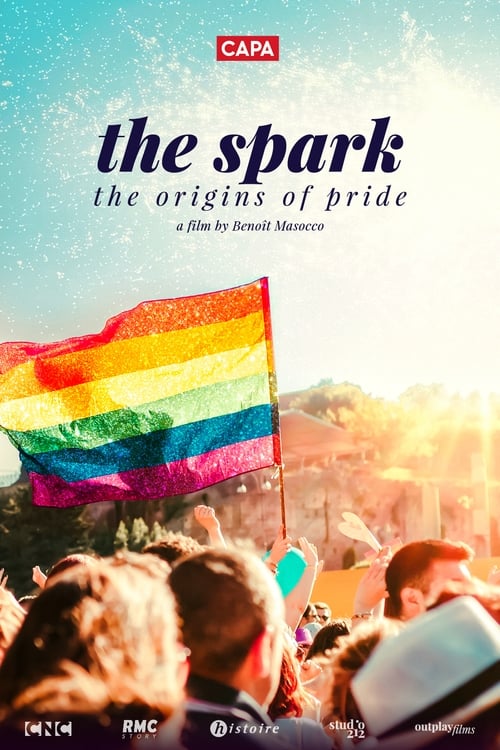
A story of the LGBT struggle from the 1960s to the present, after the Stonewall riot sparked the militant action in New York that was to spread around the world. From San Francisco to Paris via Amsterdam, between the first Gay Pride, the election of Harvey Milk, the French "decriminalization", the AIDS epidemic and the first homosexual marriages, these few decades of struggle are embodied through numerous testimonies of actors and actresses of this revolution rainbow.
Inês Etienne Romeu was an opponent to the Brazilian's dictatorship. She was kidnapped, tortured and raped in jail, where she stayed for almost 100 days. She was later sentenced to life imprisonment. She stayed ten years in prison, from 1971 to 1979. Delphine Seyrig directed this film in 1974, when Inês was still in prison, protesting against this imprisonment and in support to Inês.
Ancient Caves brings science and adventure together as it follows paleoclimatologist Dr. Gina Moseley on a mission to unlock the secrets of the Earth’s climate in the most unlikely of places: caves. Moseley and her team of cave explorers travel the world exploring vast underground worlds in search of stalagmite samples – geologic “fingerprints” – that reveal clues about the planet’s climate history. Their quest leads them to some of the world’s most remote caves, both above and below the water, in France, Iceland, the Bahamas, the U.S. and Mexico’s Yucatan Peninsula. Together, they go where very few humans will ever go, revealing the incredible lengths scientists will go to study the unknown.
In the original concept of the film as a computer game, the author presents a personal reportage from Budapest, where she spent a year as a student. The viewer, who takes on the role of a participant in the game, passes through several levels that introduce him to everyday moments touching on sensitive points of contemporary Hungarian society: he sees the capital through the eyes of a tourist, but mostly he is forced to reflect from the subjective perspective of Hungarian citizens on freedom of art, the right to education, the issue of medical care and the complex and controversial political situation in which the name of Hungarian Prime Minister Viktor Orbán is repeatedly invoked.
A documentary following the civil rights movement and how the media, in particular the burgeoning TV, was used to fight for equality in the 1960s. From Selma to Charlottesville, we also see how modern activists use today's technology to continue fighting injustice today.
American Aloha: Hula Beyond Hawai’i shows the survival of the hula as a renaissance continues to grow beyond the islands. With the cost of living in Hawai'i estimated at 27 percent higher than the continental United States, large numbers of Hawaiians have left the islands to pursue professional and educational opportunities. Today, with more Native Hawaiians living on the mainland than in the state of Hawai'i, the hula has traveled with them. From the suburbs of Los Angeles to the San Francisco Bay Area, the largest Hawaiian communities have settled in California, and the hula continues to connect communities to their heritage on distant shores.
Ante Meridiem is a sensory journey through the first hours of dawn. Kind but vehement, he explores the dichotomy between silence and bustle, patience and haste, taking both to their ultimate consequences.
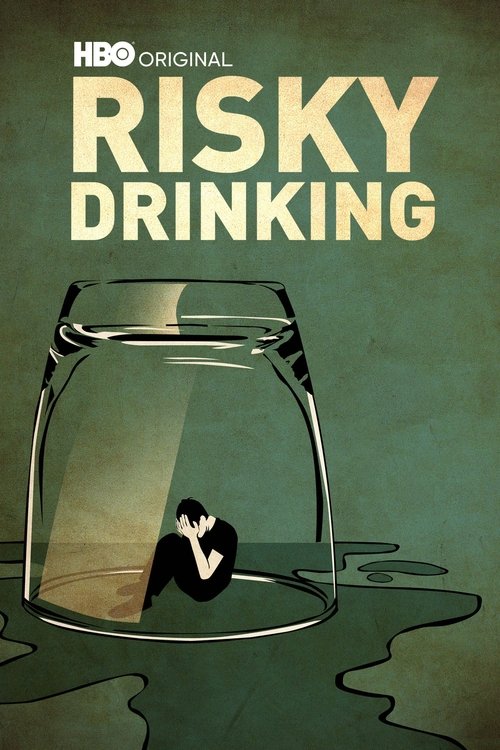
Are you a risky drinker? Nearly 70% of American adults drink alcohol and nearly 1/3 of them engage in problem drinking at some point in their lives. Produced with The National Institute of Alcohol Abuse and Alcoholism (NIAAA), Risky Drinking is a no-holds-barred look at a national epidemic through the intimate stories of four people whose drinking dramatically affects their relationships.
A family portrait in which the director profiles his grandmother, Odette Robert. Eustache includes in the film the conditions of its production — he is seated at the table with her, pours her some whiskey, speaks with the camera operator, manipulates the clapboard at the head and tail of the reels, and even takes a phone call. Robert, who was seventy-one, speaks rapidly and tells the story of her life, starting from her early childhood in villages in the Bordeaux region of France. A shorter version of the film ("Odette Robert") was edited in 1980 to be broadcast on television on TF1. The complete film only gained exposure in 2002, when it was salvaged by Boris Eustache, Thierry Lounas, João Bénard da Costa, Jean-Marie Straub, and Pedro Costa.
This is a documentary about an honest search for the truth about the Federal Reserve Bank and the legality of the Internal Revenue System. Through extensive interviews with recognised experts and authority, the director shows an astonishing revelation of how the Federal Government and the Bankers have fooled the American public by taking thier wages and putting it in the pockets of the super-rich.
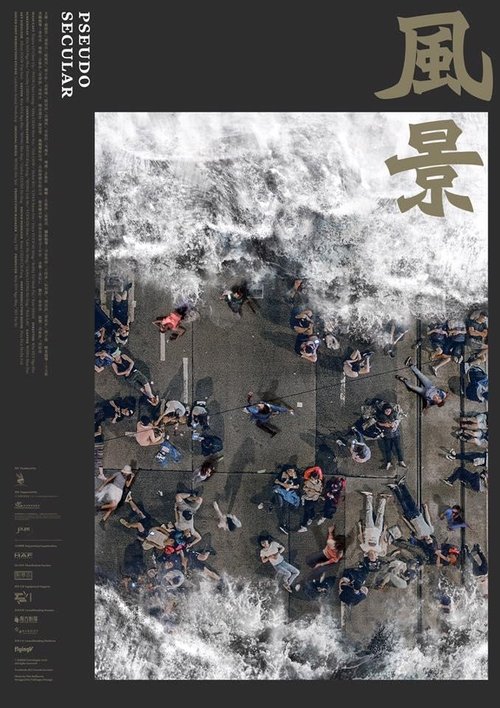
They are frozen in place, stagnating without any direction. Around them, things change rapidly.
In the spotlight of global media coverage, the first transgender woman ever to perform as Don Giovanni in a professional opera, makes her historic debut in one of the reddest states in the U.S.
With an off beat sense of humour, the film looks at the politics and glamour of lipstick and the dilemmas of the modern woman in a marketed world.
self