No Trailers found.
Self
A satirical and surreal mockery of top-down, positivist urban planning exemplified in the character of "Professor C", the film was made by the architect Giancarlo De Carlo with Carlo Doglio, Michele Gandin, Billa Pedroni, Ludovico Quaroni and Elio Vittorini for the 10th Milan Triennale in 1954. Shot on 35mm film.
No overview available.
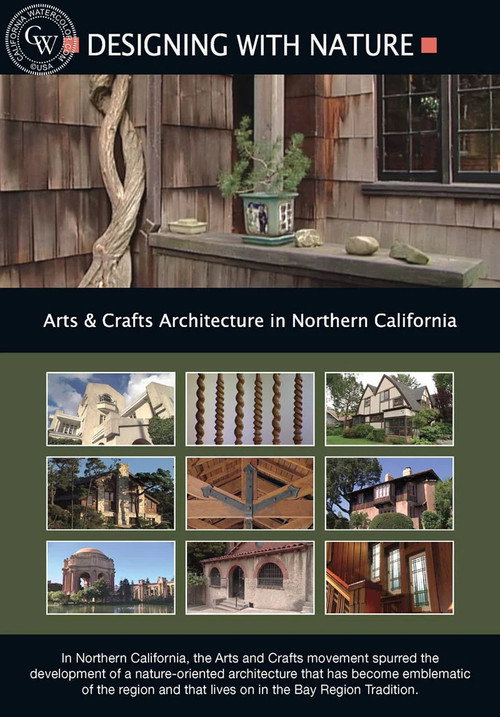
Designing with Nature provides a vivid account of a pivotal chapter in the architectural history of Northern California. Set in the late 19th and early 20th centuries, the documentary examines the work of several major architects who were influenced by Arts and Crafts ideals, as well as by the reformist ethos of the Progressive Era. These designers sought to create an architecture suited to the landscape, climate, and emerging culture of the region. Rejecting Victorian excess and the artificial separation of art and craft, they strove to create an organic architecture based on unified design and harmony with nature.
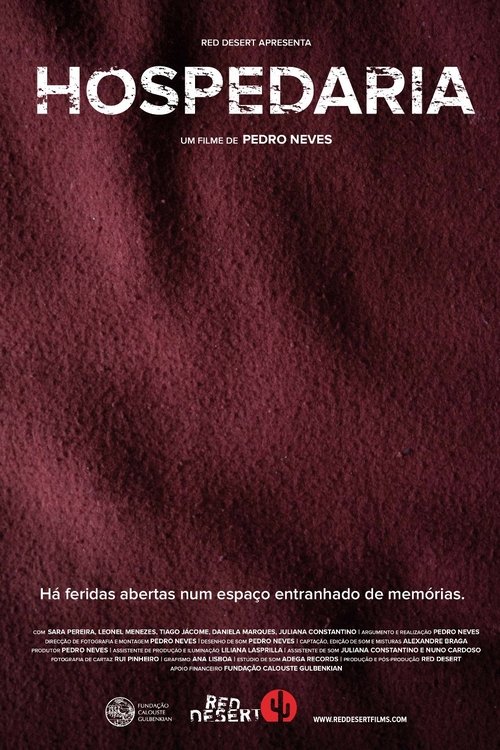
An old hostel, located in the center of Porto, served for many years as a hostel for people with few possessions, prostitutes and people passing through who made that place a more or less prolonged residence.
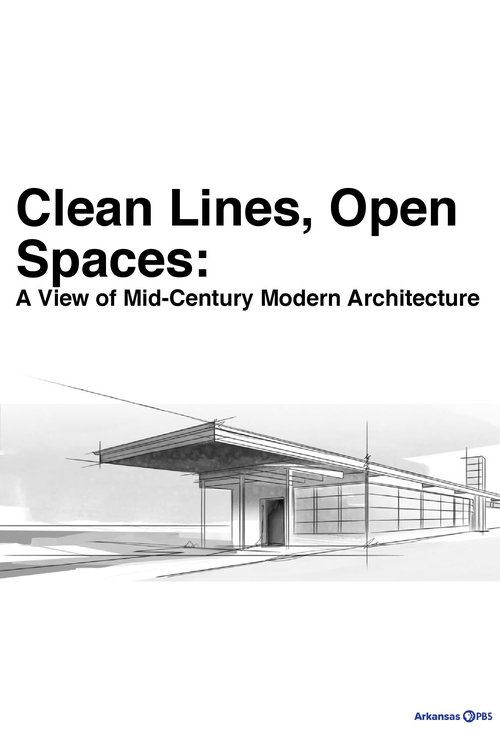
"Clean Lines, Open Spaces: A View of Mid-Century Modern Architecture" focuses on the construction boom in the United States after World War II. Sometimes considered cold and unattractive, mid-century modern designs were a by-product of post-war optimism and reflected a nation's dedication to building a new future. This new architecture used modern materials such as reinforced concrete, glass and steel and was defined by clean lines, simple shapes and unornamented facades.
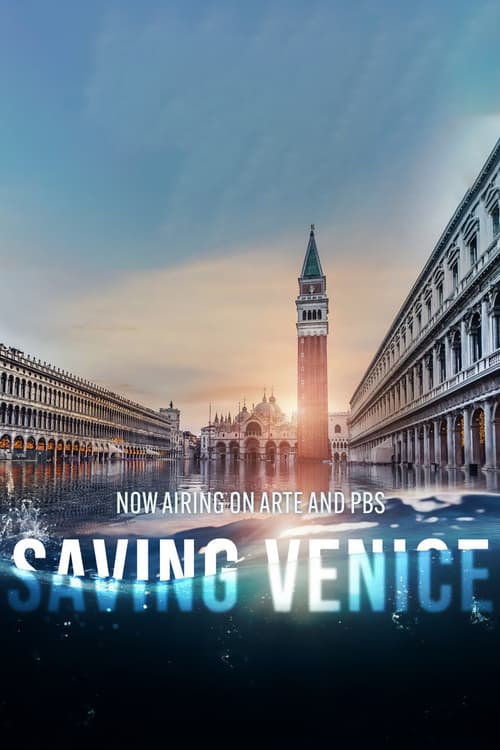
Rising sea levels and sinking land threaten to destroy Venice. Leading scientists and engineers battling the forces of nature to try to save this historic city for future generations. Discover the innovative projects and feats of engineering currently underway, including a hi-tech flood barrier, eco-projects to conserve the lagoon, and new efforts to investigate erosion beneath the city.
In 1950 architect Anthony B. Almeida was one of the first to introduce modern architecture in Tanzania. At that time architectural modernism was the preferred expression of the intended colonial welfare state. After Independence in 1961 Nyerere’s African socialism used the same architectural style to convey the hope and strength of the new African nation. Following Almeida and some of his colleagues, the film questions what is left of the dreams and ideals of this first generation. It searches for new definitions of happiness in booming African cities like today’s Dar es Salaam. The film documents the everlasting human pursuit of modernity, not only in architecture but also in contemporary urban life.
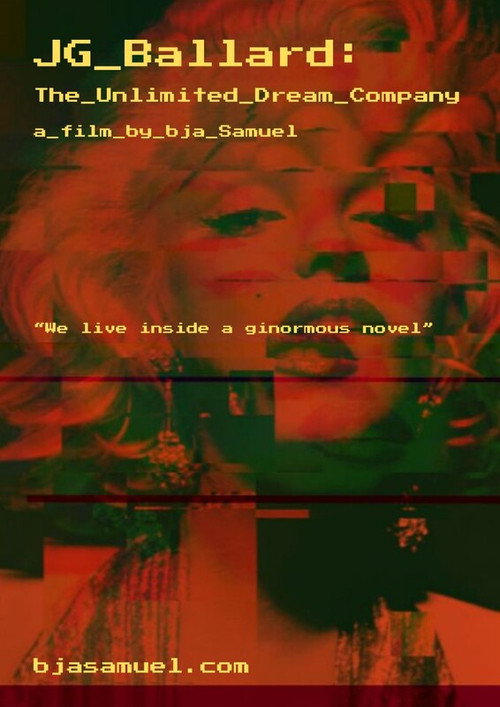
This J.G. Ballard documentary assembles decades of interviews and archival material to paint a striking portrait of one of the most imaginative and provocative writers of the 20th century.
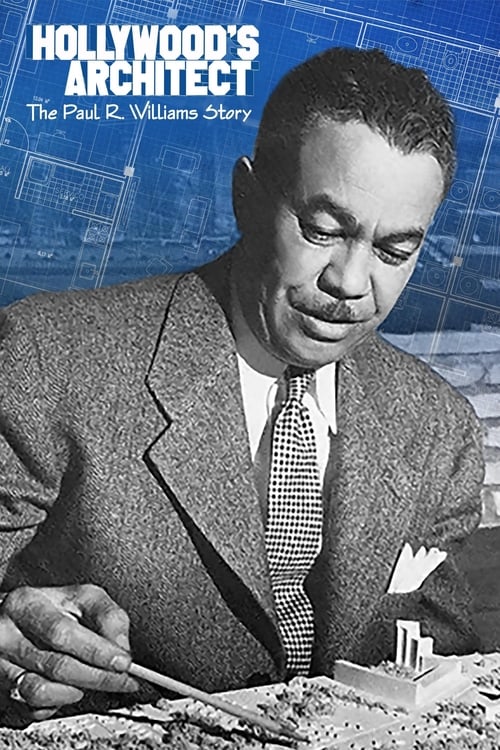
Nicknamed “Architect to the Stars,” African American architect Paul R. Williams had an incredible life. Orphaned at the age of four, Williams grew up to build mansions for movie stars and millionaires in Southern California. From the early 1920s until his retirement 50 years later, Williams was one of the most successful architects in the country. His clients included Frank Sinatra, Cary Grant, Barbara Stanwyck, William Holden, Lucille Ball and Desi Arnaz. His name is associated with icons like the Beverly Hills Hotel, the original MCA Headquarters Building and LAX Airport. But at the height of his career Paul Williams wasn’t always welcome in the restaurants and hotels he designed or the neighborhoods where he built homes, because of his race. “Hollywood’s Architect: The Paul R. Williams Story” tells the compelling, but little known story, of how he used talent and perseverance to beat the odds and create a body of work that can be found from coast to coast.
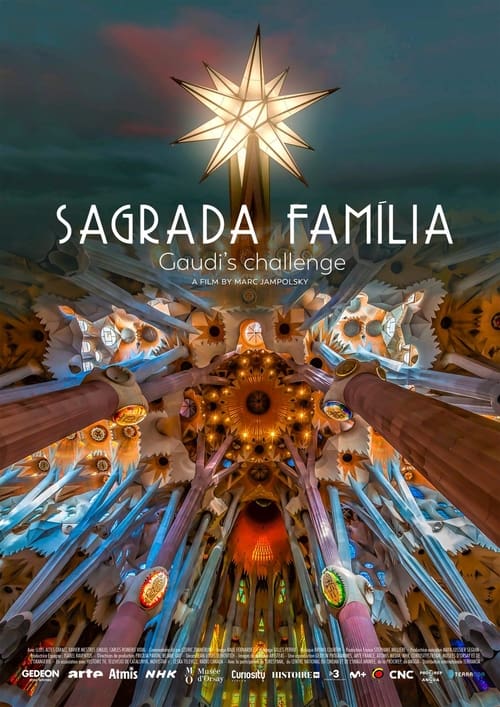
Combining real footage, archival footage, fiction and 3D modeling, this unseen documentary traces the history of this spectacular and unfinished work.
What’s it like to dedicate your life to work that won’t be completed in your lifetime? Fifteen years ago, filmmaker David Licata focused on four projects and the people behind them in an effort to answer this universal question.
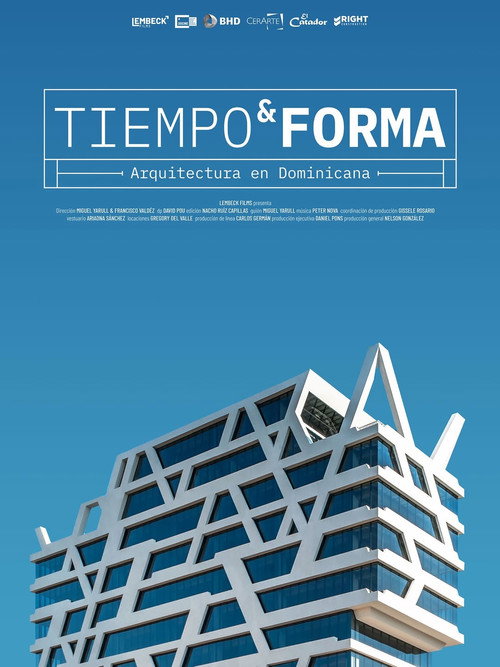
A comprehensive view of the importance, scope, challenges and achievements of architectural work in the Dominican Republic.
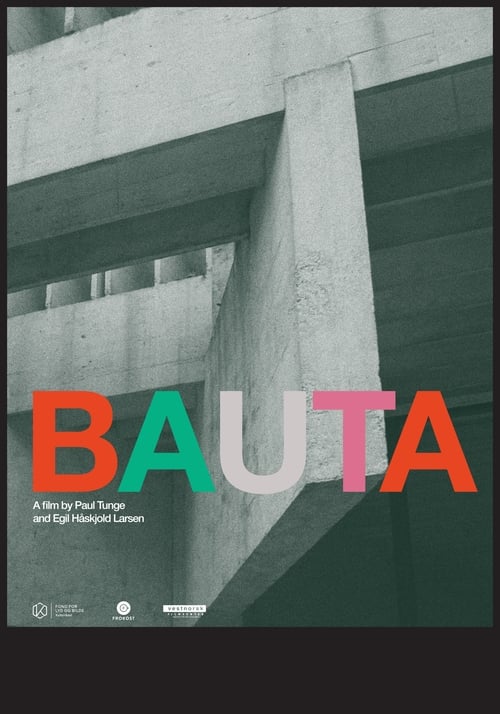
Bauta is a short documentary that explores public, monumental buildings in Norway - stone and concrete buildings. By the public they have the desire to be torn down, or are not given particular aesthetic value. But what about when people are out of the buildings and they get to stand for themselves? Bauta provides a new experience of space and architecture.
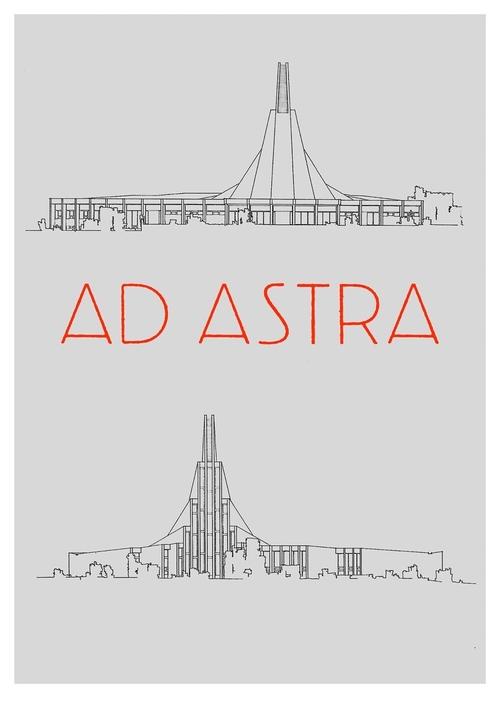
A visual journey through Norwegian modernist church architecture. A short documentary film that pays tribute to the Norwegian church and post-war postmodernist architects for its daring reform of the 50-70's innovative church building. Raw concrete and cold clean lines in a functionalist style were in line with society's development, but in stark contrast to what the church had previously represented. The film portrays 25 of these churches from all over the country
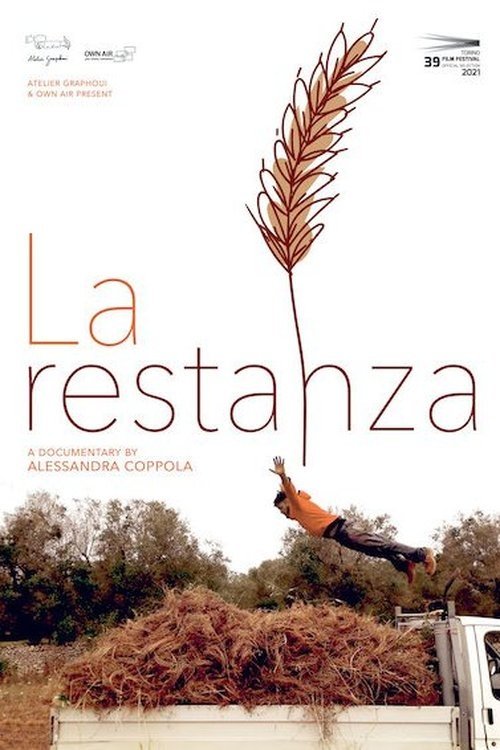
Castiglione d'Otranto, in the South of Italy. A group of thirty-year-olds no longer accept that the solution to the economic, ecological and political problems of the territory is always "to leave". They propose to the villagers who own pieces of uncultivated land, often felt as a burden, to put them in common. They decide to stay, to link their lives to the land and to invest in a value: being together. Castiglione becomes the village of restance. They cultivate ancient seeds and local biodiversity, they make decisions together, they develop a local economy. Accepting the shadows of the past, another potential of the place is rediscovered.
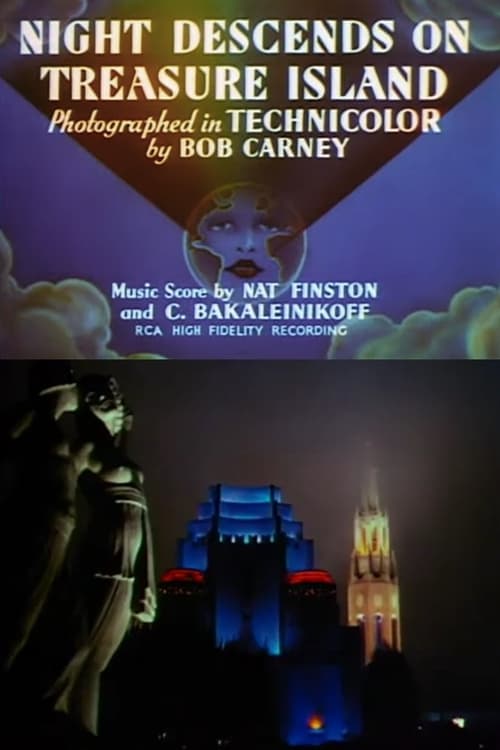
A travelogue celebrating the 1939 Golden Gate Exposition and highlighting its exhibition of classical paintings and stunning lighting effects.
A comparison of solutions to the problems of suburban living as found in some of the world's largest cities--London, Marseille, Rotterdam, Stockholm and Toronto. This film shows housing to delight, amaze, and even provoke. Shown is Marseille's famous community on stilts, with stores, homes, and playgrounds all within one vertical neighbourhood. Town planners and architects discuss trends and problems.
A documentary about Montreal architect Roger D'astous, who battled all his life to create a Nordic architecture. A star architect in the 60s, and Frank Lloyd Wright student, he fell from grace before rising again at the dawn of the century.
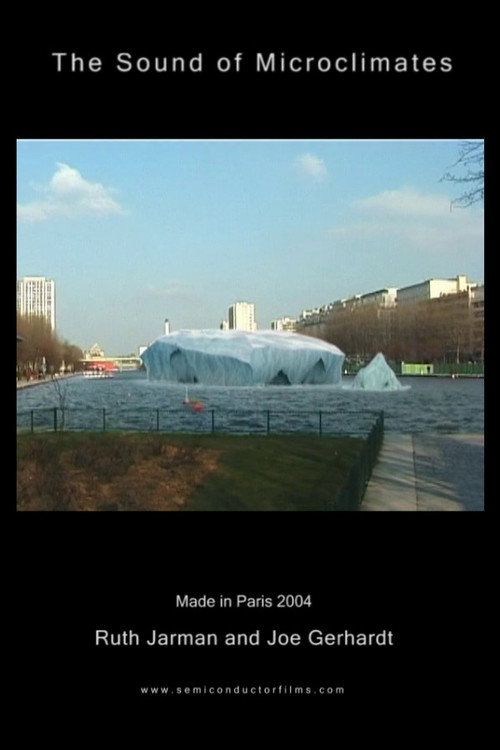
The Sound of Microclimates reveals the sights and sounds of a series of unusual weather patterns in the Paris of today. Here, architecture has become interwoven with the natural processes of the geographical landscape. Set within the un-noticed moments in time, extreme microclimates are presented as the future in city accessories, revealing the unseen urban terrains of tomorrow. Like the temporary staged events at an World Expo these weather patterns hi-light public spaces and architecture within the city of Paris. They exist as a series of weather observations that animate the evolution of the inanimate urban condition. Each microclimatic intervention has its own audible frequencies, where the sound from each environment animates the movement and reveals each sites unique narrative.