No Trailers found.
A short film about traditional crafts and culture that can still be found in the Wallachian mountains today.
Through interviews with people on the street and songs recorded to memorialize JFK in the mid-1960s, the film explores the impact of the November 22, 1963 assassination on issues in today’s world, from lingering conspiracy theories to the proliferation of gun violence, homelessness, and the scourge of K-2.
A Berlin street corner is slowly changing: an aging supermarket turns into a construction site and finally a new building. People restock shelves, demolish walls, take breaks and count money. Those who work here participate in the making and unmaking of the place. How does it shape the conditions of their labor? Between supermarket aisles, construction scaffolding and exposed concrete, different versions begin to overlap. Repetitions appear like echoes between worlds, both playful and eerie.
A man with a perspective like no other on the planet. The leading structural engineer of the World Trade Center oversees its construction, haunted by its fall ever since. A guru in high-rise design. Driven by his values as a pacifist and activist and the woman engineer who emboldened, expanded and ultimately saved the man she loved. About fulfillment, fragility, and a fighting spirit.
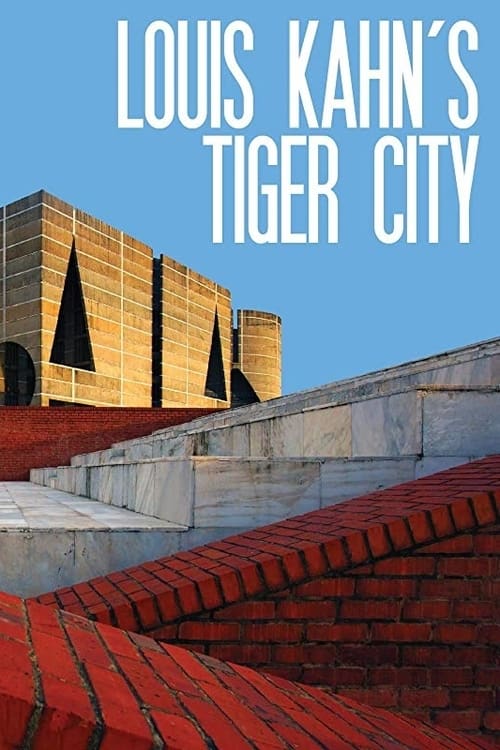
Art historian and filmmaker Sundaram Tagore travels in the footsteps of Louis Kahn to discover how the famed American architect built a daringly modern and monumental parliamentary complex in war-torn Bangladesh.
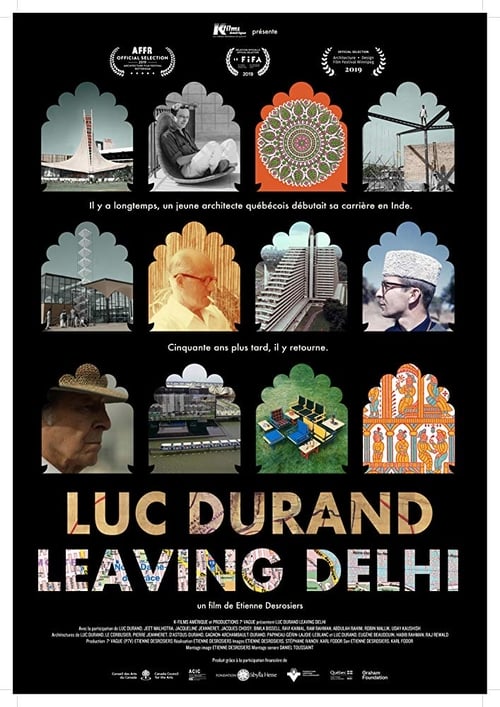
A portrait of the Canadian architect Luc Durand (1929 – 2018), who, after studying with Eugène Beaudoin in Switzerland, began his career in India. This period would be decisive for his career and would influence many of the projects he designed in Quebec, including the Quebec Pavilion at Expo 67, Place Dupuis, and the Olympic Village for the 1976 Olympic Games. Durand then decided to return to his roots in 2012, traveling from Montreal to Geneva, from New Delhi to Chandigarh. A portrait of an eminent figure in Quebec architecture.
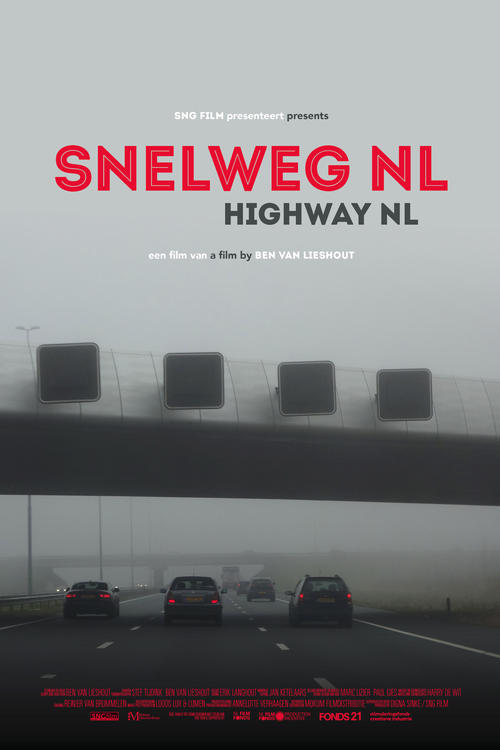
The highway in the Netherlands has a total length of almost 2500 kilometres. There is almost no other country with such an enormous highway density. In this documentary the monumentality, but also the apparent everydayness of our highway is shown. The highway is actually a poorly known arena for a wide range of activities. What does this monumental and almost perfect network say about us?
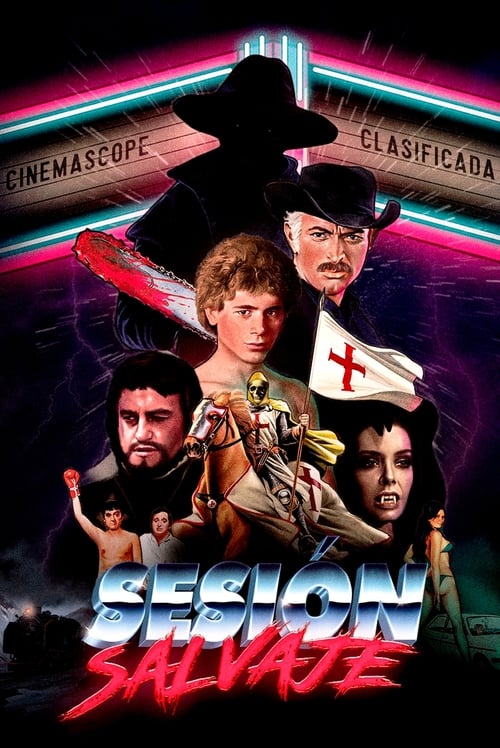
A walk through the golden age of Spanish exploitation cinema, from the sixties to the eighties; a low-budget cinema and great popular acceptance that exploited cinematographic fashions: westerns, horror movies, erotic comedies and thrillers about petty criminals.
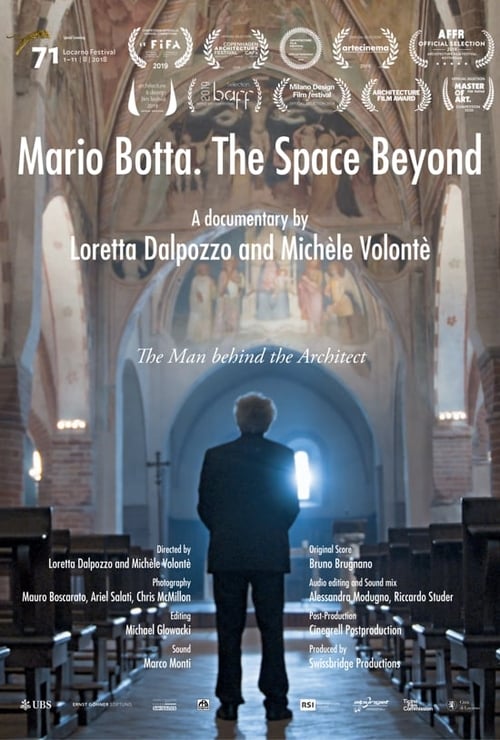
A rare, in-depth artistic journey into the work of internationally acclaimed Swiss architect Mario Botta. The film explores Botta's ever growing curiosity and reflections on the contractions of society through his sacred spaces, a subject very dear to him. Why does globalized society feel the urge to build such spaces? The directors traveled to China, South Korea, Israel, Italy, and Switzerland to discover a passionate and tireless artist, his buildings, and part of his creative process. Botta is one of the few architects who has built places of prayer for three main monotheistic religions. After building many churches, chapels, and synagogue, he is now working on a mosque in China. Through his thoughts and his interaction with artists, colleagues, clients, and family members, the viewers have a glimpse of the man behind the Architect.
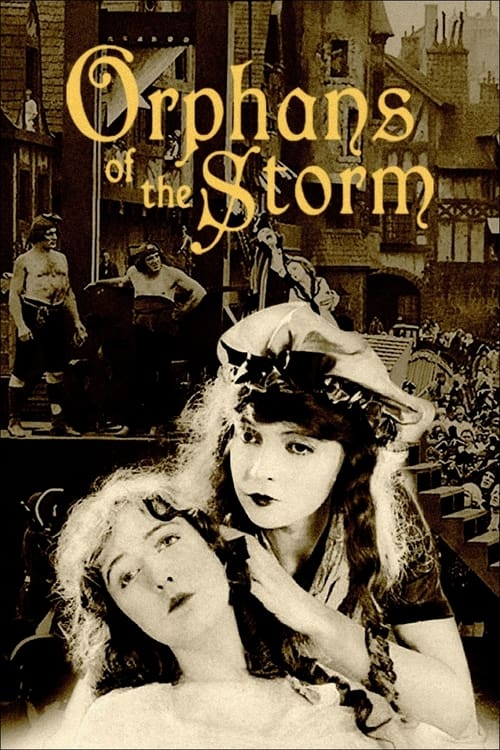
France, on the eve of the French Revolution. Henriette and Louise have been raised together as sisters. When the plague that takes their parents' lives causes Louise's blindness, they decide to travel to Paris in search of a cure, but they separate when a lustful aristocrat crosses their path.
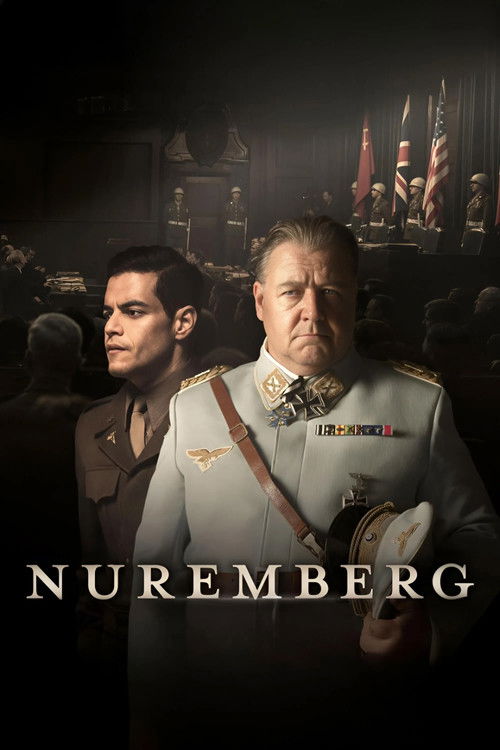
In postwar Germany, an American psychiatrist must determine whether Nazi prisoners are fit to go on trial for war crimes, and finds himself in a complex battle of intellect and ethics with Hermann Göring, Hitler's right-hand man.
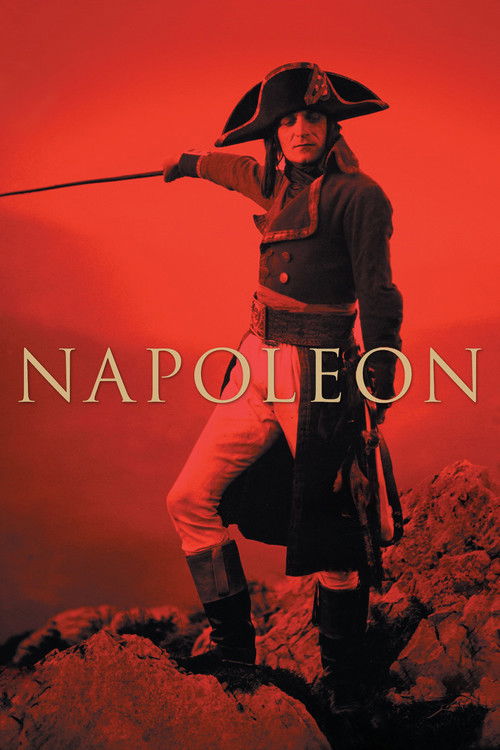
A biopic of Napoleon Bonaparte, tracing the Corsican's career from his schooldays (where a snowball fight is staged like a military campaign) to his flight from Corsica, through the French Revolution (where a real storm is intercut with a political storm) and the Terror, culminating in his triumphant invasion of Italy in 1797.
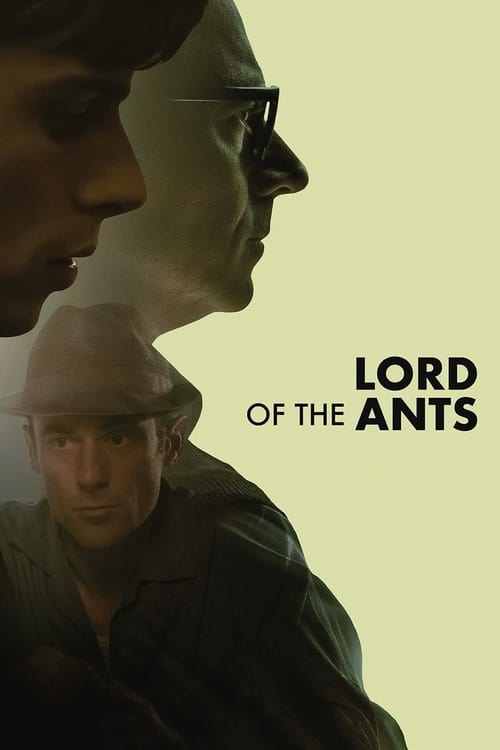
Based on true events of the late 60s in Italy, poet, playwright and myrmecologist Aldo Braibanti is prosecuted and sentenced to prison for the love he shares with his barely-of-age pupil and friend, Ettore. Amidst a chorus of voices of accusers, supporters and a largely hypocritical public, a single committed journalist takes on the task of piecing together the truth, between secrecy and desire, facing suspicion and censorship in the process.
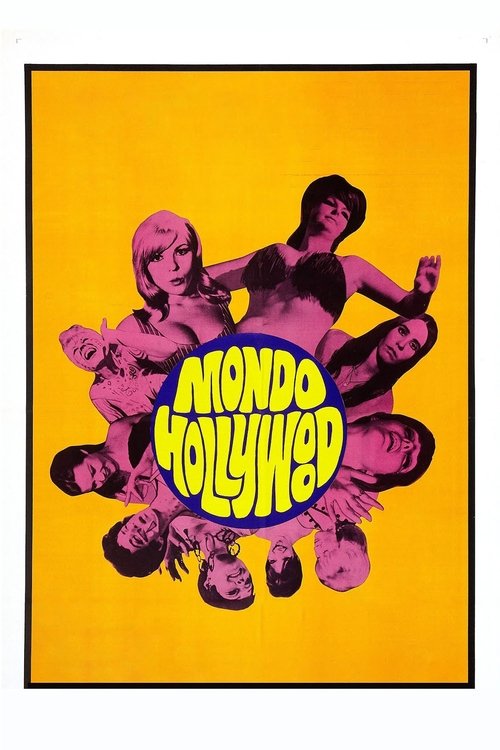
A documentary analyzing the social, political and cultural climate of Hollywood in the mid-1960s.
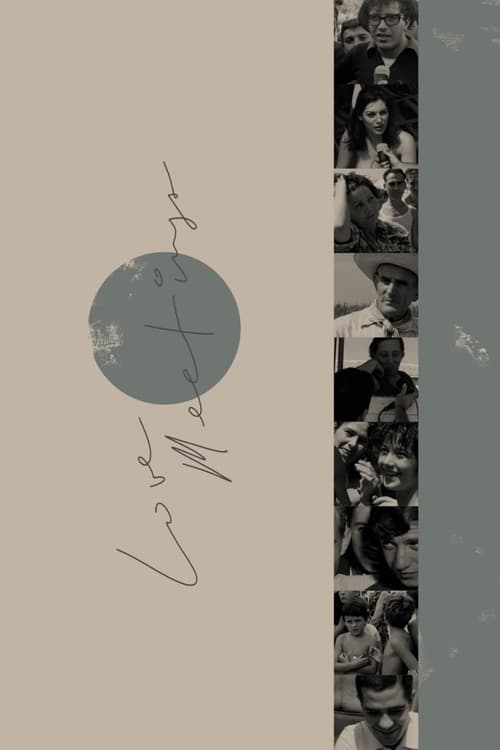
Pier Paolo Pasolini sets out to interview Italians about sex, apparently their least favorite thing to talk about in public: he asks children if they know where babies come from; asks old and young women if they support gender equality; asks both sexes if a woman's virginity still matters, what do they think of homosexuality, if divorce should be legal, or if they support the recent abolition of brothels. He interviews blue-collar workers, intellectuals, college students, rural farmers, the bourgeoisie, and every other kind of people, painting a vivid portrait of a rapidly-industrializing Italy, hanging between modernity and tradition — toward both of which Pasolini shows equal distrust.
No overview available.
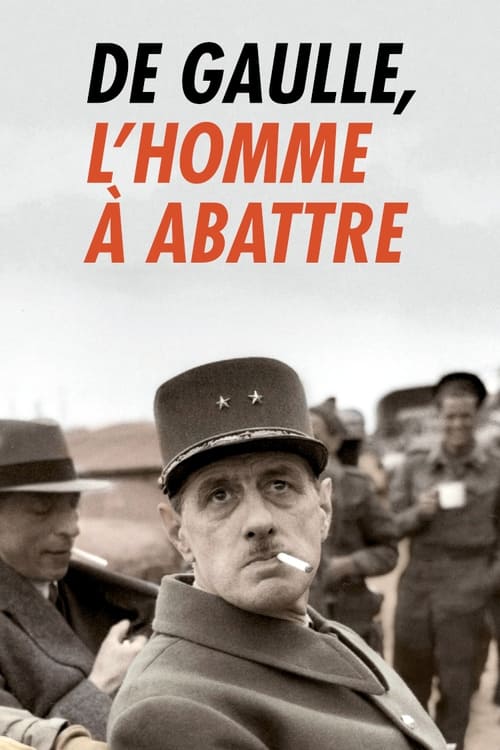
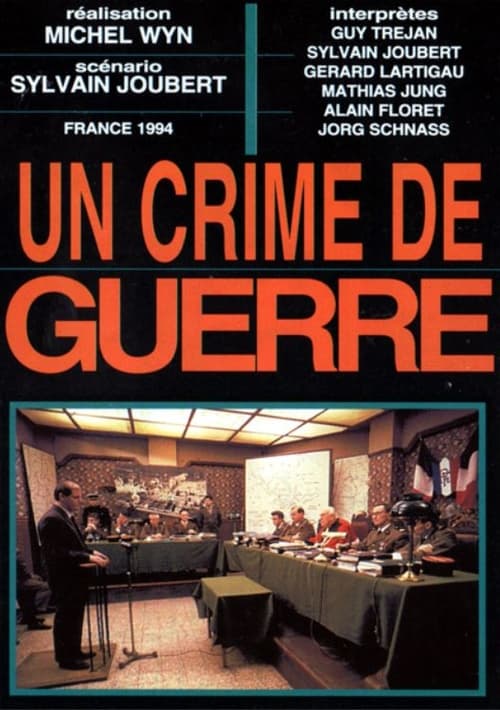
A film that relates the trial in Bordeaux in January 1953 of some of the participants in the Oradour-sur-Glane massacre of June 10, 1944.
(voice)