Overview of the Navajo people and the relationship to their land in Northern Arizona.
No Trailers found.
Narrator (voice)
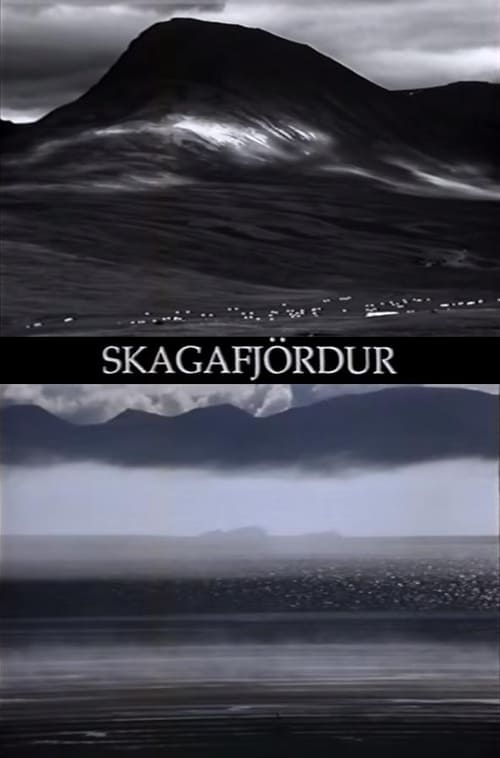
A film documenting the landscapes of northern Iceland.
A day and night in the life of three alcoholic derelicts: "and the meek shall inherit the earth - six feet of it".
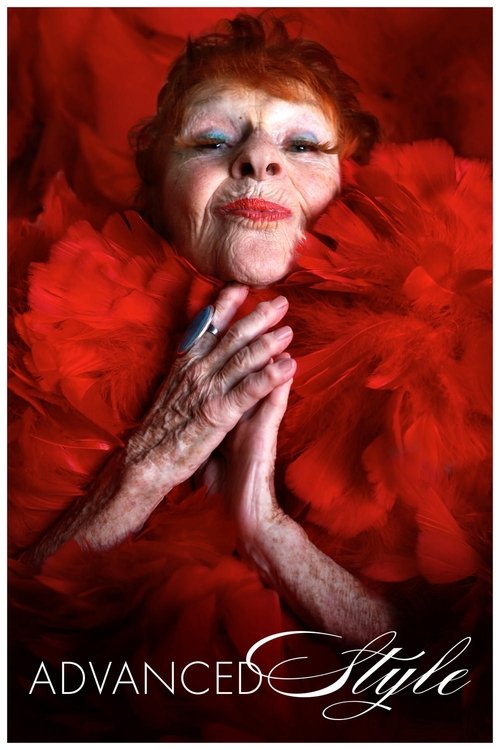
Advanced Style examines the lives of seven unique New Yorkers whose eclectic personal style and vital spirit have guided their approach to aging. Based on Ari Seth Cohen’s famed blog of the same name, this film paints intimate and colorful portraits of independent, stylish women aged 62 to 95 who are challenging conventional ideas about beauty, aging, and Western’s culture’s increasing obsession with youth.
An experimental short where a character sends a series of progressively desperate emails asking for a job.
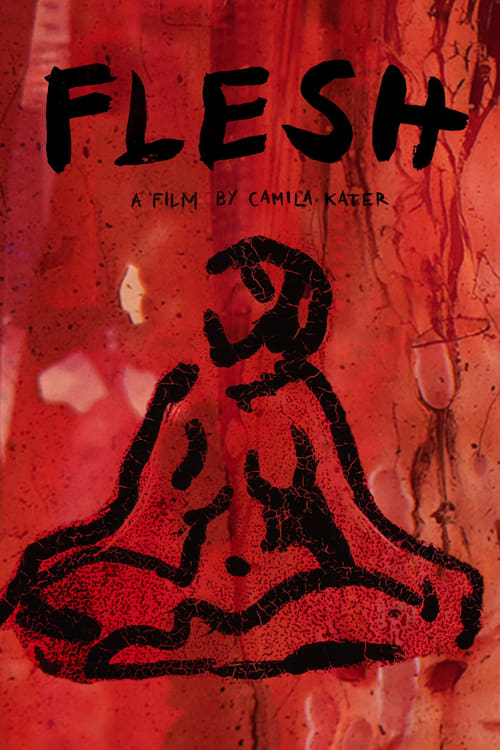
Rare, medium rare, medium, medium well and well done. Through intimate and personal stories, five women share their experiences in relation to the body, from childhood to old age.
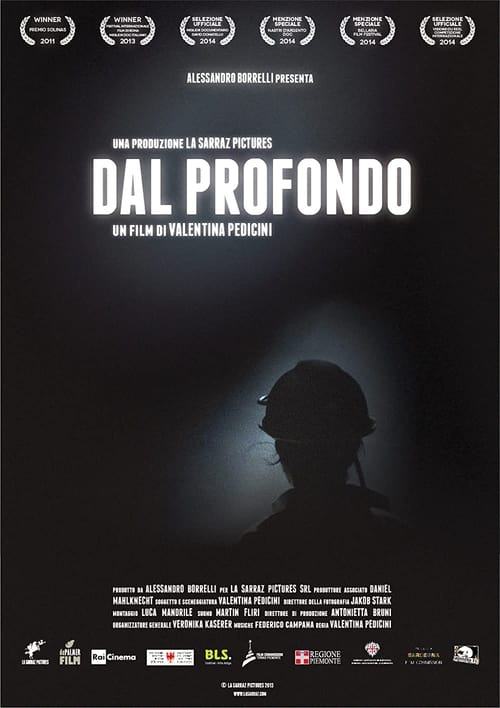
Both an activist and a documentarian, Valentina Pedicini also brings her background in anthropology to this impressively captured, claustrophobic nonfiction feature. Venturing beneath sea level, From the Depths profiles the lone woman at work in the last coal mine in Sardinia, Italy.
The first film in a Seven Up-like series examining the lives of three teenage girls in South Australia during the 1970s. It looks at issues such as boys and sex, abortion, marriage, pregnancy, career paths, and education.
The Greek guest workers -gästarbeiter- in the industrially developed central and northern Europe in the mid 70s.
Greek internal migrants in Athens, after the Greek Civil War colonize the tops of the Tourkovounia hills.
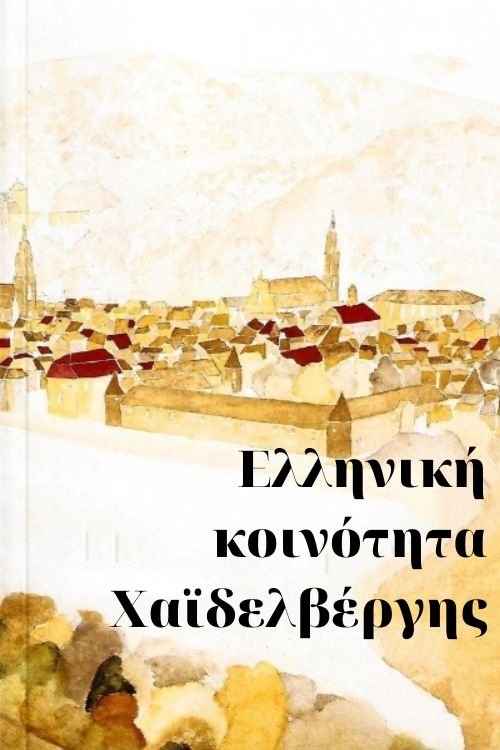
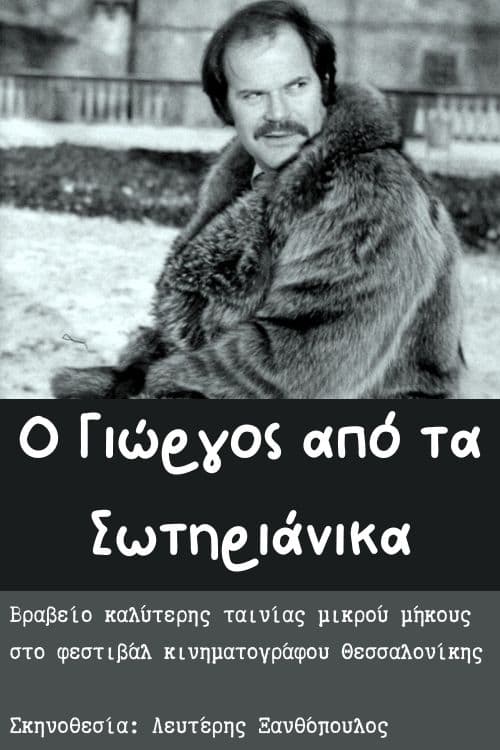
The story of a successful Greek immigrant, the restaurant owner Giorgos Kozompolis, who emigrated in the mid 1960’s from the poor village of Sotirianika, in Mani to the developed city of Heidelberg in the Federal Republic of Germany.
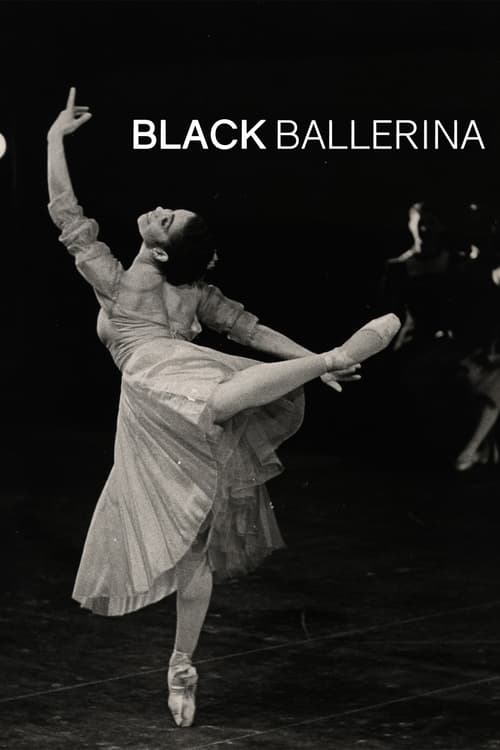
BLACK BALLERINA tells the story of several black women from different generations who fell in love with ballet. Six decades ago, while pursuing their dreams, Joan Myers Brown, Delores Browne and Raven Wilkinson confronted racism, exclusion and unequal opportunity. Today, young dancers of color continue to face formidable challenges breaking into the overwhelmingly white world of ballet. Moving back and forth in time, this lyrical, character driven film shows how far we still have to go and stimulates a fresh discussion about race, inclusion and opportunity across all sectors of American society.
Follows homeless, addicted and alienated Greenlandic women in Copenhagen, Denmark; includes fragments of Greenlandic culture.
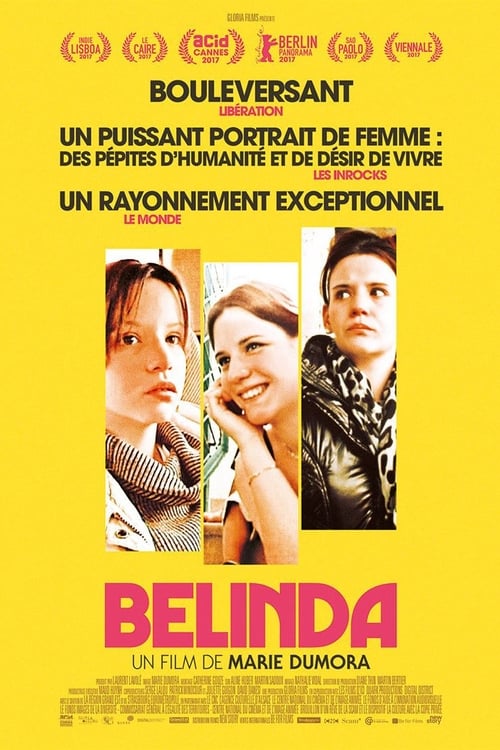
A documentary that follows a young French girl living in children's home from the age of nine to the age of twentythree.
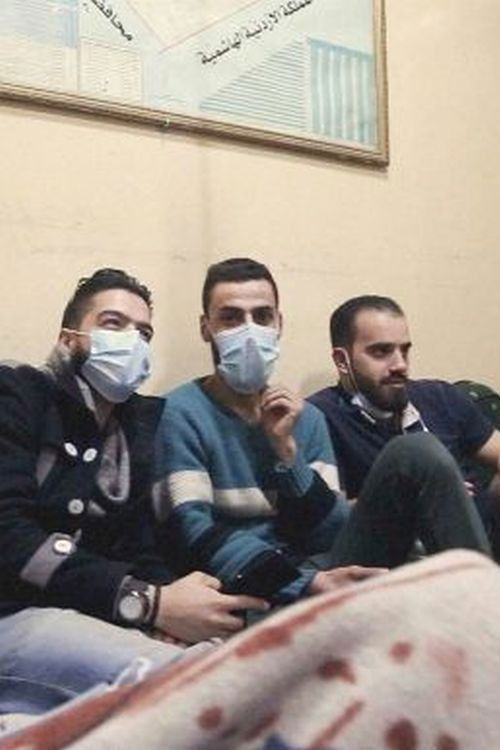
"With the barrel bombs falling on Ghouta, civilians sought shelter in the basements of their homes. I was one of them, holding on to my camera, I tried to film what I couldn’t express in words."
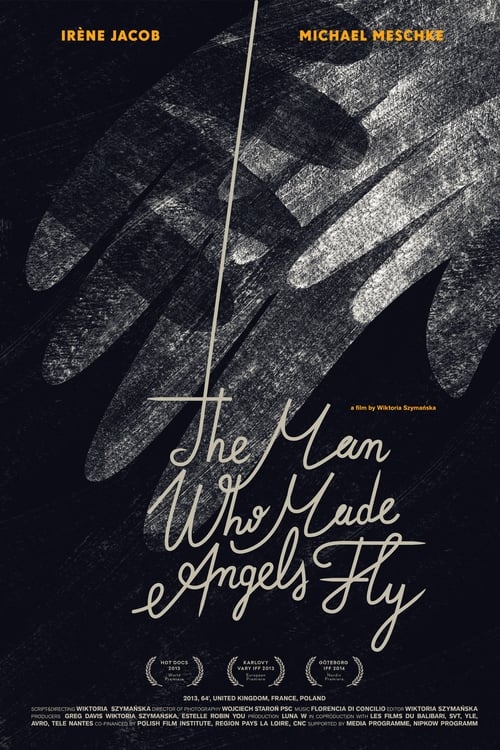
When the lights dim and the stage is revealed, Meschke channels life through the strings of his puppets, triggering the spiritual connection between the creator and his alter-egos: the charismatic Don Quixote, the loving Penelope, the inquisitive Baptiste, or the mysterious Antigone. THE MAN WHO MADE ANGELS FLY is a poetic story about a master of his craft that has inspired audiences to reflect upon common issues of suffering and the mortal coil. Visionary and un-biographic, imaginary tribute to the puppeteer.
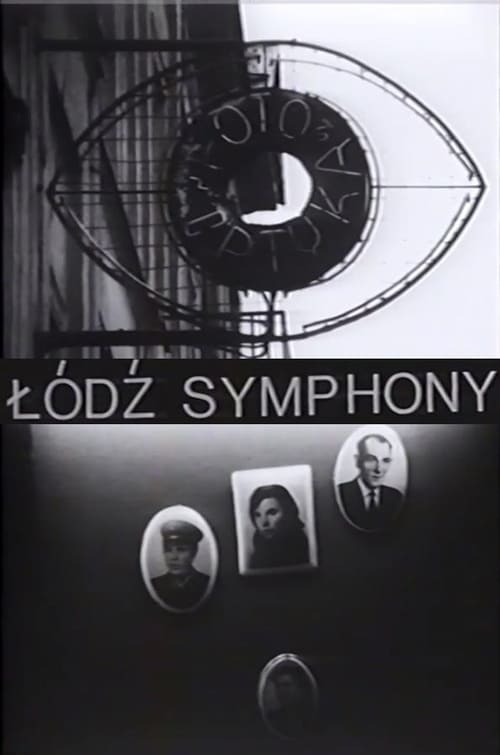
A portrait of Łódź, Poland that exists in a time-warp of sad memory.
Peter Hutton’s essay on the naturalization of the urban landscape. Voluptuously gray, worn and lived in, the city is like a stage set for an invisible drama.
Meet Smack Daddy, Suzy Hotrod, Kamikaze Kitten, and the other badass warriors leading the Roller Derby Revolution. Derby Crazy Love chronicles not only the birth and evolution of modern Flat Track Roller Derby, but also shows the people who are changing how we look at women in sport and femininity, one booty block at a time.
An enlightening and poignant coming of age story that follows the journeys of four courageous blind teenagers as they strive to achieve their dreams: to be a sponsored skateboarder, travel the world, become a rock star and be the first family member to graduate. Their stories shine a proactive light on the social and institutional obstacles faced by people who are blind and what it takes to surmount those barriers.
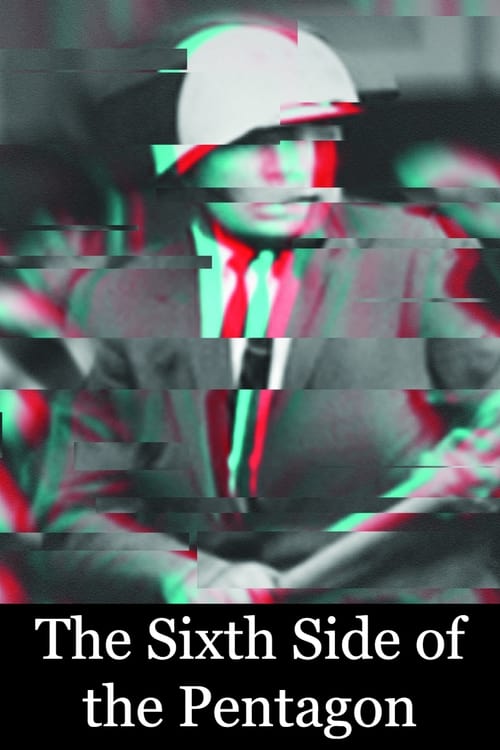
Chris Marker and François Reichenbach document the massive anti–Vietnam War protest held in Washington, D.C., on October 21, 1967, where more than 100,000 demonstrators gathered at the Lincoln Memorial before marching on the Pentagon. Filmed amid the crowd, the short captures the tension, idealism, and growing radicalism of the American peace movement.