No Trailers found.
Self
The documentary film on the life and legacy of Rahsaan Roland Kirk – a one of a kind musician, personality, activist and windmill slayer who despite being blind, becoming paralyzed, and facing America’s racial injustices - did not relent.
In the 1930s, jazz guitarist Emmet Ray idolizes Django Reinhardt, faces gangsters and falls in love with a mute woman.
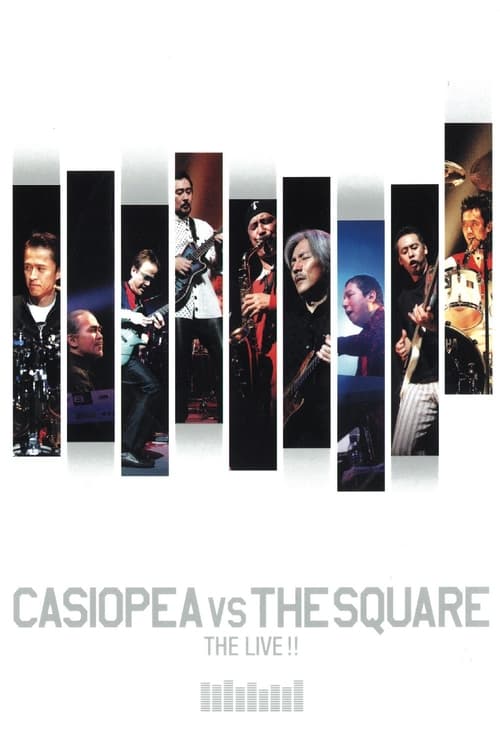
Filmed live at Tokyo Kosei Nenkin Kaikan on November 22, 2003
An egotistical saxophone player and a young singer meet on V-J Day and embark upon a strained and rocky romance, even as their careers begin a long uphill climb.
“Forgetting is complicit in recidivism,” says the commentary of this film dedicated to the demonstration of October 17, 1961 in Paris and the savage repression that followed. 11,538 Algerians will be arrested, which is reminiscent of the great Vel d’hiv roundup of July 16 and 17, 1942 where 12,884 Jews were arrested. The film brings together eyewitnesses including a priest, a peacekeeper, a couple of workers sympathetic to the Algerian cause, a lawyer, Paris municipal councilors including Claude Bourdet (then one of the leaders of the PSU and journalist to France Observateur), Gérard Monatte, the future police union leader, and the editor and writer François Maspero.
No overview available.
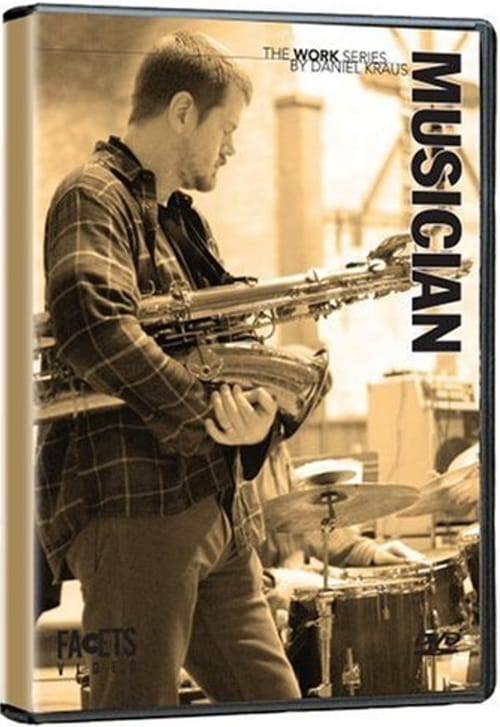
Common sense says you can't make a living in America playing avant-garde improvisational jazz. But Ken Vandermark does it anyway. Among musicians, Vandermark's work ethic is almost mythic. The Chicago reed player has released over 100 albums with nearly 40 ensembles, spends over eight months per year on the road, and lives every other waking moment composing, arranging, performing—and trying to discipline his two hyperactive canines. Though Vandermark was the recipient of a 1999 MacArthur genius grant, he still spends most of his life in smoky clubs and low-budget recording studios, hoping people will plunk down hard-earned cash to hear his wholly non-commercial music. Following the artful cinéma vérité style of the internationally acclaimed Sheriff (Work Series #1), Musician (Work Series #2) forgoes all interviews and voice-overs. It is a fly-on-the-wall time capsule that expertly captures every subtle sound and texture of this most American of art forms.
These are the first images shot in the ALN maquis, camera in hand, at the end of 1956 and in 1957. These war images taken in the Aurès-Nementchas are intended to be the basis of a dialogue between French and Algerians for peace in Algeria, by demonstrating the existence of an armed organization close to the people. Three versions of Algeria in Flames are produced: French, German and Arabic. From the end of the editing, the film circulates without any cuts throughout the world, except in France where the first screening takes place in the occupied Sorbonne in 1968. Certain images of the film have circulated and are found in films, in particular Algerian films. Because of the excitement caused by this film, he was forced to go into hiding for 25 months. After the declaration of independence, he founded the first Algerian Audiovisual Center.
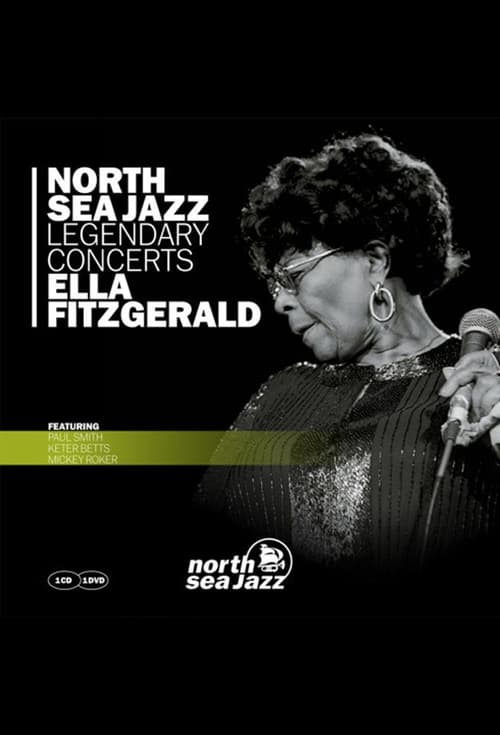
Ella Fitzgerald - Live At The North Sea Jazz Festival
Festival panafricain d'Alger is a documentary by William Klein of the music and dance festival held 40 years ago in the streets and in venues all across Algiers. Klein follows the preparations, the rehearsals, the concerts… He blends images of interviews made to writers and advocates of the freedom movements with stock images, thus allowing him to touch on such matters as colonialism, neocolonialism, colonial exploitation, the struggles and battles of the revolutionary movements for Independence.
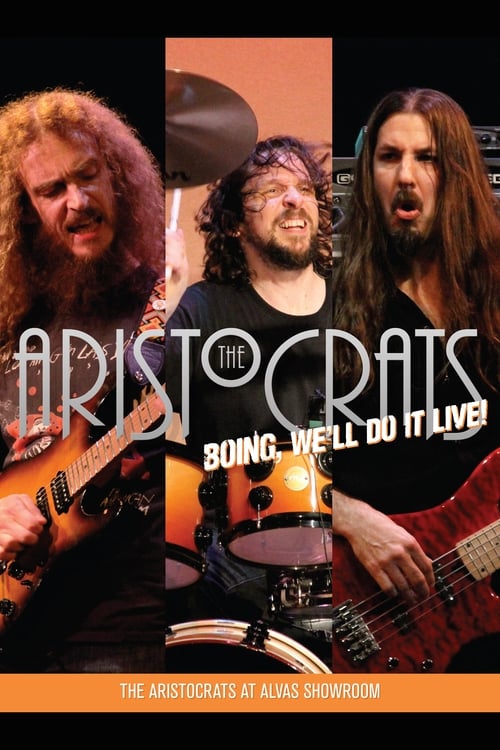
Boing, We'll Do It Live! is the first live album of The Aristocrats, released on December 10, 2012. Footage and sound for this release were recorded in two concerts held at Alvas Showroom in Los Angeles, California. During those concerts the band played material from their debut album as well as songs from each band members' solo projects. The album was released on double-CD and DVD. The deluxe edition consists of both the DVD and the two CDs including two bonus tracks not featured on standard editions.
With socialite Tracy Lord about to remarry, her ex-husband - with the help of a sympathetic reporter - has 48 hours to convince her that she really still loves him.
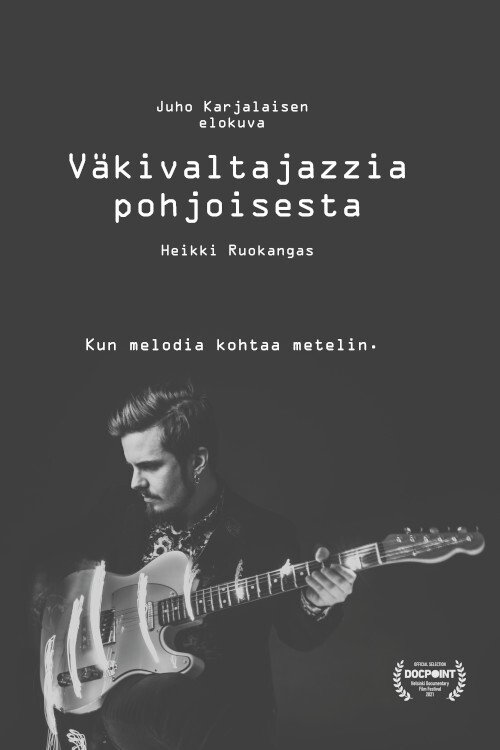
Finland has long been the promised land for long hair and heavy rock music, however jazz has it’s own place here too! Then again maybe jazz is just the general name we give to music we can’t quite classify. And the original soundscapes brought forth by guitarist Heikki Ruokangas are just that; hard to classify. In Ruokangas’ creations, elements of jazz meld together with the strums and tweaks of modern classic guitars to create an aggressive medley of sound. The end result is a skillful and intense break from traditional guitar song.
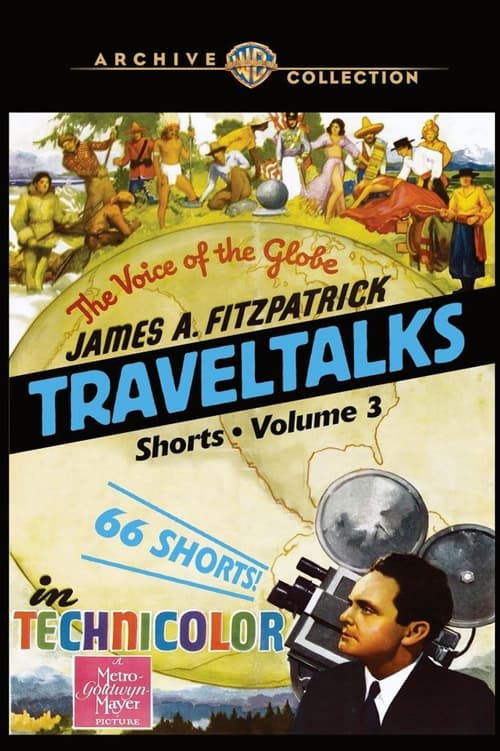
This FitzPatrick Traveltalk short visits the cities of Casablanca, Rabat, and Marrakesh in Morocco, as well as the city of Algiers in Algeria.
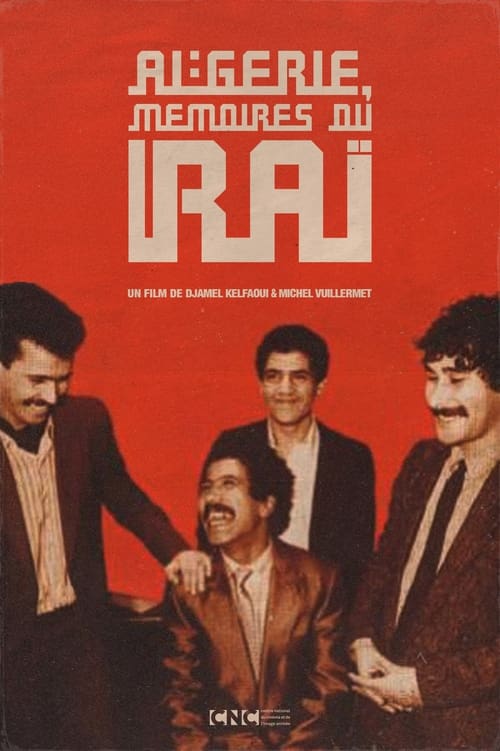
In the 1980s, Algeria experienced a tumultuous social context which reached its peak during the riots of October 88. This wave of protest, with youth as its figurehead, echoed the texts of raï singers. Thirst for freedom, misery of life and the aspirations of youth are among the main themes of their works which will inspire an entire generation. More than music, raï celebrates the Arabic language and becomes a vector of Algerian culture, thus providing the cultural weapons of emerging Algerian nationalism With Cheb Khaled, Cheb Mami and Chaba Fadela as leaders of the movement, raï is also a way of telling and reflecting the essence of Algeria in these difficult times. While the threat weighs on artists in Algeria, their exile allows raï to be exported internationally and thus, to bring the colors of Algeria to life throughout the world.
Chronicles the rise and fall of legendary blues singer Billie Holiday, beginning with her traumatic youth. The story depicts her early attempts at a singing career and her eventual rise to stardom, as well as her difficult relationship with Louis McKay, her boyfriend and manager. Casting a shadow over even Holiday's brightest moments is the vocalist's severe drug addiction, which threatens to end both her career and her life.
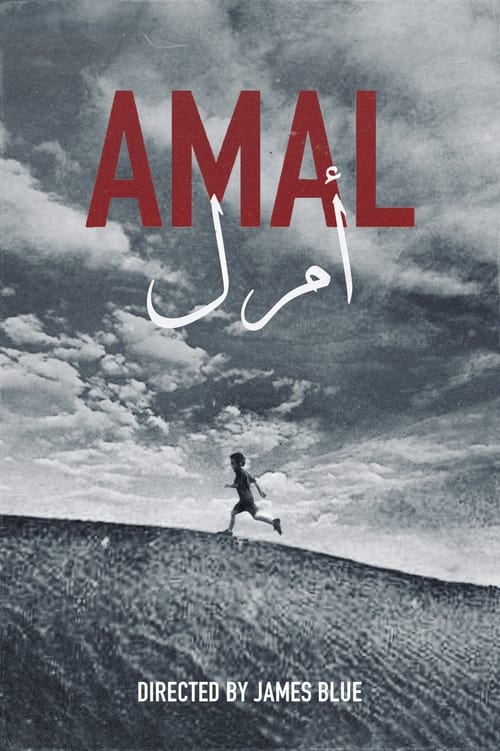
A sublime documentary on childhood and bereavement that’s one of several shorts the filmmaker completed while working in Algeria for Georges Derocles’s company Les Studios Africa, for whom he would shortly make his breakthrough feature The Olive Trees of Justice.
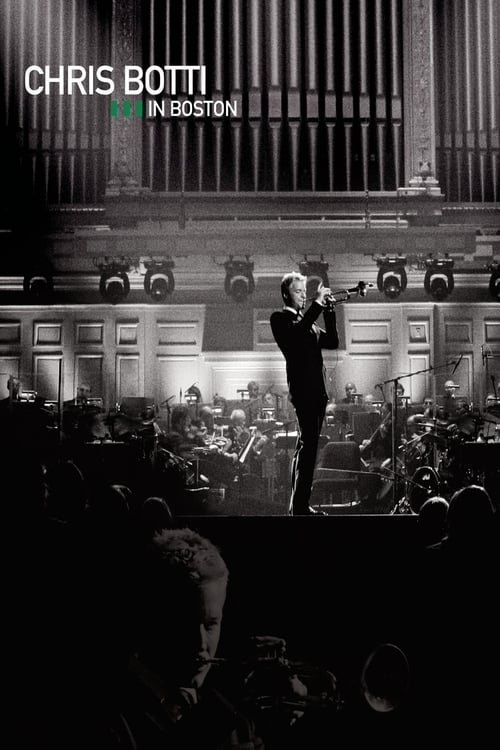
Chart-topping jazz trumpeter Chris Botti and special guests performed two star-studded concerts at the historic Boston Symphony Hall with Keith Lockhart and the Boston Pops on September 18 and 19, 2008. Special guests include Josh Groban, Yo-Yo Me, John Mayer, Katharine McPhee, Lucia Micarelli, Sting and Steven Tyler.
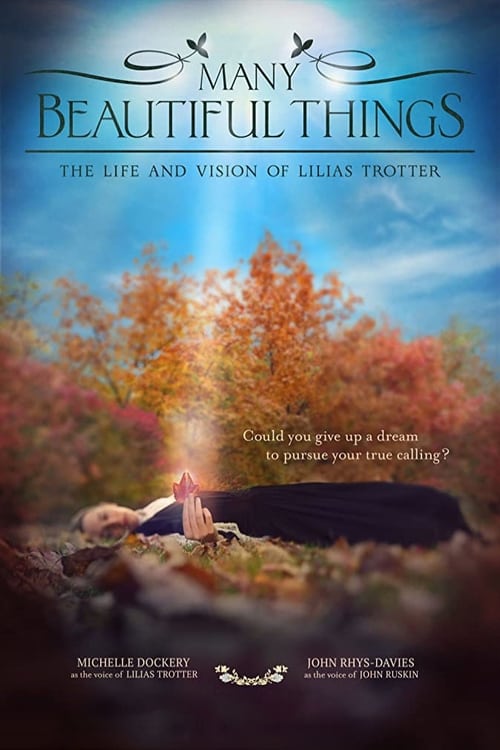
In an age when women were incapable of joining the artistic dialogue, Lilias Trotter managed to win the favour of celebrated critics.