After a 25-year battle with Thai censorship, a filmmaker discusses the value of art in society.
No Trailers found.
Himself
Herself
Street art, creativity and revolution collide in this beautifully shot film about art’s ability to create change. The story opens on the politically charged Thailand/Burma border at the first school teaching street art as a form of non-violent struggle. The film follows two young girls (Romi & Yi-Yi) who have escaped 50 years of civil war in Burma to pursue an arts education in Thailand. Under the threat of imprisonment and torture, the girls use spray paint and stencils to create images in public spaces to let people know the truth behind Burma's transition toward "artificial democracy." Eighty-two hundred miles away, artist Shepard Fairey is painting a 30’ mural of a Burmese monk for the same reasons and in support of the students' struggle in Burma. As these stories are inter-cut, the film connects these seemingly unrelated characters around the concept of using art as a weapon for change.
A documentary recording the lives of Khon students in their last years of study. They spent six years under the rules of the military regime after the 2014 coup d’etat. The coup granted the regime power to change many things, especially education which became more focused on the monarchy and royal glorification instead of basic human values. While the world is becoming awakened to human rights, the military regime deems them against their own values. The shooting of the film began at the time of the king’s succession, shortly after which there was a great social awakening in Thailand. Meanwhile, the authorities used state violence and oppression in an effort to eliminate dissidents, even when they were just high school and university students.
Are tourists destroying the planet-or saving it? How do travelers change the remote places they visit, and how are they changed? From the Bolivian jungle to the party beaches of Thailand, and from the deserts of Timbuktu, Mali to the breathtaking beauty of Bhutan, GRINGO TRAILS traces stories over 30 years to show the dramatic long-term impact of tourism on cultures, economies, and the environment.
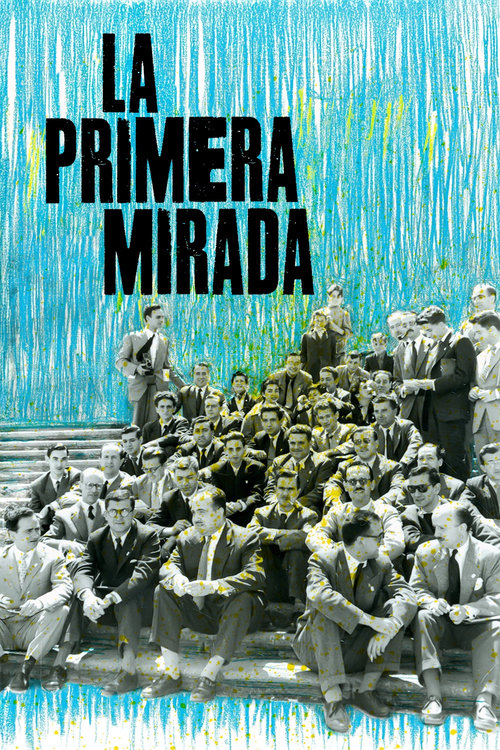
In Spain, a poor country ruined by the recent Civil War (1936-39), and in the midst of Franco's dictatorship, a film school was created in Madrid in 1947, which became, almost unintentionally, a space of freedom and pure experimentation until its closure in 1976.
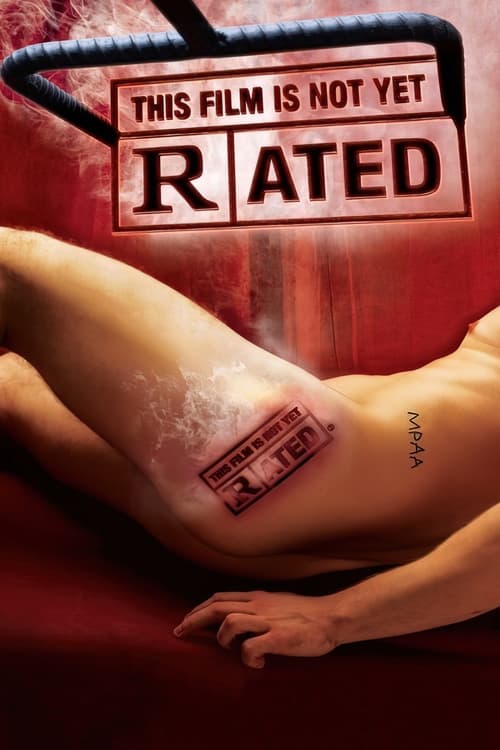
Kirby Dick's provocative documentary investigates the secretive and inconsistent process by which the Motion Picture Association of America rates films, revealing the organization's underhanded efforts to control culture. Dick questions whether certain studios get preferential treatment and exposes the discrepancies in how the MPAA views sex and violence.
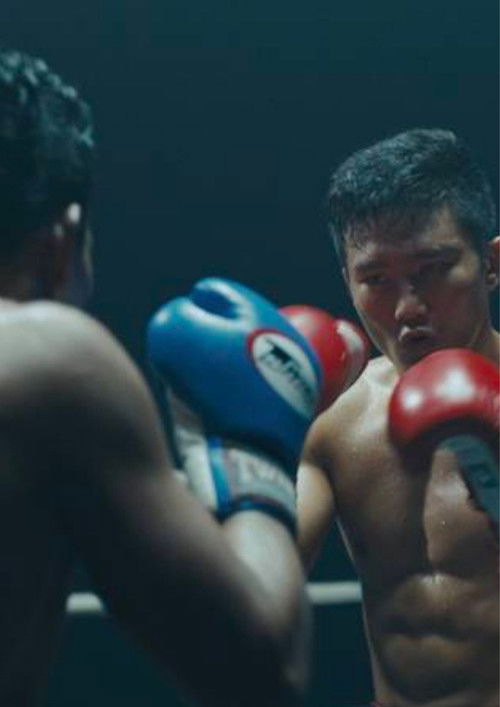
This intimate portrait of a Thai boxer, from New York-based filmmaker Josh Hayward, reveals the rituals and pressures experienced in Bangkok's boxing culture—an environment of grueling physical and psychological tension.
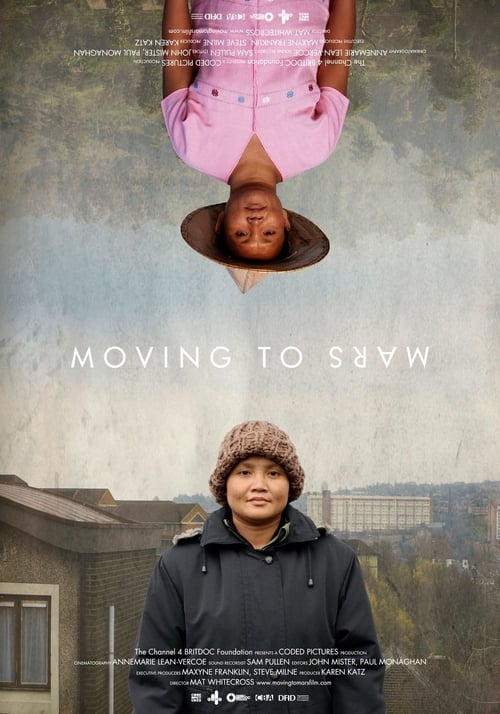
Moving to Mars charts the epic journey made by two Burmese families from a vast refugee camp on the Thai/Burma border to their new homes in the UK. At times hilarious, at times emotional, their travels provide a fascinating and unique insight not only into the effects of migration, but also into one of the most important current political crises - Burma.
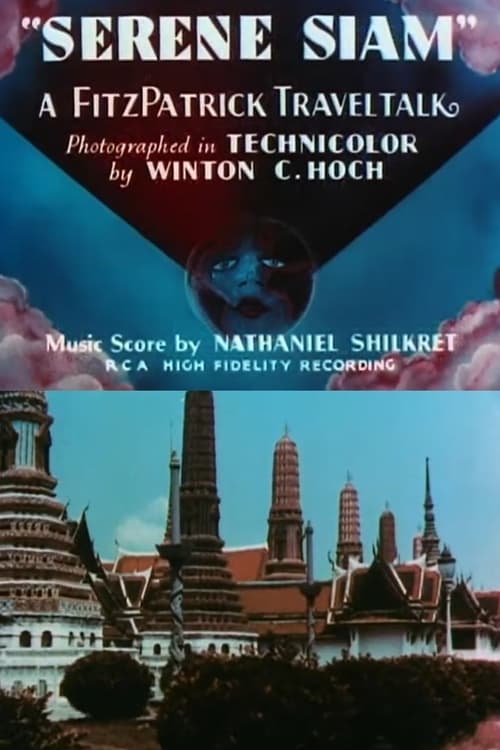
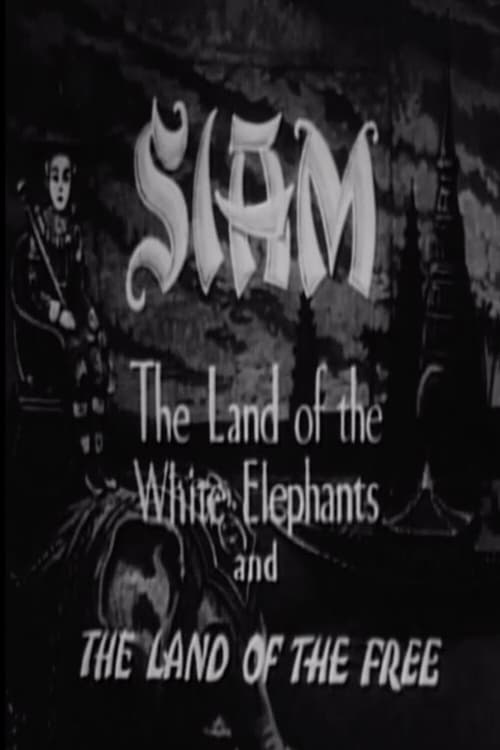
This travelogue begins at Bangkok's rail depot, a center of Indo-Chinese commerce. Next the narrator talks about Buddhism as the camera shows us some of Bangkok's many temples. Then, the narrator introduces us to the importance of traditional dance, with emphasis on the way that delicate wrist movements tell stories. It's on to the system of waterways in Bangkok, where more than 1,000,000 people live or conduct commerce. We take a ride down the Menam River, the country's most important commercial and social road. From our boat, we pass Wat Arun and other colorful signs of life typical in serene Siam.
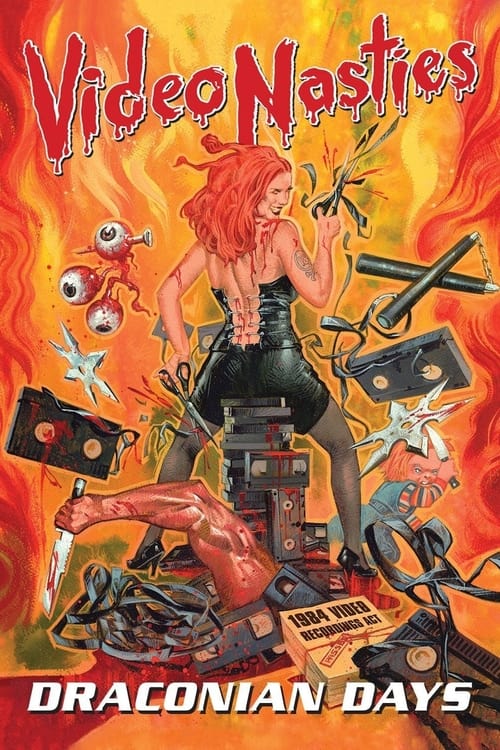
The highly anticipated follow-up to their critically acclaimed VIDEO NASTIES: MORAL PANIC, CENSORSHIP & VIDEOTAPE documentary, director Jake West and producer Marc Morris continue uncovering the shocking story of home entertainment post the 1984 Video Recordings Act. A time when Britain plunged into a new Dark Age of the most restrictive censorship, where the horror movie became the bloody eviscerated victim of continuing dread created by self-aggrandizing moral guardians. With passionate and entertaining interviews from the people who lived through it and more jaw dropping archive footage, get ready to reflect and rejoice the passing of a landmark era.
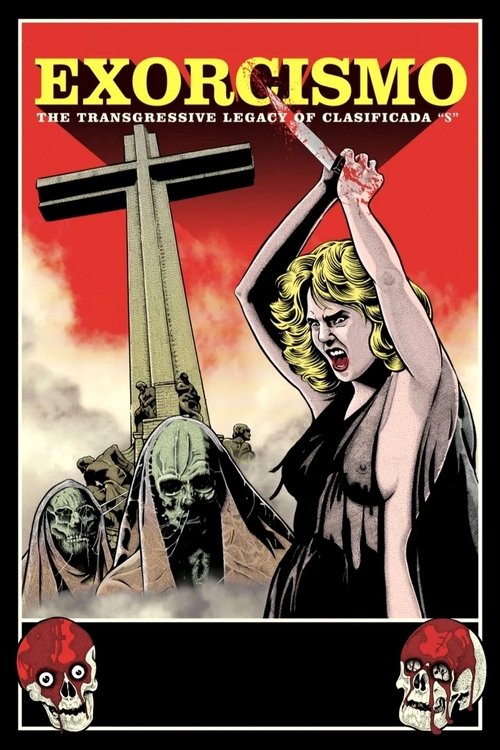
Spain, 1975. Franco's death opens the door to the possibility of uncensored cinema. After two years of relaxed censorship, it is abolished in 1977, and the “S” rating is created to protect viewers from films that may “offend their sensibilities.”
In Thailand, a hymn to rice need not always be sung. A dance, or spectacular homemade fireworks can say the same thing. As can a film, as is convincingly demonstrated by this lyrical, beautifully filmed homage to this essential staple food.
No overview available.
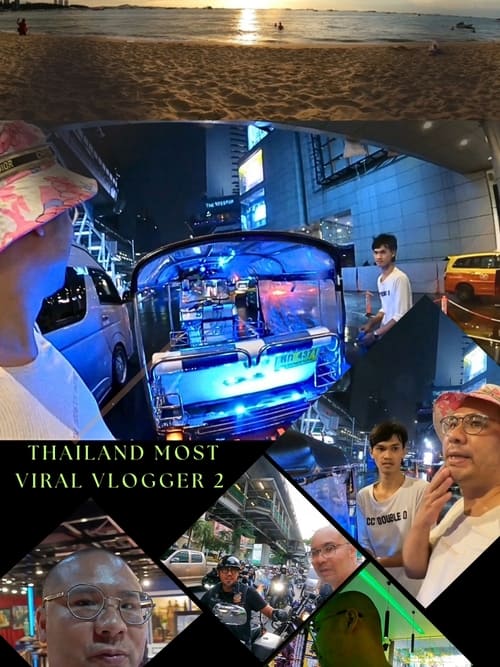
From love pride parade to the strain hunters of Thailand. A vlogger makes its journey from the side hustle streets of Bangkok, covering the lost gems of Pattaya beaches and the mystical wonders of valuable antiques, amulets and significant temple paintings.
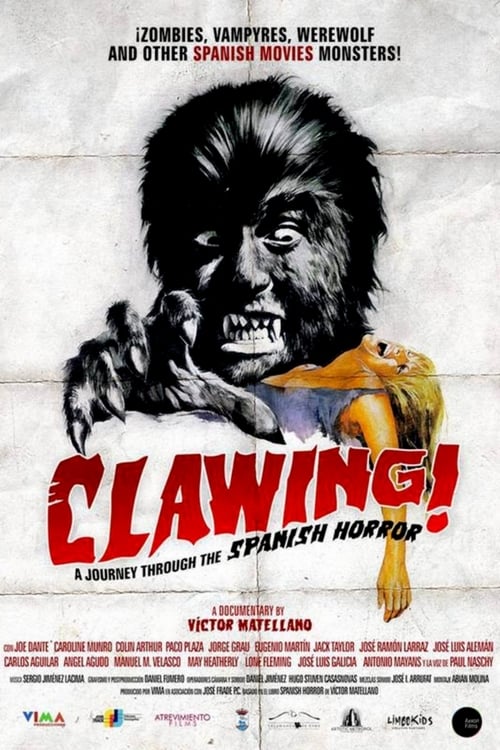
In the late sixties, Spanish cinema began to produce a huge amount of horror genre films: international markets were opened, the production was continuous, a small star-system was created, as well as a solid group of specialized directors. Although foreign trends were imitated, Spanish horror offered a particular approach to sex, blood and violence. It was an extremely unusual artistic movement in Franco's Spain.
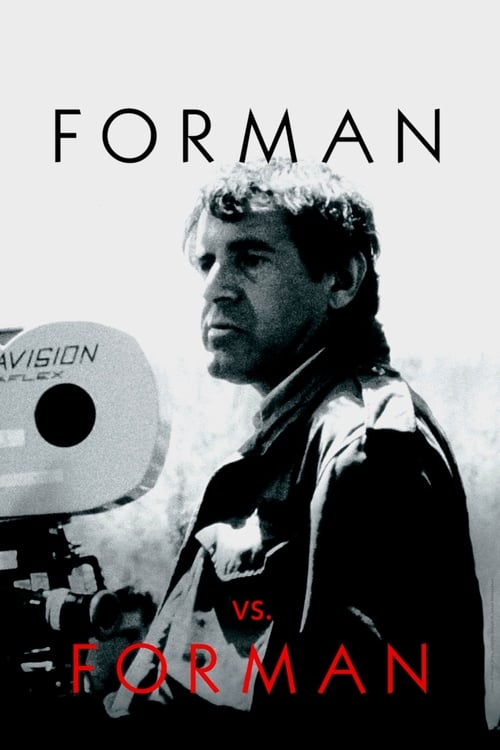
A moving account, in his own words, of the personal life and work of the brilliant Czech filmmaker Miloš Forman (1932-2018): his tragic childhood, his major contribution to the cultural movement known as the Czech New Wave, his exile in Paris, his troubled days in New York, his rise to stardom in Hollywood; a complete existence in the service of cinema.
A feature-length documentary that tells the story of the Censorship of Films Act 1923 and how one canny term in that statute has allowed consecutive holders of the role of Film Censor to reflect the prevailing values of Irish society over the last 100 years.
A short documentary about Thailand, formerly known as Siam.
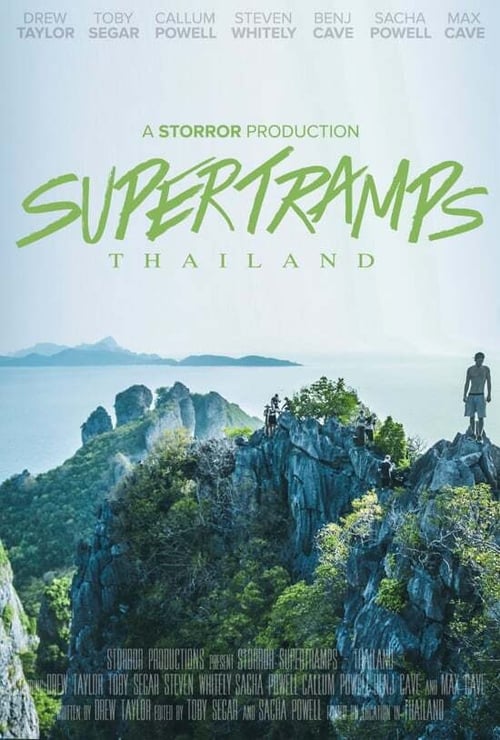
Storror Supertramps - Thailand is the first film of its kind. Seven friends take you on a thrilling feature length adventure, documenting their wild journey around South East Asia. Join some of the worlds favourite athletes on an incredible exploration into their world of fun, freedom and adventure. The boys push the limits of their comfort zone as they endure twenty-eight days with no plans, accommodation or money. What could possibly go wrong ?
A short documentary about the Thai restaurant Sabai Sabai located in Middlebury, Vermont.
Critical investigation of The World Bank and IMF. Too hot for PBS, but prime time TV everywhere else. Do the World Bank and IMF make the poor even poorer? Are the Bank and IMF democratic institutions? Why do people demonstrate against the Bank and IMF? For the first time, a documentary global investigation of major criticisms of the World Bank and the International Monetary Fund (IMF), two of the most powerful financial institutions in the world. Five country case studies are presented, each concentrating on a different aspect of critics' charges: 1. Bolivia: Debt, Drugs and Democracy 2. Ghana: The Model of Success 3. Brazil: Debt, Damage and Politics 4. Thailand: Dams and Dislocation 5. Philippines: The Debt Fighters. The charges, including those related to structural adjustment, are controversial and provocative. Some go to the heart of the power and policies of these institutions.