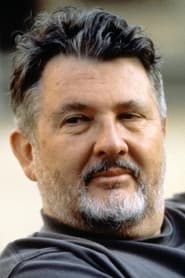
Walter Hill sits down for a rare retrospective interview for his 1981 film "Southern Comfort".
No Trailers found.
Self
The James Brown Story
In the summer of 1992 two filmmakers, Jeroen Berkvens and Walter Stokman, travelled through the United States of America. They were searching for tracks of the famous soulsinger Sly Stone.
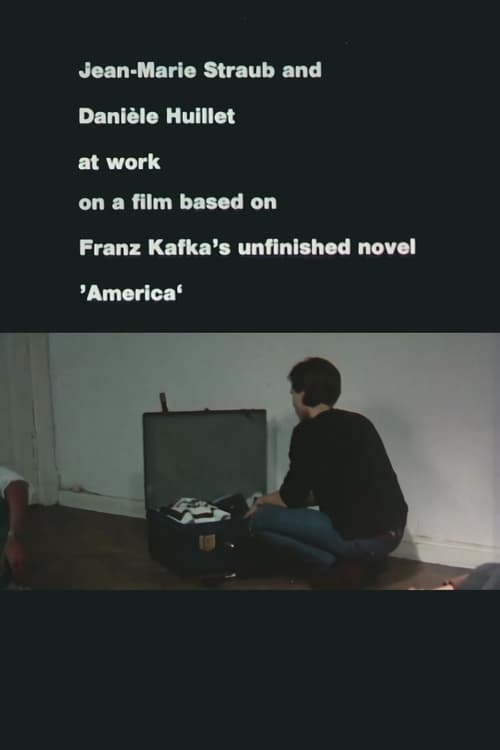
This film is at once a self-portrait and an homage to Jean-Marie Straub, Farocki's role model and former teacher at the Film Academy.
No overview available.
A look at the state of the global environment including visionary and practical solutions for restoring the planet's ecosystems. Featuring ongoing dialogues of experts from all over the world, including former Soviet Prime Minister Mikhail Gorbachev, renowned scientist Stephen Hawking, former head of the CIA R. James Woolse
The first feature-length documentary that fully explores how the toxic social and political Canadian context after 1968 created some of the most nihilistic and imaginative Canadian cult films of the 1970s and 80s and beyond.
Documentary celebrating the British sitcom and taking a look at the social and political context from which our favourite sitcoms grew. We enjoy a trip through the comedy archive in the company of the people who made some of the very best British sitcoms. From The Likely Lads to I'm Alan Partridge, we find out the inspiration behind some of the most-loved characters and how they reflect the times they were living in.
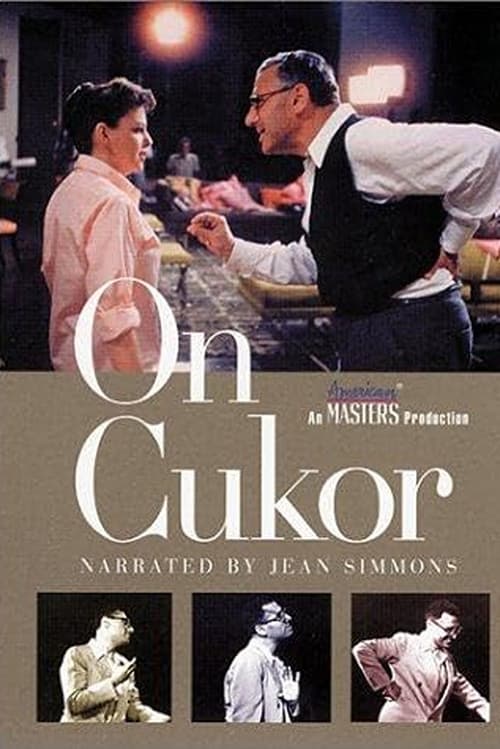
Widely thought of as “a woman’s director,” legendary film director George Cukor is profiled with the use of film clips and interviews with his friends and colleagues to provide a picture of the director’s unique accomplishments and to trace the arc of his career.
The Dark Side of Seduction is the Super Seducer 2 documentary. Culled from over 200 hours of footage, the documentary follows Richard La Ruina and the team as they go from pre-production to completion. See behind the scenes footage and interviews with the cast and crew, as they struggle with making a sequel to one of the most controversial games ever. Get unparalleled access to the team, and gain insight into the process of making the world's biggest ever FMV game. The team battle with the question of whether they are doing something evil or actually doing something that will make the world a better place.
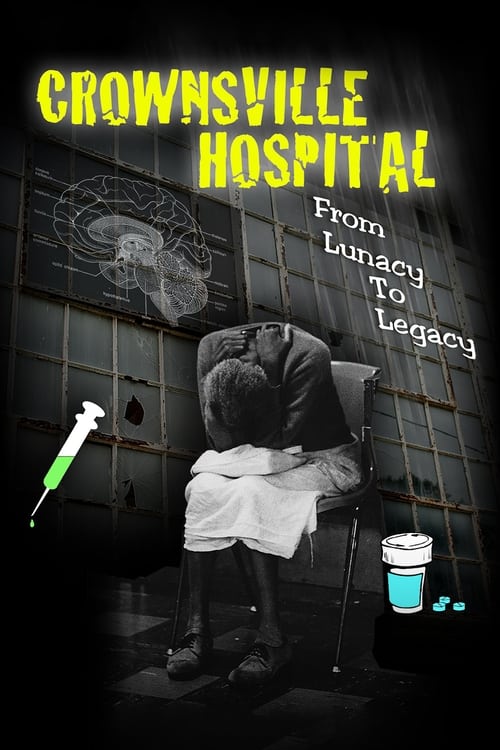
Crownsville Hospital: From Lunacy to Legacy is a feature-length documentary film highlighting the history of the Crownsville State Mental Hospital in Crownsville, MD.
Alongside Rembrandt and Vermeer, Frans Hals was one of the key figures in 17th century Dutch art. But unlike his contemporaries, who tended to paint gloomy or pensive pictures, Hals was entirely devoted to joy. He painted people who could barely conceal their zest for life - at a time when it was frowned upon to show teeth.
This beautiful and poignant film was commissioned by TENI (Transgender Equality Network Ireland) and is a conversational piece which explores gender identity and transgender experiences in Ireland.
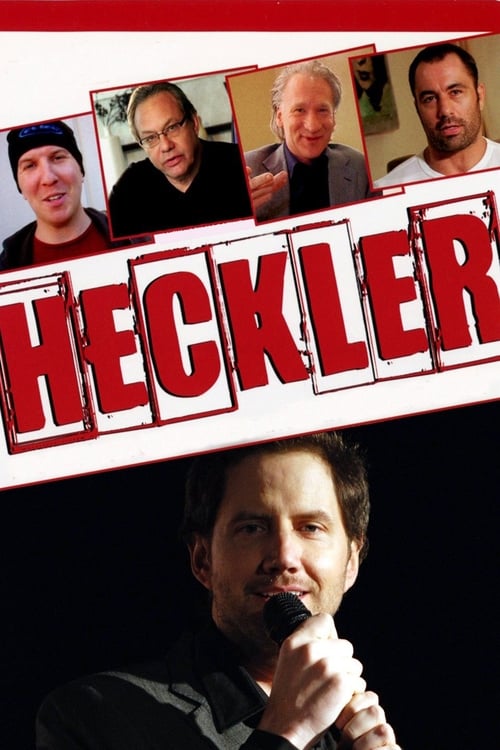
HECKLER is a comedic feature documentary exploring the increasingly critical world we live in. After starring in a film that was critically bashed, Jamie Kennedy takes on hecklers and critics and ask some interesting questions of people such as George Lucas, Bill Maher, Mike Ditka, Rob Zombie, Howie Mandel and many more. This fast moving, hilarious documentary pulls no punches as you see an uncensored look at just how nasty and mean the fight is between those in the spotlight and those in the dark.
Interview with actor Simone Mattioli on the making of "Burial Ground".
What is anime? Through deep-dives with notable masterminds of this electrifying genre, this fast-paced documentary seeks to find the answers.
This documentary treats movie fans to a behind-the-scenes look at the making of Max Keeble's Big Move, about a young boy who uses his imminent move to another town as his big chance for revenge on everyone who's tormented him, only to have his plan backfire. Included are interviews with the cast and crew who talk about the experience of making the film, as well as all of the effort that went into it.
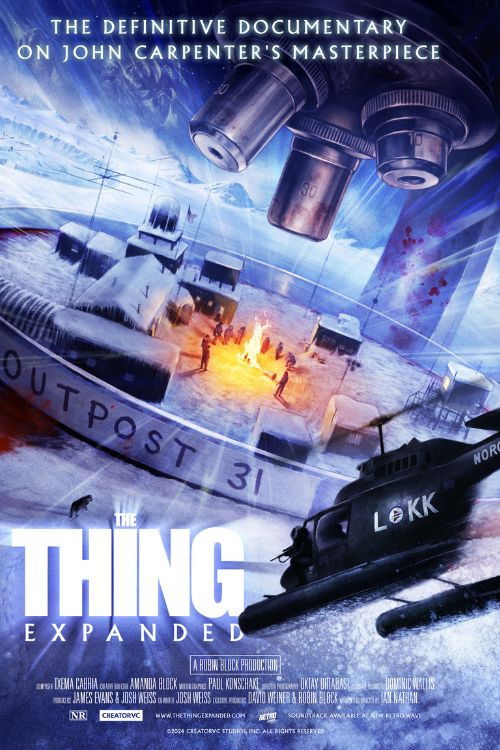
The ultimate companion to John Carpenter’s "The Thing", digging deep into the proverbial iceberg to enhance your viewing experience with new insights, stories, and revelations.
Winfrey speaks with Markle about everything from stepping into life as a Royal, marriage, motherhood, her philanthropic work and how she is handling life under intense public pressure. Later, the two are joined by Prince Harry as they speak about their move to the United States and their future hopes and dreams for their expanding family.