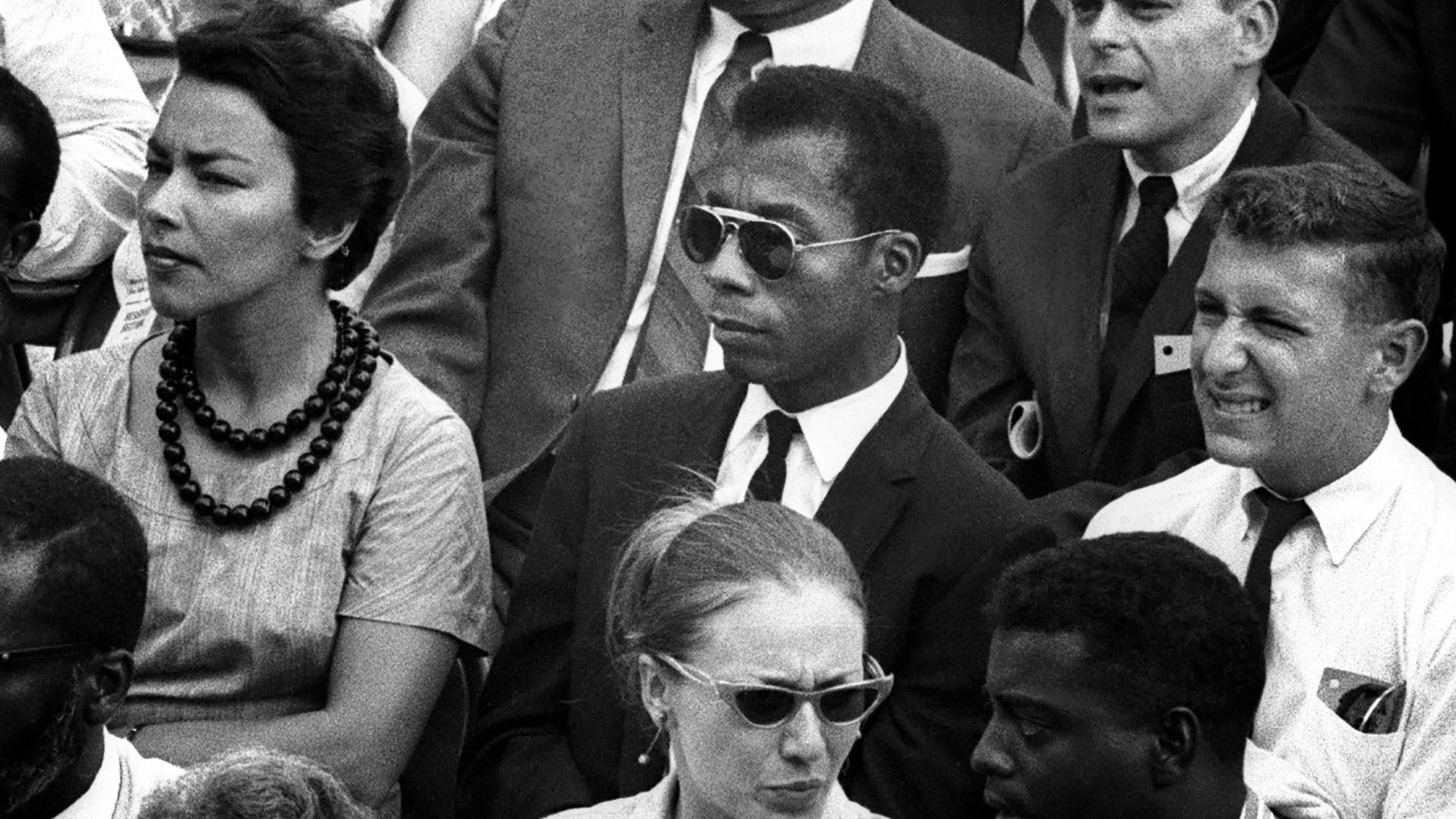
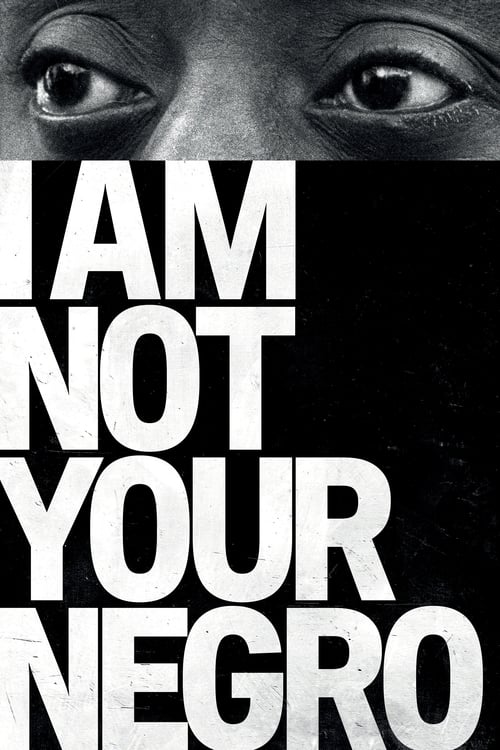
Working from the text of James Baldwin’s unfinished final novel, director Raoul Peck creates a meditation on what it means to be Black in the United States.
Trailer
Narrator (voice)
Narrateur (voix-off)
Self
In the summer of 1992 two filmmakers, Jeroen Berkvens and Walter Stokman, travelled through the United States of America. They were searching for tracks of the famous soulsinger Sly Stone.
Drama documentary based on the latest discovery of a 16th Century sailing shipwreck found close to Malta by an underwater research team led by maritime archaeologist Timmy Gambin.
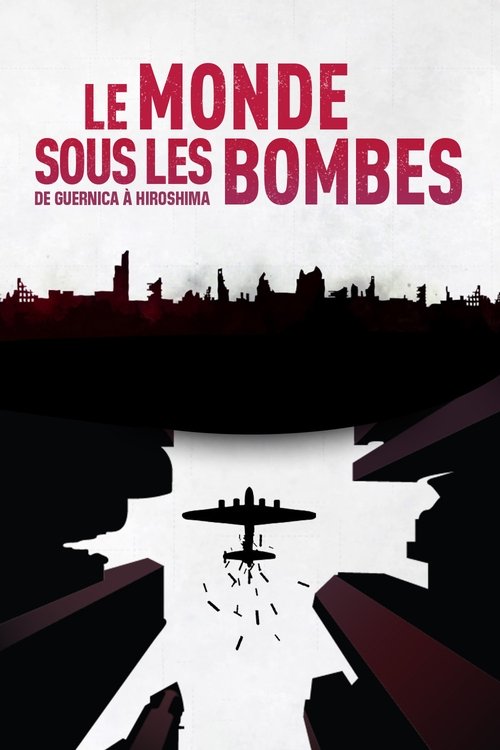
Beginning with Guernica and the Chinese cities of Chongqing and Shanghai in 1937 and ending with the bombing of Hiroshima and Nagasaki in August 1945, World War Two saw a new art of warfare in the form of extensive, worldwide bombing campaigns.
A roller-coaster ride through the history of American exploitation films, ranging from Roger Corman's sci-fi and horror monster movies, 1960s beach movies, H.G. Lewis' gore-fests, William Castle's schlocky theatrical gimmicks, to 1970s blaxploitation, pre-"Deep Throat" sex tease films, Russ Meyer's bosom-heavy masterpieces, etc, etc. Over 25 interviews of the greatest purveyors of weird films of all kind from 1940 to 1975. Illustrated with dozens of films clips, trailers, extra footage, etc. This documentary as a shorter companion piece focusing on exploitation king David F. Friedman.
No overview available.
"Marx can wait" was something Camillo Bellocchio said to his twin Marco the last time they met before the former died at a young age in the heated days of 1968. This documentary is dedicated to his memory.
The first feature-length documentary that fully explores how the toxic social and political Canadian context after 1968 created some of the most nihilistic and imaginative Canadian cult films of the 1970s and 80s and beyond.
The Dark Side of Seduction is the Super Seducer 2 documentary. Culled from over 200 hours of footage, the documentary follows Richard La Ruina and the team as they go from pre-production to completion. See behind the scenes footage and interviews with the cast and crew, as they struggle with making a sequel to one of the most controversial games ever. Get unparalleled access to the team, and gain insight into the process of making the world's biggest ever FMV game. The team battle with the question of whether they are doing something evil or actually doing something that will make the world a better place.
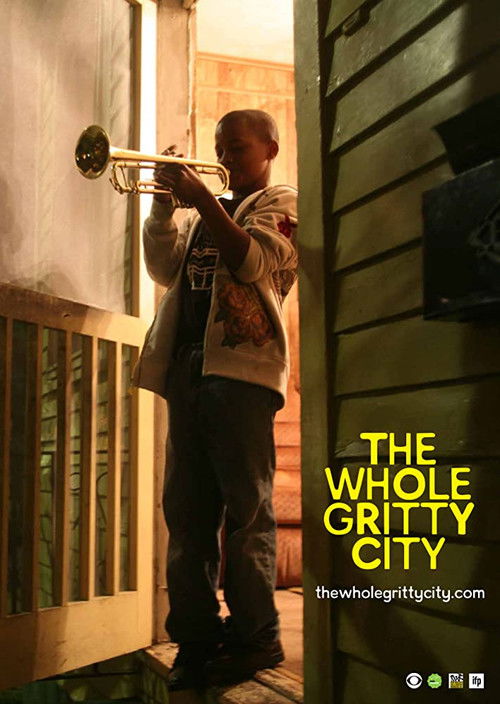
Young members of 3 New Orleans school marching bands grow up in America's most musical city, and one of its most dangerous. Their band directors get them ready to perform in the Mardi Gras parades, and teach them to succeed and to survive.
This beautiful and poignant film was commissioned by TENI (Transgender Equality Network Ireland) and is a conversational piece which explores gender identity and transgender experiences in Ireland.
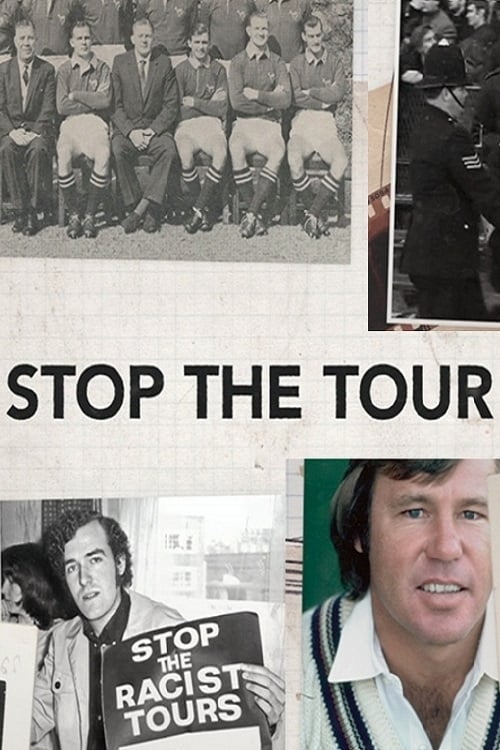
Stop The Tour discovers the extraordinary story of how sport helped bring an end to Apartheid which paved the way towards the multi racial 2019 Springbok champions.
Interview with actor Simone Mattioli on the making of "Burial Ground".
Fascinating new translations and fresh research are transforming the myth of Atlantis from the realm of fantasy into an incredible reality. Travel across continents and centuries to unlock the secrets of Plato's final legacy - a true story of Ancient Greece, Africa, and climate change across deep time.
When he was only 9-years-old Tan France tried to lighten his own skin with bleaching cream. He faces up to his own experiences in an attempt to explore perceptions of beauty, skin tone and colourism.
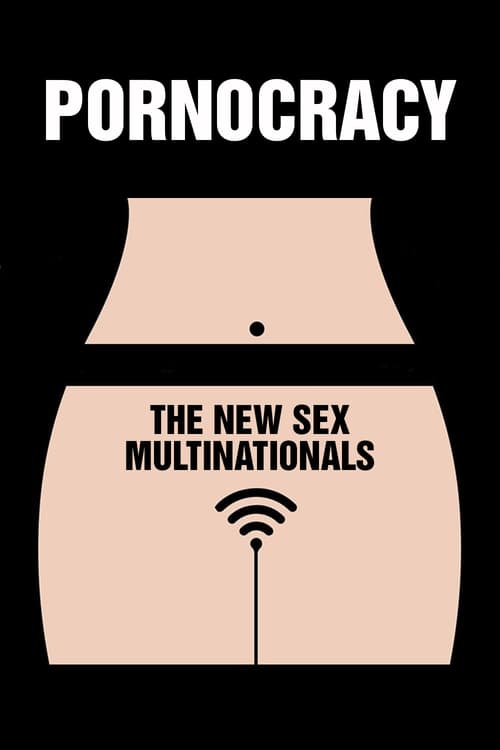
Never before have we watched as much porn as today yet the traditional porn industry is dying. The arrival of web sites showing amateur clips has transformed the way porn is made and consumed. Behind this transformation lies one opaque multinational.