A 38 minute documentary that investigates why antisemitism exploded in Bay Area High Schools after Hamas attacked Israel on October 7. This comes after years of anti-Asian hate and anti-white hate.
Trailer
Self
No overview available.
Short-documentary about the squat at Amandastraße 73 in Hamburg.
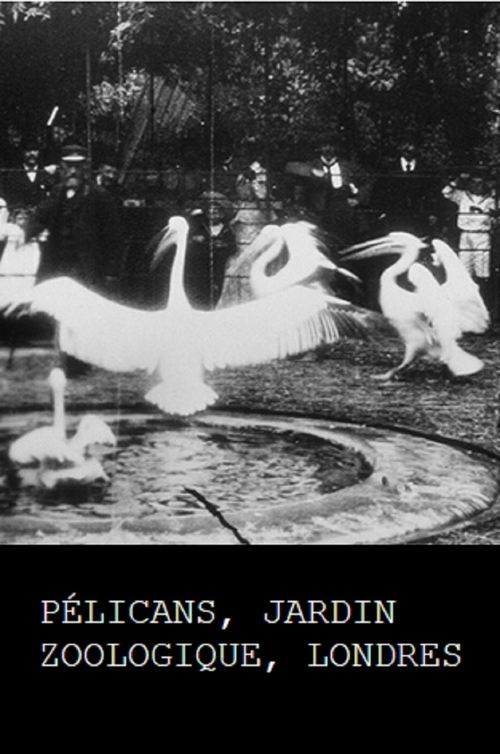
Pelicans move
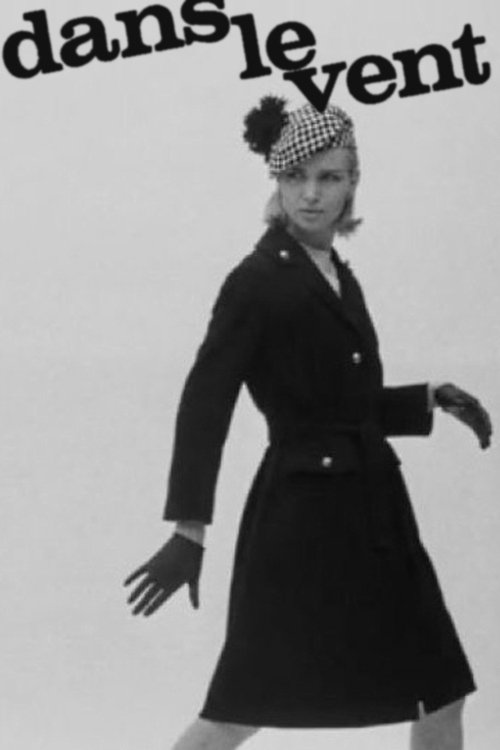
Short subject on how fashion is created-- not by the great couturiers, but on the street.
Berlin‘s past and future through the eye of an outsider - nothing but the naked truth by someone being torn apart by life and longing.
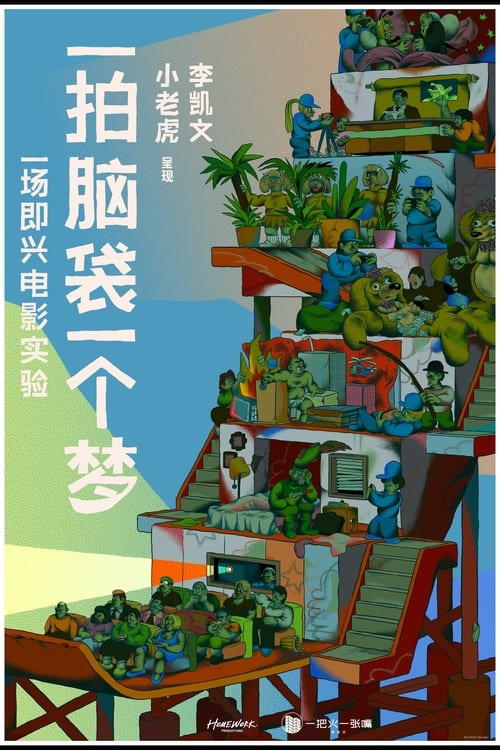
A filmmaker and rapper duo revive Michel Gondry’s “Be Kind Rewind” protocols - a set of filmmaking “rules” with which groups of strangers can conceive, shoot, and screen a film in just two and a half hours. Against the grim backdrop of the stringent Shanghai lockdown, the event soon turns into a sanctuary for individuals to forge collective dreams.
Following Shamim Khan’s and his co-workers’ daily care for the Islamic Delhi Gate Cemetery over the last two years, the film attempts to comprehend an event unprecedented in the recent history of the world – the COVID-19 pandemic – through the eyes of a keeper of the dead.
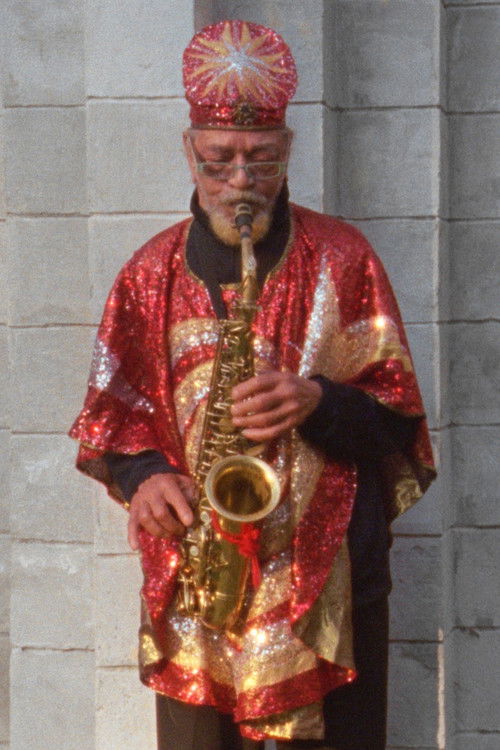
A visual odyssey of Sun Ra concepts through their followers - Marshall Allen and Abshalom Ben Shlomo. The film follows Sun Ra Arkestra band members and their journey across the desert, a promised land where Sun Ra once created his identity. Navigating through an astro-galactic world of sound, they find a reason to fight racism, injustice and vanity of the modern world - all through inner wisdom of music and sound. It's a story of infinite peace in a troubled world. An utopian planet where Sun Ra and his prophets celebrate the divine wealth of their spirits.
As the impact of the climate crisis intensifies each year, both Steven Fuller and Yellowstone face an unprecedented threat to their future — one that could forever change one of North America's last great wildernesses.
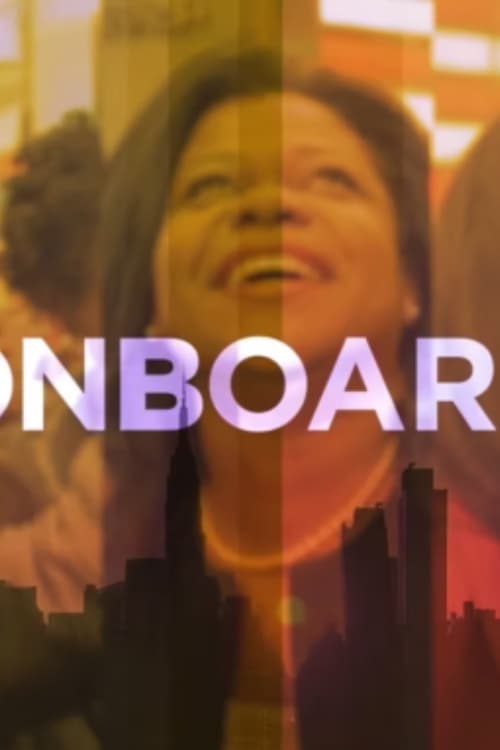
OnBoard is a brilliant chronicle of the rise of Black women on America's boards and the evolution of board diversity from Patricia Roberts Harris in 1971 to the present day, as seen through the eyes of a group of fearless women organized during the Summer of 2020 to create change. Merline Saintil, a former Tech COO and Robin Washington, a former CFO, were well-known in the boardrooms of America. During an ordinary phone call between the two women, something extraordinary happened– the movement to create an organization to expand the opportunity and exposure of Black women who can impact America's boards. Black Women on Boards, the now global organization of 200+ members, was conceived at that moment.
Using innovative animation and expert insights, this documentary based on Ibram X. Kendi's bestseller explores the history of racist ideas in America.
Joan Bakewell visits Haworth in Yorkshire, home of the Brontës, to see the setting in which the novelists worked.
A Foot in the Door tells the story of Kindergarten to College (K2C), the first universal children’s savings account program in the United States. Launched by the City and County of San Francisco, the program automatically provides a college savings account to children when they start kindergarten.
More than 60,000 of Ernest Cole’s 35mm film negatives were inexplicably discovered in a bank vault in Stockholm, Sweden. Most considered these forever lost, especially the thousands of pictures he shot in the U.S. Told through Cole’s own writings, the stories of those closest to him, and the lens of his uncompromising work, the film is a reintroduction of a pivotal Black artist to a new generation and will unravel the mystery of his missing negatives.
A documentary about the making of Ari Aster's Kafkaesque epic Beau is Afraid.
In the void created ad hoc to throw us into desperation, fear, shock, the torment of an infinite present, Arto Lindsay sings with words, silences and small gestures of/with/for/about love, a force that is so violent that nothing will ever be the same again.
Presence narrates the journey of Thati, a woman determined to overcome her anxiety attacks through surfing. She finds refuge in the waves, where the surfboard becomes her ally and personal therapy.
At Ella Hill Hutch Community Center in the Fillmore, magic is happening. Throughout the 2024 school year, Magic Zone students in Citizen Film's filmmaking and media production class collaborated in painting murals that represent their community, cultivating a beautiful garden, learning how to cook nutritious meals and documenting community stories through still photography, video and graphic design.