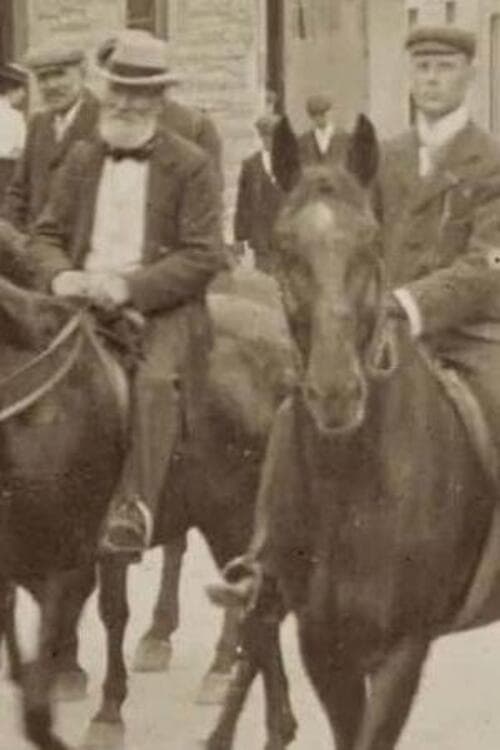
Selkirk does its Border traditions proud with a cavalcade of riders and a herculean feat of banner waving.
No Trailers found.
No Cast found.
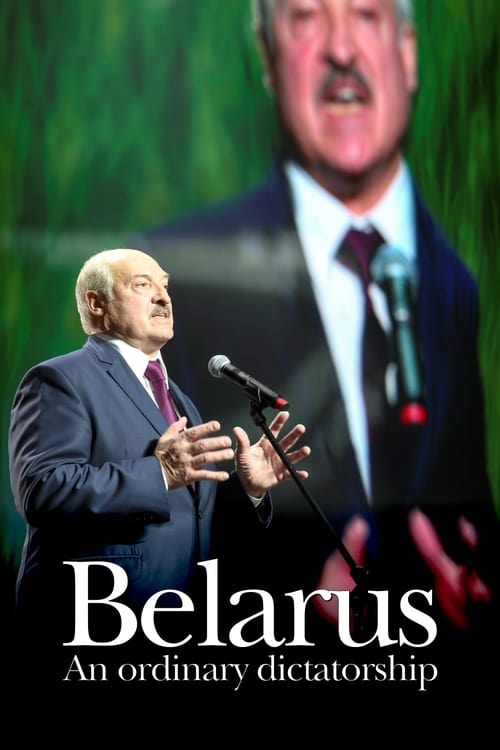
It’s the last dictatorship of Europe, caught in a Soviet time-warp, where the secret police is still called the KGB and the president rules by fear. Disappearances, political assassinations, waves of repression and mass arrests are all regular occurances. But while half of Belarus moves closer to Russia, the other half is trying to resist…
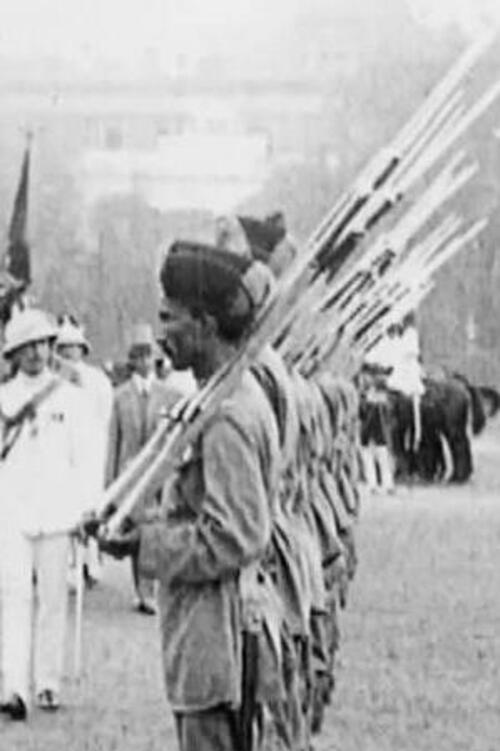
Lord Lytton takes up the post of Governor of Bengal.
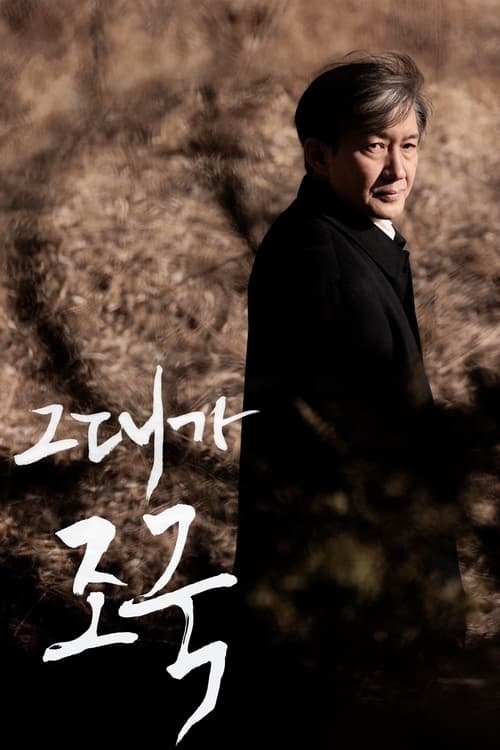
Is Korea a democratic republic or a prosecution republic? Can you be confident that the blade of the prosecution is not aiming at you? Their hunt has begun. Following the coordinates thrown by the prosecution, the media gathers, and rumors circulate. Prosecutors wield a sword before the angry public. Who is the one being chased over there? Are you confident that you are not the one?
A short documentary immersing you in the intimacy and harsh reality of young LGBTQ+ artists, working in Los Angeles in the midst of the glamorous neighborhood of West Hollywood.
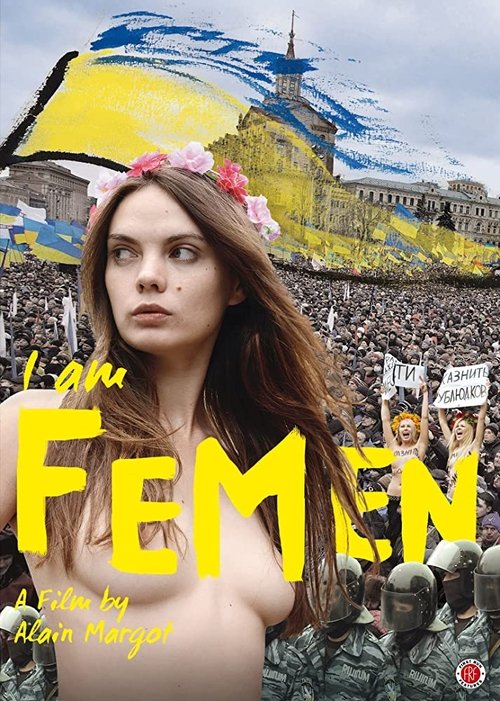
Oxana is a woman, a fighter, an artist. As a teenager, her passion for iconography almost inspires her to join a convent, but in the end she decides to devote her talents to the Femen movement. With Anna, Inna and Sasha, she founds the famous feminist group which protests against the regime and which will see her leave her homeland, Ukraine, and travel all over Europe. Driven by a creative zeal and a desire to change the world, Oxana allows us a glimpse into her world and her personality, which is as unassuming, mesmerising and vibrant as her passionate artworks.
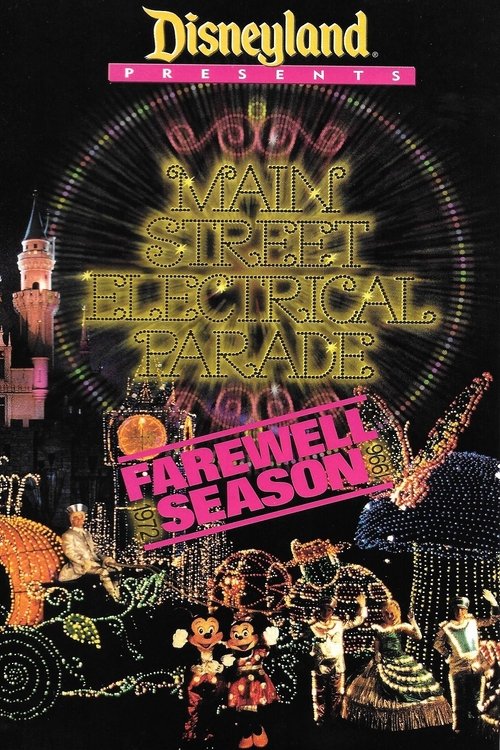
Catch the spark after dark at Disneyland Park. And say farewell to one of the Magic Kingdom's most celebrated traditions - The Main Street Electrical Parade. Where else, but in The Main Street Electrical Parade, could you see an illuminated 40-foot-long fire-breathing dragon? And hear the energy of its legendary melody one last time? It's unforgettable after-dark magic that will glow in your heart long after the last float has disappeared.
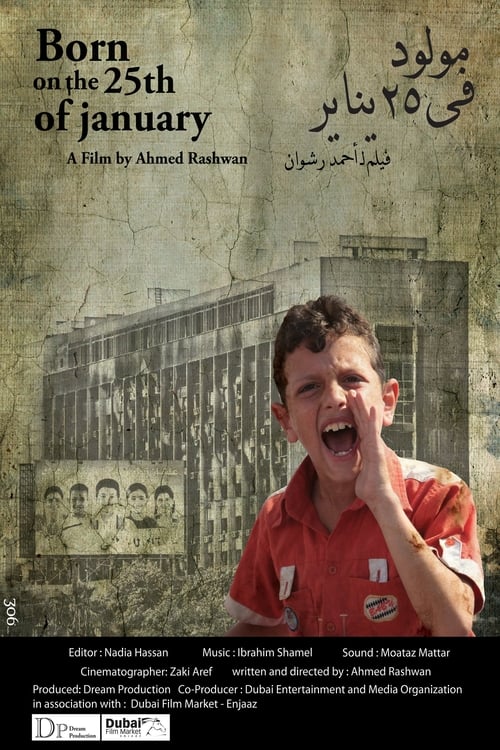
From January 25 to May 27, 2011, the film tracks four months of the Egyptian revolution as seen through the director's eyes. January 25 is the beginning, but May 27 is not the end - because the revolution continues.
Voigt, Kroske and Richter were among the first filmmakers who documented the events of the historic 9th of October 1989. Their “material” reflects them from different angles: protesters, workers, opposition members, policemen, street sweepers and functionaries. THE document of the “peaceful revolution”.
This short documentary film gives a little history of the parade, with film clips. But, its main focus is on the making of the 1947 classic holiday film "Miracle on 34th Street" and the 20th Century Fox shooting of the November 1946 parade and in Macy's department store.
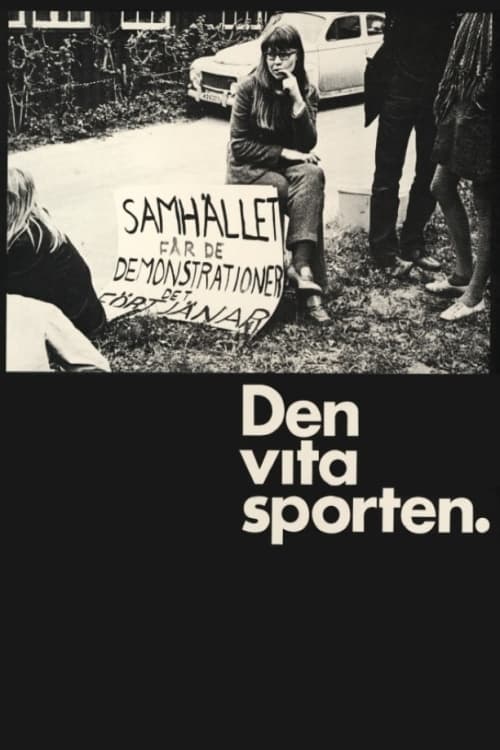
Documentary film about the protests against the 1968 Davis Cup tennis match between Sweden and Rhodesia, in Båstad, Sweden. In a series of interviews, demonstrators and members of the Swedish government give their views on sport, politics and civil disobedience.
Barcelona, Spain, June 1977. A chronicle of a demonstration held to demand the repeal of a 1970 Francoist law criminalizing homeless, prostitutes and homosexuals.
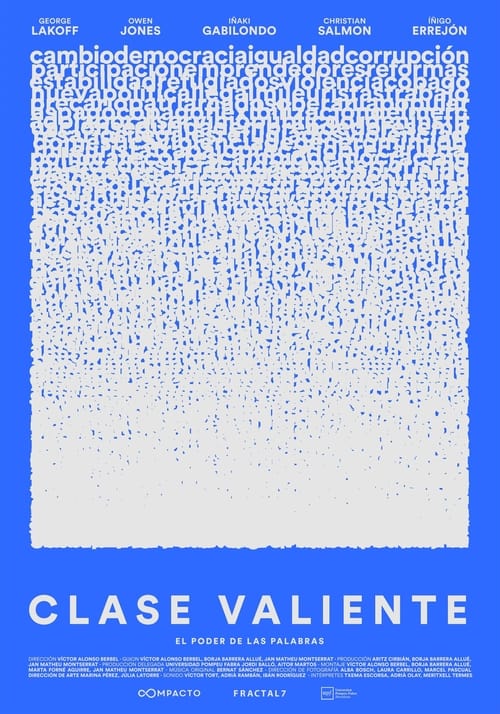
Three college students start a social experiment to prove that reality changes according to the words we use to describe it. Through research, activist actions, and artistic interventions, they analyze the importance of language in the way we understand the world. The documentary includes analysis from more than 20 international experts and leaders in the fields of political communication and information.
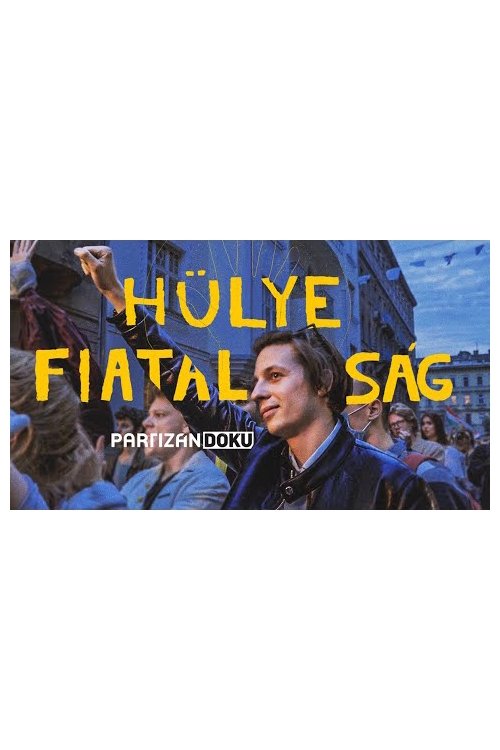
In 2020 the Hungarian government announced the change of ownership at nine state universities in order to make them maintained by foundations. The so-called “restructuring” comprised the imposition of a board of trustees over the universities, the members of which being loyal supporters of the government holding stable positions in its economic halo. Only one of the nine institutions protested against the forced political takeover of the University of Theatre and Film Arts (SZFE). Our film presents one of the stories of the university blockade.
Poland, 1970. When popular protests erupt in the streets due to rising prices, the communist government organizes a crisis team. Soon after, the police use their truncheons and then their firearms. The story of a rebellion from the point of view of the oppressors.
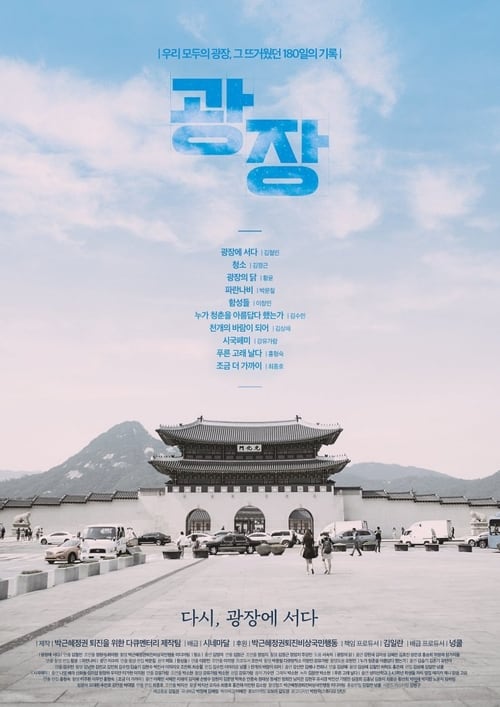
Project 1 _ Hong Hyung-sook The children who are enthusiastically painting and cutting a doll. What stories will be told at the Square? - Project 10 _ Kim Jeong-geun The janitorial worker from the Busan Subway Station, Kim Young-ja talks about how she hopes to see a clean world, just like how she cleans everywhere in the subway.
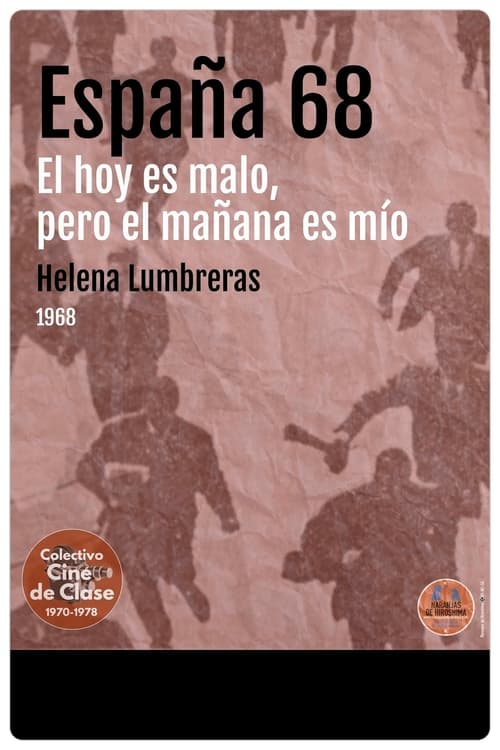
Spain, 1968. An analysis of the political and social situation of the country, suffocated by the boot of General Franco's tyrannical regime. (Filmed clandestinely in Madrid and Barcelona during the spring of 1968.)
No overview available.
For the first time in history people and machinery are working together, realizing a dream. A uniting force that knows no geographical boundaries. Without regard to race, creed or color. A new era where communication truly brings people together. This is the dawn of The Net.
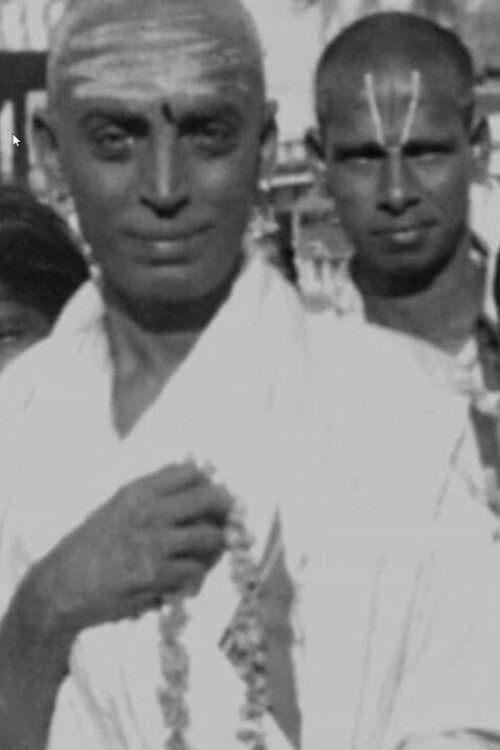
The thronging streets of Chennai in festive mood are captured by this lively amateur film.
J.T. Baily will demonstrate how to repair a broken window. Broken windows are never very picturesque, and at this time of the year extra ventilation is not at all welcome. After this demonstration, however, every viewer should be able to look forward to window breakages as a fine opportunity for a show of skill.