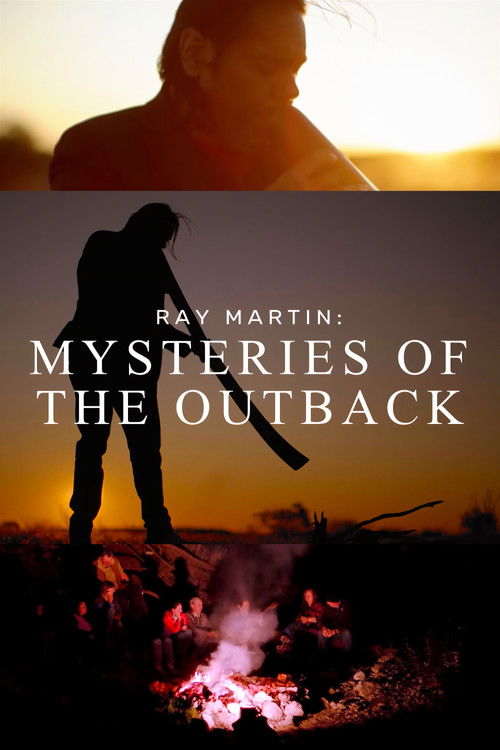
Ray Martin goes on a grand quest to locate a mysterious outback rock formation he spotted and photographed from an airliner 37,000 feet in the air.
For millenniums, Aborigines used tracking to survive. Their ancient skills now help police capture murderers and save people's lives. Will modern technology replace an art based on the intimate bond between man and nature?
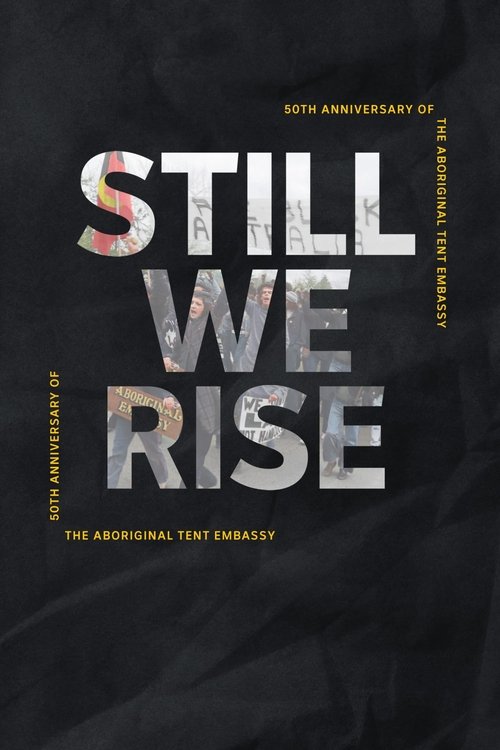
50 years on, the Aboriginal Tent Embassy is the oldest continuing protest occupation site in the world. Taking a fresh lens this is a bold dive into a year of protest and revolutionary change for First Nations people.
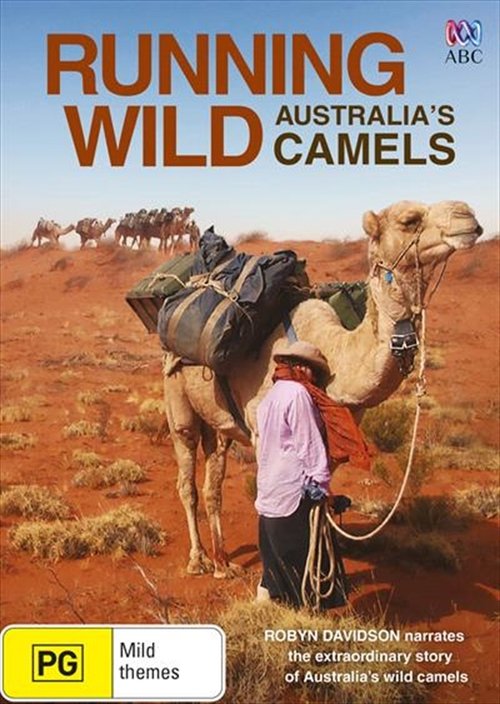
Robyn Davidson, famous for her solo expedition across the west Australian deserts by camel in the 1970s, presents this documentary telling the story of Australia's camels and the people who brought them here.
The epic David vs Goliath battle for justice waged by the families of three Aboriginal children murdered in a small rural town 30 years ago, the system that failed them, and what it reveals about racism in Australia today.
RODEO ROAD explores the unique cowboy culture of Australia's remote north west in the pursuit of the rodeo dream - eight seconds of bull riding glory. Each year cowboys from across the Kimberley load up their saddles, chaps and wranglers and go rough-riding. Some are born and bred in the saddle, while others are young ringers from over east who come to muster through the dry season. Come rodeo time they are chasing the dream, gripped by the rodeo fever of the wild north west.
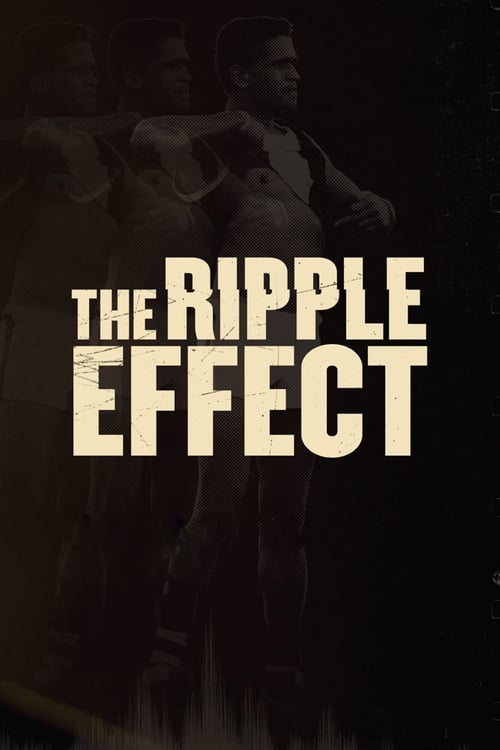
The Ripple Effect is a powerful documentary primarily centred around St Kilda legend and proud Noongar Nicky Winmar's generation-defining stand against racism at Victoria Park in 1993.
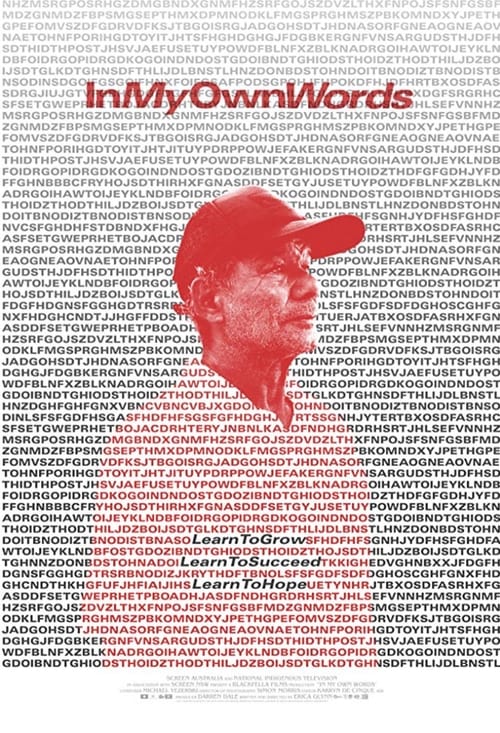
The raw, heartfelt and often funny journey of adult Aboriginal students and their teachers as they discover the transformative power of reading and writing for the first time.
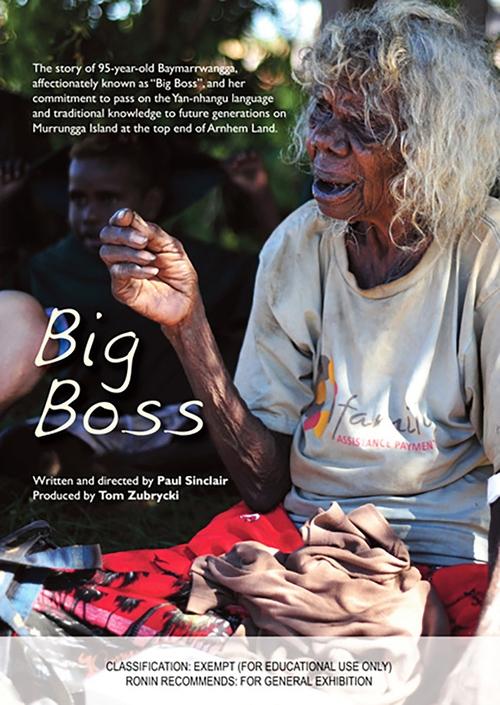
The story of 95-year-old Aboriginal elder Laurie Baymarrwangga and her work to maintain the language and cultural traditions of the Yan-nhangu people of Murrungga.
The story of a Warlpiri woman, Audrey, and her Sicilian partner Santo as they navigate through colonial systems to keep the children they care for together. Audrey Napanangka was born at a time when the world was changing for the people in the Central Australian Desert. Settler colonisation was permeating the desert and forced changes and the fusion of two worlds shifted Audrey’s life forever. Today, Audrey raises young people to walk in many worlds, by centering culture, language, and Law in their lives alongside mainstream education. The intimate footage filmed over 10 years in Mparntwe (Alice Springs), Yuendumu and Audrey’s Warlpiri country Mount Theo, showcases a heartwarming story about the power of kinship and family in what is known as Australia.
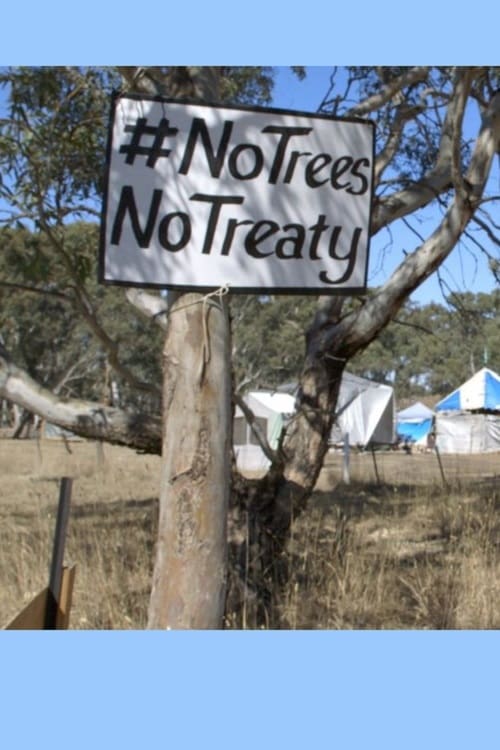
Young Aboriginal people who are traditional custodians in Victoria explore the Treaty process with questions, concerns and their opinions. Sharing their insights into what has been happening and what needs to happen.
A film collaboration between Quenten Agius (Aboriginal storyteller) and Kim Mavromatis (mixed media producer). Filmed on Ngadjuri country, Mid North and Southern Flinders Ranges region of South Australia. The film incorporates 10 years of archival material, shot with 8 different cameras, including 3 drones and a mobile phone camera.
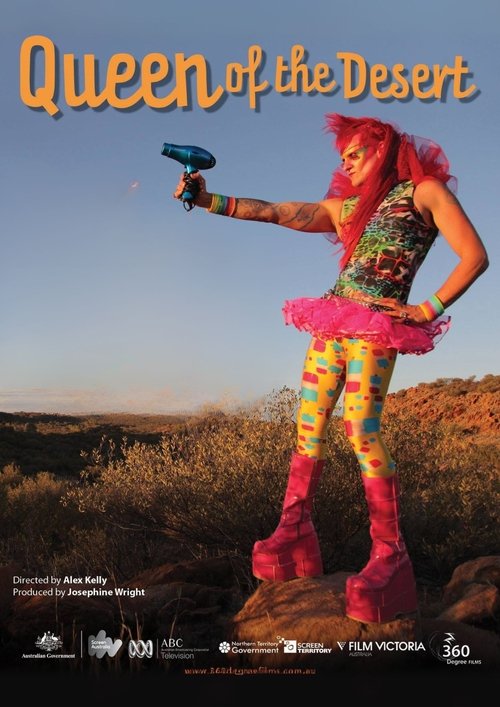
Not only has she got pink extensions, painted on eyebrows, glitter stockings and superman hotpants, Starlady’s a youth worker in some of Australia’s most remote and challenging places. And she reckons that hairdressing can improve people’s lives. Like a real life Priscilla, Starlady takes us on a Queen of the Desert journey to Areyonga, an indigenous community in Central Australia, where she’ll work with a group of curious and cheeky young people.
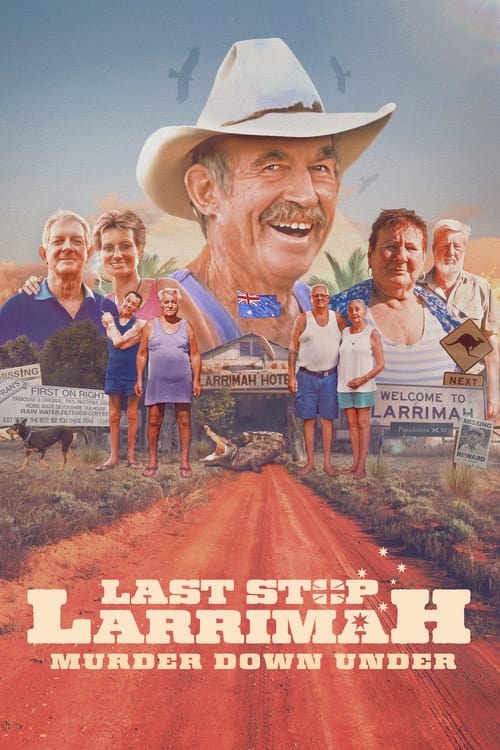
Nestled deep in the Australian Outback is the town of Larrimah and its 11 eccentric residents. When one of them mysteriously disappears into thin air, the remaining residents become suspects and a long history of infighting is unveiled.
Lake Mungo is an ancient Pleistocene lake-bed in south-western New South Wales, and is one of the world’s richest archaeological sites. Message from Mungo focuses on the interface over the last 40 years between the scientists on one hand, and, on the other, the Indigenous communities who identify with the land and with the human remains revealed at the site. This interface has often been deeply troubled and contentious, but within the conflict and its gradual resolution lies a moving story of the progressive empowerment of the traditional custodians of the area.
On June 21 2007, the Howard Federal Government launched an intervention into Aboriginal communities in the Northern Territory. It was one of the most dramatic policy shifts in the history of Aboriginal affairs. Relentless media attention focuses on ideological arguments for and against the Intervention, while the voices of those affected by the policy are rarely heard. For this film more than 40 Alice Springs town camp residents were interviewed in depth over the course of eight months to find out the answer to the question - is it working?
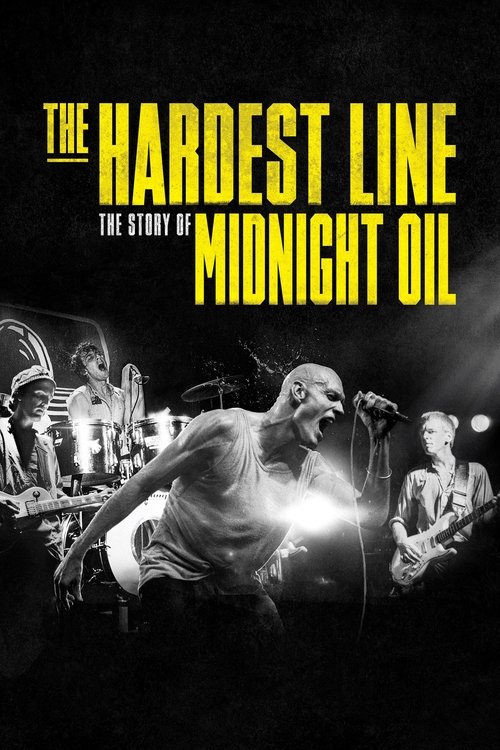
Across a 45-year career ‘The Oils’ helped shape modern Australia with anthems like “US Forces”, “Beds Are Burning” and “Redneck Wonderland”. Featuring unseen footage and interviews with every band member, alongside signature moments including the outback tour with Warumpi Band, their Exxon protest gig in New York and those famous “Sorry” suits at the Sydney Olympics, Midnight Oil: The Hardest Line traces the journey of Australia’s quintessential rock band.
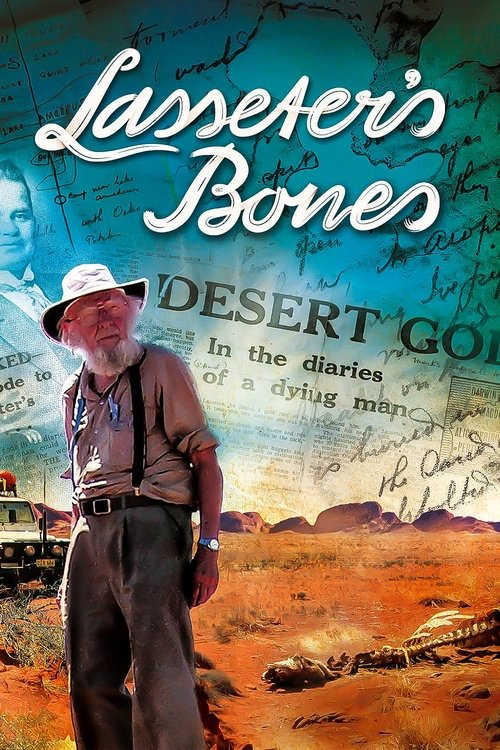
Australia’s El Dorado was found by Lewis Harold Bell Lasseter – if we believe his claims in the late 1800s to have discovered a vast gold deposit in central Australia. This mysterious place has never again been found, and many believe it doesn’t exist. But one thing is certain: Lasseter was a larger-than-life character. Seen by some as an eccentric conman, he was ridiculed for his extravagant assertions, which he held until his tragic end. But Lasseter remains the embodiment of the Australian folk hero, who lived a life full of incredible adventures, tall tales and outrageous claims – including a possible faked death and his insistence that he designed the Sydney Harbour Bridge.
In this documentary companion to CHARLIE'S COUNTRY, Australian actor David Gulpilil tells the story of when his people's way of life was derailed by ours.
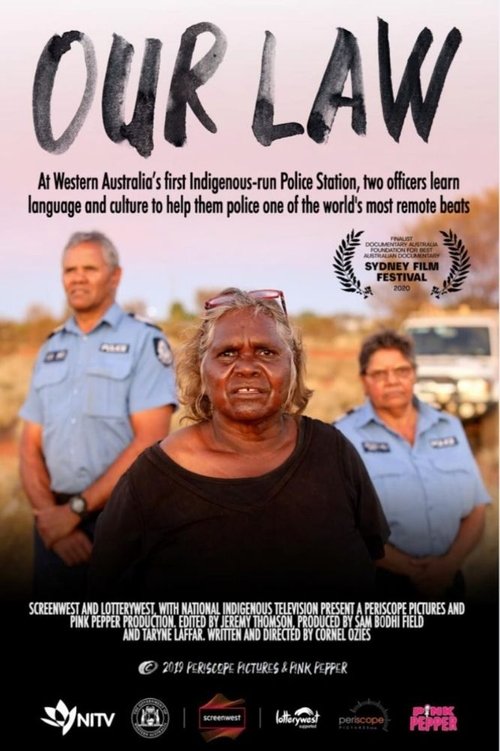
At Western Australia’s first Indigenous-run police station, two officers learn language and culture to help them police one of the most remote beats in the world.
After discovering that her home on the Tiwi Islands is at risk from a huge gas project, Antonia Burke mobilises her community creating the first ever Tiwi Women’s Ranger group.
No Trailers found.
Host