An adrift man must fall into the depths of drug abuse to resurrect his past lover, oblivious to the catastrophic consequences.
Short film on Raoul Servais' Servaisgrafie process/invention.
Slapstick - a tribute to 100 years of cinema: authorities, in their efforts to create order, often create disorder, not noticing this.
When a stubborn old man and a fretful teenaged girl are forced to share a hospital room, an unexpected friendship forms over their hatred of fake cheerfulness and bad hospital food.
A single father in Paris struggles to care for his child and escapes periodically through contemporary dance.
Stéphanie is a jovial and strong single mother. She shares everything with her 13-year-old daughter Léna: their passion for Angèle, their clothes, even the teenager's diary, in which Stéphanie corrects omissions... As they go to an Angèle concert with Kali, Lena's best friend, Stéphanie will realize that her baby has grown up.
Twenty years ago, novelist Salman Rushdie was a wanted man with a million pound bounty on his head. His novel, The Satanic Verses, had sparked riots across the Muslim world. The ailing religious leader of Iran, the Ayatollah Khomeini, had invoked a little-known religious opinion - a fatwa - and effectively sentenced Rushdie to death. This film looks back on the extraordinary events which followed the publication of the book and the ten year campaign to get the fatwa lifted. Interviews with Rushdie's friends and family and testimony from leaders of Britain's Muslim community and the Government reveal the inside story of the affair.
Young men are faced with a medical commission for army recruits and asked to choose where they want to get to, at least theoretically.
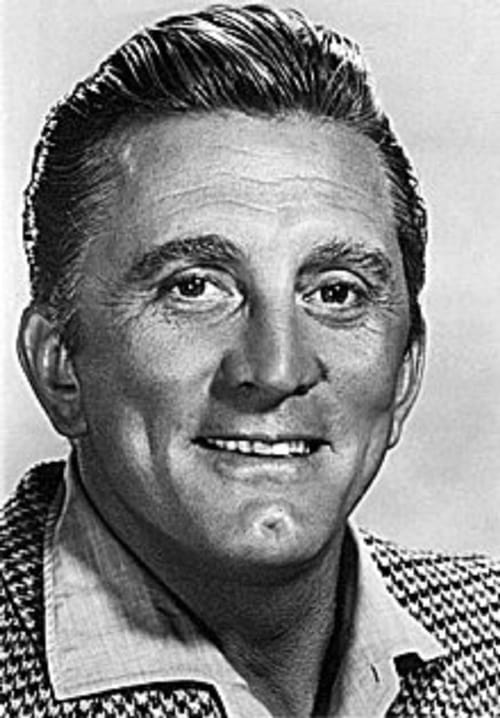
The 1966 visit of Hollywood movie star Kirk Douglas at the legendary Polish State Film School in Lódz.
A satirical look at the Soviet-block hairdressing contest which was held in Warsaw in 1971.
Kate Stone is career-focused with a brash attitude that keeps relationships at an arm's length. When her estranged brother calls asking her to baby-sit her tween niece Maddie, Kate reluctantly agrees to help. But baby-sitting overnight unexpectedly turns into a week, and Kate's life spins into chaos. As Maddie reveals stories of being bullied and of wanting to run away and be a Juggalo, the two form a unique bond.
To Climb a Mountain is a made-for-TV movie starring Emilio Estevez
After a long day at work, Cal drives home to his suburban neighborhood and realizes that he accidentally went inside the wrong house. Inspired by true events of Levittown, NY; American's first suburb.
A teenage boy named David is afraid of being transparent. When David's best friend, Johnathan, notices his abuse at home, David must overcome his fear of rejection in order to embrace his friend's support.
Mariana must sacrifice her dog Frida after violently beating it for having destroyed her recently deceased son's toys. The pet's death helps Mariana accept and overcome the loss of her son.
At her young age, Juana has two great responsibilities: preventing her older sister from fleeing the house and passing on the secret of making bricks to her younger sister.
Luise, called Pünktchen, and Anton are closest of friends. Being the daughter of a wealthy surgeon, young Pünktchen lives in a great house. Her mother, who always travels through the world more for public relation reasons than for the social tasks she pretends to fulfill, is never available to her as a mother. Anton, son of a single and sick mother in financial trouble, does his best to help her out of it by working late. Pünktchen decides to help her only friend (as nobody else would anyway) and starts singing in public places. Trouble arises when Anton can't resist stealing a golden lighter and Pünktchen's secret life is discovered by her parents. Two troubled families finally can see the need for actions to be taken.
Filmmaker Alain Resnais documents the atrocities behind the walls of Hitler's concentration camps.
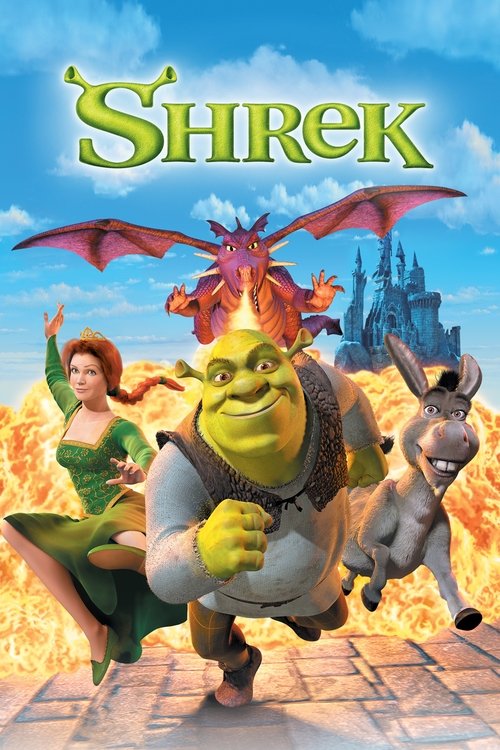
It ain't easy bein' green -- especially if you're a likable (albeit smelly) ogre named Shrek. On a mission to retrieve a gorgeous princess from the clutches of a fire-breathing dragon, Shrek teams up with an unlikely compatriot -- a wisecracking donkey.
No Trailers found.