Humans transform the world. In a stone mine, huge majestic rocks are blasted into pieces and after passing through the stone processing line, they gradually transform into pebbles.
No Trailers found.
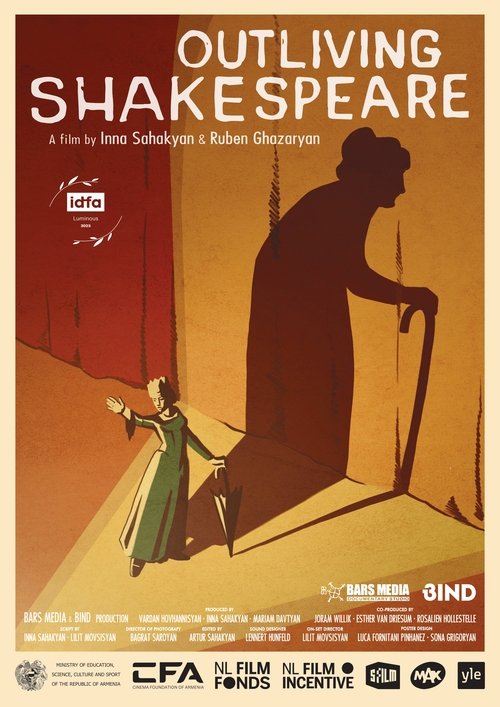
In a decaying Soviet-era retirement home, a vibrant group of elders cling to life by staging Shakespeare. Yet loneliness lingers beyond the theater’s doors, until drama begins to blur with reality.
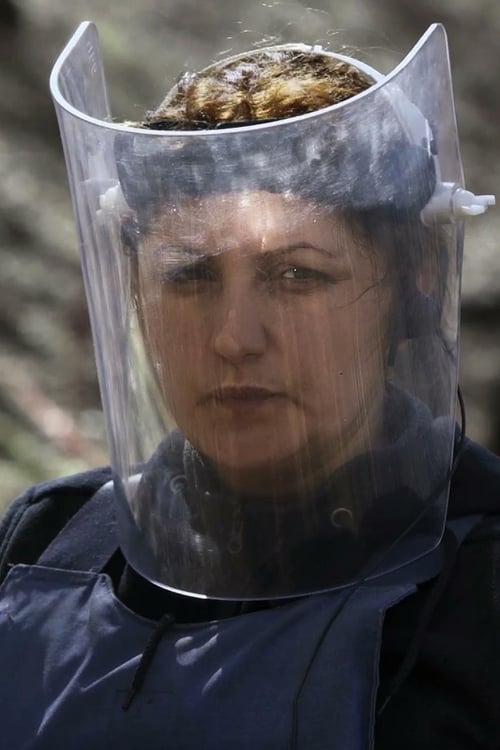
Ever since the war in Nagorno-Karabakh, the still disputed territory is contaminated by landmines. This documentary follows five female de-miners on their risky job.
Explores the Ottoman Empire killings of more than one million Armenians during World War I. The film describes not only what happened before, during and since World War I, but also takes a direct look at the genocide denial maintained by Turkey to the present day.
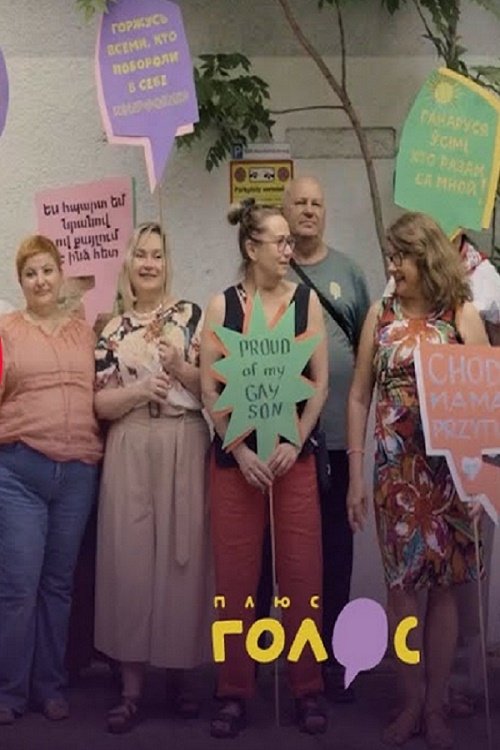
Mothers and fathers of gay, lesbian, and trans children from Georgia, Moldova, Russia, and Ukraine travel to Berlin to walk together in the Pride parade. Living under one roof, they prepare for the march — painting signs, cooking borscht, and reflecting on how their relationships with their queer children have evolved over the years.
More than one million Armenians perished between 1915 and 1916 in massacres or brutal deportation programs. Turkey still denies it ever happened. Laurence Jourdan examines massacres of Armenians in the decades leading up to the mass murder, and the geopolitical situation both before and after the genocide. Contemporaneous reports and documents written by Western diplomats stationed in the Ottoman Empire describe the methods used and the deportation routes. These accounts are mixed with personal stories from the living survivors and archive footage from Ottoman authorities.
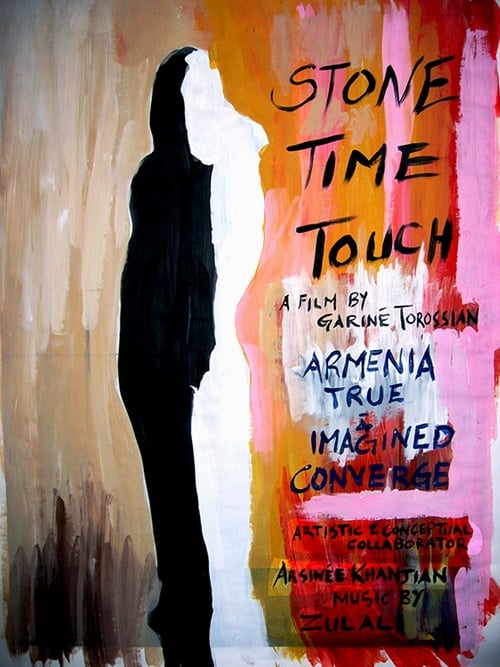
Stone, Time, Touch is a documentary made by Gariné Torossian about the relationship of three Armenian women from the diaspora with the land of Armenia. The young woman (played by Kamee Abrahamian) is visiting Armenia for the first time. The older woman, Arsinée Khanjian has a more conflicted and analytical perspective of her identity and her relationship with the fledgling democracy, one of the former Soviet Union republics. She has been to landlocked Armenia many times and comments on photos taken by French photographer Marc Baguelin. The third trajectory is more subtle and is represented by Gariné Torossian herself whose face is super imposed from time to time in this stylistically-layered documentary.
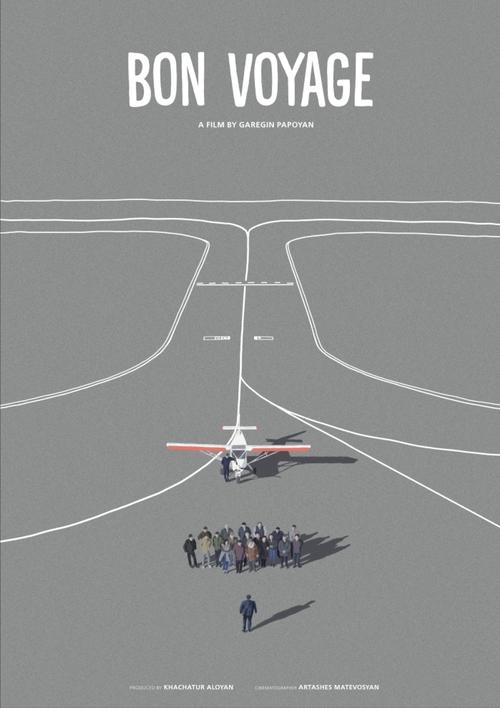
Stepanakert's only airport has been operational for 8 years, employing over 50 people. Something is not quite right, however...airplanes and passengers are nowhere to be seen.
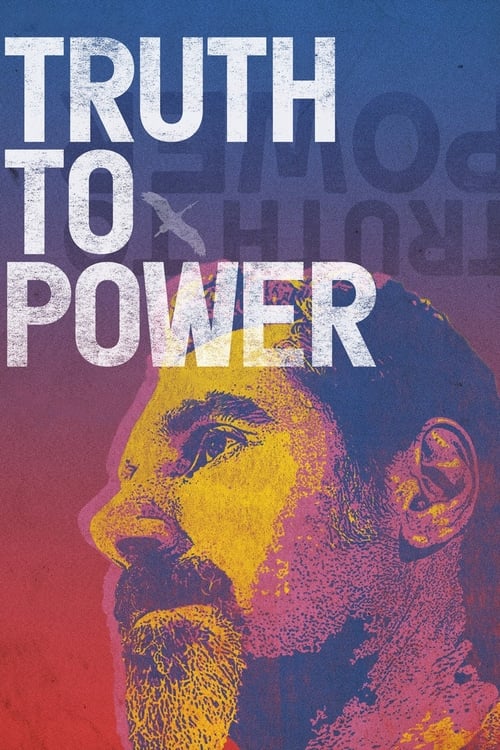
The Grammy-winning lead singer of System of a Down, Serj Tankian helps to awaken a political revolution on the other side of the world, inspiring Armenia's struggle for democracy through his music and message.
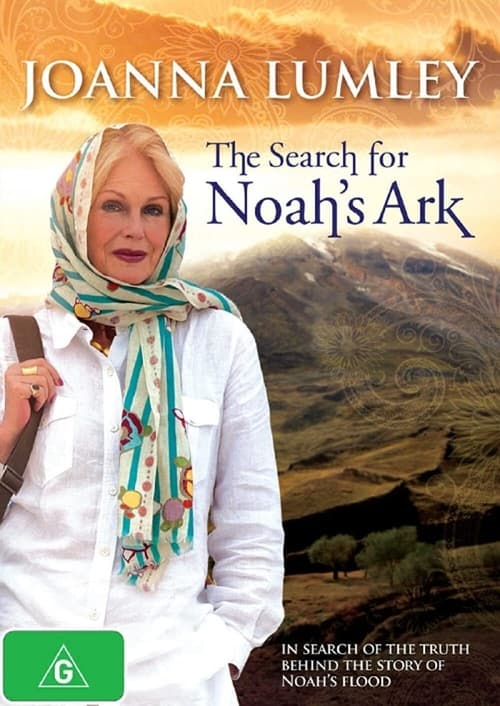
In search of the truth behind the story of Noah's Flood, Joanna Lumley and her team examine the theory that Noah's Ark was preserved on Mount Ararat, in Turkish Armenia.
A man paves his own way to his own soul through an intellectual quest, tragedies of nations and personal drama. The road moving through the cosmic distances is a flight into one's internal world. This flight and this drama are revealed in this philosophical film-poem.
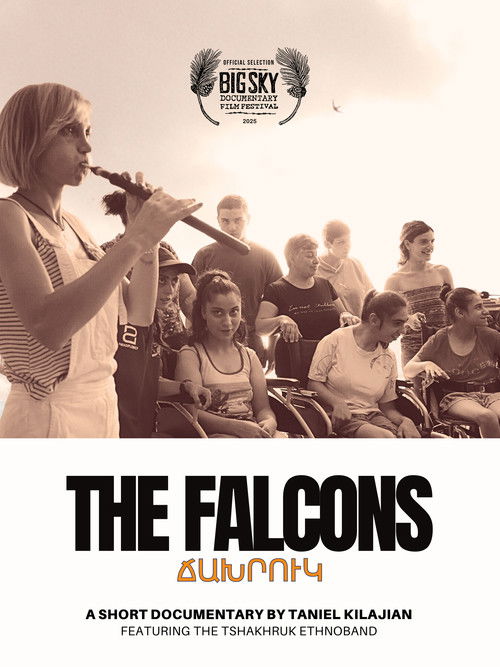
The Falcons is an intimate, observational documentary that delves into the world of the Tshakhruk Ethnoband, a remarkable musical ensemble in the Armenian highlands. Comprised of special-needs children that reside at the state orphanage, these young musicians find solace, strength, and self-expression through the transformative power of music.
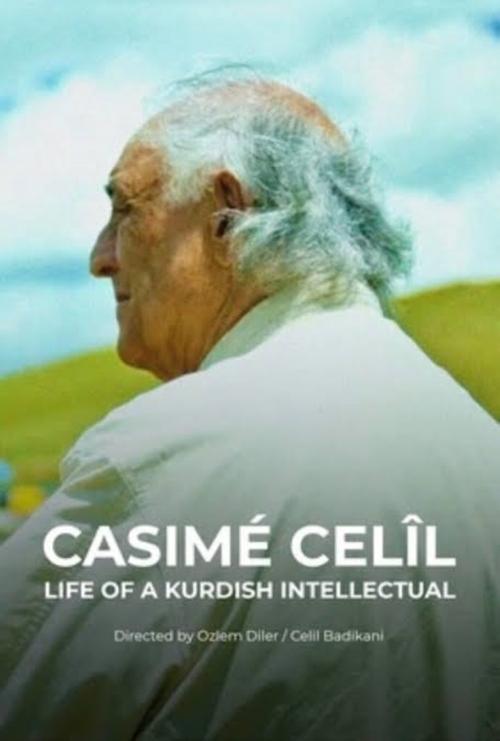
Casimê Celîl was born into a Yezidi Kurdish family in 1908, in a village called Kızılkule, located in Digor, Kars. The village and family life, which he longed to remember throughout his life, ends with the massacre they endured in 1918. During his long road to Erivan, Armenia, he lost all his family members. Left all alone, Casim was placed into an orphanage and was forced to change his name. To remember who he was and where he came from, every morning he repeated the mantra “Navê min Casim e, Ez kurê Celîlim, Ez ji gundê Qizilquleyê Dîgorê me, Ez Kurdim, Kurdê Êzîdî me”, which translates to: “My name is Casim, I am the son of Celîl, I come from the village of Kızılkule in Digor, I am a Kurd, and I am Yezidi”. He clings to every piece of his culture he can find, reads, and saves whatever Kurdish literature or art he comes across. As the year’s pass, Casim finds himself with an impressive collection of Kurdish culture and history.
Turkey's history has been shaped by two major political figures: Mustafa Kemal (1881-1934), known as Atatürk, the Father of the Turks, founder of the modern state, and the current president Recep Tayyıp Erdoğan, who apparently wants Turkey to regain the political and military pre-eminence it had as an empire under the Ottoman dynasty.
No overview available.
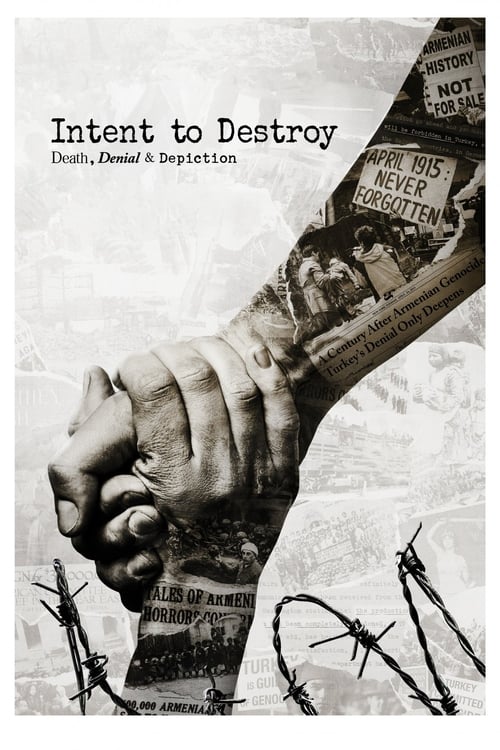
INTENT TO DESTROY embeds with a historic feature production as a springboard to explore the violent history of the Armenian Genocide and legacy of Turkish suppression and denial over the past century.
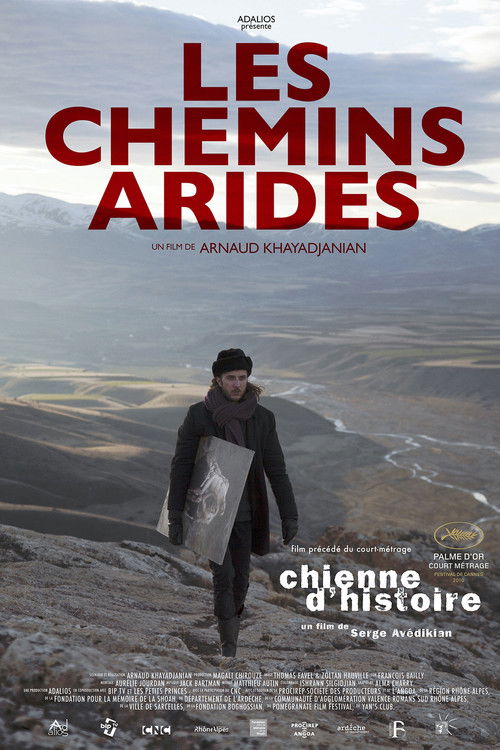
Stony Paths is the story of a walk across Anatolia. Arnaud Khayadjanian starts a trek in Turkey, on the land of his forefathers who survived the Armenian Genocide. Starting from a painting, from encounters and from accounts by his relatives, he goes on exploring the little known issue of the Righteous, all these anonymous people who saved lives in 1915.
Slate is the lifeblood of Blaenau Ffestiniog, but its dust can be deadly, with a painful legacy for family and society. this drama portrays aspects of the quarryman’s life in Blaenau Ffestiniog – work, home, chapel, courtship – and indicates the importance of education to the younger generation. The story highlights the hardships and tough choices that were part and parcel of life in such a society, alongside its cultural vibrancy and community spirit.
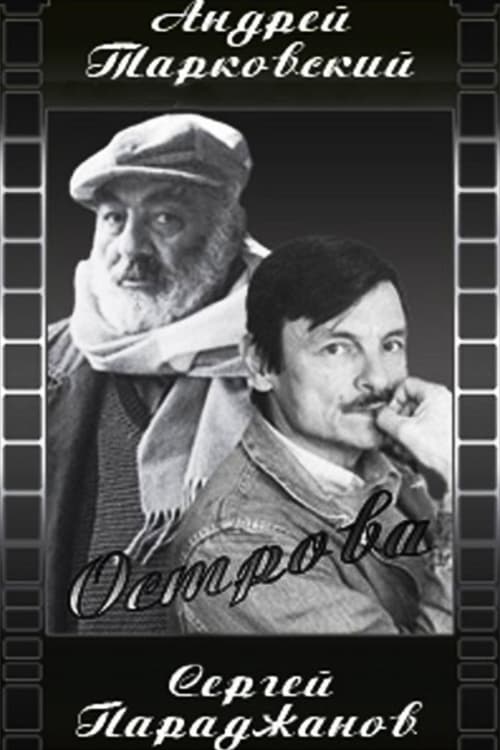
A bunch of stories, portraits and images about people of amazing destinies, including Parajanov and Tarkovsky, merging into a non-traditional and polemic image of Armenia.
As a result of the second Karabakh war, a village should be ceded to Azerbaijan since a new highway is built through the Lachin corridor. The family of Narine, like many other Armenian families, needs to find a new place.
A feature documentary presented and directed by former Royal Marines Commando Emile Ghessen. The documentary tells the story of the 2020 war between Armenia and Azerbaijan over the disputed region of Nagorno Karabakh. In the fall of 2020, Armenia and Azerbaijan fought a brutal bloody war. Azerbaijan won, decisively. The feature documentary 45 Days: The Fight for a Nation tells the story of this conflict, from the Armenian perspective, focusing on the human cost of war and its impact on the large Armenian diaspora.
No Cast found.