A short film, based on a series of poems, about childhood, the break with parental, and war.
Trailer
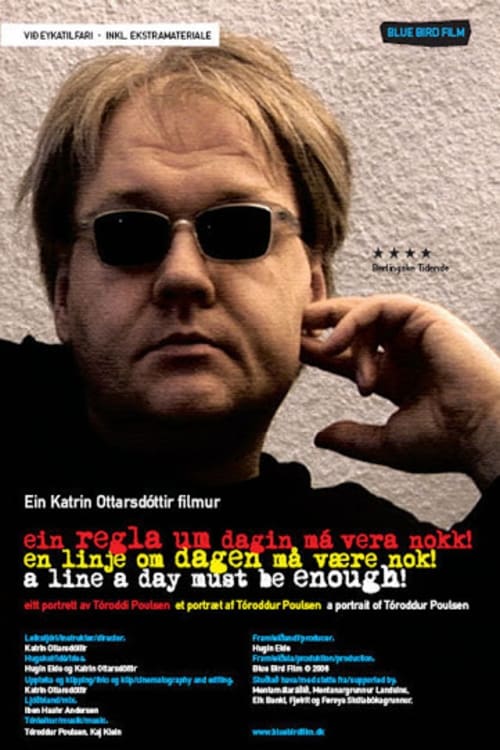
In a film bursting with lyrics, pictures, and music the director shows us a way into the peculiar universe of Tóroddur, and the otherwise not very talkative artist gives us a glimpse of his thoughts on art, God, life and death.
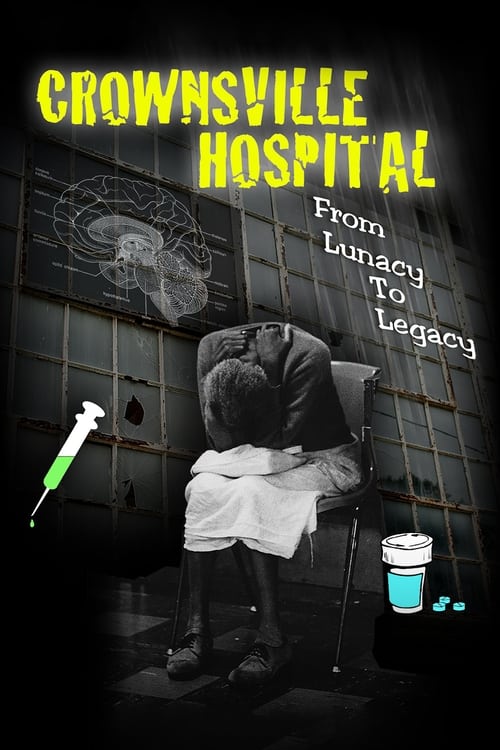
Crownsville Hospital: From Lunacy to Legacy is a feature-length documentary film highlighting the history of the Crownsville State Mental Hospital in Crownsville, MD.
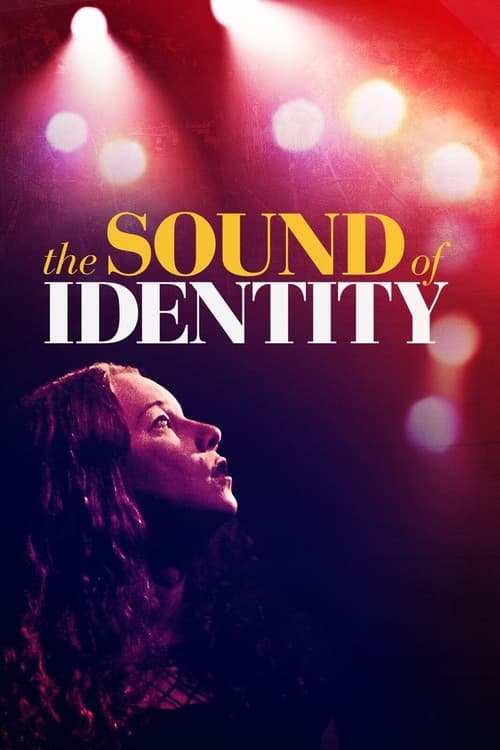
In the spotlight of global media coverage, the first transgender woman ever to perform as Don Giovanni in a professional opera, makes her historic debut in one of the reddest states in the U.S.
The film consists mainly of interviews with readers of Freud in Brazil and several places in Europe, and touches on topics such as history, translation, culture, language and, especially, Freud himself.
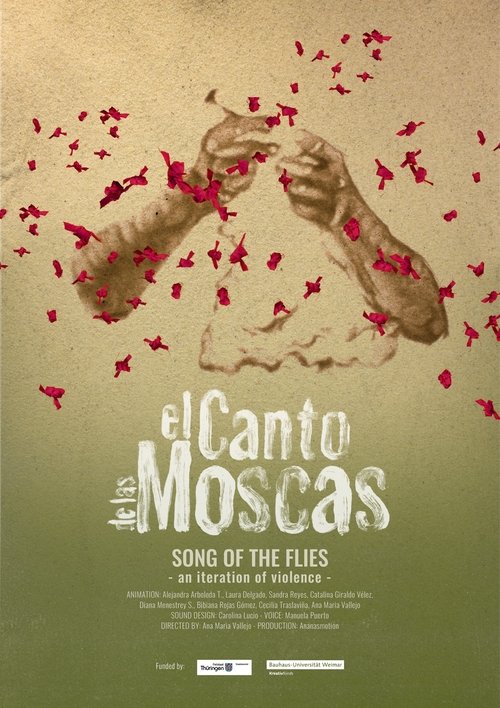
The experimental animated film Song of the Flies (El Canto de las Moscas), translates the desolation caused by the violence of the Colombian armed conflict through the poetic voice of Maria Mercedes Carranza (1945–2003) and the audiovisual dialogue between 9 Colombian women. In 24 places, as a transit over the course of a day (Morning, Day, Night) a map of terror is drawn where massacres took place in Colombia in the 1990s. Archival images, the artists’ personal memories and the use of loops and analogue materials bring to life the landscapes ravaged by violence and build a polyphony of memory and mourning, a universal song of pain.
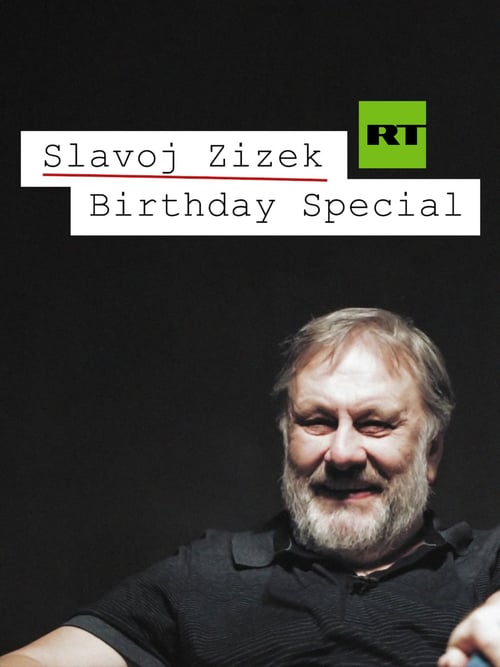
An hour long interview with Slovenian philosopher Slavoj Žižek made by Russia Today for his 70th birthday. In this documentary Žižek answers questions from the public in regards to politics and ideology, gender and sex, philosophy and psychoanalysis, hardcore pornography and sexual liberation in the West, in his usual style of polemics and comedy.
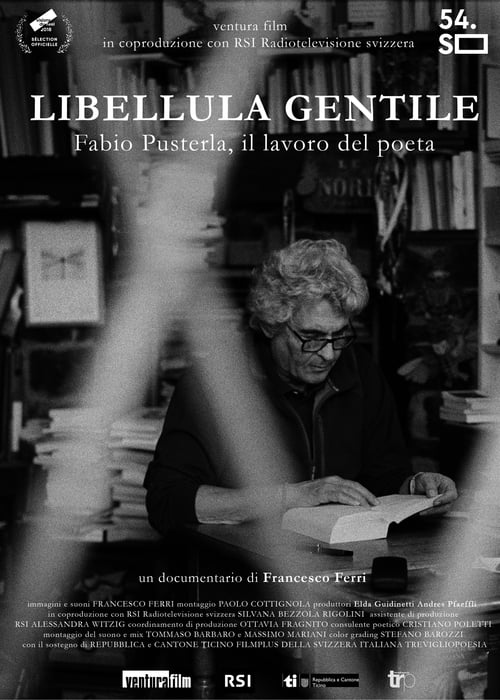
A film about the Swiss Italian poet Fabio Pusterla and his creative poetic process, his struggle to find an honest language, one which adheres to the personal experience and is able to unfold a hidden truth that creates a strong and profound bond with the other, with his public.
As Black and LGBTQ+ History Month begin this February, material science clothing brand PANGAIA leads celebrations with a poetic film that honors these two communities. Following a year of isolation, and with it a deeper understanding of the importance of outdoor spaces and the environment, Wè is a portrait of the self-love and acceptance we have learned to show others and gift to ourselves.
Since ancient times, the Green Man has been one of the most mysterious and menacing of mythical characters. He also has a familiar face as Robin Hood , Jack in the Green and on numerous pub signs. Across the arts from comic strips to classical opera, the Green Man is now making a comeback. Where is he taking us? Writer Sir Kingsley Amis , film director John Boorman , composer Sir Harrison Birtwistle and other leading artists offer their interpretations of the mystery in this Omnibus documentary film from 16th November, 1990.
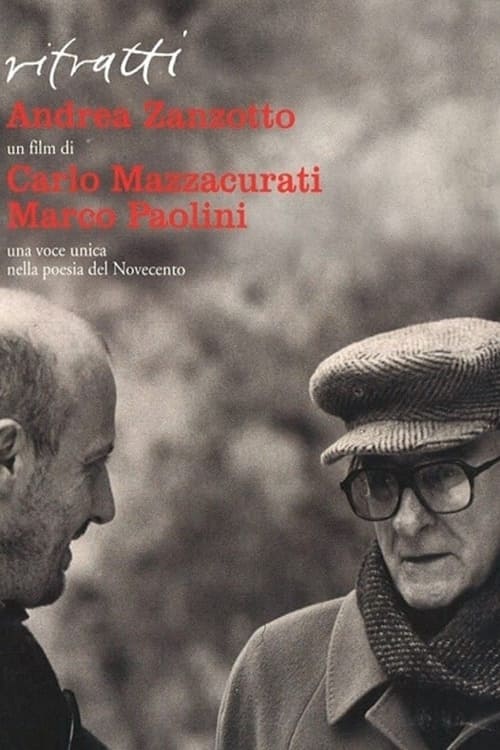
Marco Paolini discusses with poet Andrea Zanzotto about nature, history and language.
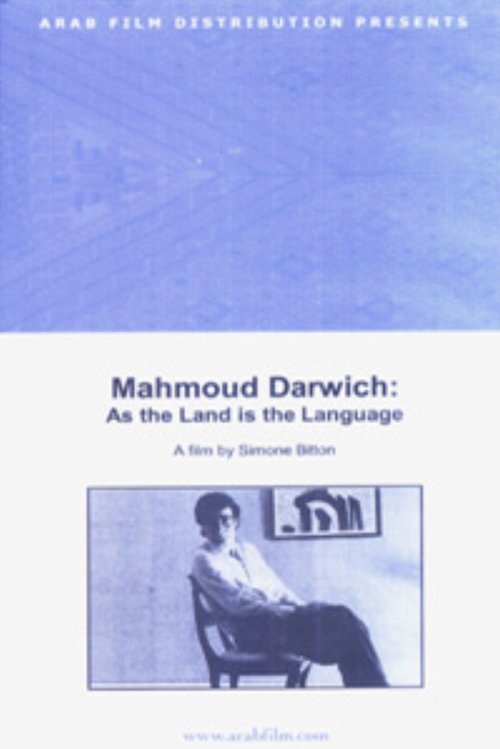
Accompanying from a place to another the poet who spent years in exile far from his native land of al-Birwa, in Haifa, Cyprus, Tunis, Amman, Paris, Cairo and Ramallah.
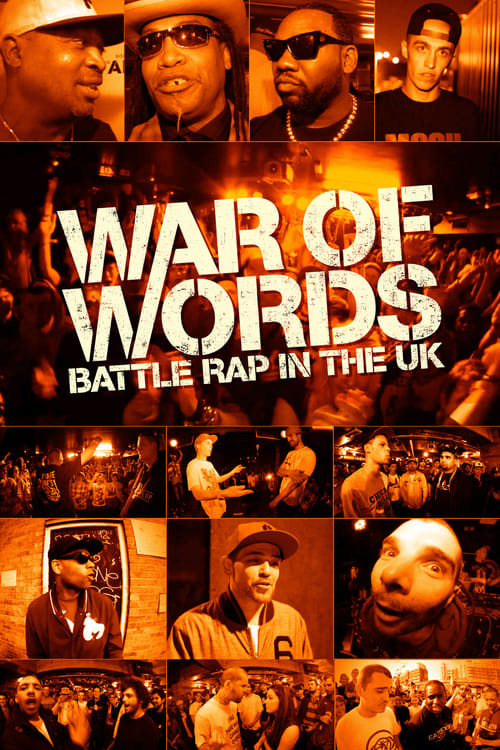
WAR OF WORDS is an energizing, controversial and inspiring feature documentary that lifts the lid on the fast growing UK Battle Rap scene. The documentary is an examination of an exciting subculture of youth in the UK today; their creativity and work ethic, their passion for language and ability to control their own destiny. It investigates freedom of expression and respect for other cultures and lifestyles. While the language is often harsh and unflinching, the 'anything goes' philosophy of the battle arena results in one of the most harmonious and creative scenes in youth culture. The film is a truly entertaining expose on how the UK has embraced this American art form, creating one of the most exciting youth subcultures happening right now.
James Franco interviews three experts on the poet Hart Crane, whose life was the subject of his feature The Broken Tower (2011).
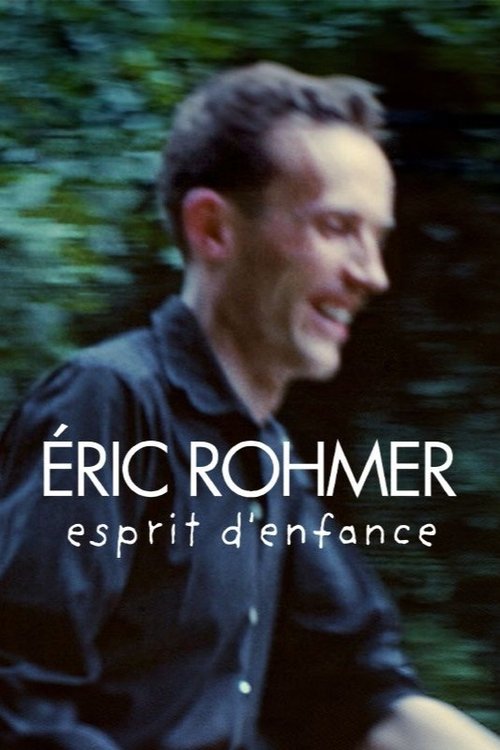
The documentary delves into Éric Rohmer's distinctive filmmaking process, using film clips, rare interviews, and unreleased test footage.
A journey into the BBC archives unearthing glorious performances and candid interviews from some of Britain's greatest poets.
This documentary highlights the evolution of Brazil's Circo Voador venue from homespun artists' performance space to national cultural institution.
No overview available.
Through a child's lens, The Honest Poet reveals a rarely seen side of Afghanistan, following 11-year-old Raheem on a journey through his country and into the homes and hearts of his people.
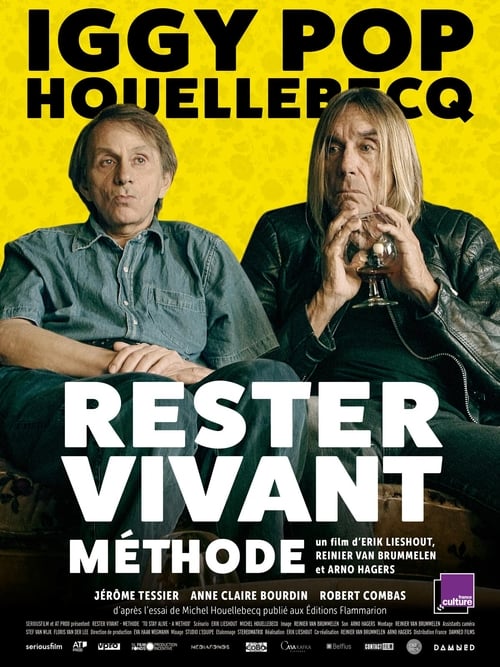
Iggy Pop reads and recites Michel Houellebecq’s manifesto. The documentary features real people from Houellebecq’s life with the text based on their life stories.
Egor Zernov
Zakhar Voloshko
Nikita Gubushkin
Denis Larionov
Milena Stepanyan