No Trailers found.
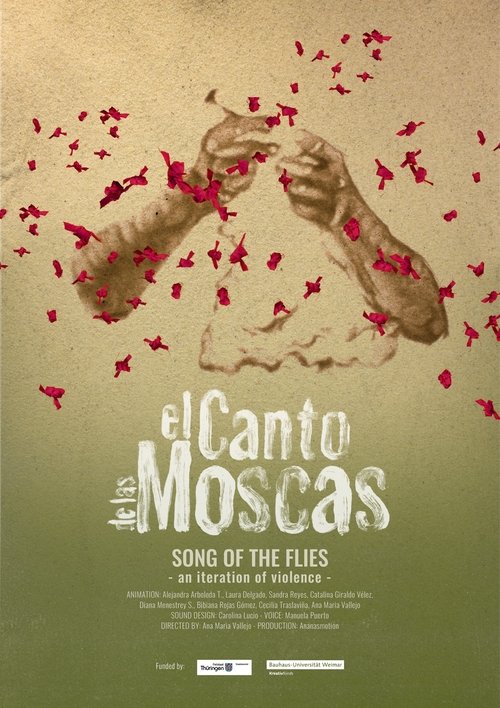
The experimental animated film Song of the Flies (El Canto de las Moscas), translates the desolation caused by the violence of the Colombian armed conflict through the poetic voice of Maria Mercedes Carranza (1945–2003) and the audiovisual dialogue between 9 Colombian women. In 24 places, as a transit over the course of a day (Morning, Day, Night) a map of terror is drawn where massacres took place in Colombia in the 1990s. Archival images, the artists’ personal memories and the use of loops and analogue materials bring to life the landscapes ravaged by violence and build a polyphony of memory and mourning, a universal song of pain.
Born in 1948, Peter Street struggled at school with epilepsy and illiteracy in Bolton, Lancashire, and, later in life, as a slaughterman, a gravedigger and a war poet. At 66 years old he was then diagnosed with autism, and his world changed forever.
A journey into the hearts, minds and eyes of Georgia O’Keeffe, Emily Carr and Frida Kahlo - three of the 20th century’s most remarkable artists.
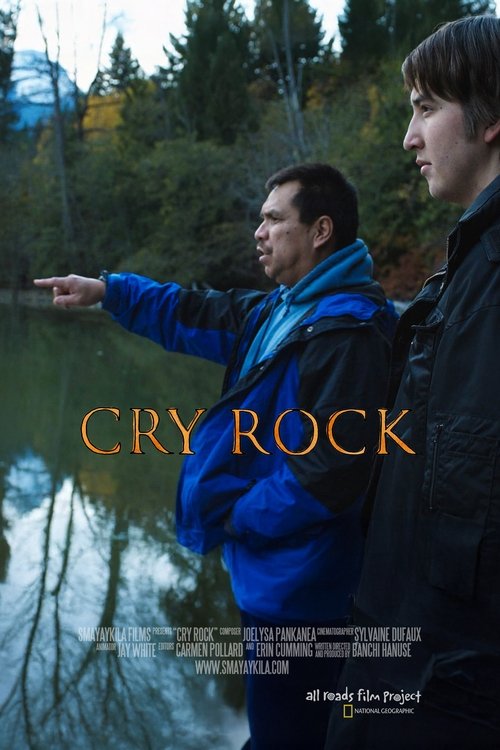
In the Bella Coola Valley, a haunting legend endures through generations as a filmmaker reckons with whether the stories of her ancestors can survive being held or if they were never meant to be captured.
A child of the Beat Generation, Gérald Leblanc conjoined urban-ness and American-ness, wandering and belonging, far beyond the boundaries of taboo. In so doing, he helped propel Acadia into the modern era.
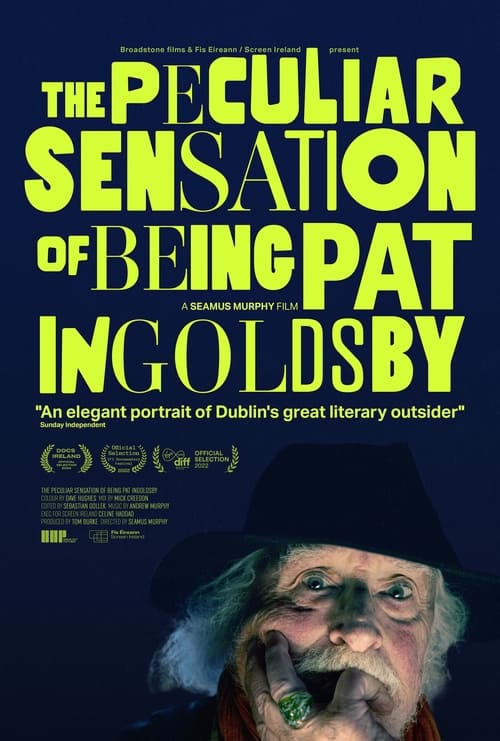
Seamus Murphy’s documentary examines Irish writer Pat Ingoldsby’s unique world. Ingoldsby’s poems and candid anecdotes bear witness to a visceral relationship with his beloved Dublin, fellow Dubliners and anything that catches his interest. Personal challenges, a sensitive humanity and a lifetime as a maverick have taught him to harness reality and reach well beyond it to avenge the banal with absurd magic. It heals him as it does us.
Five gay Black men who are HIV-positive discuss how they are battling the double stigmas surrounding their infection and homosexuality.
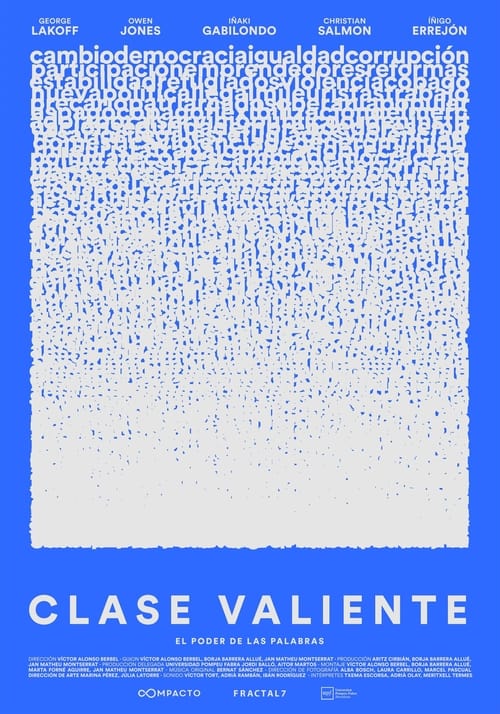
Three college students start a social experiment to prove that reality changes according to the words we use to describe it. Through research, activist actions, and artistic interventions, they analyze the importance of language in the way we understand the world. The documentary includes analysis from more than 20 international experts and leaders in the fields of political communication and information.
Linguist-philologist Mark Janse discovers speakers of the Cappadocian language – previously assumed extinct, linguists worldwide are exhilarated at the discovery, but Janse realizes the rediscovered language is doomed to die anyway.
Conversations with four people — an artist, a woman struggling with her identity as a high achiever, an actor, and a priest — exploring their inner worlds, their self-image and how they feel they fit into society.
A TV-hour length documentary film depicting the relationship between language, culture, place, music, tradition, and magic on an active volcano, in the Pacific nation of Vanuatu, on the island of Ambrym.
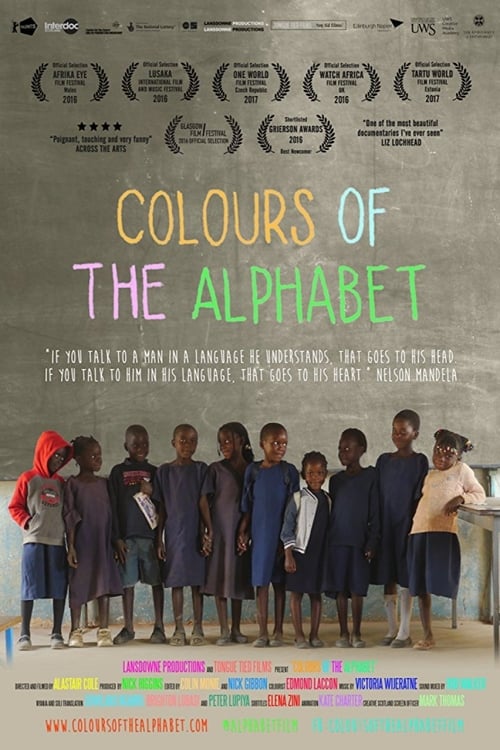
It is estimated that 40% of the world’s population lack the opportunity to be educated in their own language. In Colours of the Alphabet we get an insight into the challenges this poses as we follow a group of first graders in Zambia – a country with 72 local languages where education is primarily offered in English.
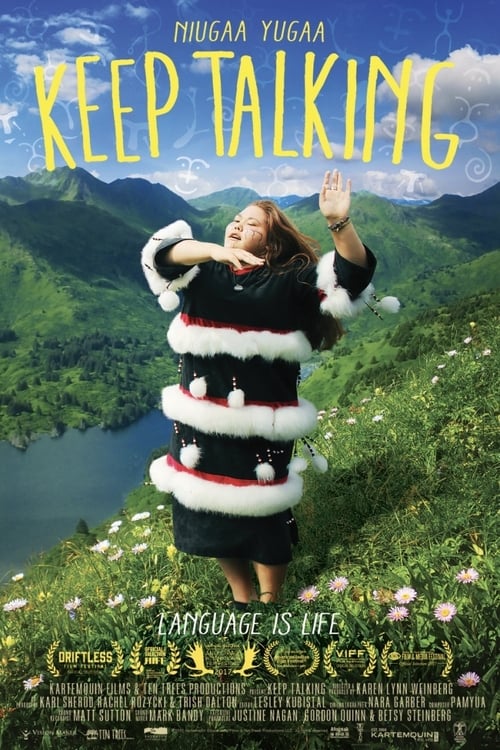
Three Alaska Native women work to save their endangered language, Kodiak Alutiiq, and ensure the future of their culture while confronting their personal demons. With just 41 fluent Native speakers remaining, mostly Elders, some estimate their language could die out within ten years. The small community travels to a remote Island, where a language immersion experiment unfolds with the remaining fluent Elders. Young camper Sadie, an at-risk 13 year old learner and budding Alutiiq dancer, is inspired and gains strength through her work with the teachers. Yet PTSD and politics loom large as the elders, teachers, and students try to continue the difficult task of language revitalization over the next five years.
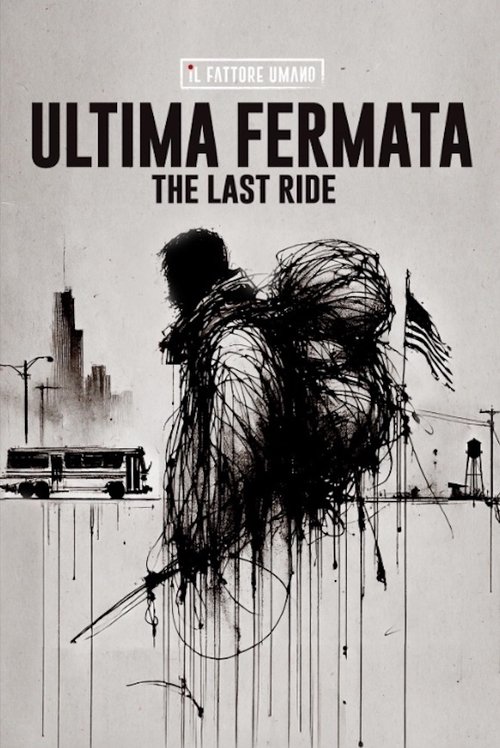
A journey among the forgotten: U.S. citizens experiencing homelessness, forced to live in extreme marginalization. Giving voice to these wounded souls is the unmistakable sound of Tom Waits.
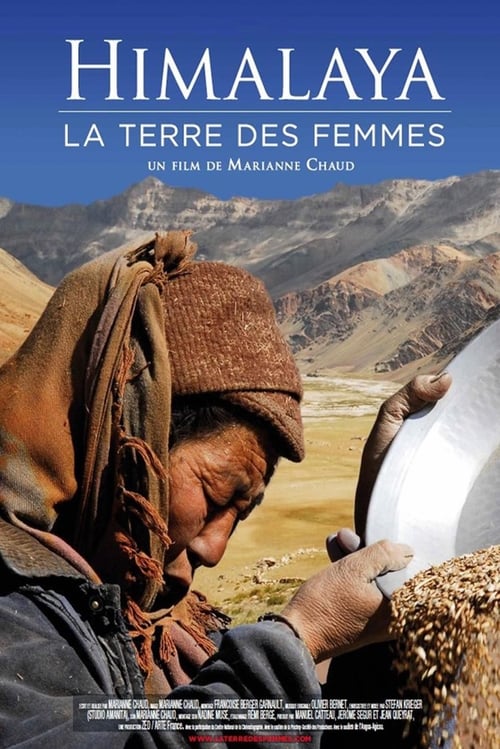
At an altitude of nearly 4,000 meters, Sking is one of the most isolated villages in the Himalayan region of Zanskar. In just three months, from August to October, the Zanskaris have to harvest and store all their food for the coming year. All the women-young and old alike-work nonstop, from dawn to dusk, and worry about the arrival of winter. Filmed from the point of view of a subjective camera by a young female ethnologist, Land of Women offers a sensitive and poetic immersion in the life of four generations of women during harvesting season. We share their rare intimacy and gradually grow attached to them.
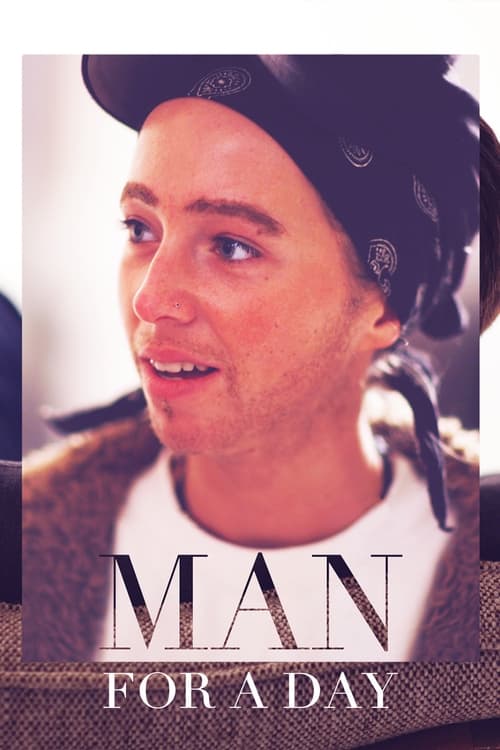
Gender activist Diane Torr’s worldwide appearances and workshops are now legendary. For the past thirty years, the main focus of this performance artist’s work has been an exploration of the theoretical, artistic as well as the practical aspects of gender identity. Katarina Peters’ documentary observes a Diane Torr workshop in Berlin in which a group of open-minded women come together to discover the secrets of masculinity. What makes a man a man and a woman a woman? Precisely when and where is gender identity formatted? How much is nature and how much nurture? Each of Torr’s workshops represents an open-ended laboratory experiment in social behaviour in which the question is posed: is it possible to deliberately play out different roles and create a space in which to transgress both masculine and feminine characteristics?
Lucien Francoeur, rock poet of the French imagination of North America, lives the destiny he has chosen for himself at 200 miles an hour.
Dania is 21 years old and grew up in a Christian community in the Faroe Islands’ Bible belt. She has just moved to Tórshavn and is seeing Trygvi, a hip-hop artist and poet locally known as Silvurdrongur (Silver Kid). He comes from a secular family and writes poems and texts about the shadow sides of humanity. Dania herself sings in a Christian band but is fascinated by Trygvi’s courage to write brutally honest lyrics. As she tries to find her place in the world and understand herself, she starts to write more personal texts. Her writings develop into a collection of critical poems called ‘Skál’ (‘Cheers’), about the double life that she and other youths must live in the conservative Christian world.
After World War II a group of young writers, outsiders and friends who were disillusioned by the pursuit of the American dream met in New York City. Associated through mutual friendships, these cultural dissidents looked for new ways and means to express themselves. Soon their writings found an audience and the American media took notice, dubbing them the Beat Generation. Members of this group included writers Jack Kerouac, William Burroughs, Allen Ginsberg. a trinity that would ultimately influence the works of others during that era, including the "hippie" movement of the '60s. In this 55-minute video narrated by Allen Ginsberg, members of the Beat Generation (including the aforementioned Burroughs, Anne Waldman, Peter Orlovsky, Amiri Baraka, Diane Di Prima, and Timothy Leary) are reunited at Naropa University in Boulder, CO during the late 1970's to share their works and influence a new generation of young American bohemians.
No overview available.