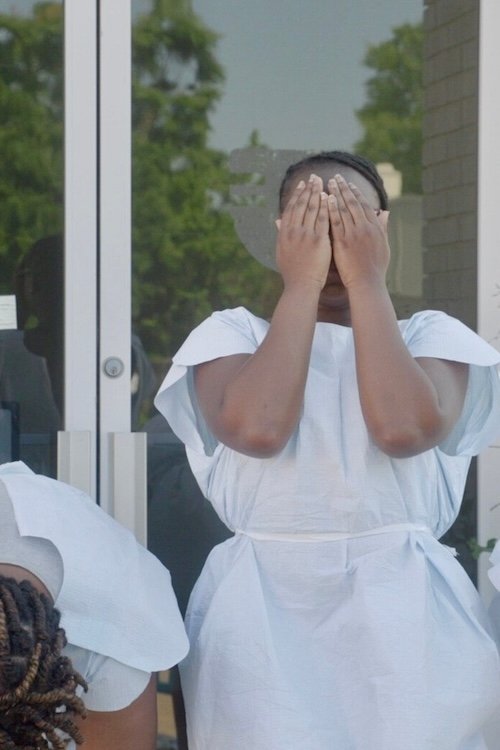
Intimate confessions, paired with experimental choreography outside a woman’s clinic in Memphis, offer a glimpse into post Roe v. Wade America.
No Trailers found.
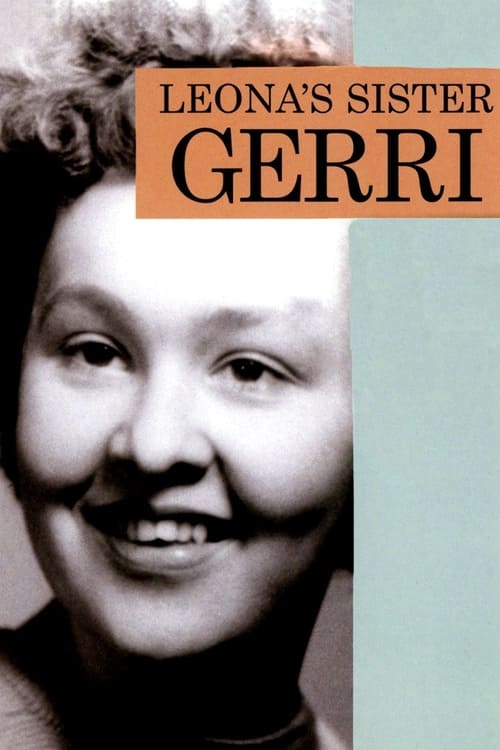
Millions have seen the photograph, and no one who has seen it will ever forget it. A naked woman, dead from a botched illegal abortion, lying on a motel room floor. The picture appeared in Ms. Magazine in April 1973, and quickly became a symbol for the abortion rights movement. LEONA'S SISTER GERRI tells the dramatic story of Gerri Santoro, a mother of two and the "real person" in the now famous photo. Should the media have used this image? What circumstances led to Gerri's tragic death? Powerfully addressing issues of reproductive rights and domestic violence, this video is a moving portrait of Gerri Santoro's life and society's response to her death.
Interviews from women involved in the 70's and 80's rock music industry. An examination of the people taking advantage of underage fans and calling for a "Me too" movement in the music world
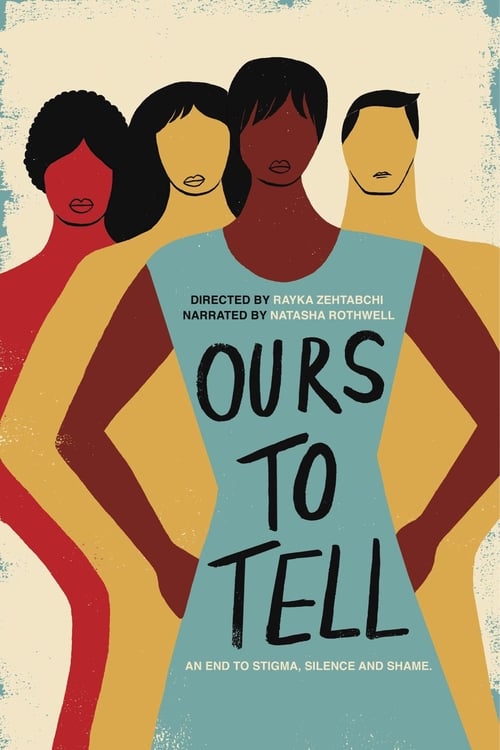
Four people - Brittany, Hannah, Nick, and Ylonda - tell their stories about how access to abortion in their community helped them empower themselves to lead lives they want to live.
French documentary campaigning for the liberalization of abortion and contraception, directed by Charles Belmont and Marielle Issartel in 1973.
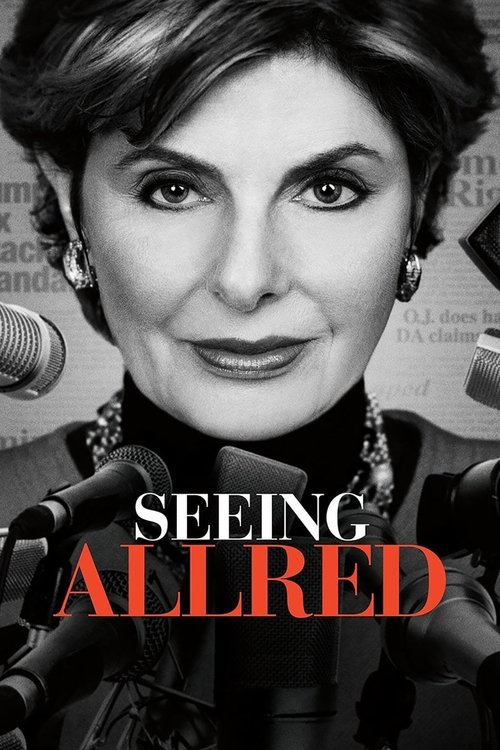
Gloria Allred overcame trauma and personal setbacks to become one of the nation’s most famous women’s rights attorneys. Now the feminist firebrand takes on two of the biggest adversaries of her career, Bill Cosby and Donald Trump, as sexual violence allegations grip the nation and keep her in the spotlight.
Join Marlin Maddoux, host of the nationally syndicated radio news talk program Point of View, for an investigation into the multi-million dollar a year baby parts trafficking industry, which is one of the most lucrative businesses in operation today. Yet most Americans are unaware of its existence. Many have heard about the controversy surrounding fetal tissue research but have no idea how the tissue is obtained. Today, some are claiming that cures for a number of devastating diseases, including Alzheimer's, Parkinson's, diabetes and AIDS, are just around the cornerand that fetal tissue is desperately needed for research. But is it really?
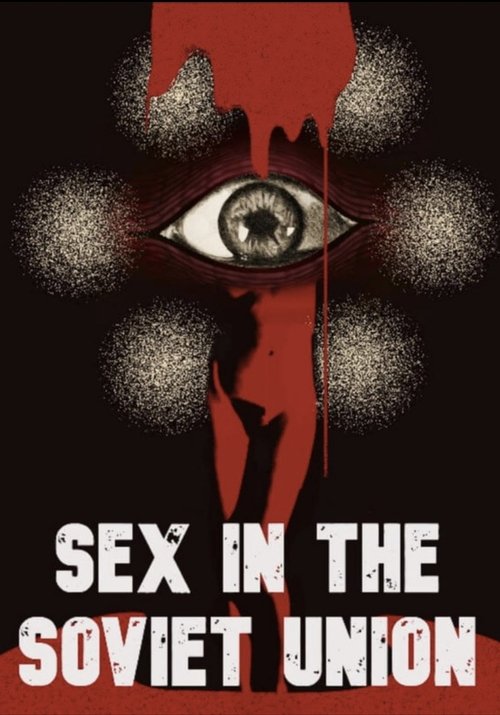
A gripping journey through seven decades of sexual ignorance, oppression, and suffering, brought to life through the words and experiences of the first Soviet sexologist. Ukrainian survivors of the regime courageously recount the harsh realities they endured, from the pervasive suppression of sexual expression to the rampant exploitation and abuse that plagued Soviet society.
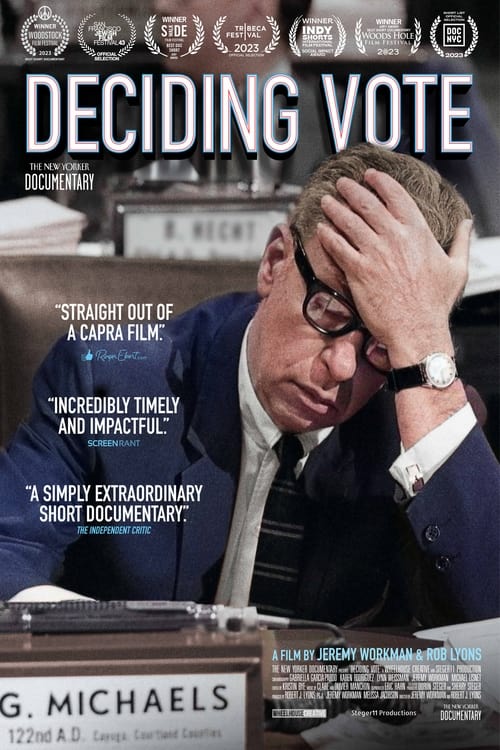
50 years ago, assemblyman George Michaels cast a single vote on New York's abortion bill that changed the course of American history but destroyed his political career in the process.
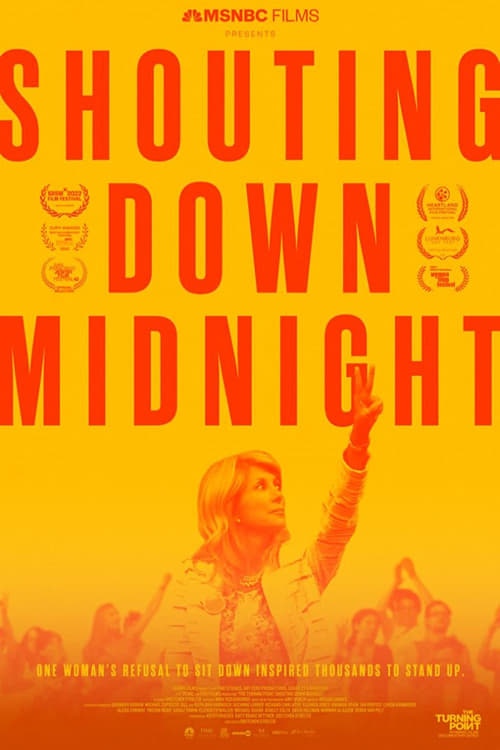
Both cautionary tale and rallying cry, Shouting Down Midnight recounts how the Wendy Davis filibuster of 2013 galvanized a new generation of activists and reveals what is at stake for us all in the struggle for reproductive freedom.
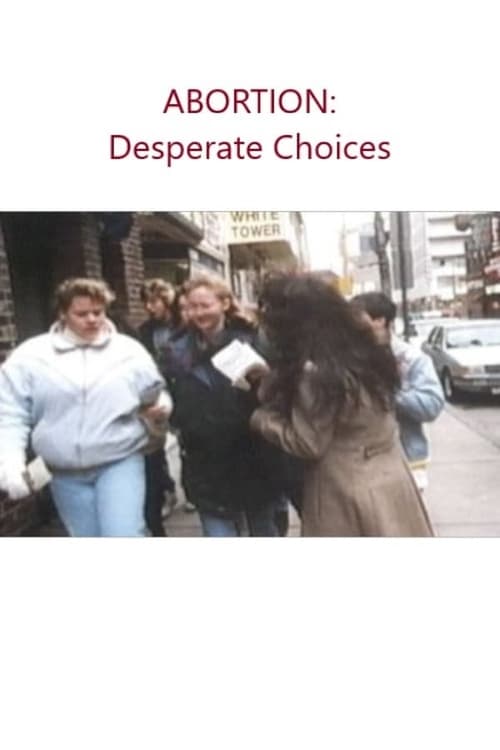
An intensely personal exploration of an explosive issue -- abortion in America. Wrenching first-person narratives from seven decades of women, each one facing an unplanned pregnancy -- and the dreadful decision that no one wants to make. Both pro-life and pro-choice, both out front on the picket line and inside the clinic, these women's stories turn politics into heart-searing drama: a pregnant 17-year-old and her pro-life mother whose conflict unfolds in front of the camera; a 22-year-old who became a pro-life protester when she learned that her mother nearly aborted her; an unhappy mother-of-two who's expecting a third when her marriage suddenly hits the rocks; a 71-year-old grandmother who still grieves for her mother, an early victim of illegal abortion. In this fusion of past and present, the history of abortion is the history of women -- told at a time in America when yesterday's back-alley abortions may be the only choice left for tomorrow.
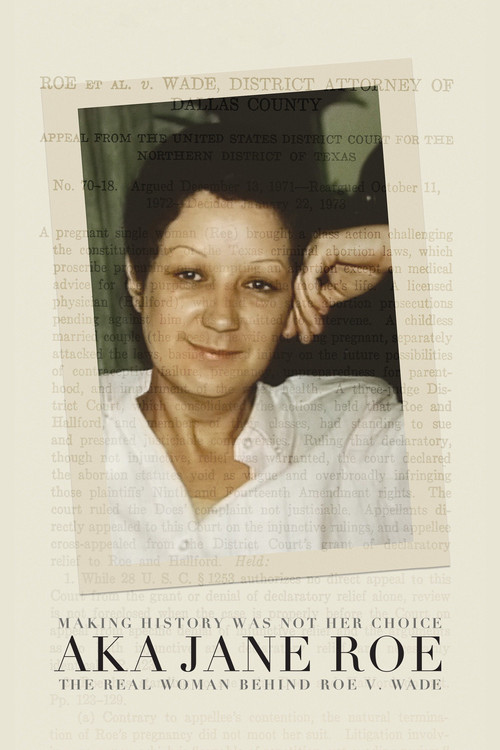
A portrait of Norma McCorvey, the “Jane Roe” whose unwanted pregnancy led to the 1973 case that legalized abortion nationwide, Roe v. Wade. The documentary unravels the mysteries closely guarded by McCorvey throughout her life.
Psychological documentary portrait of a village woman who's about to have an abortion. The story is conveyed in an expressionistic manner with ritualistic undertones.
"Clandestinas" is a documentary about the abortion situation in Brazil. Women share their experiences interrupting a pregnancy and actresses interpret that actual reports.
Defying the state legislature that outlawed abortion, the Catholic Church that condemned it, and the Chicago Mob that was profiting from it, the members of “Jane” risked their personal and professional lives to support women with unwanted pregnancies. In the pre-Roe v. Wade era — a time when abortion was a crime in most states and even circulating information about abortion was a felony in Illinois — the Janes provided low-cost and free abortions to an estimated 11,000 women.
Women talk about the circumstances that drove them to seek illegal abortions and the often traumatic result. Interwoven with historical photographs and newsreel footage, the stories expose how the reality of women's lives were counterposed to what was socially and morally expected of them.
A record of the fight for legal abortion based on the Brazilian, Argentine and Colombian experiences.
Documentary that delves deep into the history of abortion law, revealing the contradictory ways in which women's bodies have been used to further political and ideological agendas.
This film shows the work done by the "socorristas" feminist network. Through informative talks and stories about the actions of emotional containment these women have with others who need support, it seeks to eliminate the stigmas on abortions while also bringing out the reality of the clandestine abortion.
Twelve uncomfortable, deeply personal and painful stories by women who have had an abortion are read, told and 'experienced' by six male actors. Does that make a difference? Will the society listen now?
No overview available.