No Trailers found.
Pasquale Paoli
Napoléon Bonaparte
Letizia Bonaparte
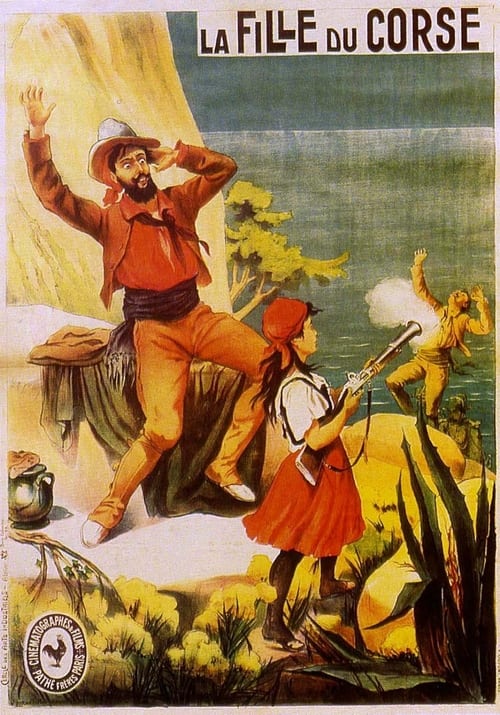
A father shoots his son dead because, lured by the offer of a watch, he revealed to the police where his father had hidden smugglers who had come to ask for his hospitality.
No overview available.
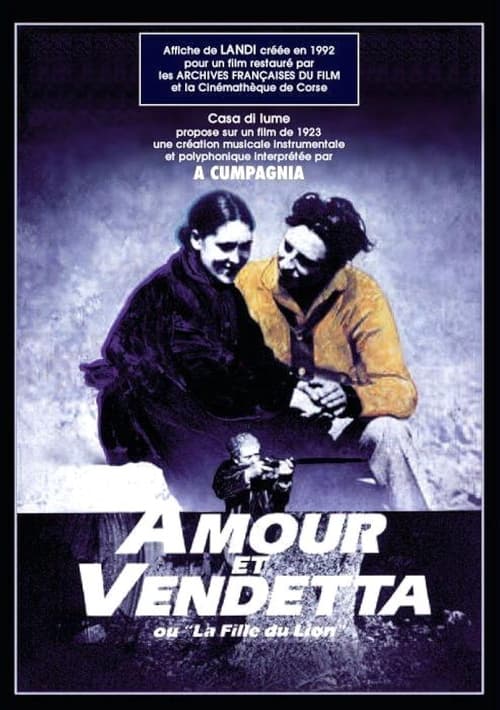
A young Corsican is obliged by a tradition of vendetta for his late father, to kill the uncle of a girl he loves, because that man was the murderer. His search for vengeance leads to being pursued by the police and a tragic fate.
They are 50 years old today. Over the last thirty years, they have fought against Paris and its various governments. Since their first student demonstrations demanding the creation of a university in Corsica in the 70s, they have constantly pushed back the frontiers of protest. They created the Front de Libération Nationale de la Corse (Corsican National Liberation Front), and carried out hundreds of bombings and commando operations to violently assert the existence of an identity claim. Many have chosen to hang up their rifles, while a few are still adept at the murky game of clandestinity, but for all of them the time has come for an explanation and an initial assessment. This film is their story.
In a dreamlike Corsican landscape, a woman follows a mysterious sheep bound to her by a red rope, leading her toward a haunting revelation.
In trouble with the local authorities, Mabel Simmons, notoriously known as Madea, is on the run from the law. With no place to turn, she moves in with her friend Bam who is recovering from surgery. Unbeknownst to Bam however, Madea is only using the "concerned friend" gag as a way to hide out from the police.
Lightning streaks through the skies as Dalila declares her love to Samson in one of the finest arias of romantic opera. “My heart awakens to your voice like a flower to the kiss of dawn.” An enchanting yet treacherous beauty… When the thunder at last rumbles, Dalila betrays Samson and offers him up to his enemies: “Come up, for this time he has shown me all his heart”, she whispers to them in the night (The Old Testament, Book of Judges). Based on a violent and erotic biblical story, Saint-Saëns’s opera – composed in 1877, much to Liszt’s insistence – would not be performed at the Palais Garnier until fifteen years later. This first Parisian performance in 1892 included the hitherto unperformed “Dance Of The Priestesses”. Nevertheless, it became one of the most performed French operas in the world, together with Faust and Carmen. Conducted by Philippe Jordan, this new production brings back a repertoire masterpiece that has not been performed at the Paris Opera for twenty-five years.
A quiet and put-upon house cleaner breaks her silence.