Présentateur
Guido Cornini
Guy Le Thiec
Geneviève Chauvel
No Trailers found.
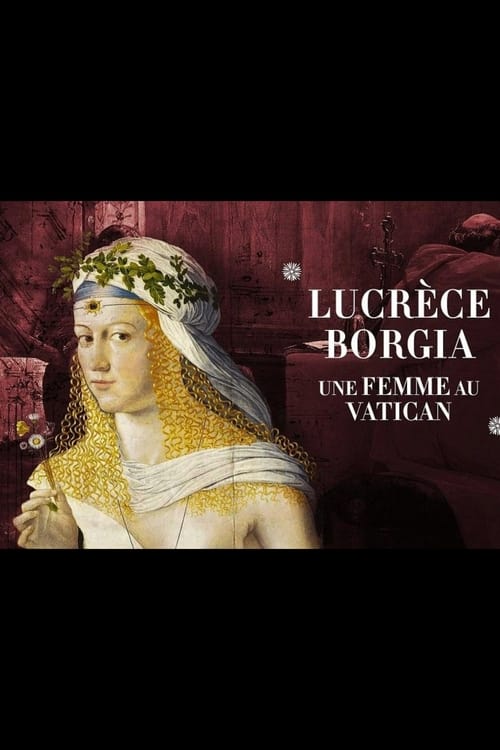
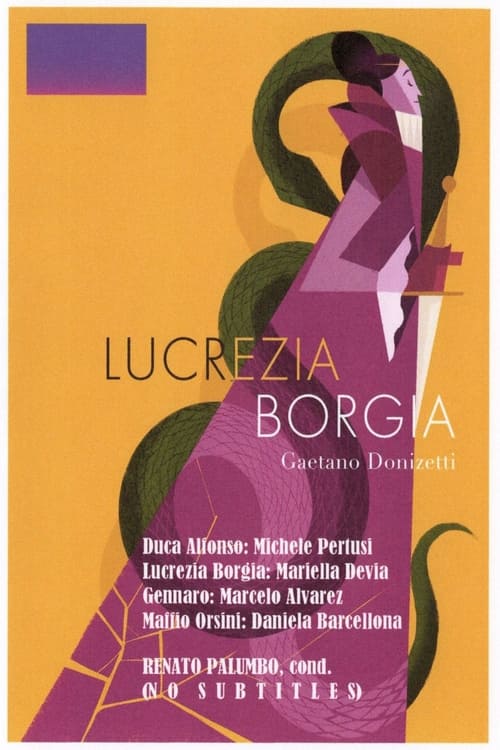
The incredible story of Lucrezia Borgia (1480-1519), daughter of Pope Alexander VI (1431-1503), deliberately used politically by her powerful family and historically slandered as a poisoner and incestuous femme fatale. But who was the real Lucrezia?
In 1458, five years after the fall of Constantinople to the Turk, eighteen cardinals meet to elect a new pope. Rodrigo Borgia, a 27 year old cardinal learns to play a very dangerous game.
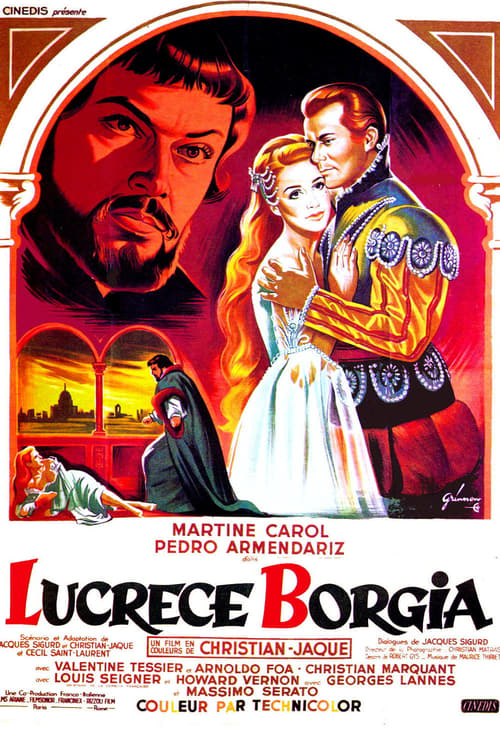
In 1500, Duke Cesare Borgia hopes to marry his sister to the heir apparent of Ferrara, which impedes his conquest of central Italy. On this delicate mission he sends Andrea Orsini, his sister's lover and nearly as unscrupulous as himself. En route, Orsini meets Camilla Verano, wife of the count of Citta' del Monte, and sentiment threatens to turn him against his deadly master, whom no one betrays twice...
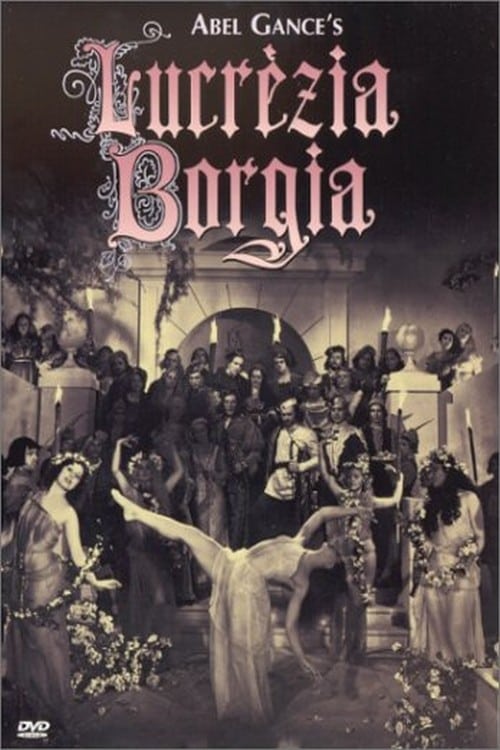
French silent film pioneer Abel Gance directs this 1935 classic about Lucrezia Borgia, her brother, Cesare. and her father, Pope Alexander VI -- one of history's most ruthless and ambitious crime families.
In the early 16th century, Italy is ruled by the powerful Borgia family, led by César Borgia and his sister Lucrèce. In a ruthless power play, César plots to have his sister’s husband murdered. But without her brother’s knowledge, Lucrèce has taken a strong lover who will challenge the Borgias.
Gennaro, the son of Lucretia Borgia, lives unaware of the identity of his mother, who has married the Duke of Ferrara. After Lucretia's brother is killed by five conspirators, the fathers of Gennaro's dearest friends, Lucretia tortures the old men to death. Later, Gennaro and his companions journey to Lucretia's domain, and she sees her son for the first time. The Duke, who believes him to be her lover, poisons him, but Lucretia administers the antidote in time and saves his life. Then she schemes to poison her sons' five friends for their fathers' mistake.
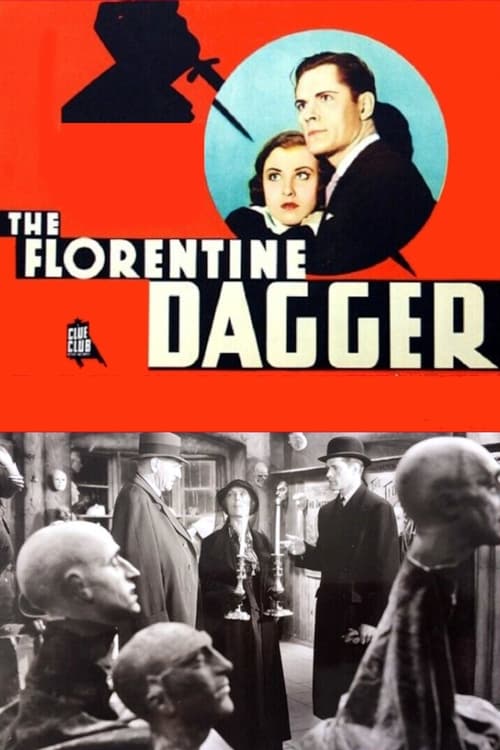
A playwright descended from the Borgia family becomes a murder suspect.
No overview available.
The tiny independent duchy of Ferrara is located between Casare Borgia's Rome and Venice, and Borgia has plans to conquer Venice via Ferrara. He murders his sister's husband and makes it appear that Alfonso D'Este of Ferrara was behind the killing. To avenge herself against Ferrara and D'Este, Lucretia Borgia marries D'Este and intends to poison him. But...she falls in love with him.
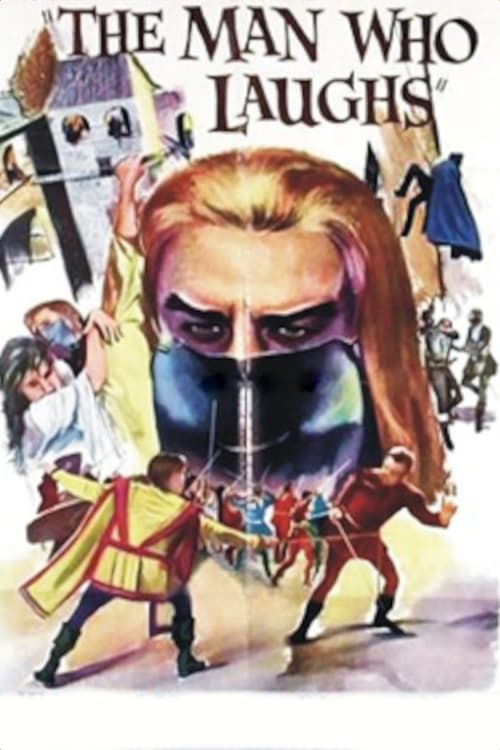
This loose adaptation of the Victor Hugo classic shifts the story to Italy and back in time, with the deformed protagonist meeting Lucrezia Borgia instead of Queen Anne. Also, Gwynplaine is renamed Angelo (Jean Sorel) with his disfigurement represented by a single broad slash across his mouth, crude yet convincing. The story (not credited to Hugo) is a swashbuckler pitting the disfigured acrobat against the henchmen of the Borgias.
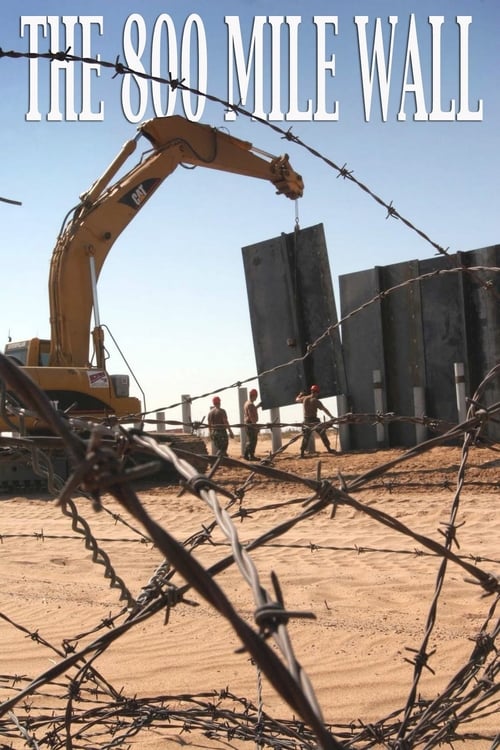
"The 800 Mile Wall" highlights the construction of new border walls along the U.S.-Mexico border as well as the effect on migrants trying to cross in the U.S. This powerful 90 minute film is an unflinching look at a failed U.S. border strategy that many believe violates fundamental human rights.
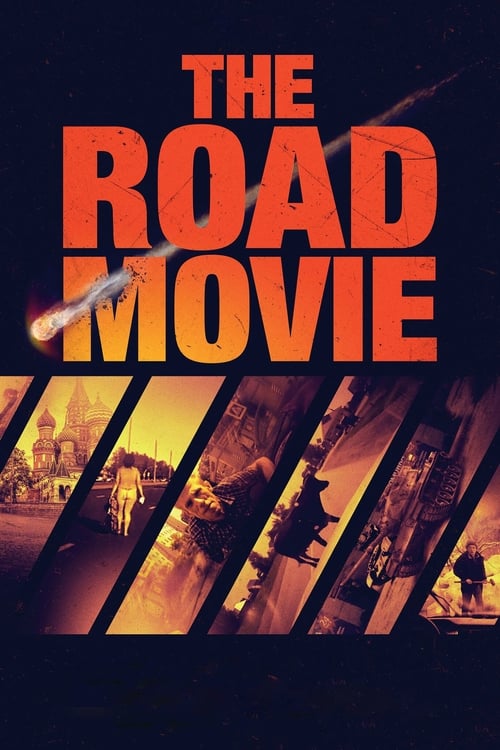
Anything can happen on Russian roads and is precisely shot by the dashboard camera. Super-objective video registration grows into the strong image of Russian national character – with its permanent awaiting for the miracle and habitual approach to real dramas. A forest on fire as a symbol of Russian hell, a military tank at a car wash and car chase in the vicinity of Kremlin shot with a dashboard cam at the same time when Boris Nemtsov, the leader of political opposition, was shot dead near Kremlin. Dashboard cam depicts life in it’s purity as an unbiased observer.
Leave the beach towel at home and take a trip to the end of the earth - literally. From the Starship UK to one very haunted hotel, you won't find the destinations of Doctor Who in any guidebook.
A documentary crew returns to the shooting locations of Sam Peckinpah's legendary western to reflect on the film and the way it impacted their lives.
How safe is the future of the world’s food? This documentary explores a growing crisis in world agriculture. Plant breeding has created today’s crops, which are high yielding but vulnerable to disease and insects. To keep crops healthy, breeders tap all the genetic diversity of the world’s food plants. But that rich resource is quickly being wiped out. (NFB)
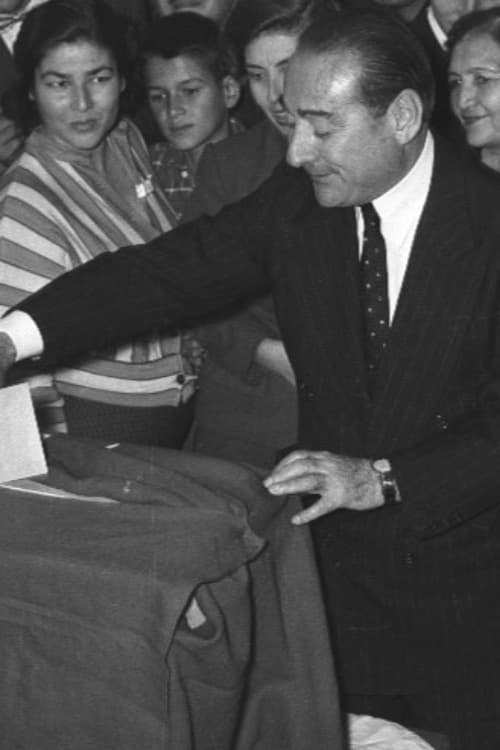
The spring of 1950 was also the spring of the multi-party regime in Turkey. A new 10 years, a new regime, a new government. The first test of democracy was beginning. The National Chief of the single-party period had returned to his Pink Mansion. The address of the opposition was clear now. When it comes to power... Power was shared by a tripartite trivet from the first day: DP Group in the Parliament. Celal Bayar in the Mansion and Adnan Menderes in the Prime Ministry..
Behind-the-scenes documentary about the making of Klaus Kinski's "Paganini".
Documentary satire about a project by Christoph Schlingensief: Ten years after his TV project "Talk 2000", Schlingensief started to work on a new talk show – at least that was what he claimed. But in reality, it was obvious that the pilot episodes he produced would never be broadcasted. Nevertheless, all celebrities from the political and cultural sphere, Schlingensief had requested, accepted his invitation, including the filmmaker Oskar Roehler, the televangelist Jürgen Fliege, the politician Claudia Roth, or the rapper Sido. It is beyond question, that the talk show panel took an unconventional course directly from the start – and was soon threatening to turn into an uproar.
Germany's first Open Source movie. A gonzo style documentary.
Documentary montage film by Alexander Vartanov, a subjective look at the beginning of the 21st century in Russia