No Cast found.
No Trailers found.
No overview available.
A musical oddessy through the heart of Africa in search of the roots of Rock & Roll.
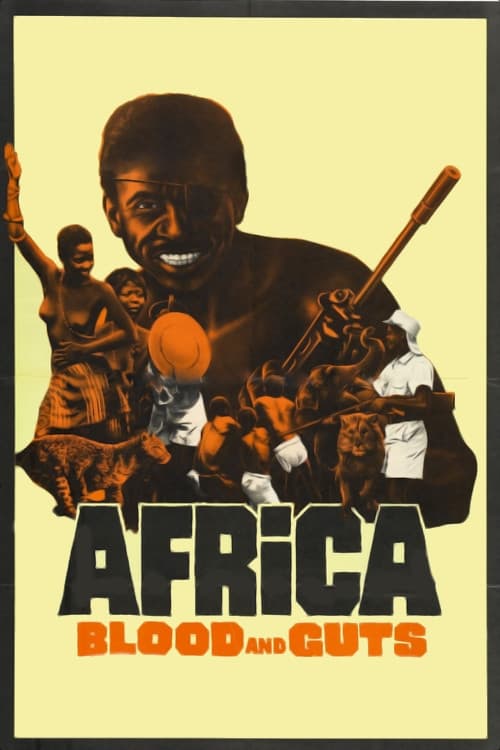
A chronicle of the violence that occurred in much of the African continent throughout the 1960s. As many African countries were transitioning from colonial rule to other forms of government, violent political upheavals were frequent. Revolutions in Zanzibar and Kenya in which thousands were killed are shown, the violence not only political; there is also extensive footage of hunters and poachers slaughtering different types of wild animals.
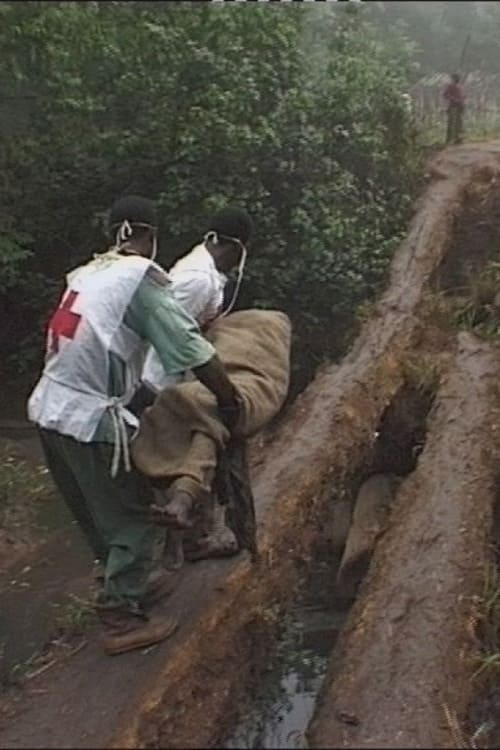
Along an overgrown rail track south of the Zairean town Kisangani, a UN expedition together with a handful of journalists discover “lost” refugees. They are eighty thousand Hutus from far away Rwanda, the last survivors of three years of hunger and armed persecution that transpired throughout the vast Congo basin. The Hutu-refugees leave the forest, gathering in two gigantic camps. Hundreds of refugees die every day from diseases and malnutrition The Rwandans are promised repatriation with airplanes out of Kisangani. The film traces those refugees into the heart of the rainforest, and the hopeless attempts to help them.. But only four weeks later, the unprotected UN-camps are again attacked by machine-gun fire, deliberately massacred by factions of the rebel army (AFDL) of today’s Democratic Republic Congo. Eighty thousand men, women and children disappear once again back into the jungle. (jedensvet.cz)
Over 6,000 men served and 19 fell in the Congo Battalion (1960-64), Sweden's most dramatic and contentious UN operation. Many of the participants have borne the experience as a lifelong, well-hidden trauma. A visit to the Congo after fifty years causes some of them to finally open up and tell the things that they haven't even been able to say to their closest family.
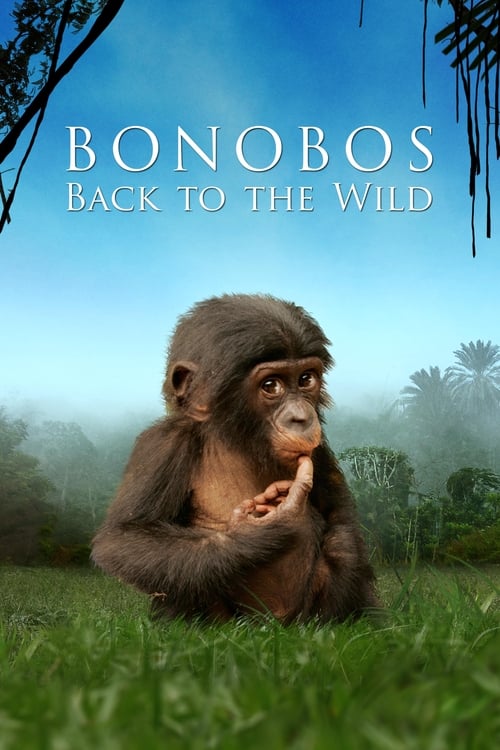
The critically important work by renowned naturalist Claudine Andre to save the endangered bonobo apes of the Congo is presented in this visually stunning feature film.
Short ethnographic documentary showing a leopard dance based upon footage shot by director Luc de Heusch in Congo in 1954 reassembled by Damien Mottier (Université Paris Nanterre) and Grace Winter (CINEMATEK).
Short ethnographic documentary showing some everyday life scenes based upon footage shot by director Luc de Heusch in Congo in 1954 reassembled by Damien Mottier (Université Paris Nanterre) and Grace Winter (CINEMATEK).
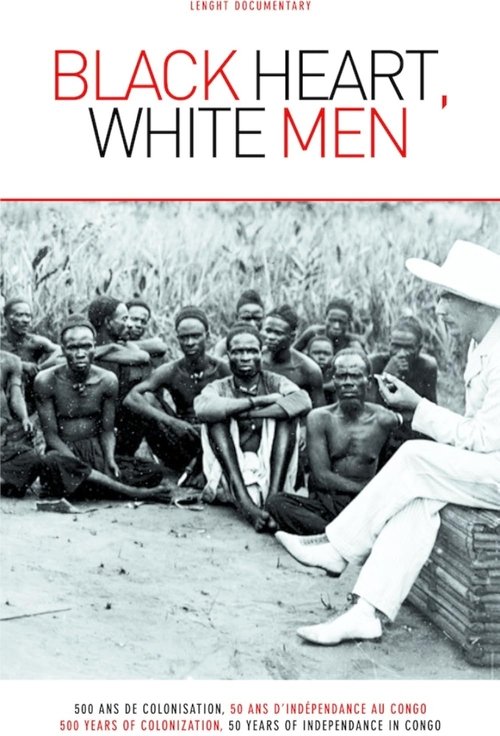
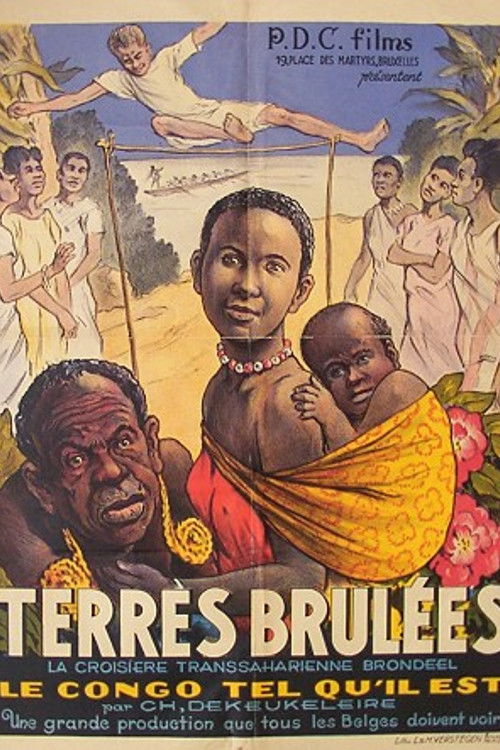
A visual travel diary on the expedition led by Brondeel in 1934. This expedition to Belgian Congo, by truck, became a testimony to the social conditions of Africans during the colonial era.
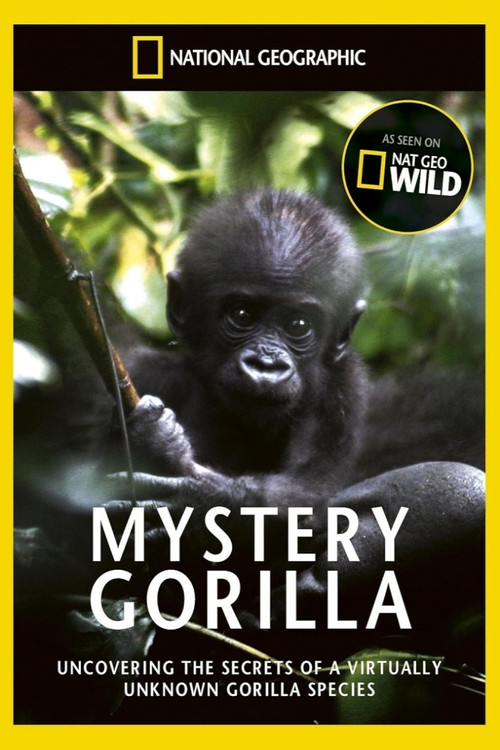
In 2007, scientists from the Wildlife Conservation Society discovered there were an estimated 125,000 western lowland gorillas living in the remote forests of northern Congo. This find offers another chance to protect this endangered great ape and a first look at some unprecedented behaviour – including a knack for using tools. Now primatologist and National Geographic explorer Mireya Mayor ventures into the heart of the jungle to explore the great apes’ secret world. She gets a rare and intimate look into the family life of one gorilla group and witnesses individuals performing feats unexpected in the wild. Spectacularly photographed and featuring new scientific insight, Mystery Gorilla presents startlingly familiar animals like you’ve never seen them before.
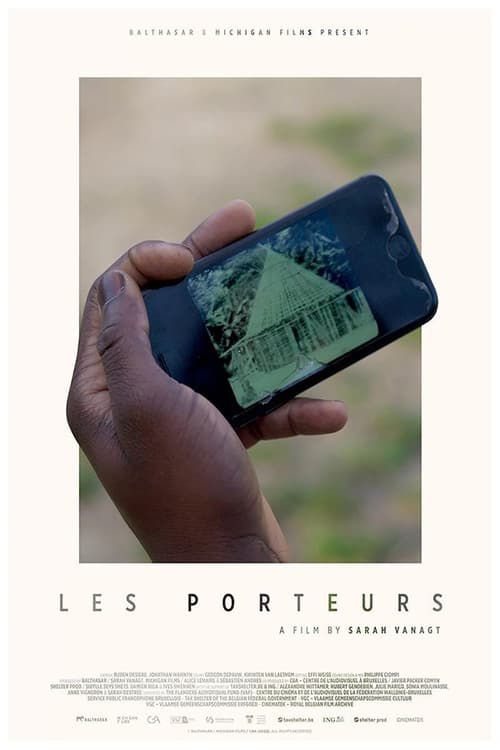
Some kids in Brussels play a game based upon objects that were brought back from the Congo and which were used during the Hutereau expedition.
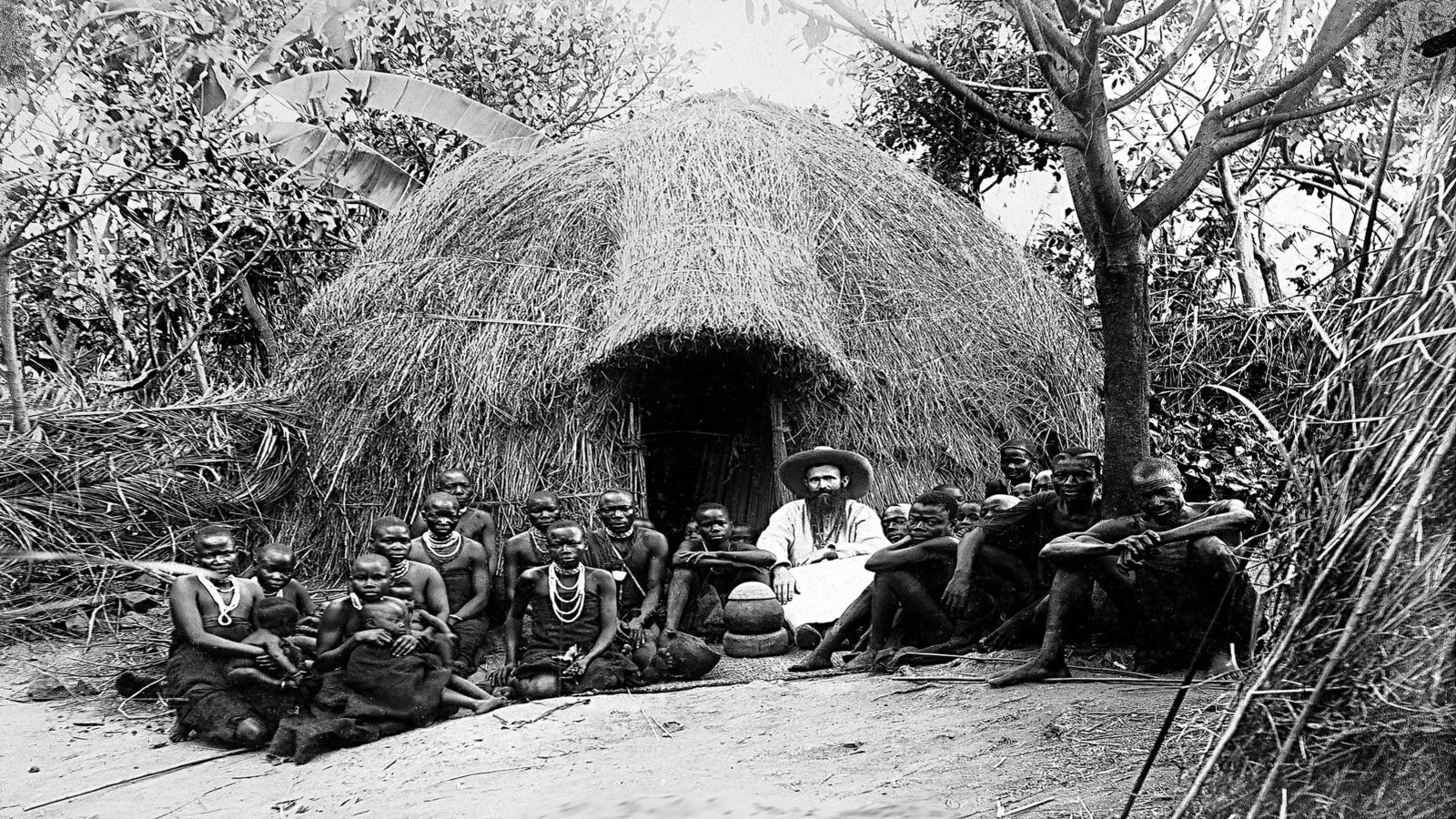
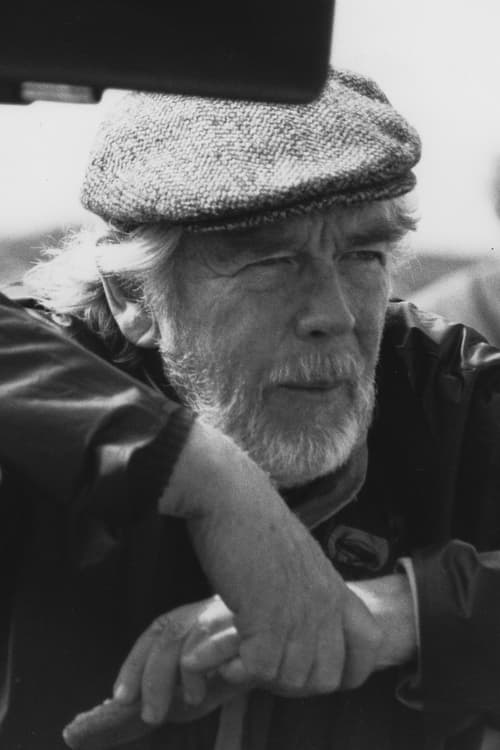
Sven Nykvist, best known as Ingmar Bergman cinematographer, made this film as a tribute to his father who was a missionary in Kongo in the early 20th century. The story of his father Gustav Natanael Nykvist is told through his own photos, letters, and films. Director & cinematographer: Sven Nykvist. Narrators in the English dubbed version: Liv Ullmann & Sean Connery. Produced by Ingmar Bergman (Cinematograph AB). Digitally restored in 2022.
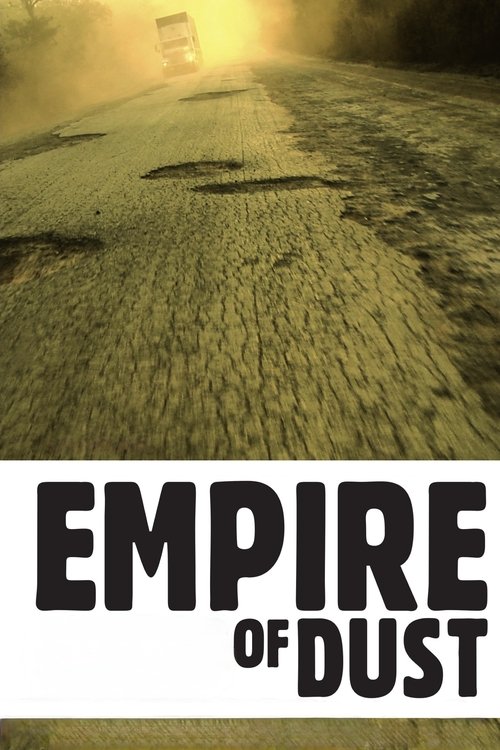
Lao Yang is head of logistics of the group. He is responsible for the equipment, building materials and food (mainly chickens) to arrive in the isolated Chinese prefab camp. The Congolese government was supposed to deliver these things but so far the team hasn't received anything. With Eddy (a Congolese man who speaks Mandarin fluently) as an intermediate, Lao Yang is forced to leave the camp and deal with local Congolese entrepreneurs, because without the construction materials the road works will cease. What follows is an endless, harsh, but absurdly funny roller coaster of negotiations and misunderstandings, as Lao Yang learns about the Congolese way of making deals.
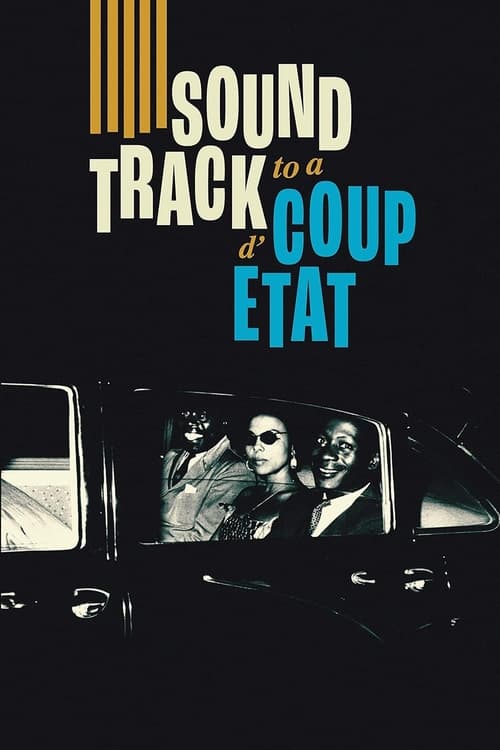
Jazz and decolonization are intertwined in a powerful narrative that recounts one of the tensest episodes of the Cold War.
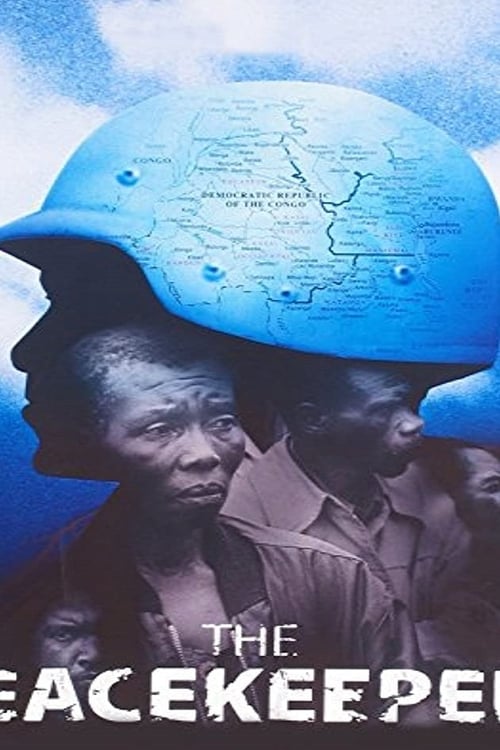
With unprecedented access to the UN Department of Peacekeeping, The Peacekeepers provides an intimate and dramatic portrait of the struggle to save "a failed state" The film follows the determined and often desperate maneuvers to avert another Rwandan disaster, this time in the Democratic Republic of Congo (the DRC). Focusing on the UN mission, the film cuts back and forth between the UN headquarters in New York and events on the ground in the DRC. We are with the peacekeepers in the "Crisis Room" as they balance the risk of loss of life on the ground with the enormous sums of money required from uncertain donor countries. We are with UN troops as the northeast Congo erupts and the future of the DRC, if not all of central Africa, hangs in the balance. In the background, but often impinging on peacekeeping decisions, are the painful memory of Rwanda, the worsening crisis in Iraq, global terrorism, and American hegemony in world affairs.
Documentary about the inhabitants, both human and animal, of the Belgian Congo.
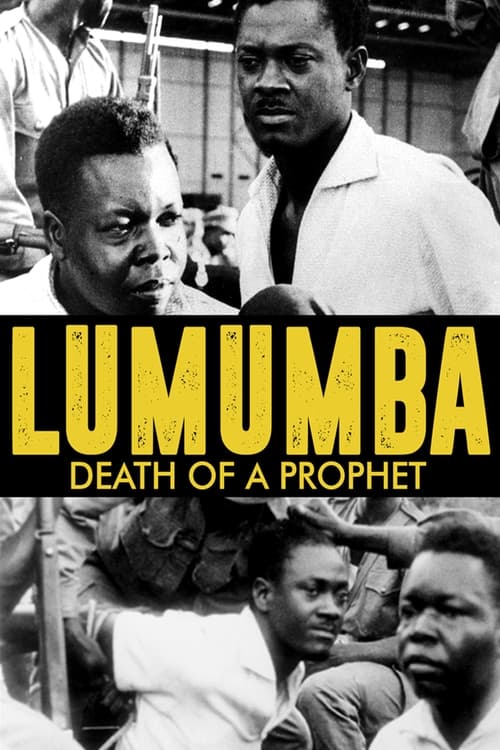
Documentary about African political leader Patrice Lumumba, who was Prime Minister of Zaire (now Congo) when he was assassinated in 1961.
A quartet of powerful, hard-hitting short films that lay bare the disturbing reality of everyday life in the Democratic Republic of Congo.
As if they were showing their film to a few friends in their home, the Johnsons describe their trip across the world, which begins in the South Pacific islands of Hawaii, Samoa, Australia, the Solomons (where they seek and find cannibals), and New Hebrides. Thence on to Africa via the Indian Ocean, Suez Canal, North Africa, and the Nile River to lion country in Tanganyika. (They are briefly joined in Khartum by George Eastman and Dr. Al Kayser.) Taking a safari in the Congo, the Johnsons see animals and pygmies, and travel back to Uganda, British East Africa, and Kenya.