Amateur film of the passage to India - complete with guest appearance by Gandhi.
No Trailers found.
No Cast found.
Short documentary on classical Indian music.
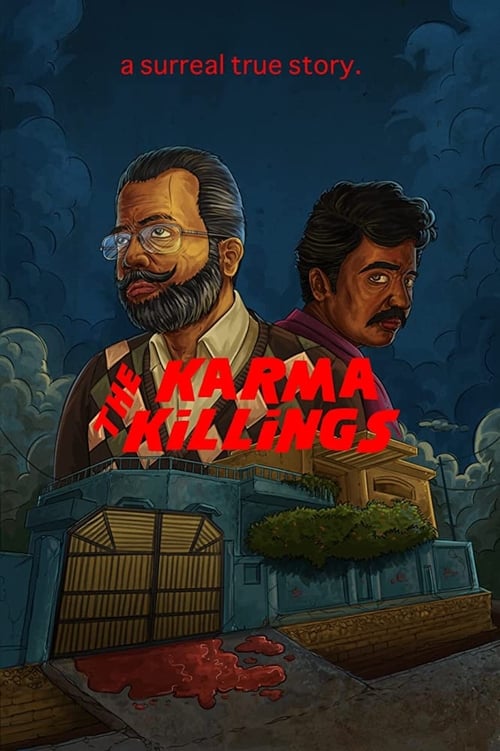
"The Karma Killings," is a modern-day crime thriller mixed in with Indian mythology and class warfare. The documentary delves into India's most infamous serial killings and its impact on a nation. Told through the people directly involved, the film unravels the complexities of the case and goes beyond the sensational headlines to present a suspenseful and scary mystery. And has a huge twist - one of the killers maybe innocent?
Two tons of snow—flown from New Hampshire to Puerto Rico in 1952 in order to “gift” Puerto Ricans a “white Christmas”—become a metaphor for the colonialist paternalism of America’s relationship to Puerto Rico.
Six students from 3 Countries, USA, India and China are moving to College. They soon find themselves in a global competition and it narrows down to: Engineering and Science.
Guillermo Gómez Álvarez explores the identity politics of Puerto Rico via archival footage from various sources that clash with nine original songs from local independent musicians and a thematic analysis from a psychoanalyst and a historian. From the juxtaposition the absurd becomes coherent and the coherent becomes absurd as Puerto Rican identity is defined and rejected almost simultaneously.
No overview available.
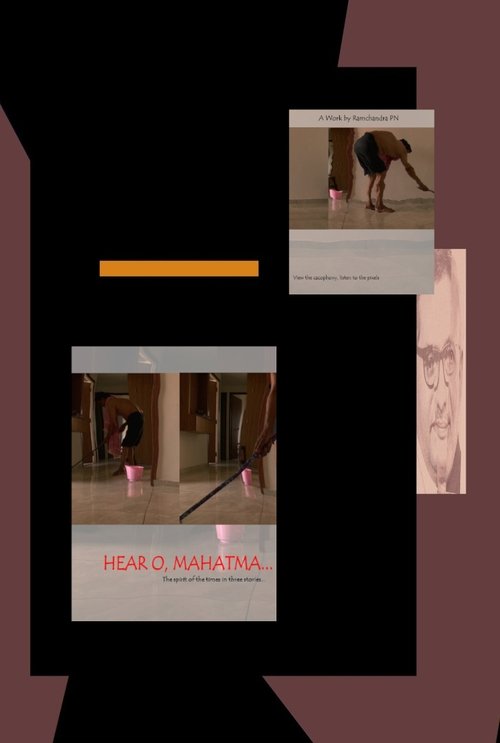
In an open letter to the most influential modern Indian political leader, the Late Mohandas Karamchand Gandhi, the filmmaker sequentially narrates the stories of three distinct individuals - that of a confused filmmaker who flows with time, a dedicated social reformer who guides the stratified masses into social upliftment and a divisive and regressive politician. The juxtaposition of their disfigured trajectories provokes a pertinent question: Did Gandhi ever foresee the dehumanized shape that his legacy has now dangerously morphed into?
For decades, the countries of the African Sahel region have been targets of colonialism and exploitation by France and other Western powers. This documentary addresses the popular resistance and new paths of development forged by Burkina Faso, Niger, and Mali after experiencing civil and military uprisings in recent years. The film explores the popular resistance that sustains the revolution in the three Sahel countries and was made after extensive coverage of the ongoing social dynamics and geopolitical disputes.
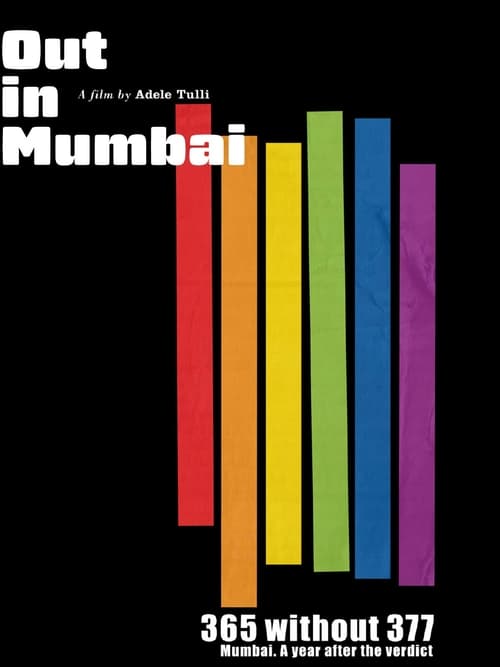
Imposed under the British colonial rule in 1860, Section 377 of the Indian Penal Code criminalise any sexual acts between consenting adults of the same sex, stigmatising them as 'against the order of nature'. On July 2, 2009 the Delhi High Court passed a landmark judgment scrapping this clause, thus fulfilling the most basic demand of the Indian LGBTQ community, which had been fighting this law for the past 10 years. Three characters, Beena, Pallav and Abheena travel through the city of Bombay heading to the celebrations for the first anniversary of the historic verdict. '365 without 377' is the story of their journey towards freedom.
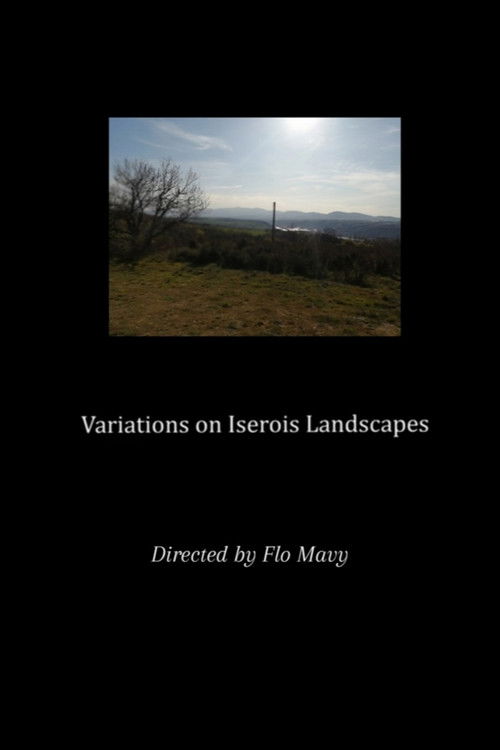
Thirty-three shots based on the landscapes of the Isère region near Vienne. A work of observation on light, the dilation of Time, wind, calm and storm.
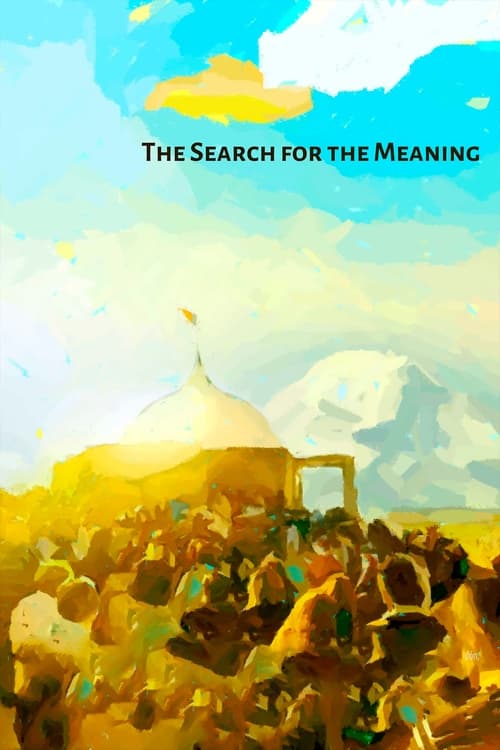
"The Search for the Meaning" is a collective experience, carried out with the audiovisual contribution of countless people who record their testimonies and spiritual experiences in 19 countries, to show a new spirituality that is being born...
Tips for what to expect when taking a vacation aboard a cruise ship, and how to make the most of the trip.
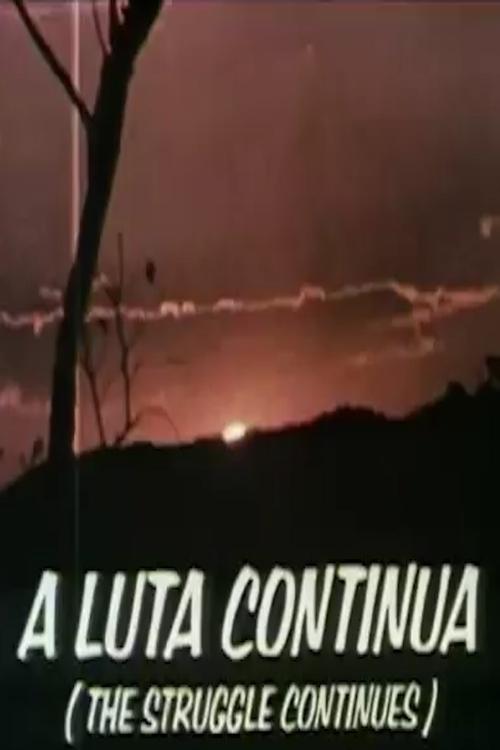
A Luta Continua explains the military struggle of the Liberation Front of Mozambique (FRELIMO) against the Portuguese. Produced and narrated by American activists Robert Van Lierop, it details the relationship of the liberation to the wider regional and continental demands for self-determination against minority rule. It notes the complicit roles of foreign governments and companies in supporting Portugal against the African nationalists. Footage from the front lines of the struggle helps contextualize FRELIMO's African socialist ideology, specifically the role of the military in building the new nation, a commitment to education, demands for sexual equality, the introduction of medical aid into the countryside, and the role of culture in creating a single national identity.
A group of teenagers from Flint, Michigan filmed themselves kidnapping and terrorizing a new acquaintance, before taking her out to a woods and dumping her in a shallow grave. They then taunted their terrified and blindfolded victim asking if she had any last requests before they cut her throat. But was the kidnap real or just a game? Three days later the tape was in the hands of the police and the 5 teenager friends were in custody facing life imprisonment. This program talks to the people at the heart of this story - including two of the defendants - in an attempt to understand what really happened in the woods around Flint last year. It also screens the video of the 'abduction'. What is revealed is an extraordinary and disturbing record of a night when something went terribly, terribly wrong.
A fun tour of 1950s West End with international film star Yoko Tani.
People have always wanted to reach the horizon and go beyond it. It wasn't and isn't just about discovering for the sake of discovering. Exotic goods, wealth and power were the driving forces of these people. The steamship ultimately brought the breakthrough for global mobility and trade. In the past, as now, shipping is the engine of globalization.
'Ganga & Me' is a Documentary Film by the award winning film director Sunil Babbar. The 42 minutes film depicts the spiritual and emotional bond of a Hindu with the mother Ganga. Shot at the beautiful locales of Haridwar, Rishikesh and Varanasi, the film takes you on a spiritual journey in India. The language of the film is English. The movie is streaming globally on Fawesome TV and Relay.
Film of local events in Ajmer province including the fair at Pushkar.
Life in the bustling Punjabi city of Rawalpindi before partition.
This travelogue takes in some of the most important landmarks of Islamic power in India.