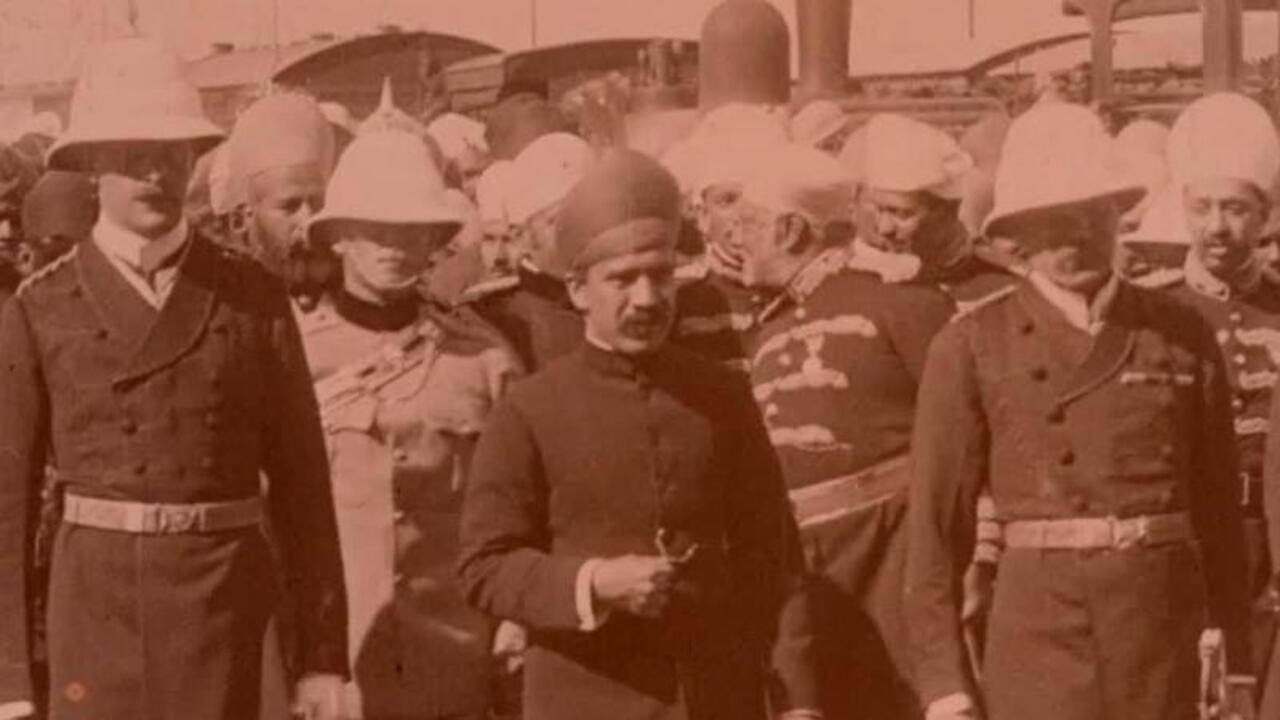
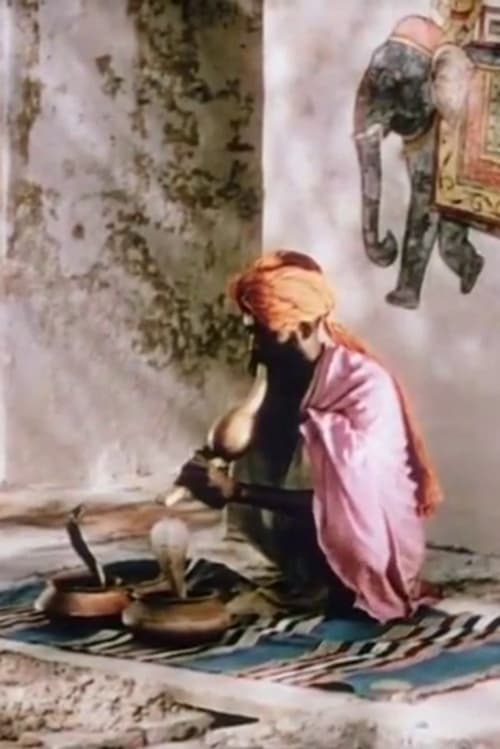
Dignitaries including the Nizam of Hyderabad gather to celebrate the Durbar in honour of George V, who arrives by boat in Bombay.
No Trailers found.
No Cast found.
Man-pulled rickshaw, which have served Kolkata for over eight decades face virtual extinction as a result of legislation introduced by the State Government in 1981. This would rob over 100,000 people of a living. The film analyzes the critical situation, and on the basis of concrete facts and figures, questions whether such a step would be fruitful at all. The image of a man pulling a man is a depressing and a negative one - but not more negative than that of the image of a man going without food.
Lord Lytton takes up the post of Governor of Bengal.
No overview available.
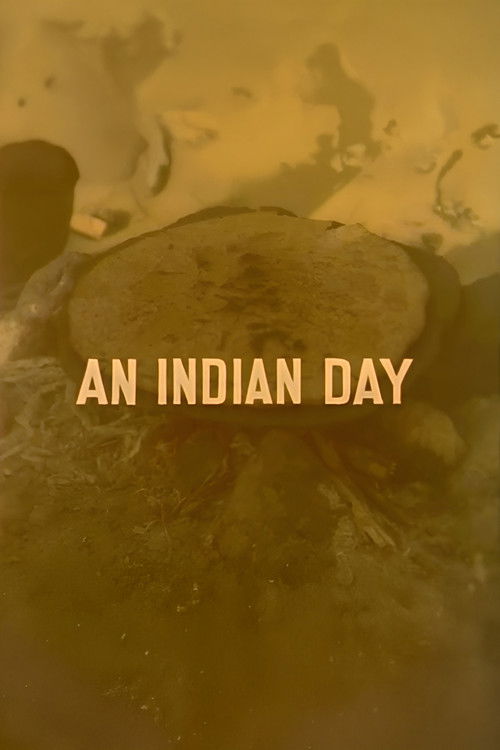
Traveling the length and breadth of the country, S. Sukhdev constructs, a panoramic, non-narrated study of Indian life in the late 1960s. Shot across villages, deserts, countryside, and cities, the film observes daily labor, leisure, and movement without commentary, allowing humor, contradiction, and social texture to emerge organically. The result is a sensory encounter with India poised between inherited tradition and accelerating modernity.
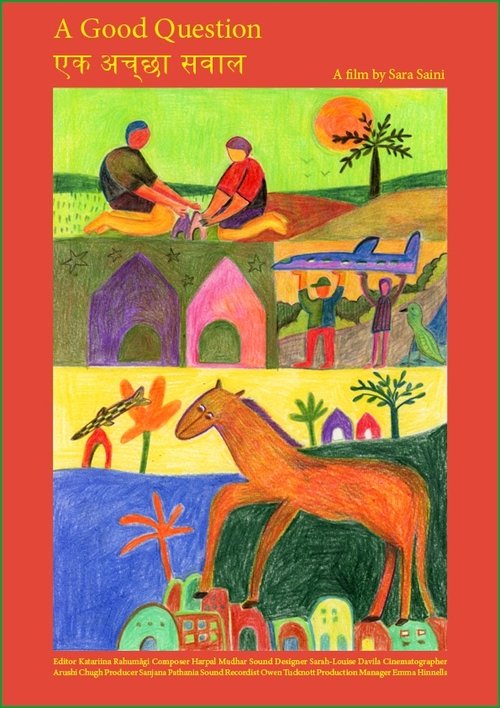
In Punjab’s Doaba region, a rooftop sculptor grapples with leaving home as his art and community reflect the hopes and sacrifices of migration.
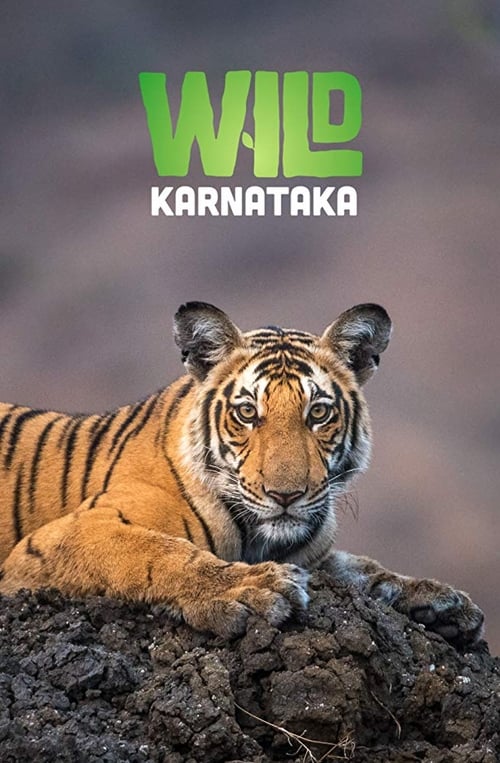
An unprecedented UHD film on Karnataka's rich biodiversity narrated by David Attenborough. Portraying the state with highest number of tigers and elephants using the latest technology - a masterpiece showcasing the state, its flora, fauna.
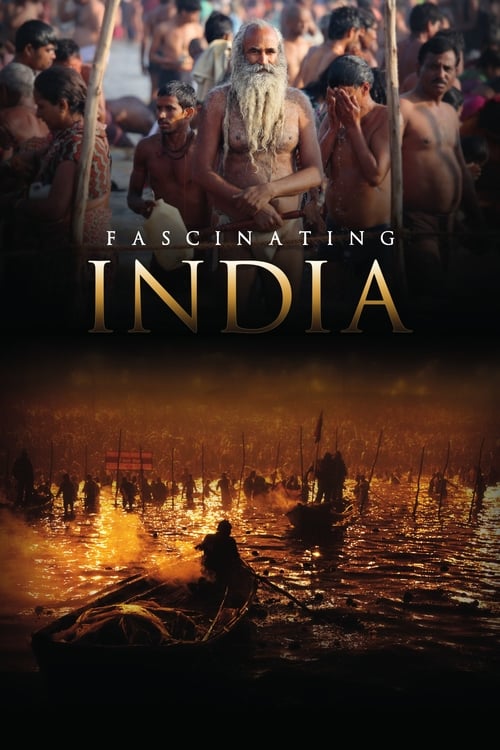
"Fascinating India" spreads an impressive panorama of India’s historical and contemporary world. The film presents the most important cities, royal residences and temple precincts. It follows the trail of different religious denominations, which have influenced India up to the present day. Simon Busch and Alexander Sass travelled for months through the north of the Indian subcontinent to discover what is hidden under India’s exotic and enigmatic surface, and to show what is rarely revealed to foreigners. The film deals with daily life in India. In Varanasi, people burn their dead to ashes. At the Kumbh Mela, the biggest religious gathering of the world, 35 million pilgrims bathe in holy River Ganges. This is the first time India is presented in such an alluring and engaging fashion on screen.
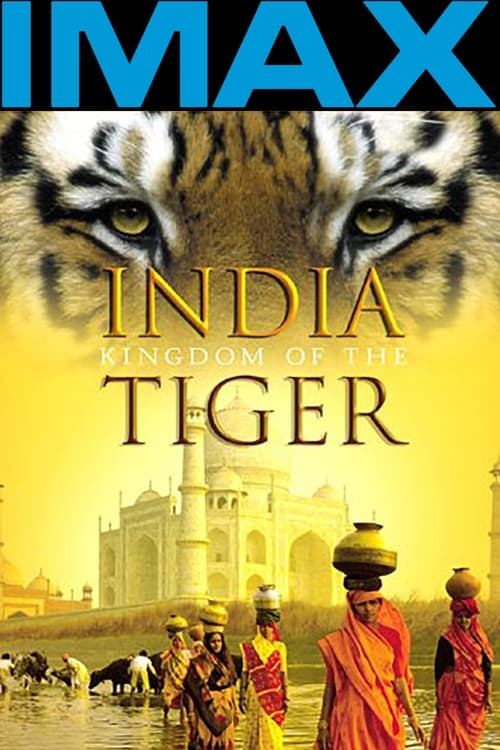
Journey across India, a breath taking land shaped by a myriad of cultures, customs and traditions. Come face to face with the Bengal Tiger and explore the work of this majestic creature with stunning clarity. Soar over blue-hazed Himalayan peaks and sweep down towards the thundering Indian Ocean as we celebrate the power and beauty of India's greatest ambassador - the mighty Bengal Tiger.
Originally created as an installation for the third Shenzhen Independent Animation Biennale this film is a gripping diary and travelogue of a trip the filmmaker made through India. She tries to grasp India’s love and thoughts, the sentiments and everyday conditions and the experience of disease and death.
Documentary on the river Ganges.
The making of the James Bond movie Octopussy (1983) in Udaipur, India during 1982.
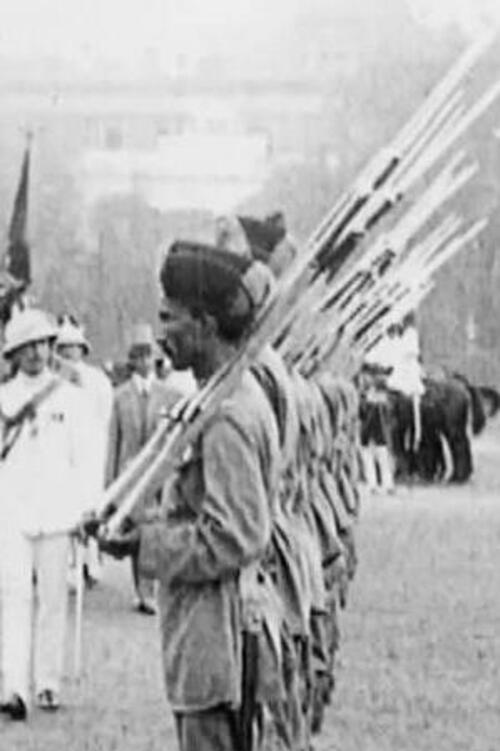
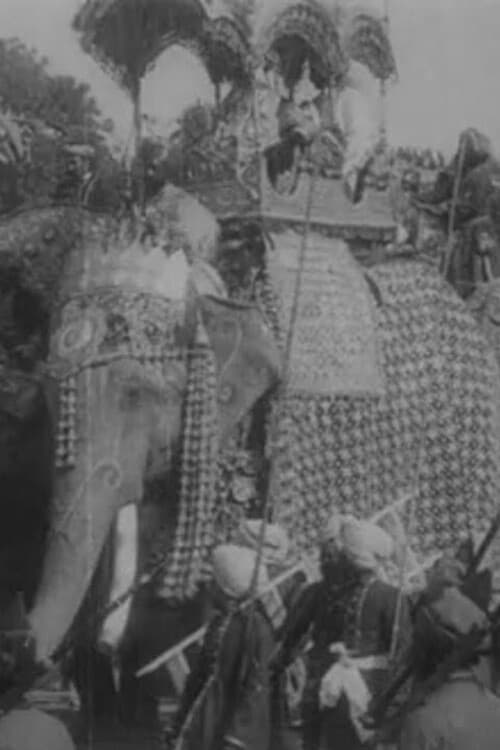
Film showing the Viceregal party entering Delhi on lavishly decorated elephants, as part of the Coronation durbar of 1903.
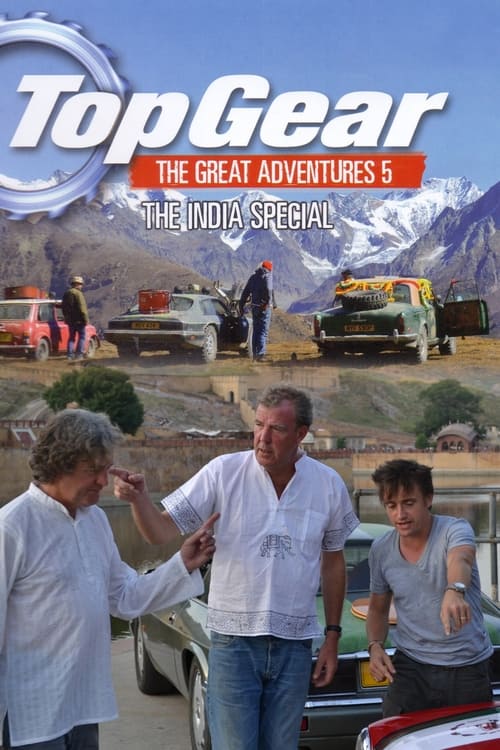
The gang embarks on a trade mission to India. Equipped with three old British cars and a range of uniquely British products, they set off on an epic road trip across one of the world's most fascinating and challenging countries.
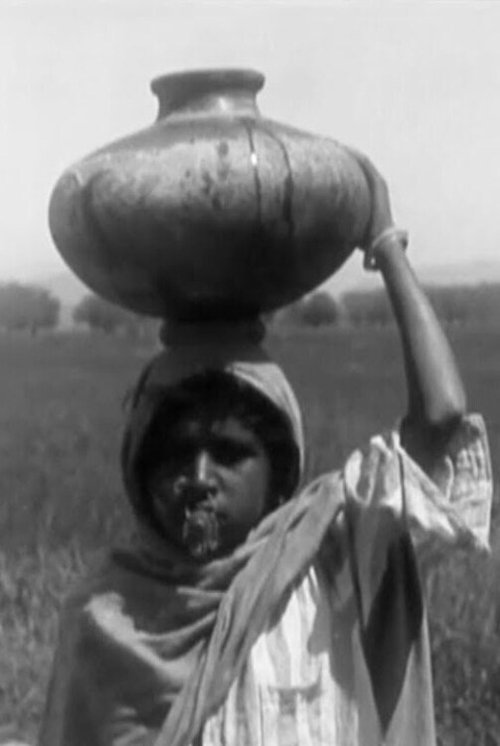
Richly detailed amateur ethnographic film on the agrarian economy and society in rural Punjab.
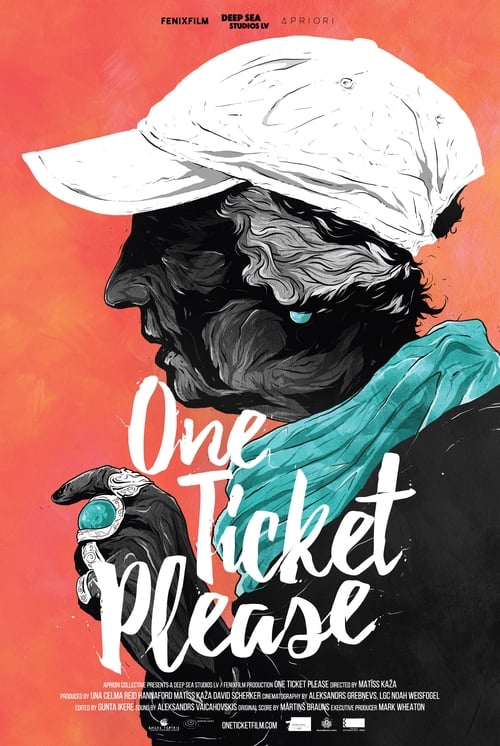
A documentary about a 78-year-old Indian woman in New York who is the world's most passionate theatergoer. Nicki Cochrane has been seeing a play every day for more than 25 years, acquiring free tickets using a variety of ingenious means.
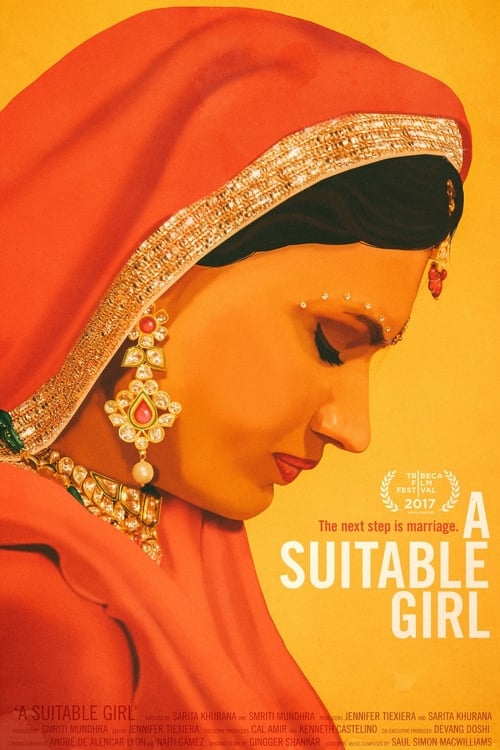
A Suitable Girl follows three young women in India struggling to maintain their identities and follow their dreams amid intense pressure to get married. The film examines the women's complex relationship with marriage, family, and society.
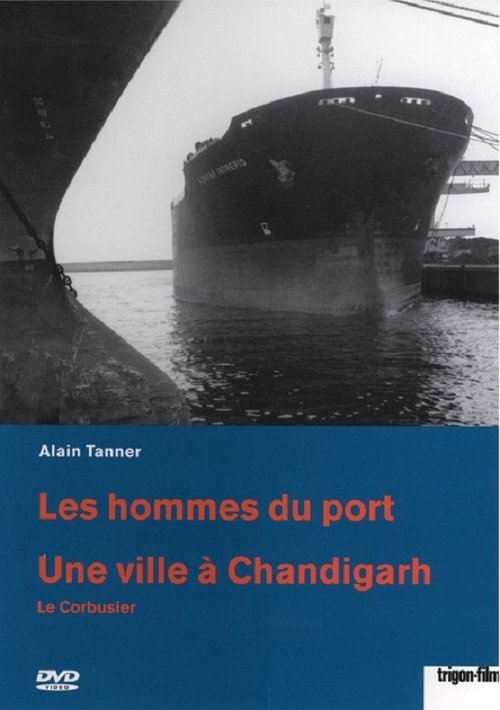
Documentary on the construction of Chandigarh, the new capital of the Indian Punjab region, planned by Albert Mayer and Swiss architect Le Corbusier.
Great herds of Asian elephants once roamed from Baghdad to Beijing. Now only remnants of these once mighty herds survive, protected today by the Indian government. It is here that filmmaker Naresh Bedi turns his camera, capturing an intimate portrait of thee largest of land mammals. An adult elephant eats 300 pounds of green fodder and drinks 40 gallons of water a day. This film follows these gentle giants as they forage and feed, wallow in watering holes, dust their skin with dirt, and care for their young.
Life on the road in India, showing the traffic, people and animals.
Hindu temples at Benares and Belur and the mythologies associated with them.