Hindu temples at Benares and Belur and the mythologies associated with them.
No Trailers found.
Narrator
Man-pulled rickshaw, which have served Kolkata for over eight decades face virtual extinction as a result of legislation introduced by the State Government in 1981. This would rob over 100,000 people of a living. The film analyzes the critical situation, and on the basis of concrete facts and figures, questions whether such a step would be fruitful at all. The image of a man pulling a man is a depressing and a negative one - but not more negative than that of the image of a man going without food.
A documentary on sufism
"First time shooting ... I was really thrilled ..."'Junjou Kawaii' A healing beautiful girl, Kyo Akane, who made such a perfect word, made her shocking debut from VTV! An evolutionary wearing erotic video presented by the genius Kaoru Toyoda to << you who are tired of ordinary image videos >>. From innocent and cute Kyoto to Kyoto that makes you feel the sex appeal of adults. A masterpiece that asks the "true value" of wearing erotic, the pleasure that comes out with beautiful images!
Documentary short about the disastrous dangers of aging, ailing dams.
A documentary exploring the ruins of a Mayan temple in Mexico and a "cursed" medallion that was found there.
Documentary on the founder of Monkey World in Dorset, Jim Cronin, and his legacy.
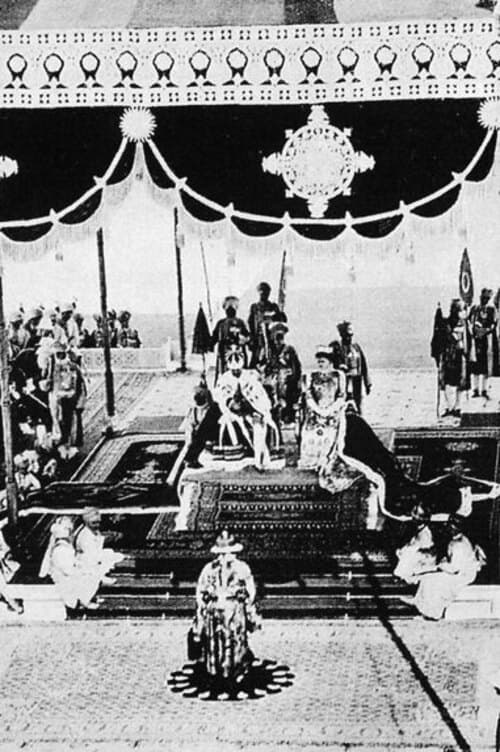
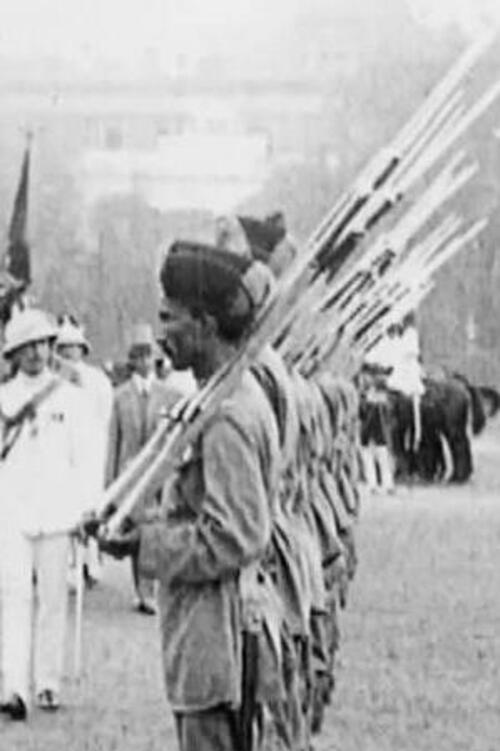
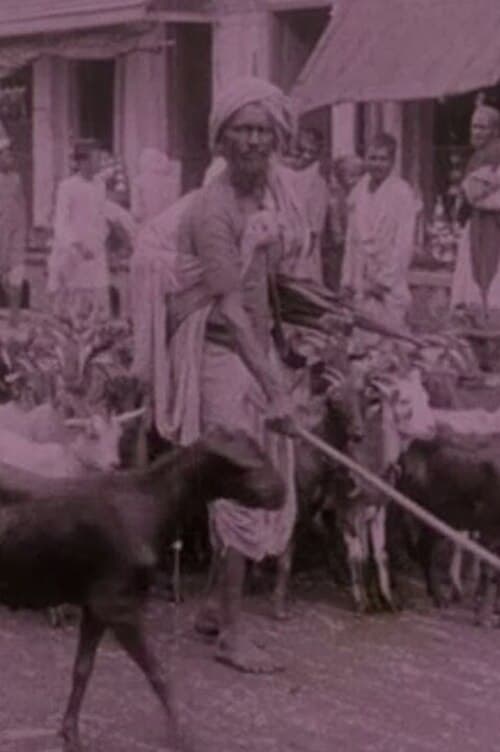
Jaw-dropping pomp and pageantry at the 1911 Delhi Durbar
No overview available.
The story of Sri Prem Baba, spiritual master and humanitarian leader with followers around the world, begins when a 14-year-old from Sao Paulo, Brazil, had a vision that said: 'go to Rishikeshi, India'. This story is delightfully told by himself leading us through the odyssey that would turn an ordinary boy into Prem Baba. Memories of friends, admirers and followers take us along the paths of the prosperous therapist who sank into a deep existential crisis and finally found India, where he would devote himself, after much debate, to his master and his destiny. A rich journey of enlightenment that brings us precious reflections on the meaning of life and the role of each one on this planet.
A stunning trek from the vale of Kashmir, via Sind Valley and Kargil and Lamayaru Monastry.
Lord Lytton takes up the post of Governor of Bengal.
A Suitable Girl follows three young women in India struggling to maintain their identities and follow their dreams amid intense pressure to get married. The film examines the women's complex relationship with marriage, family, and society.
"Fascinating India" spreads an impressive panorama of India’s historical and contemporary world. The film presents the most important cities, royal residences and temple precincts. It follows the trail of different religious denominations, which have influenced India up to the present day. Simon Busch and Alexander Sass travelled for months through the north of the Indian subcontinent to discover what is hidden under India’s exotic and enigmatic surface, and to show what is rarely revealed to foreigners. The film deals with daily life in India. In Varanasi, people burn their dead to ashes. At the Kumbh Mela, the biggest religious gathering of the world, 35 million pilgrims bathe in holy River Ganges. This is the first time India is presented in such an alluring and engaging fashion on screen.
Journey across India, a breath taking land shaped by a myriad of cultures, customs and traditions. Come face to face with the Bengal Tiger and explore the work of this majestic creature with stunning clarity. Soar over blue-hazed Himalayan peaks and sweep down towards the thundering Indian Ocean as we celebrate the power and beauty of India's greatest ambassador - the mighty Bengal Tiger.
Botanical gardens in Bombay plus the highly decorative Jain Temple in Calcutta.
Rumer Godden the 88 year old author is taken back to India, where she lived from 1908-1945 to revisit her unconventional life there and to share with her daughter the experiences which inform all her writing.
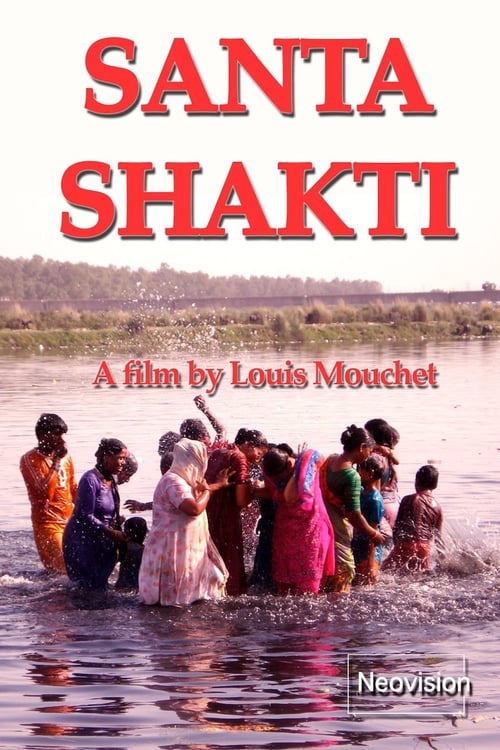
By drawing a parallel between the Indian Durga Puja festival and other forms of celebrating the divine feminine, Santa Shakti reveals the Sacred Power beyond languages and religions.
This documentary highlights the achievements of India in the political, economic, and international fields since she attained Independence. The framing of her Constitution, the integration of the States and the general elections, the rehabilitation of displaced persons, the river valley projects, and the setting up of a chain of National Laboratories are some of the achievements shown here.
Divided into three parts — The Awakening, The Struggle, and Freedom — this is a biographical film on Pandit Jawaharlal Nehru, the first Prime Minister of independent India. Relying on Nehru's writings and speeches, the film traces the evolution of Nehru from his birth through his life. It also deals with the effect of history on Nehru and in turn his impact on the world.
"No Flower Without Rain" is the 3rd AKB48 documentary. The movie feature various moments of 2012, such as Maeda Atsuko's graduation, Sashihara Rino's transference to HKT48, Oshima Yuko's winning the 4th Senbatsu Election and the Tokyo Dome concert.