No Cast found.
No Trailers found.
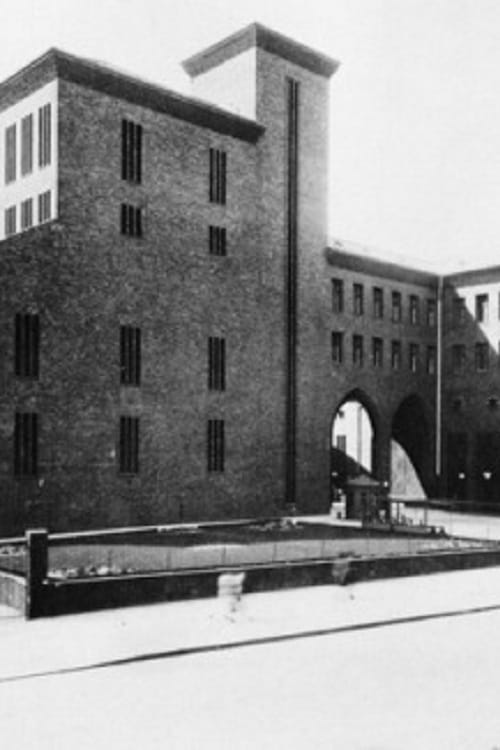
Documentary showing buildings made by great architect Joze Plecnik in Prague, Wien, Ljubljana...
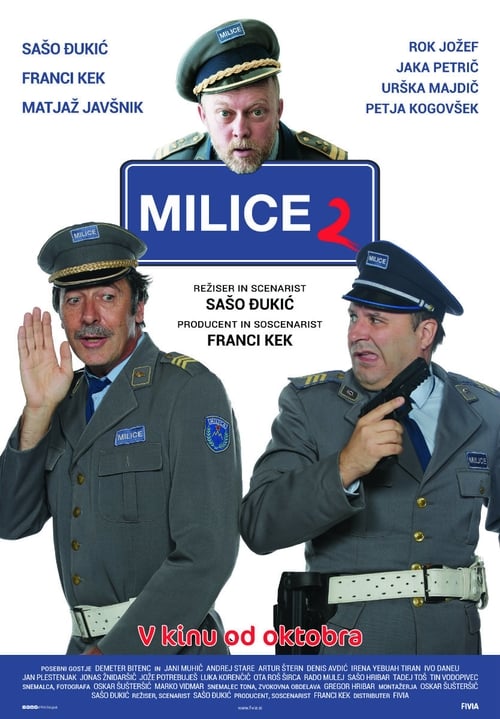
Two "milice" officers Janez and Franci are back after 20 years. This time they have to deal with Czech mafia and their leader Franta.
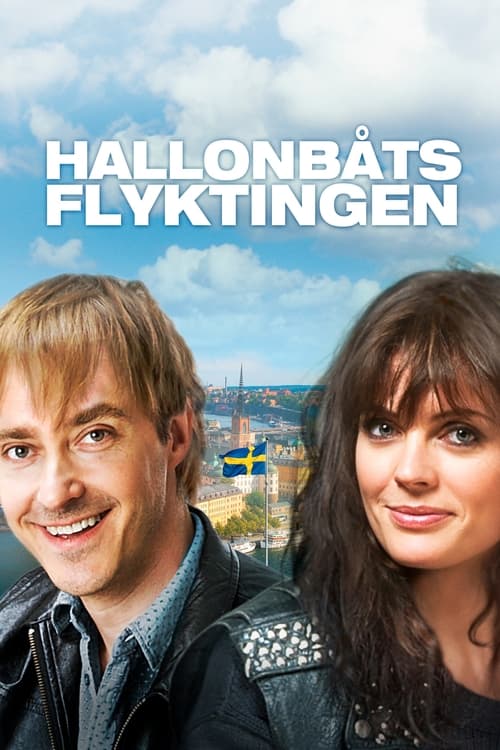
Mikko Virtanen feels like a Swedish soul trapped in a Finnish body. Full of disgust for everything Finnish, he sees Sweden as heaven. Upon meeting a suicidal Swedish psychologist Mikael Anderson, he seizes an opportunity for an identity switch. Raspberry Boat Refugee is a comedy about cultural differences in the Nordic countries, their nationalism and, not least, prejudices about our neighbours. It also proves how futile it is to try to escape oneself.
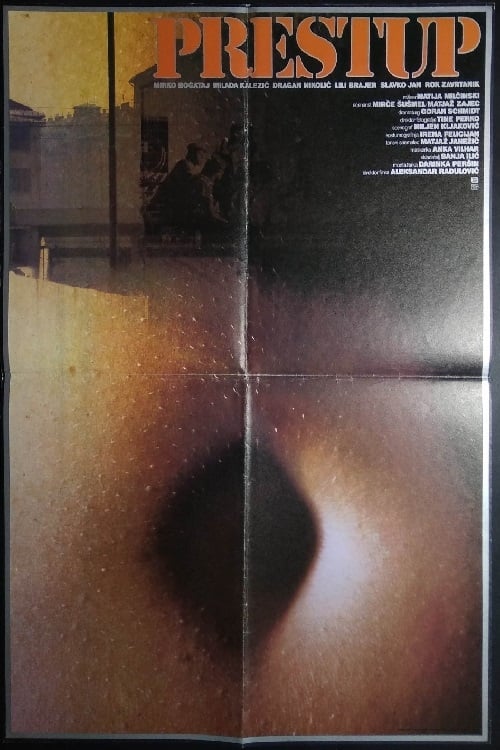
When Peter comes back from the war, he finds his father changed and alone. Their former maid, Leni, has also left and soon Peter's grandfather also dies. His father begins writing his memoirs of his Partisan years. Peter blames his father for his mother's death, but the final blow comes when he catches his father together with his (Peter's) former girlfriend. He moves in with his brother and accuses Leni of having had an affair with his father. Peter decides to kill his father but cannot carry out the plan. His father tells him in a fit of rage that he isn't his son at all. Feeling desperate and down, he goes to Leni's place for comfort, and finds her dead on the floor. The police arrest Peter for the murder of Leni. Will Peter have to serve a jail sentence on his road to maturity and will political connections have a bearing on the final verdict of the trial? Peter doesn't even know whom he can trust anymore.
Bevant is a freak who wanted to remain faithful to himself, and therefore, in contrast to most, he remained a farmer.
The story is told through different points of view. A woman loves everything green, her husband loves his car, a magician knows the secrets of the stars, a professor knows everything about sound and a cyclist solves a difficult problem. A surreal travel through time and space.
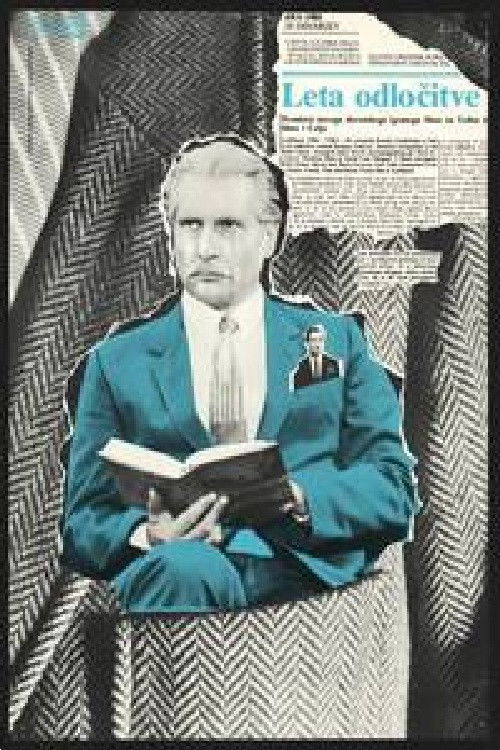
Peter, whose father was a member of the Home Guard collaboration forces and a political emigrant, returns from Argentina to Slovenia, his father’s homeland. In Slovenia, Peter makes the acquaintance of an architect, but their friendship is fraught with ideological conflicts.
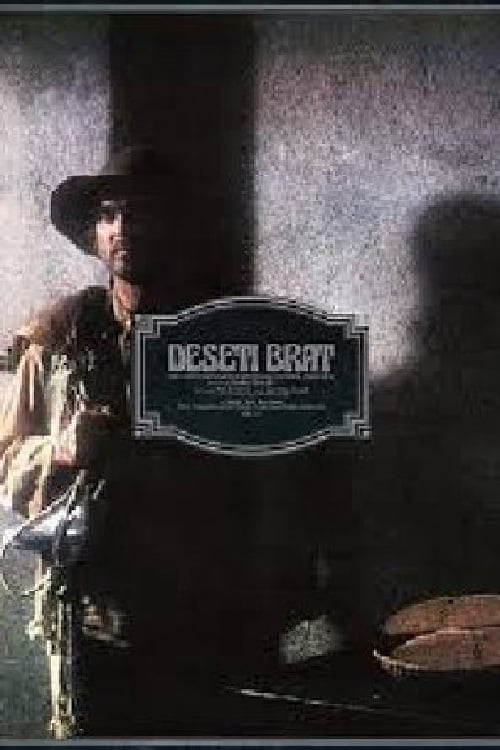
Based on the novel by Josip Jurcic and set in rural Yugoslavia in the 1840's. The tenth brother of a family returns to the family home to take revenge on his father who had abandoned him as a child.
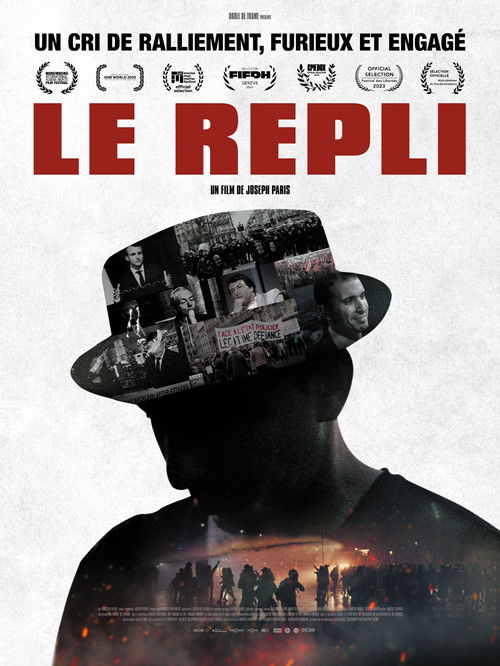
A furious, iconoclastic attack on power and the media in a modern France where Islamophobia has become mainstream and inequality is growing from the suburbs to the boulevards.
In 2009, a group of military enthusiasts led by the commander France (Gojmir Lešnjak - Gojc) decides to occupy Trieste. The group that stages battles performs it at a completely fictional location. However, this hobby is not to the liking of France's wife Marija (Silva Čušin) and his daughter Mateja (Anja Drnovšek). The daughter as a representative of the young generation has no understanding of her father's enthusiasm for partisans, battles and Tito. France is also confronted by the Slovenian police led by the commander Brane (Dario Varga) as Brane forbids France to stage any more battles ... Will the young generation accept our history and will Trieste be ours?
When Dane returns from the army, Vera awaits him at the station, ready to live together with him. Yet beneath the veil of enthusiasm lies anxiety for their future. The couple sets off for the mountain village where Vera's parents live, but find life in the harsh alpine conditions too difficult. They decide to move down into the valley, where they meet a discontented couple whose marriage has been marred by an affair. Vera and Dane also encounter difficulties in their relationship, but the tragic example of the other couple helps them realize that their home lies in the place of their birth - beneath the free skies in the mountains.
A TV journalist making a documentary in a factory finds out that the workers have been on strike and tries to analyze the strike in his film, but is thwarted by the TV company. His failure at his job is interwoven with his failed marriage.
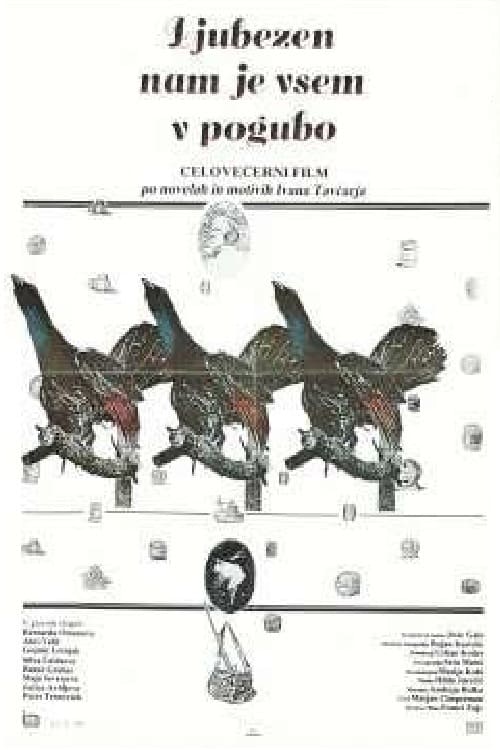
At the end of the last century hunters who hunted wild roosters, while waiting for prey to show up, were killing time with storytelling. The first story is about Jernac that had a fight with Tomas because of Rezika. Another story tells about Tincek, limp foundling, who spent his youth with the Komar family, where he fell in love with their Lencka. The third is the story of a rich Miholac whose attention was grabbed by poor Polonca, a romance that was opposed by his father. The central theme of all stories is love that eventually everybody die of.
A coming-of-age story set in Slovenian town during WW2.
A story set in a Slovenian village during Italian occupation. Stefuc, a man who has been widowed twice and has four daughters, wants to get married for the third time with Zana, who's already engaged and pregnant with Ludvik. Stefuc tries to separate them away, but realizes that he'll have to marry Hedvika, a nice looking girl who has just returned from Milan. In the meantime, Italian fascist authorities decide to eradicate five Slovenian songs with the help of local traitors.
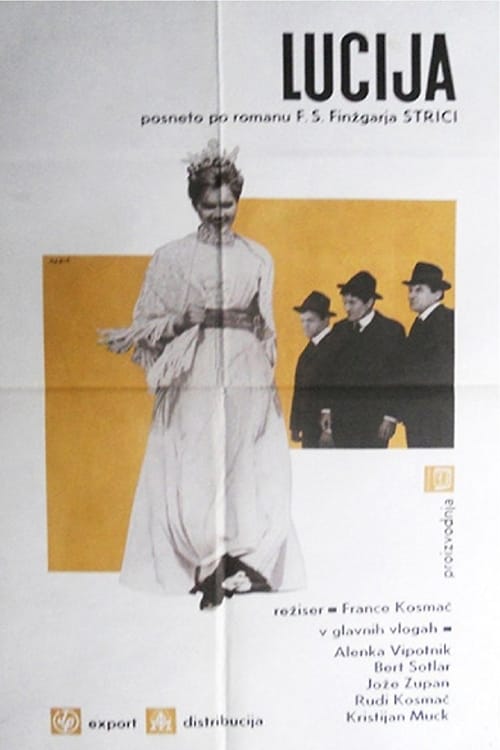
A melodramatic story of Lucia, who serves as a charwoman on the Podlogar family's rich farm, and makes a fuss among householder's sons, as she becomes pregnant with one of them. A decision on whether one should be forced into marriage with the pregnant charwoman and her child, ends tragically. Will Lucia be able to sustain psychological pressure, contempt and pity of the Podlogar brothers?
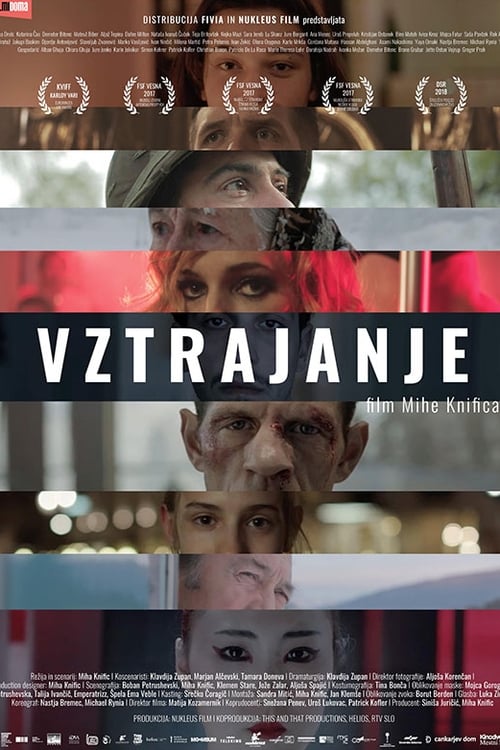
The stories narrated by the film bring together individuals all over the world, spanning over sixty years and thus symbolically covering the approximate period of a single human life. Each of the stories is based on true accounts and events, summed up from newspaper articles, statements, and media announcements. Through internal monologues the collage makes up a whole which transcends any individual story.
What does it actually mean to be Canadian? This humorous documentary, featuring interviews with a who's-who of famous Canadians, hopes to find the answer.
Black filmmaker John Akomfrah believes that, for too long, being English has meant being white. In an attempt to show Englishness from the point of view of mixed-race English people, he visits Liverpool, one of England's oldest multicultural communities.
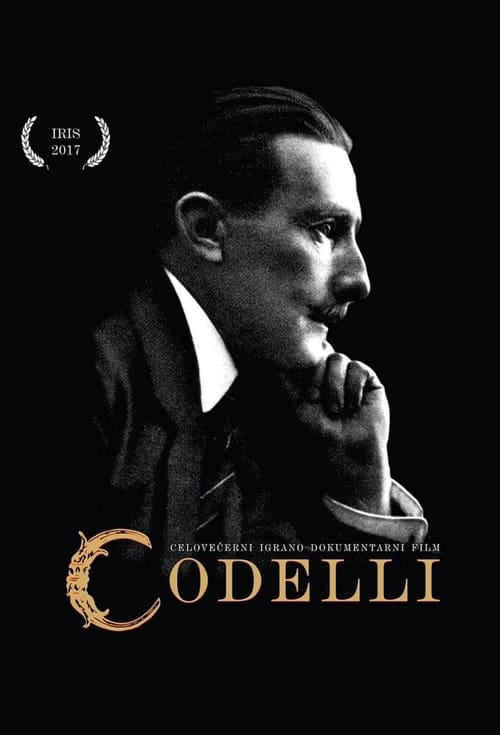
Codelli is a feature-length docudrama about a little-known film project by Slovenian inventor Baron Anton Codelli. Together with filmmaker and adventurer Hans Schomburgk he filmed in Togo in 1914 the first live-action film in Africa, which possibly inspired James Rice Burroughs for his novel on Tarzan. In the company of three Codelli’s descendants and actor Primož Bezjak, we traced the fate of Codelli’s film, brought the remains from Togo and Berlin to Ljubljana and used the Green Screen technology to bring to life 15 live-action scenes based on 600 Codelli’s museum photographs.