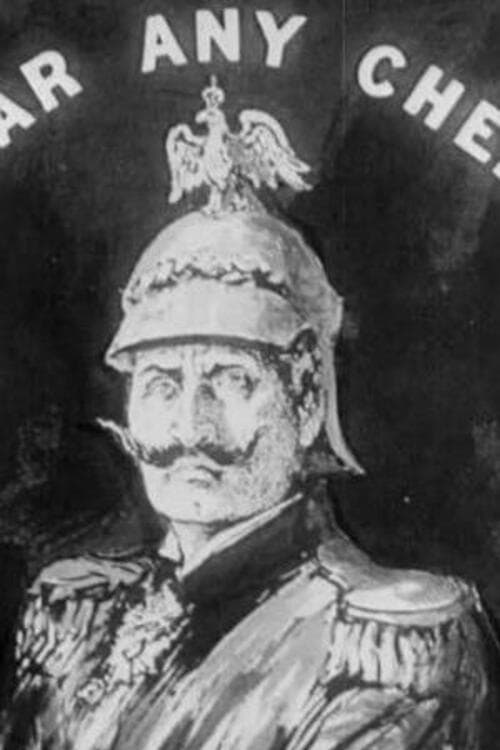
Lightning sketch propaganda stirs outrage about Reims bombing, and features a British bulldog eating the German sausage.
No Trailers found.
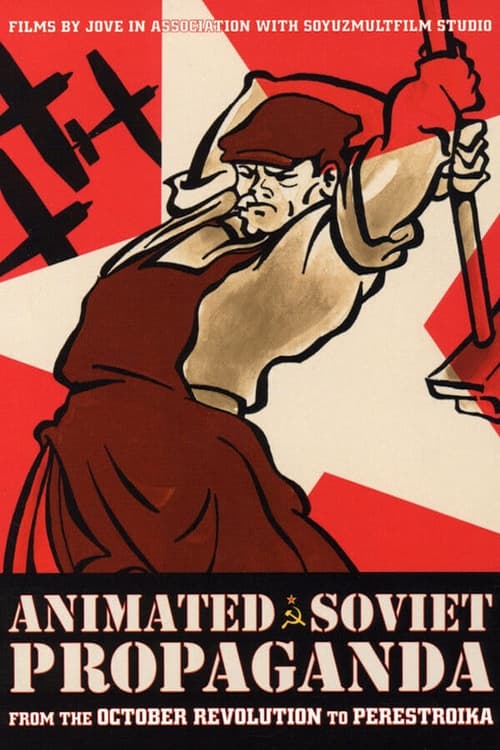
A landmark four disc Box Set - Unearthed from Moscow's legendary Soyuzmultfilm Studios, the 41 films in ANIMATED SOVIET PROPAGANDA span sixty years of Soviet history (1924 - 1984), and have never been available before in the U.S.
No overview available.
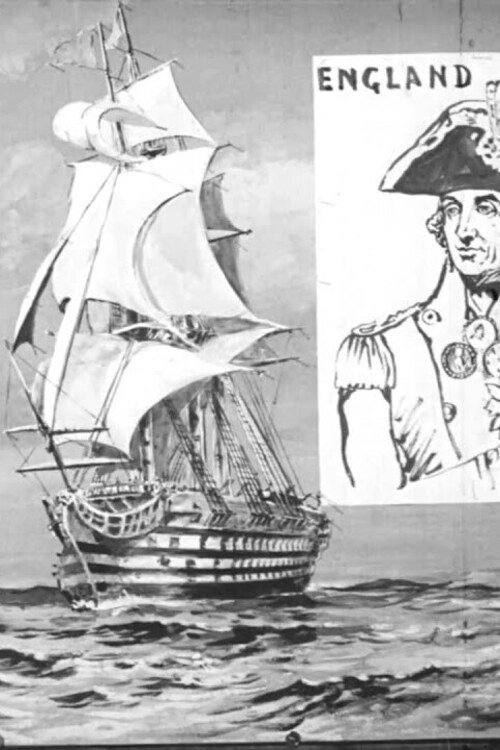
First World War animated propaganda short, extolling Britain's naval history and mocking the German navy.
A marching band of Germans, Italians, and Japanese march through the streets of swastika-motif Nutziland, serenading "Der Fuehrer's Face." Donald Duck, not living in the region by choice, struggles to make do with disgusting Nazi food rations and then with his day of toil at a Nazi artillery factory. After a nervous breakdown, Donald awakens to find that his experience was in fact a nightmare.
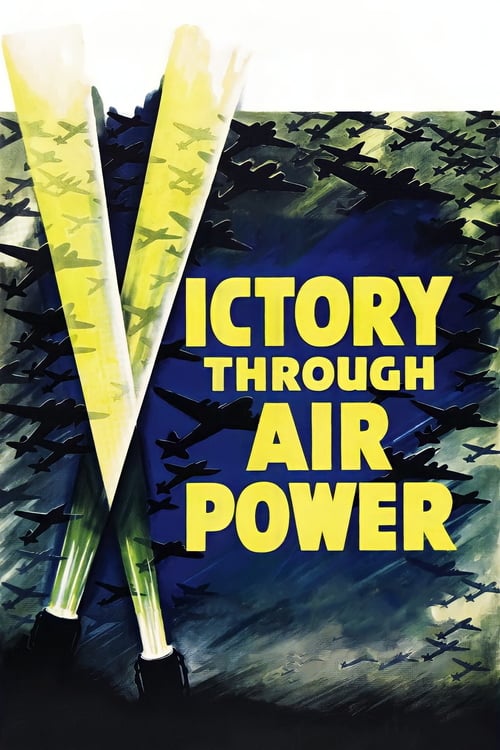
Based on the book by Major Alexander de Seversky's about his theories of the practical uses of long range strategic bombing. Using a combination of animation humorously telling about the development of air warfare, the film shows de Seversky illustrating his ideas of how air power could win World War II for the Allies.
"This anti-Communism film uses animation to tell the story of two brothers, one of whom receives training for hemispheric subversion in Cuba and returns to his own country to spread violence and terror. He realizes his mistake when, in the course of trying to destroy an experimental farm, his actions bring about the death of his brother Gustavo. Produced by Copri International Films, Inc. (Miami, FL) and directed by Jose D. de Villegas" (US National Archives).
Short cartoon made for US military soldiers during World War Two.
The Sailor and the Seagull was released by the U.S. Navy in 1949 with a simple goal: encouraging servicemen to re-enlist. In the film, a disgruntled sailor named McGinty complains about the raw deal he believes he is receiving by serving in the Navy. As luck would have it, a seagull comes to release him from service so that he can experience the freedom of civilian life. McGinty soon learns, however, that civilian life means less freedom and less money than he had imagined and quickly jumps at the chance to re-enlist. (cont. http://blogs.archives.gov/unwritten-record/2013/09/26/sailor-and-the-seagull/)
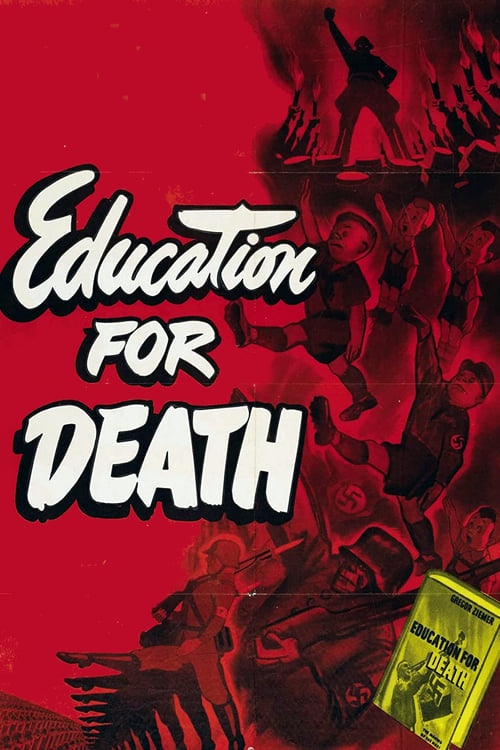
A propaganda film during World War II about a boy who grows up to become a Nazi soldier.
With Jean-Baptiste at the front, Louise takes care of Bébé with the help of Uncle Pierre. The letters she receives from Jean-Baptiste worry her, but Pierre distracts Bébé with a box of tin soldiers. That night, Bébé has a dream of his soldiers vanquishing the enemy, and the next morning, Jean-Baptiste surprises the family by returning home.
The first Greek animated film was shot by the cartoonist Stamatis Polenakis (1908-1997) with the title "The Duce tells...". The seven-minute "Mickey-Mouse-style" film, as its creator mentions in the credits, satirizes the Italian invasion of Greece on October 28, 1940, and especially Mussolini, who recounts his exploits, but reality constantly contradicts him. Stamatis Polenakis, one of the leading Greek cartoonists of the 20th century and a pioneer of animation in our country, began drawing the sketches for the film in 1942 in his hometown, Sifnos, where he had taken refuge during the Occupation. He worked under the boot of the Italian conqueror, risking arrest. The film was lost during the Civil War and it was not until 1980 that a negative was found and restored.
World War II propaganda trailer asking travellers to have patience and make concessions when travelling on trains. Film mostly consists of rostrum animation of still cartooned images with some very short pieces of true animation. (BFI)
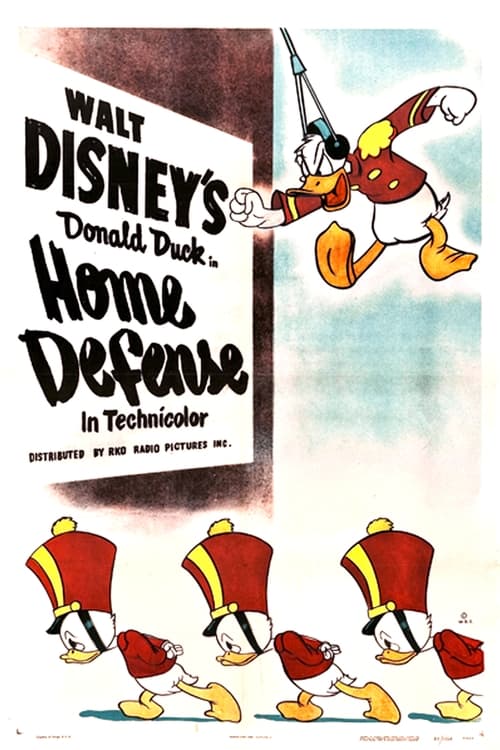
Donald is manning a listening post and falls asleep; he blows trumpet calls in his sleep and wakes his nephews. For their revenge, they send up a model airplane filled with gingerbread men with parachutes; Donald shoots it down, and cowers in fear when he sees the parachutes (and hears a simulated battle), until one lands on his beak. Donald kicks his nephews out until he mistakes a bee for an airplane, and calls them back to fight this menace.
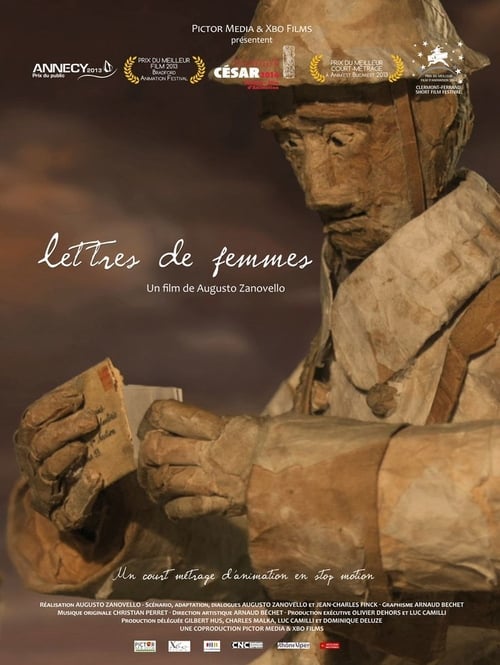
On the front lines of the Great War, nurse Simon repairs the broken faces of the soldiers every day with love letters, words from women that have the power to heal the wounds of these paper soldiers. Simon himself seems impervious to holes, uncreasable, untearable in his white coat. His secret is his war godmother, who occupies all his thoughts whenever he has a moment to breathe. But when death strikes where it is least expected, can words written on paper still erase the pain?
Valentine and Jean-Claude start a new life in Kigali with their newborn baby, Justice. Their country, already battered by racial propaganda and brutality, finally seems ready for peace and justice.
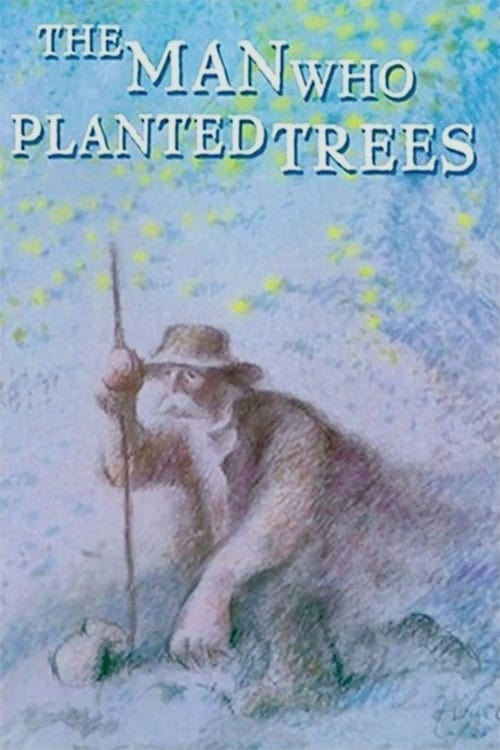
The story of one shepherd's single-handed quest to re-forest a desolate valley in the foothills of the French Alps throughout the first half of the 20th century.
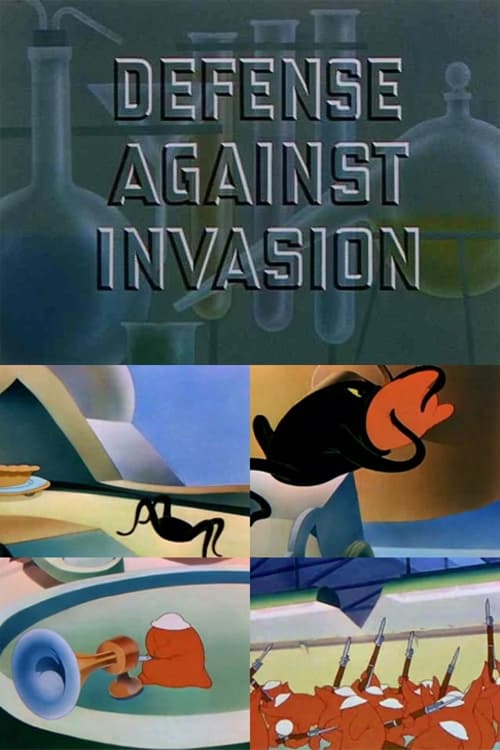
A doctor persuades a group of boys to be vaccinated by explaining how it will protect them against disease. Animated sequences depict the body metaphorically as a city, defended by the blood cells, which are stimulated by vaccination to amass arms and ammunition, in order to defend the city when it is invaded by germs.
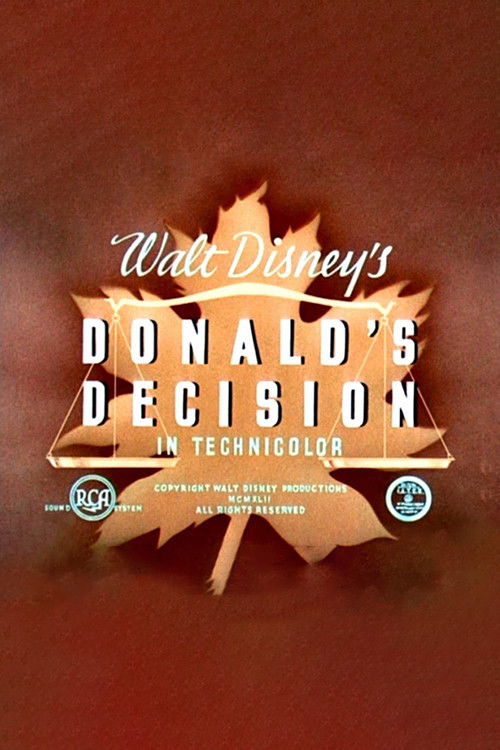
Donald Duck buys Canadian war bonds in World War II.
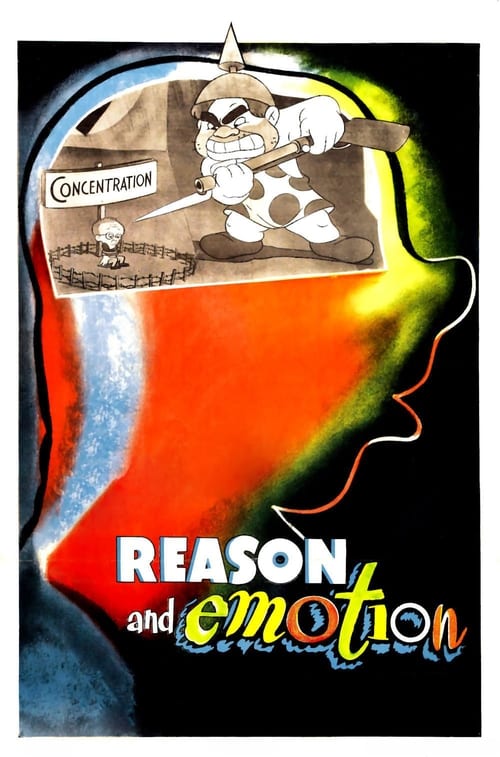
A World War II propaganda film about the need to remain calm and logical during wartime.
Lightning sketch artist