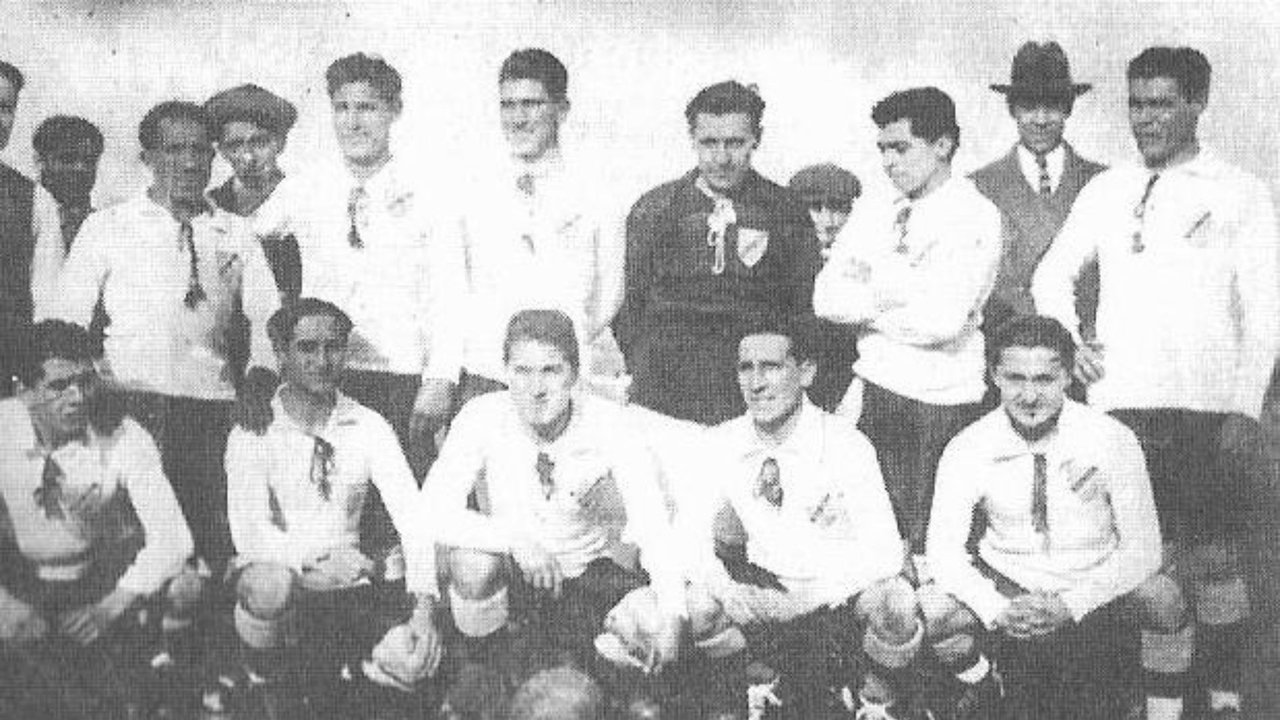
Stories of some idols of the Colo Colo Social and Sports Club
No Cast found.
No Trailers found.
No overview available.
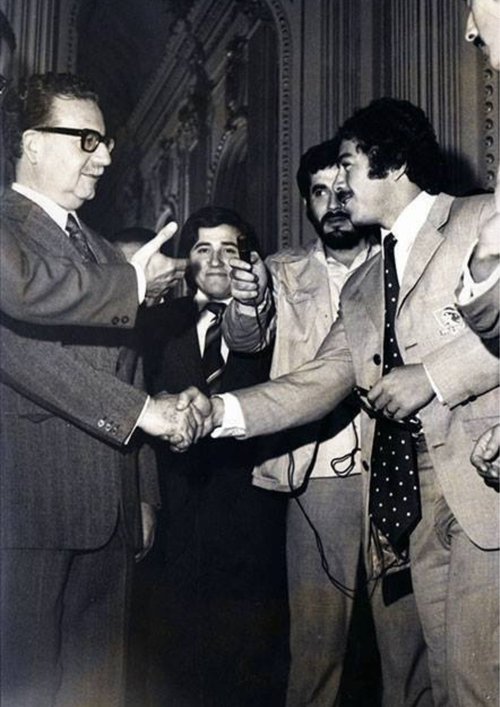
Just when Chile was experiencing the last months of the Popular Unity of President Salvador Allende, Colo Colo - the most popular team in Chilean soccer - faced the 1973 Copa Libertadores de América. This benchmark led by footballers Carlos Caszely, Francisco "Chamaco" Valdés and coach Luis "Zorro" Álamos, not only managed to play the final of this competition against Independiente of Argentina, but also, its brilliant game, dynamics and drive popular turned it into the necessary balm for the fans, at a time when the Chilean political and social situation became extremely acute. Thirty-four years later, the protagonists of Colo Colo 73 relive this Copa Libertadores campaign.
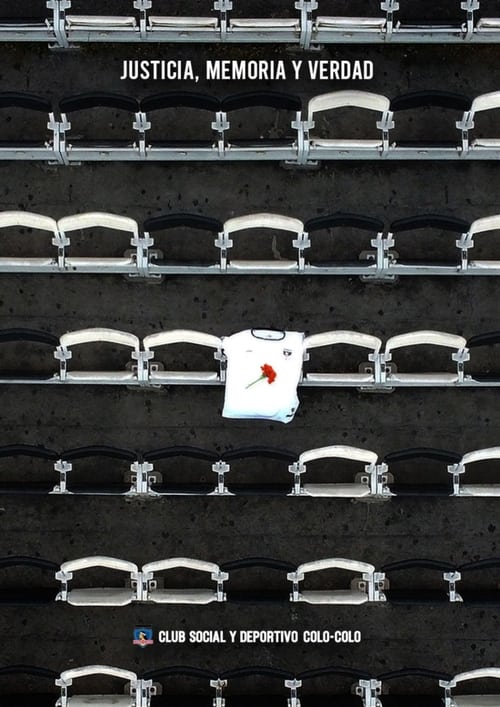
Chile's national stadium was the scene of thousands of celebrations for one people, as well as the suffering and torture of thousands more. The CSD Colo Colo reaffirms its position of justice and memory.
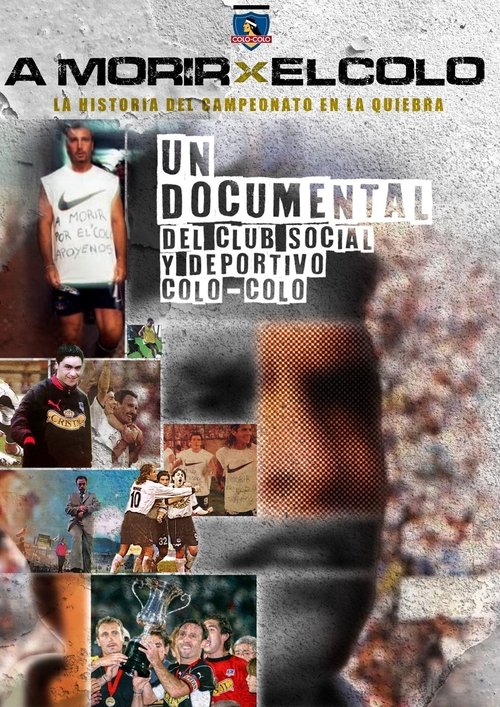
Colo Colo went bankrupt in 2002 and its players will once again remember everything that was that season that will remain in history.
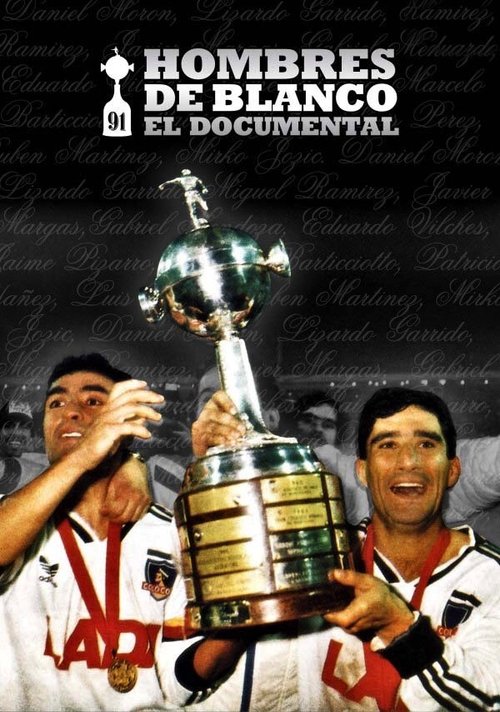
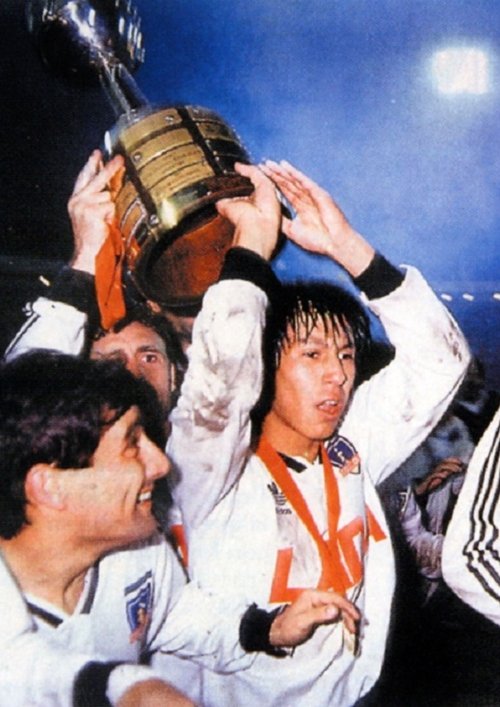
The story of Colo Colo 1991, champion of the Copa Libertadores de América, in the voice of its protagonists.
Campaign of Colo Colo champion of the 1991 Copa Libertadores narrated by its players and fans
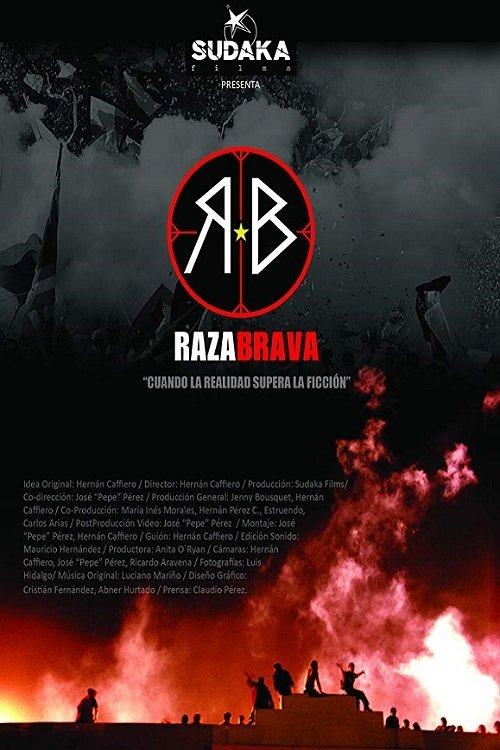
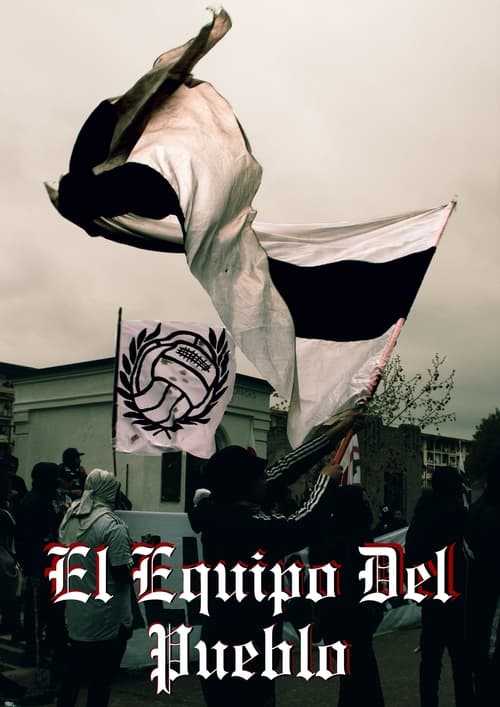
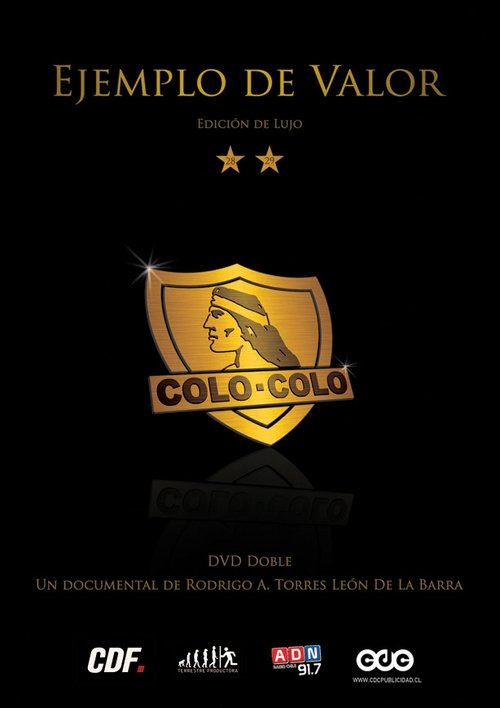
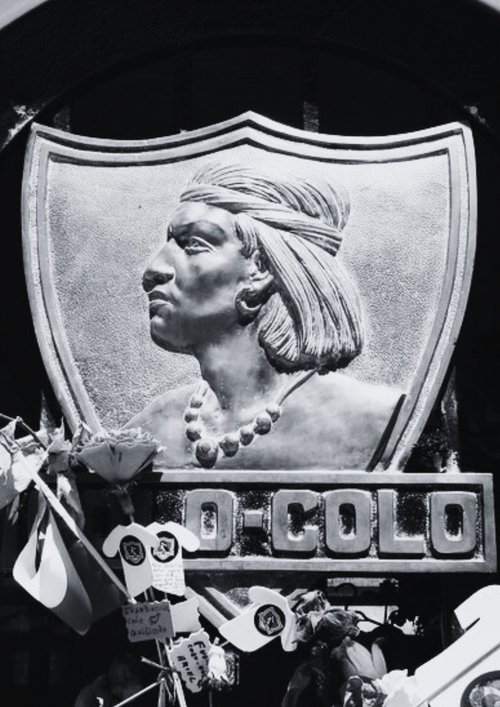
Documentary tells the story of the Chilean football club Colo-Colo, exploring its profound impact on popular culture and the everyday lives of its fans. Throughout the film, it shows how the club has transcended sport to become a symbol of resistance, pride, and class struggle in Chile.
Unpublished images of Colo-colo in the 2008-2009 seasons, intensely experiencing the institutional crisis that the club suffered after Claudio Borghi's brilliant campaign.
Documentary about the recovery process of the Colo Colo social and sports club, a process in which young people grouped in branches, artists and members of the club decide to organize themselves in order to rescue the memory of the futbol team.
Documentary that explores the history of the Colo-Colo Social and Sports Club, and not only highlights the socio-political significance of Colo-Colo at a national level but also debunks the myth surrounding the relationship between Pinochet and Colo-Colo. It dispels the belief that the former dictator provided funds for the construction of the Estadio Monumental.
Comedic documentary about trials and tribulations of indie filmmaking.
A slice-of-life documentary following a visually-impaired married couple as they prepare for a trip to the grocery store.
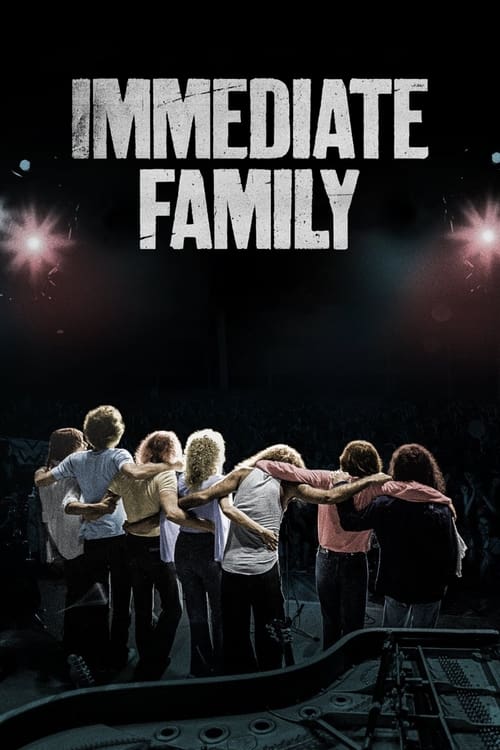
If you listen to 1970s pop music, you’ve undoubtedly heard these guys play, but do you know their names? This documentary highlights five talented men—Danny, Leland, Rus, Waddy, and Steve— who shunned the spotlight for themselves yet enjoyed decades of success as session musicians on iconic tracks. Interviewees include their collaborators James Taylor, Don Henley, Lyle Lovett, Jackson Browne, Phil Collins, Carole King, Stevie Nicks, Keith Richards, Steve Jordan, and dozens more who take us behind the scenes on the songs that shaped an era.
Director Bernd Sahling documents almost four years in the life of a young man who experienced two political systems, East and West Germany, and cannot fulfill his dreams in either of them.
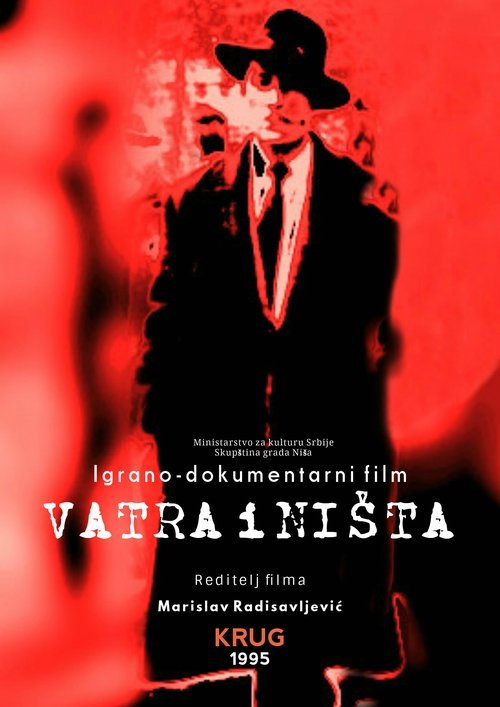
Vatra i Ništa is a Serbian feature-documentary biographical film shot in 1995 and directed by Marislav Radisavljević. It talks about the famous poet Branko Miljković, whose character is played by Goran Milev.
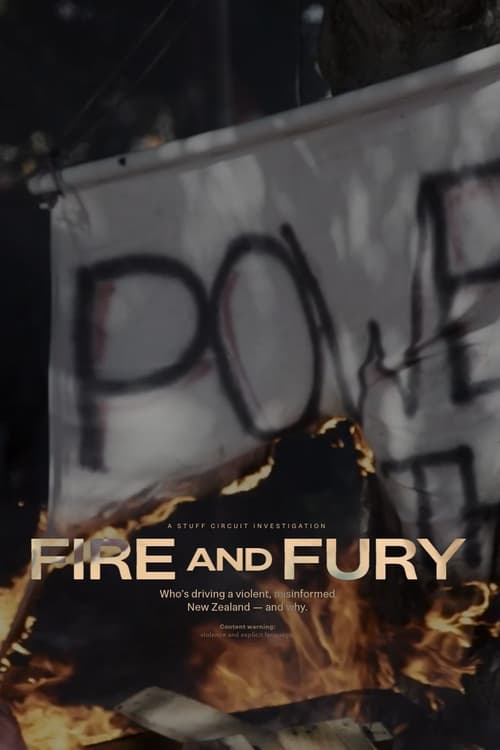
Who is driving a violent, misinformed New Zealand, and why? Fire and Fury is a Stuff Circuit investigation into disinformation in Aotearoa New Zealand.
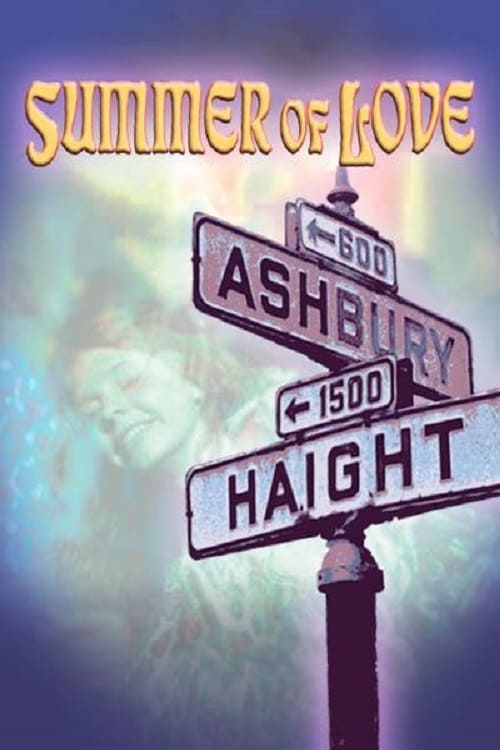
American Experience presents Summer of Love, a striking picture of San Francisco's Haight Ashbury district during the summer of 1967 -- from the utopian beginnings, when peace and love prevailed, to the chaos, unsanitary conditions, and widespread drug use that ultimately signaled the end. Academy Award-nominated filmmakers Gail Dolgin and Vicente Franco (Daughter from Danang) examine the social and cultural forces that sparked the largest migration of young people in America's history.
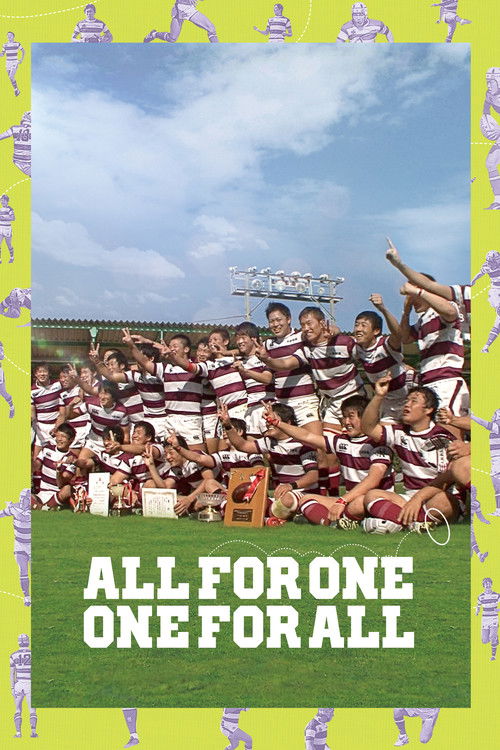
Osaka Korean High School has provided education for the past six decades to the children of pro-North Korean residents in Japan. This school is located only about 20 minutes away from Hanazono Stadium, the mecca of Japan’s high school rugby, but it was not until 1994, 18 years after the foundation of a rugby team at the high school, that the Japanese education ministry approved the team’s entry into the official league. Since then, the team has run in the national league as a representative of the Osaka area and been considered a front-runner ever since. The team has strong players and passionate supporters, but it faces difficulties just before winning the league.
Live and Let Live is a feature documentary examining our relationship with animals, the history of veganism and the ethical, environmental and health reasons that move people to go vegan.
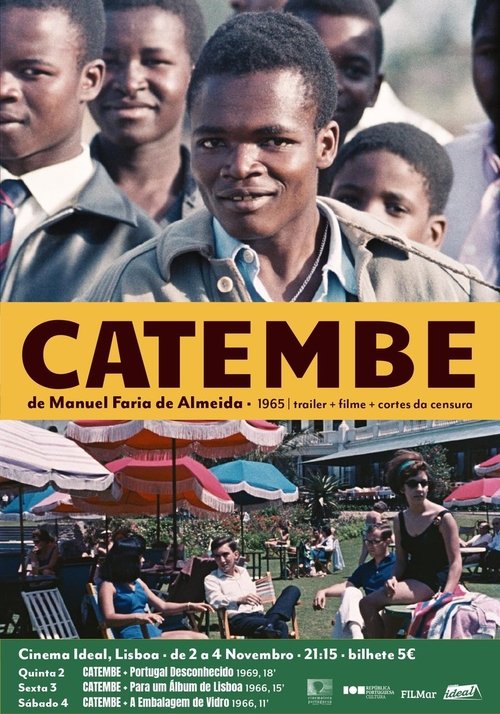
This documentary shows a typical Sunday in Mozambique's capital, tourist main attractions, an inquest in Lisbon about the perception of the people in the street about what life was like in that African colony (or, as the Government had it then, "province"), and then interviews and scenes of Lourenço Marques fishermen and a bar waitresses. African folk music and dance were used as documents and background for the text narration.