Campaign of Colo Colo champion of the 1991 Copa Libertadores narrated by its players and fans
No Trailers found.
Colo Colo went bankrupt in 2002 and its players will once again remember everything that was that season that will remain in history.
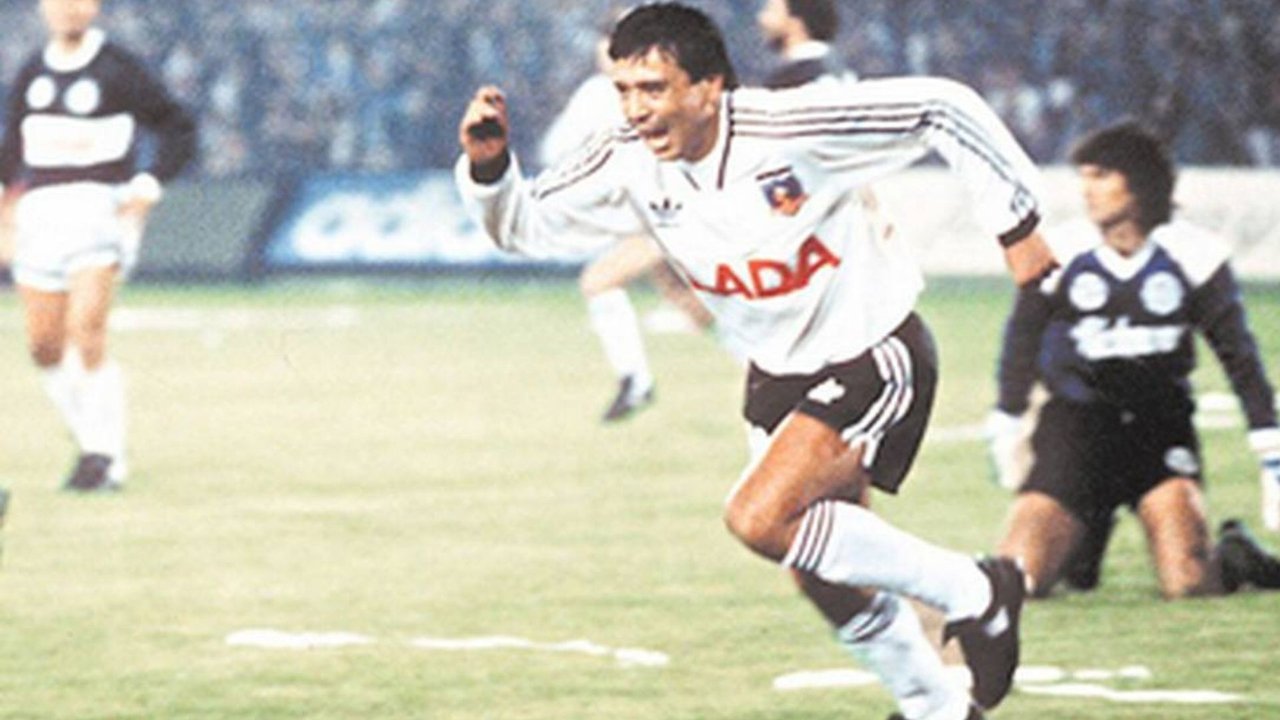
The story of Colo Colo 1991, champion of the Copa Libertadores de América, in the voice of its protagonists.
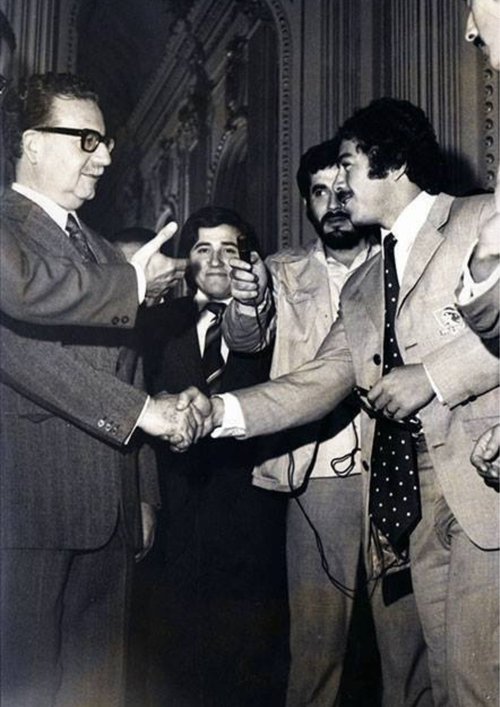
Just when Chile was experiencing the last months of the Popular Unity of President Salvador Allende, Colo Colo - the most popular team in Chilean soccer - faced the 1973 Copa Libertadores de América. This benchmark led by footballers Carlos Caszely, Francisco "Chamaco" Valdés and coach Luis "Zorro" Álamos, not only managed to play the final of this competition against Independiente of Argentina, but also, its brilliant game, dynamics and drive popular turned it into the necessary balm for the fans, at a time when the Chilean political and social situation became extremely acute. Thirty-four years later, the protagonists of Colo Colo 73 relive this Copa Libertadores campaign.
Stories of some idols of the Colo Colo Social and Sports Club
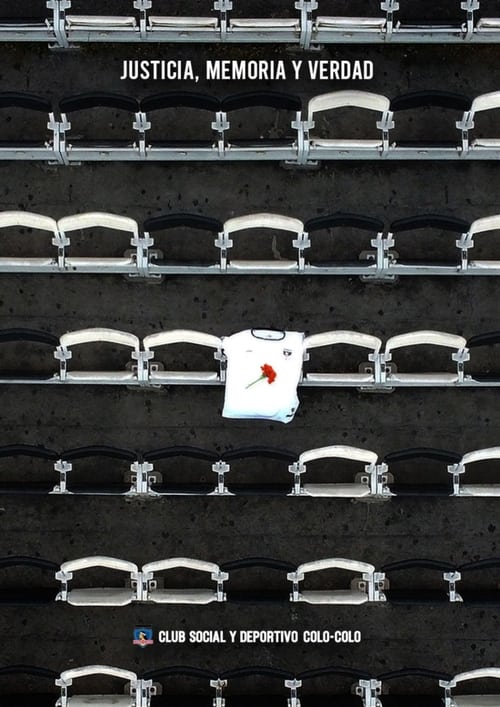
Chile's national stadium was the scene of thousands of celebrations for one people, as well as the suffering and torture of thousands more. The CSD Colo Colo reaffirms its position of justice and memory.
No overview available.
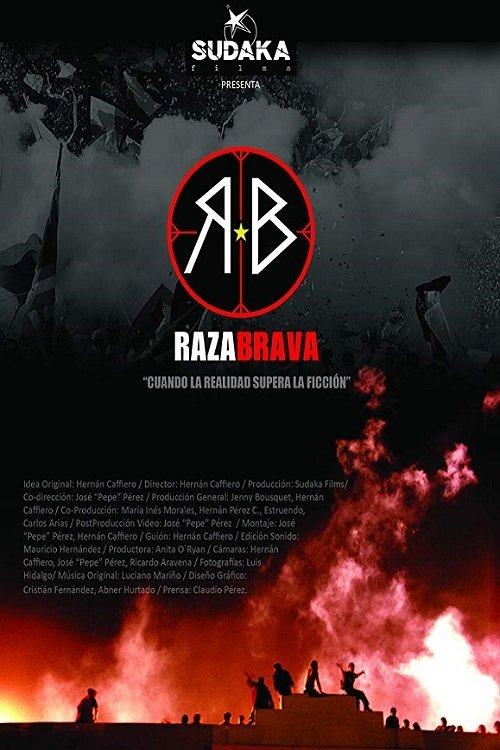
Documentary tells the story of the Chilean football club Colo-Colo, exploring its profound impact on popular culture and the everyday lives of its fans. Throughout the film, it shows how the club has transcended sport to become a symbol of resistance, pride, and class struggle in Chile.
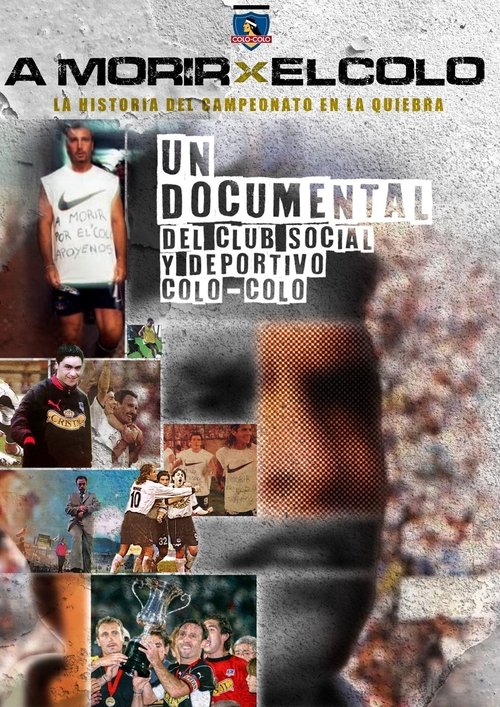
Unpublished images of Colo-colo in the 2008-2009 seasons, intensely experiencing the institutional crisis that the club suffered after Claudio Borghi's brilliant campaign.
Documentary about the recovery process of the Colo Colo social and sports club, a process in which young people grouped in branches, artists and members of the club decide to organize themselves in order to rescue the memory of the futbol team.
Documentary that explores the history of the Colo-Colo Social and Sports Club, and not only highlights the socio-political significance of Colo-Colo at a national level but also debunks the myth surrounding the relationship between Pinochet and Colo-Colo. It dispels the belief that the former dictator provided funds for the construction of the Estadio Monumental.
YOSHIKAWA Hayao (1890-1959), pioneer of amateur cinema in Asia, authored over 160 books to share his passion during the 1930s. Years later, he rediscovered a forgotten dream from his youth: to create a sci-fi film set on the Moon.
A short experimental film that explores one filmmaker’s journey to preserve fleeting moments before they fade. Created as a heartfelt introduction into Koen's film making journey, the film blends nostalgic visuals with inventive storytelling techniques, exploring childhood dreams, the fear of forgetting, and the impulse to document life as it unfolds. This marks Koen’s first true dive into editing and cinematography, born from years of unfinished projects, it stands as a heartfelt introduction to a lifelong pursuit of storytelling, dedicated to the child in all of us who once dreamed.
A documentary about the Moriscan dance with spectacular detail shots of the carved moriscos from the City Museum and excerpts of the dance program with musical accompaniment by the Capella Monacensis.
He is called the 'Socrates of the North'. He is also called the forefather of existentialism: Sören Kierkegaard, born in Copenhagen in 1813. At the request of his father, he studied theology. He sees himself as a poet and philosopher, but always on a mission to fight for an unadulterated Christianity. His fanatical fight against an overly saturated and bourgeois church sapped his strength to such an extent that he died at the age of 42. Kierkegaard did not only set great impulses in his time. He has not lost his topicality until today. His complicated personality, his radical demands become clear for the first time in his writings.
An accident on a gas pipeline near the Chelyabinsk-Ufa railway section leads to a powerful explosion and fire in two passenger trains, Novosibirsk-Adler and Adler-Novosibirsk.
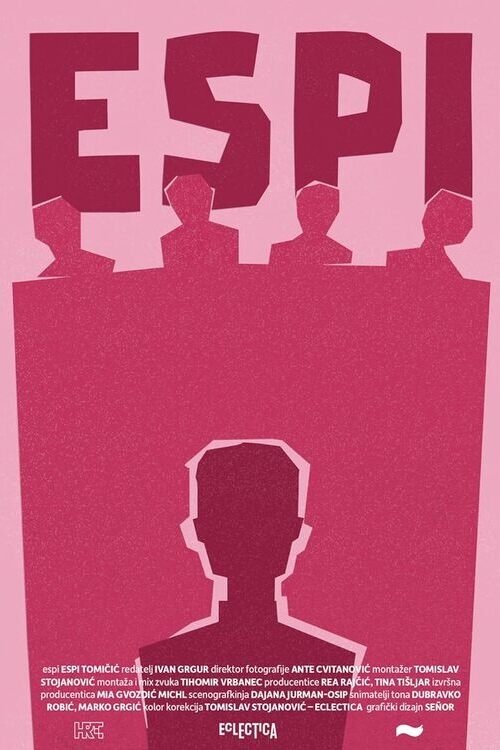
Gender transition is no different than any other human change. It has its ups and downs, scary, funny, strange, surprising, and frustrating little moments that are rarely talked about. This short film visually explores these moments through the eyes of Espi - a 24-year-old protagonist that just went through the transition.
The Deported follows four long term residents of the United States, each with an Order of Deportation over their head, and their families as they have to make critical decisions that will either keep their family together and separate them. Their choices are: 1. to self-deport. 2. To take sanctuary in a church. 3. To fight back legally. 4. To fall into denial and do nothing.
"UIjez" shows the events in the then Kosovo, that is, the process of industrialization and modernization that symbolizes the arrival of excavators and other construction machinery.