Through scenic photography and interviews with local residents, viewers will experience the highlights of San Francisco as well as the cultural diversity of its people.
No Trailers found.
"I especially hope to inspire young women, because I often feel like so much emphasis is put on how beautiful you are, and how thin you are, and not a lot of emphasis is put on what you can do and how smart you are. I'd like to change the emphasis of what's important when looking at a woman." Filmed in San Francisco in 2000, Margaret Kilgallen (1967-2001) discusses the female figures she incorporated into many of her paintings and graffiti tags. Loosely based on women she discovered while listening to folk records, watching buck dance videos, or reading about the history of swimming, Kilgallen painted her heroines to inspire others and to change how society looks at women. Three of Kilgallen's heroines—Matokie Slaughter, Algia Mae Hinton, and Fanny Durack—are shown and heard through archival recordings. Kilgallen is shown tagging train cars with her husband, artist Barry McGee, in a Bay Area rail yard and painting in her studio at UC Berkeley (source: Art21).
In a universe where cool kids are nerds, the orchestra is world class and being Asian American is the norm, seniors at Lowell High School compete for the top prize: admission to the college of their dreams.
Cold Refuge is about the physical, psychological, and spiritual aspects of full immersion in the natural world: how, though it may seem counter-intuitive, swimming in cold water helps mitigate some of life’s most serious challenges. The film’s diverse film subjects include a wheelchair-bound, paralyzed swimmer who faces fear by diving off a high pier; a Black man who was told by whites when he was 13 that “Black people don’t swim” (it took him 30 years to try); a blind man who tethers himself to a sighted swimmer; a woman with aggressive breast cancer who “swims to chemo;” a lawyer who reduces courtroom stress in the open water; and a young woman who communes with her late mother in San Francisco Bay, where they both swam together. Along with swimmers’ stories of adversity and resilience, the film’s marine mammals, birds, artwork, and a variety of open-water locations create a visual meditation on what it means to escape our abstract digital world in favor of what’s real.
A reflective look at the arrival and impact of AIDS in San Francisco and how individuals rose to the occasion during the first years of the crisis.
A documentary chronicling the "youth movement" of the late '60s on Los Angeles' Sunset Strip and San Francisco's Haight-Ashbury district.
Video accompaniment to the book of the same name released by RE/SEARCH magazine, featuring interviews with Survival Research Lab's Mark Pauline, Joe Coleman, Karen Finley, Boyd Rice, and Frank Discussion. "Five Fabulously Funny Interviews with Fiendishly Flamboyant Pranksters discussing diabolical (and sometimes illegal) deeds. Dazzling deceptions and put-ons from some of the most outrageous artists living today."
IT CAME FROM AQUARIUS RECORDS tells the story about the San Francisco based independent record store, Aquarius Records. Having closed in 2016 after 47 years, this small apartment-sized store championed local, underground, independent, and challenging music to the masses - most memorably with their infamous bi-weekly, college essay-length, new-release lists. Six years in the making, interviewing collectors, musicians, and store owners, the film has a very personal angle, with lots of behind-the-scenes footage (and drama) that shows both the joy and excruciating stress that comes with running — and closing — a store like this, helped in no part by the changing city around them.
A film documenting the life of Richard Aoki, a Japanese-American activist and founding member of the Black Panther Party.
Fifty years after the Stonewall uprising, Oscar-winning filmmakers Rob Epstein and Jeffrey Friedman travel to three diverse communities – Salt Lake City, San Francisco, and Tuscaloosa, Alabama – for an unflinching look at LGBTQ Pride, from the perspective of a younger generation for whom it still has personal urgency.
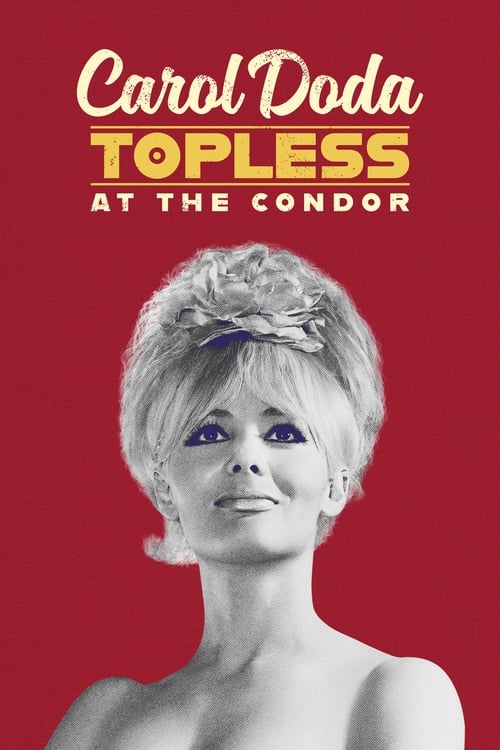
On a fateful San Francisco night in the early '60s, Condor nightclub performer Carol Doda was lowered to the stage on a floating piano, topless. Word spread quickly, setting off a wave of controversy and delight, with raids soon to follow. There was even a trial for the new celebrity. Doda's dry wit and charisma made her an instant sensation of the night club scene: an empowered woman in full control. Or so it seemed.
San Francisco has long enjoyed a reputation as the counterculture capital of America, attracting bohemians, mavericks, progressives and activists. With the onset of the digital gold rush, young members of the tech elite are flocking to the West Coast to make their fortunes, and this new wealth is forcing San Francisco to reinvent itself. But as tech innovations lead America into the golden age of digital supremacy, is it changing the heart and soul of their adopted city?
For Joseph Broussard, having his Dreamer Boyz apparel featured in San Francisco retail stores is a dream come true. Specializing in mystic-themed hoodies, t-shirts and beanies, Broussard’s clothing represents “consciousness, hustle, drive and ambition.” Broussard built his business to honor his late mother, brother and his city. With a kinship for “visionaries, free spirits and free thinkers,” and a growing presence in San Francisco shops, Broussard is showing his community that there’s no limit to how big you can dream.
Born in Ozan, Arkansas in 1933, White traveled the world observing and documenting the Black experience from Nigeria to France to Chicago. He arrived in the Bay Area in 1958, and opened the first Black owned art gallery in San Francisco.
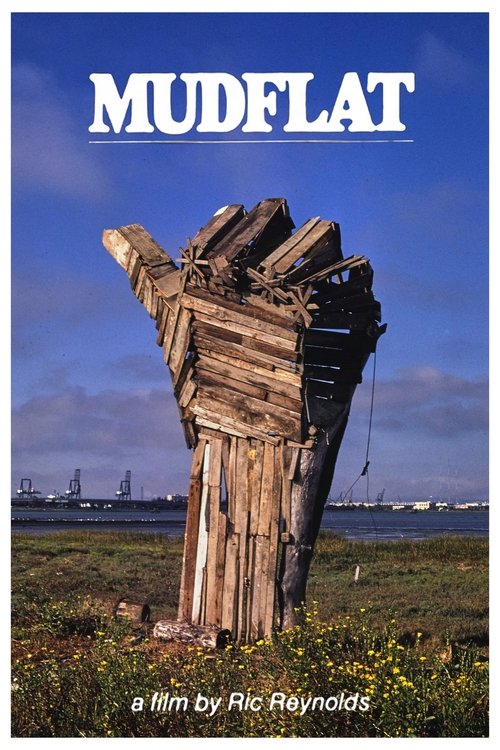
Years ago, artists would walk around the muck at the edge of the San Francisco Bay in Emeryville, and build loads of sculptures out there on the flats, created from driftwood and found objects that drivers would enjoy as they motored south on the old Highway 17 (known in numerous radio ads as 'Highway 17, The Nimitz'). Grabbing material off someone else’s work was considered fair game and part of the fun, and contributed a kinetic dynamic to the ongoing display. Now the place is a park, and the sculptures are gone, but you can see what it used to be like in this neat and funny documentary by Ric Reynolds, augmented by Erich Seibert’s wonderful musique-concrète/time-lapse sequences. The flashback circus sequence includes Scott Beach and Bill Irwin. Sculptors interviewed include Walt Zucker, Tony Puccio, Robert Sommer, Ron & Mary Bradden, and Bob Kaminsky.
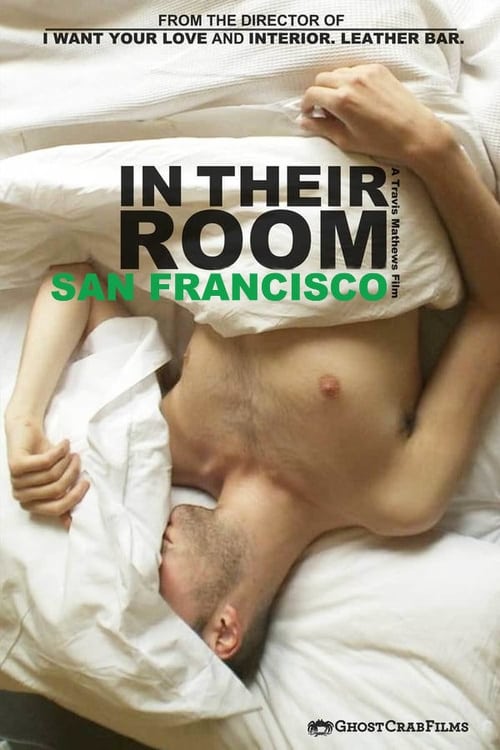
An intimate and erotic film about 8 gay men alone in their San Francisco bedrooms
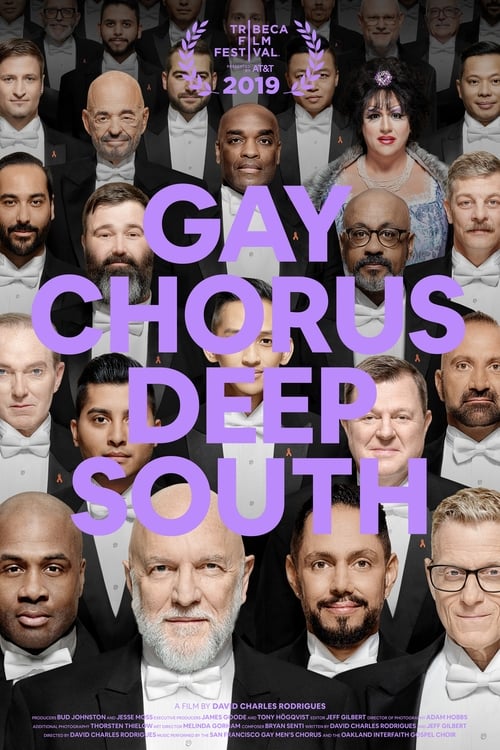
In response to a wave of discriminatory anti-LGBTQ laws and the divisive 2016 election, the San Francisco Gay Men's Chorus embarks on a tour of the American Deep South.
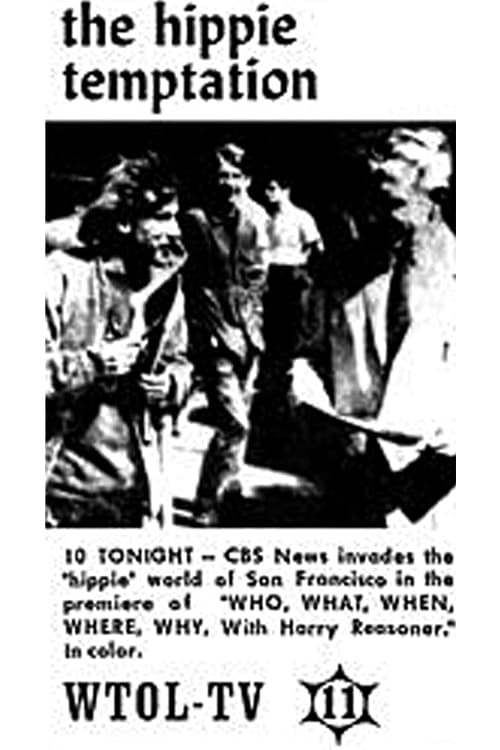
CBS TV news special hosted by Harry Reasoner explores the way-out world of the Hippies and the Haight-Ashbury psychedelic 1960s LSD scene. Footage of LSDs users experiencing bummer trips. The Diggers, the Oracle and cool street and Golden Gate Park scenes with hippies tripping out. The Grateful Dead are interviewed and are shown performing "Dancin' in the Streets" on a flatbed truck in Golden Gate Park. The Hippie Temptation!
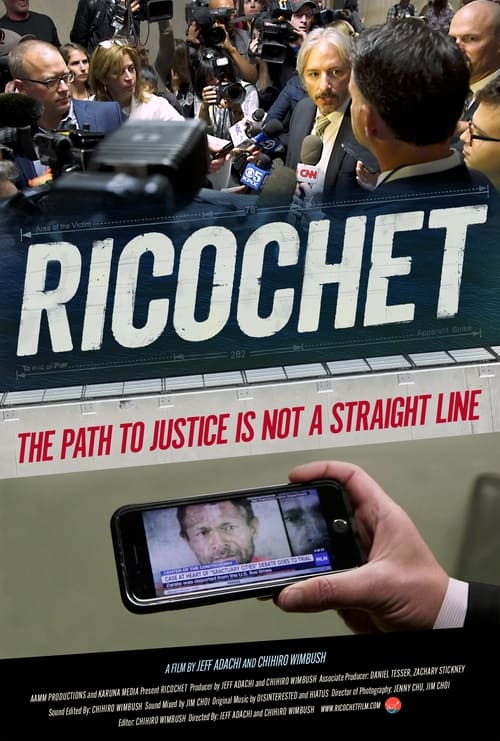
When a young woman is shot by an undocumented immigrant on Pier 14 in San Francisco, the incident ignites a political and media furor that culminates in Donald Trump’s election as President of the United States. In the eye of this storm, two public defenders fight to reveal the truth.
In this rags to riches origin story, Lady Camden struggles to manage the demands of her freshly minted international fame, while Rex is forced to come to terms with the troubling childhood he left behind in Camden which drove him to so desperately seek joy, fantasy and escape through the performing arts.
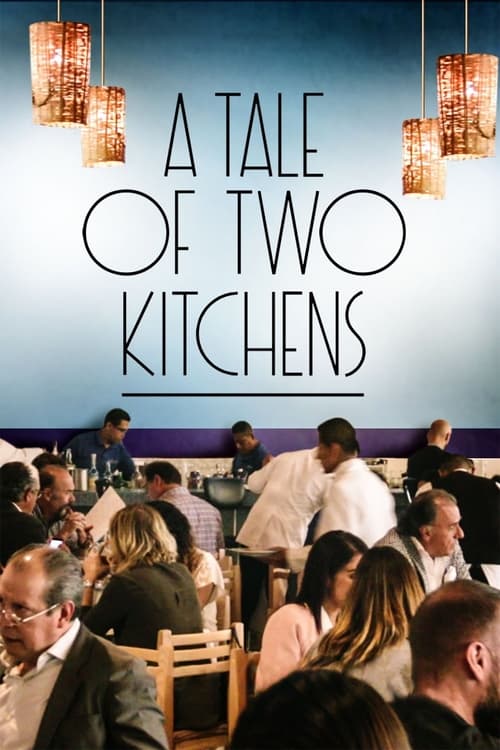
Two countries, two restaurants, one vision. At Gabriela Cámara's acclaimed Contramar in Mexico City, the welcoming, uniformed waiters are as beloved by diners as the menu featuring fresh, local seafood caught within 24 hours. The entire staff sees themselves as part of an extended family. Meanwhile at Cala in San Francisco, Cámara hires staff from different backgrounds and cultures, including ex-felons and ex-addicts, who view the work as an important opportunity to grow as individuals. A Tale of Two Kitchens explores the ways in which a restaurant can serve as a place of both dignity and community.
Narrator