"Every single entity contains an adumbration or landskip of the whole Universe" (Jan Baptist van Helmont, 1650).
No Trailers found.
No Cast found.
'I found a nice place. I wanted to share it.'
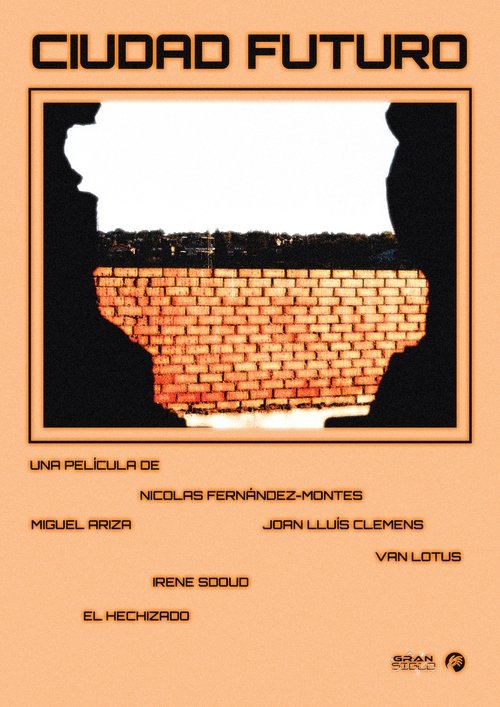
Crossing the vast outskirts of the big city we can glimpse that after the great future catastrophes there will still be room for the promise of a new youth, perhaps the last one.
"Adrift" is shot on the arctic island of Spitzbergen and in Norway. It combines time-lapse photography with stop-motion animation of the landscape. Through camera-angles and framing the film gradually dislocates the viewer from a stable base where one loses the sense of scale and grounding.
Katherine Watson is a recent UCLA graduate hired to teach art history at the prestigious all-female Wellesley College, in 1953. Determined to confront the outdated mores of society and the institution that embraces them, Katherine inspires her traditional students, including Betty and Joan, to challenge the lives they are expected to lead.
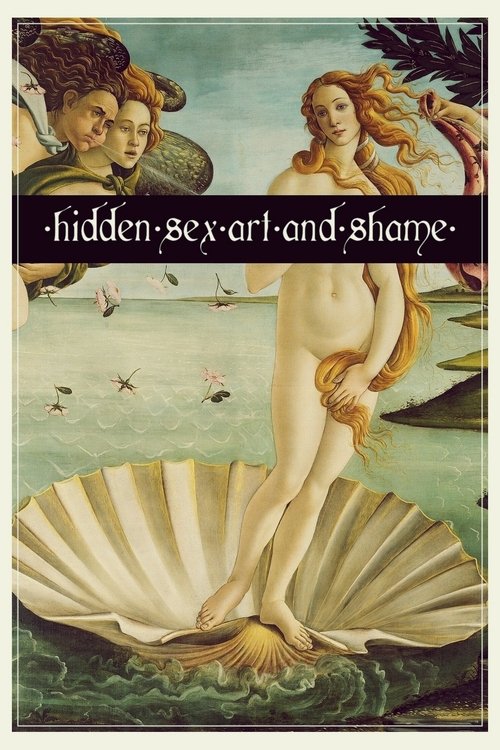
The representation of genitalia in the fine arts was censored for centuries: sexual organs were discreetly hidden among fig leaves, pearls or sheets; and it is still a taboo today. From Antiquity to the present day, the history of puritanism applied to art and the tricks used by artists to circumvent censorship.
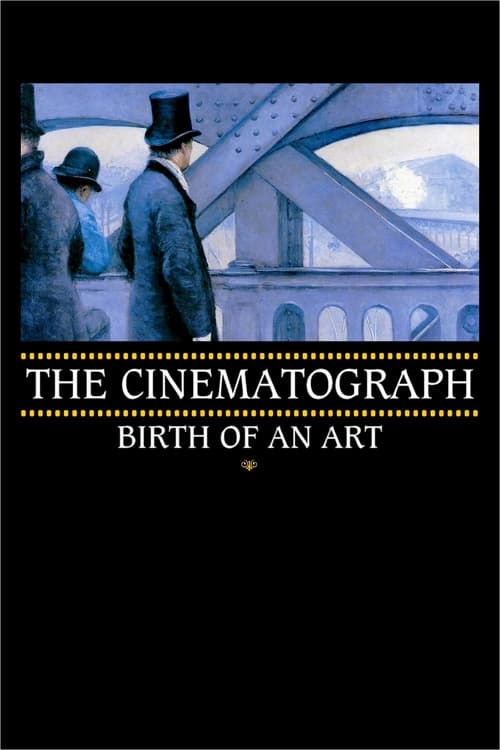
Throughout the 19th century, imaginative and visionary artists and inventors brought about the advent of a new look, absolutely modern and truly cinematographic, long before the revolutionary invention of the Lumière brothers and the arrival of December 28, 1895, the historic day on which the first cinema performance took place.
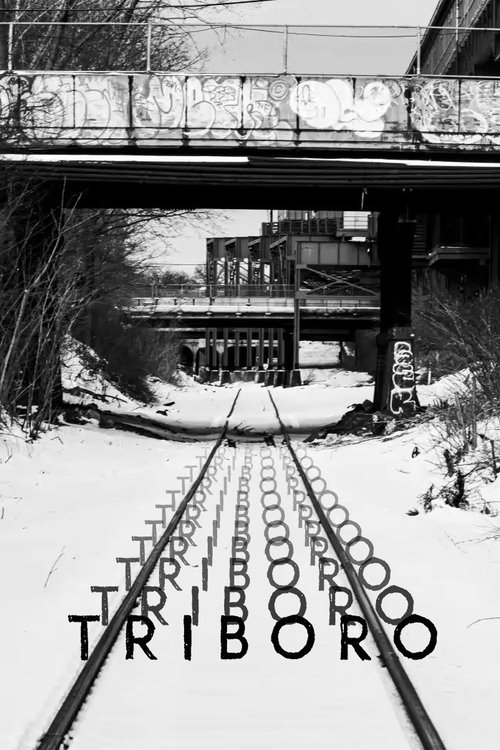
A trip behind and beneath the street-level skin of the city on the hidden paths of industrial history and once-and-future transit.
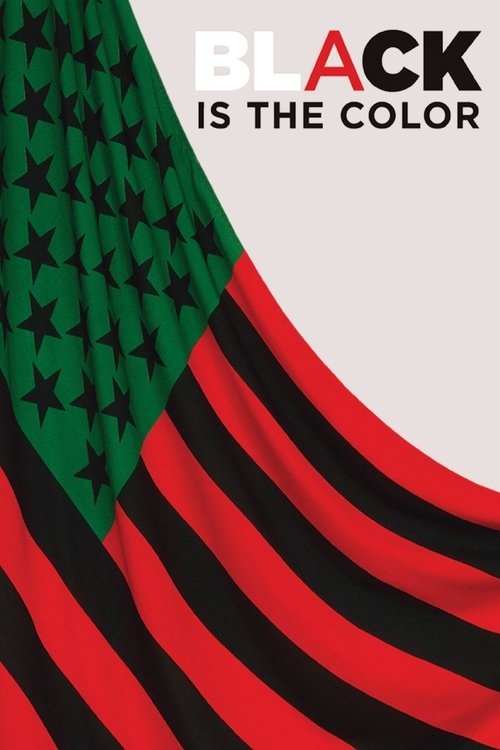
Black Is the Color highlights key moments in the history of Black visual art, from Edmonds Lewis’s 1867 sculpture Forever Free, to the work of contemporary artists such as Whitfield Lovell, Kerry James Marshall, Ellen Gallagher, and Jean-Michel Basquiat. Art historians and gallery owners place the works in context, setting them against the larger social contexts of Jim Crow, WWI, the civil rights movement and the racism of the Reagan era, while contemporary artists discuss individual works by their forerunners and their ongoing influence.
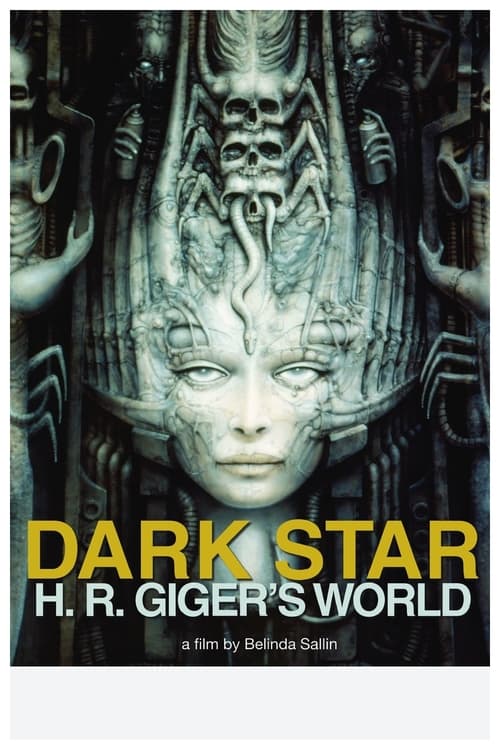
An account of the life and work of Swiss painter, sculptor, architect and designer H. R. Giger (1940-2014), tormented father of creatures as fearsome as they are fascinating, inhabitants of nightmarish biomechanical worlds.
Already a successful portrait photographer, Hannah sets to reinvent this art form. Abandoning herself to a creative process that might easily be mistaken for madness, she's soon visited by mirror images of herself, as well as her daughter's ghost. Inspired by the life of photographer Hannah Maynard (1834-1918).
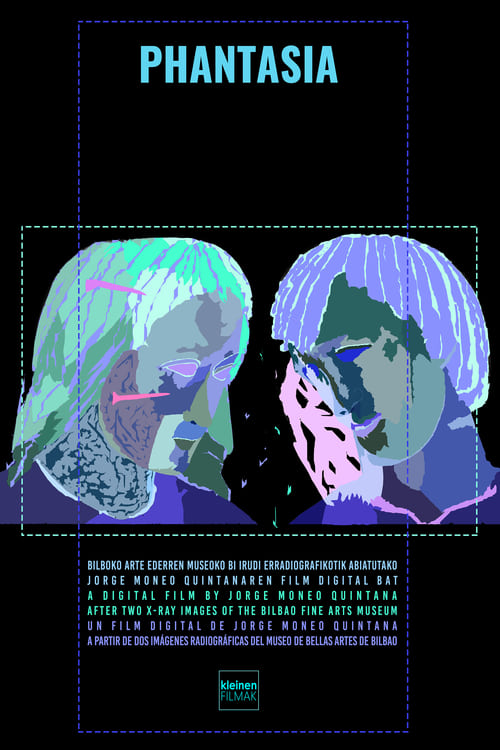
X-ray images were invented in 1895, the same year in which the Lumière brothers presented their respective invention in what today is considered to be the first cinema screening. Thus, both cinema and radiography fall within the scopic regime inaugurated by modernity. The use of X-rays on two sculptures from the Bilbao Fine Arts Museum generates images that reveal certain elements of them that would otherwise be invisible to our eyes. These images, despite being generally created for technical or scientific purposes, seem to produce a certain form of 'photogénie': they lend the radiographed objects a new appearance that lies somewhere between the material and the ethereal, endowing them with a vaporous and spectral quality. It is not by chance that physics and phantasmagoria share the term 'spectrum' in their vocabulary.
A journey into time, landscape and consciousness: The Southwestern United States in the black-and-white moving images and unsettling instrumental music. Entropy of the American dream.
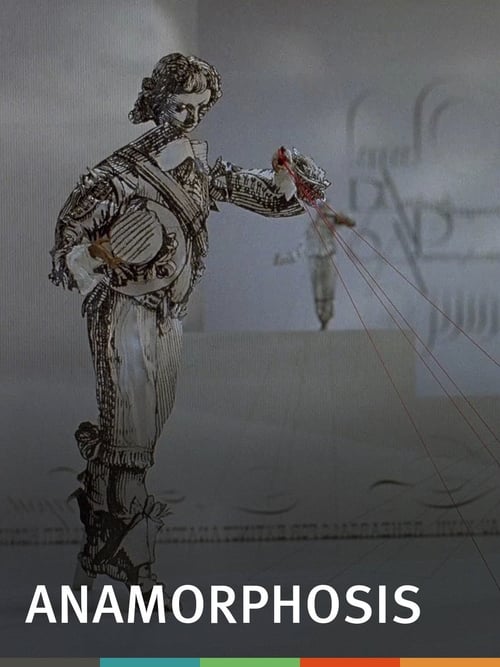
The Quays' interest in esoteric illusions finds its perfect realization in this fascinating animated lecture on the art of anamorphosis. This artistic technique, often used in the 16th- and 17th centuries, utilizes a method of visual distortion with which paintings, when viewed from different angles, mischievously revealed hidden symbols.
Iceland's first non-narrative full-feature film's focus is set on presenting Iceland in a way it has never been presented before, using various elements of high-end cinematography. There are places everyone knows, but there are also thousands of well hidden places. To find these locations one has to be adventurous or a local, and to capture them right, one has to be creative and extremely patient.
A Latvian poetic documentary about the town Kuldīga.
Biosphere is a groundbreaking non narrative documentary filmed in 4K around the globe in remote areas and dense cities showcasing our planet and its inhabitants in their daily lives.
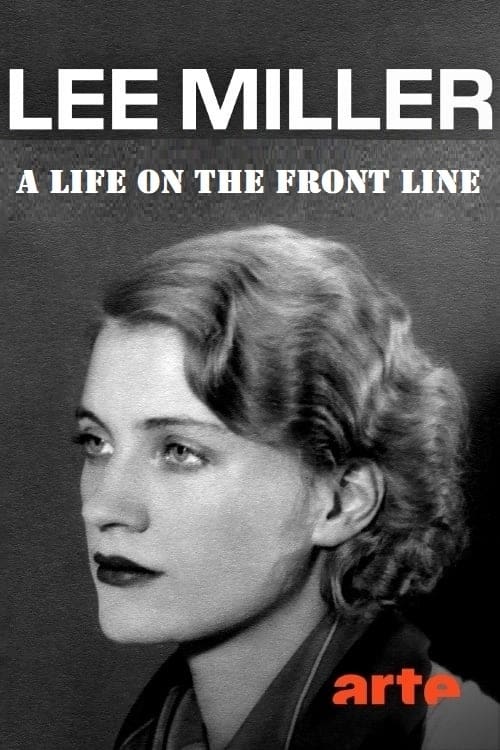
A documentary celebrating Lee Miller, a model-turned-photographer-turned-war reporter who defied anyone who tried to pin her down, put her on a pedestal, or pigeonhole her in any way.
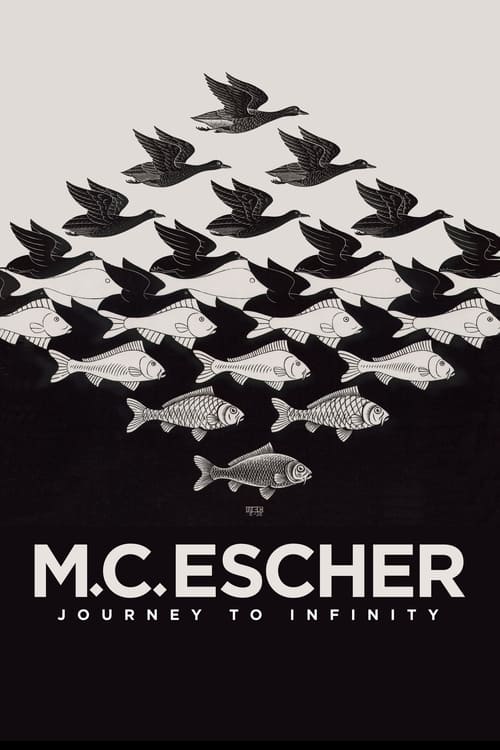
A portrait of the visionary Dutch artist M. C. Escher (1898-1972), according to his own words, taken from his diary, his correspondence and the texts of his lectures.
A collaboration between Jem Cohen with writer Luc Sante made in Tangier, Morocco, a city where neither of us had ever been. En route from the airport to the city center, we found ourselves amazed by the landscape outside of the car windows; a massive construction project under way in all directions. While not in itself unusual, we were by struck dumb by the epic scale and seemingly incomprehensible plan of the development and were drawn to return together to this puzzling zone. This project was commissioned by TAMAAS, a small foundation based in Paris, as part of their Tangier project, The 8.
Seven images, each staging their own disappearance.