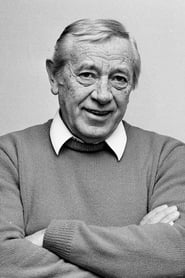
Martin Slivka's documentary film about Karol Plicka (1894-1987), the founder of Slovak cinematography.
Self
Self - Narrator
In the same vein as Meri's other documentations, this one takes advantage of the glasnost policy to discuss the social and ecologic impact of the Russian oil industry on the natives and the lands they inhabit.
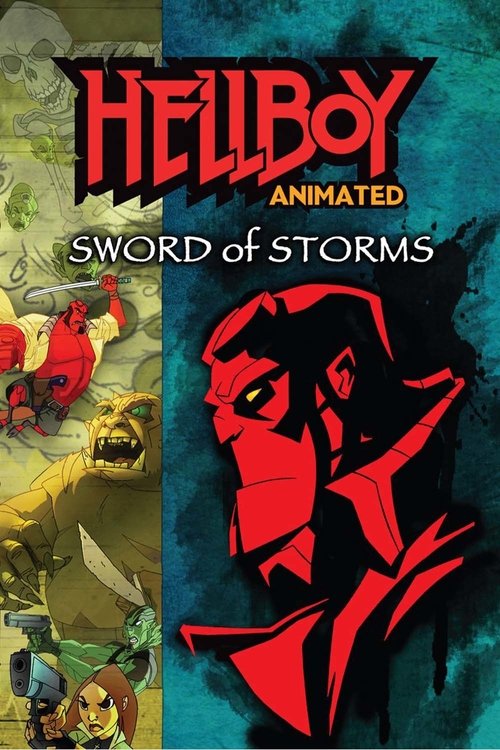
A folklore professor becomes unwittingly possessed by the ancient Japanese demons of Thunder and Lightning. But when The Bureau of Paranormal Research & Defense dispatches a team of agents to investigate, a cursed samurai sword sends Hellboy to a supernatural dimension of ghosts, monsters, and feudal mayhem. Now while pyrokinetic Liz Sherman and fishboy Abe Sapien battle one very pissed-off dragon, a lost and cranky Hellboy must find his way home.
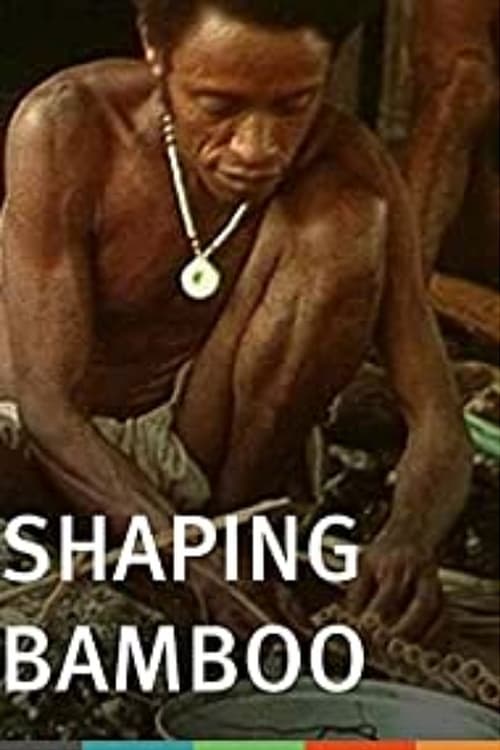
For the 'Are'are people of the Solomon Islands, the most valued music is that of the four types of panpipe ensembles. With the exception of slit drums, all musical instruments are made of bamboo; therefore the general word for instruments and the music performed with them is "bamboo" ('au). This film shows the making of panpipes, from the cutting the bamboo in the forest to the making of the final bindings. The most important part of the work consists in shaping each tube to its necessary length. Most 'Are'are panpipe makers measure the length of old instruments before they shape new tubes. Master musician 'Irisipau, surprisingly, takes the measure using his body, and adjusts the final tuning by ear. For the first time we can see here how the instruments and their artificial equiheptatonic scale-seven equidistant degrees in an octave-are practically tuned.
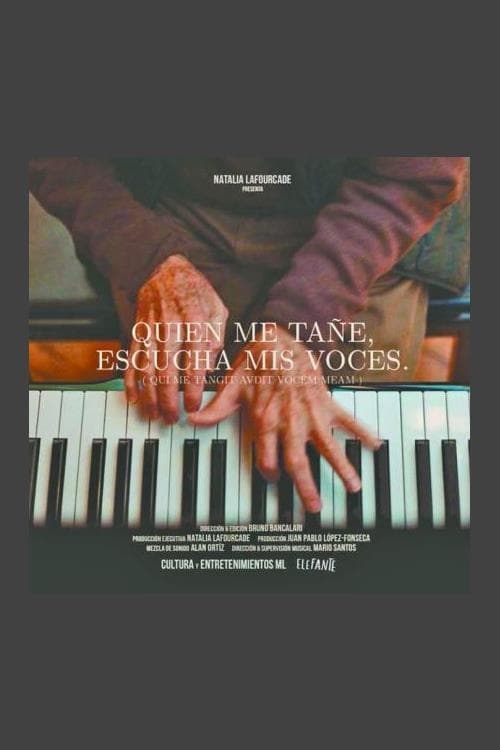
"Who plays me, hears my voices”, shows a recent moment in the life of Gaston Lafourcade, a classical pianist and harpsichordist who, at the age of 83, enters a recording studio for the first time in his life to record a solo album and to join his daughter, Natalia Lafourcade, who during a recess period in her career, decides to embark on this adventure as a love letter to her father and as a way to enjoy what brings them together, beyond blood ties: their deep love for music.
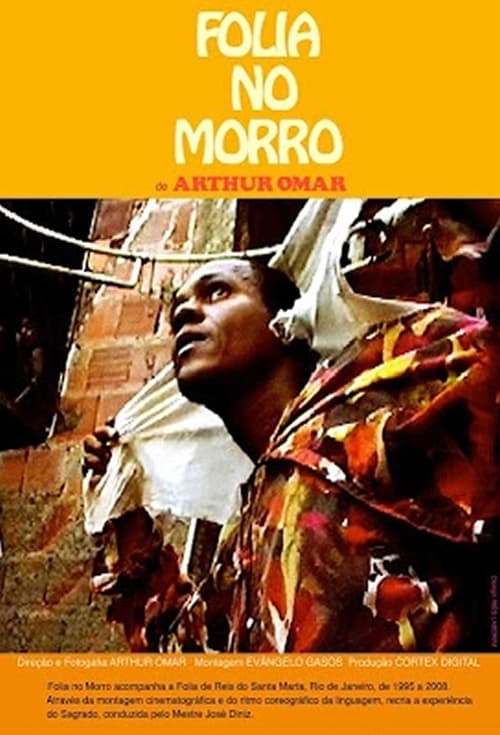
An ethnographic documentary following the Folia de Reis party that is celebrated every year at Morro de Santa Marta on Rio de Janeiro.
No overview available.
In the summer of 1961, a group of young Italian anthropologists made a clandestine journey through Spain, in order to record popular songs that supported anti-Franco resistance. As a result of their work, they were prosecuted and their recordings were censored. Sixty years later, and guided by Emilio Jona, aged 92, the last living member of that group of travellers, we recover the unpublished recordings and reconstruct the journey, today, across an emotional and political landscape, regaining historical memories through these songs, as relevant today as they were then.
The film is inspired by the life of the Goral population in the Orava region, a life connected with the beautiful but harsh nature, rich in emotional expressions of folk culture. Against this backdrop unfolds the story of a young musician's unfulfilled love for an enchantingly beautiful girl.
In a small Southern town, a plantation owner is duped into thinking a thief is a kind stranger. To repay the stranger for stopping a robbery, the plantation owner invites him to his home to meet his daughter.
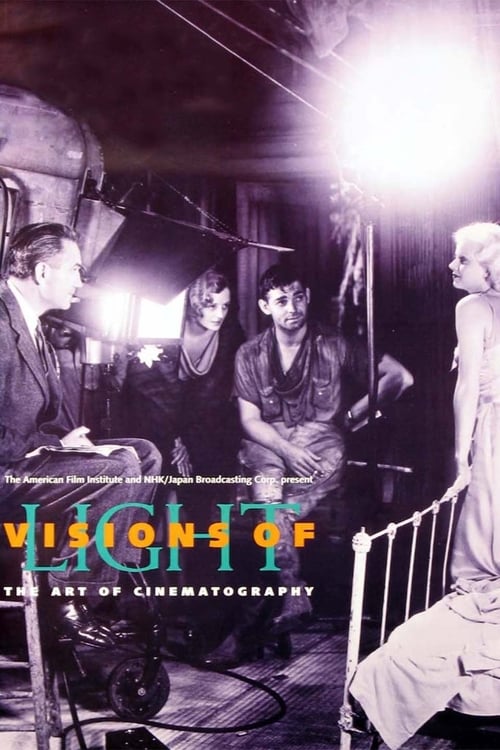
Cameramen and women discuss the craft and art of cinematography and of the "DP" (the director of photography), illustrating their points with clips from 100 films, from Birth of a Nation to Do the Right Thing. Themes: the DP tells people where to look; changes in movies (the arrival of sound, color, and wide screens) required creative responses from DPs; and, these artisans constantly invent new equipment and try new things, with wonderful results. The narration takes us through the identifiable studio styles of the 30s, the emergence of noir, the New York look, and the impact of Europeans. Citizen Kane, The Conformist, and Gordon Willis get special attention.
From the sexy, savage Cornish May Day rites of Alan Lomax's Oss Oss Wee Oss, to Jeremy Deller and Alan Kane's footage of ferociously fought traditional football; from children's games in London's bombed East End to intricate sword and step dances, this collection of poetic documentaries, long unseen television reports and rare silent film footage reveals just how powerful and enduring the folk traditions of Great Britain have always been. The silent films feature innovative fiddle and melodeon accompaniments by contemporary folk musicians.
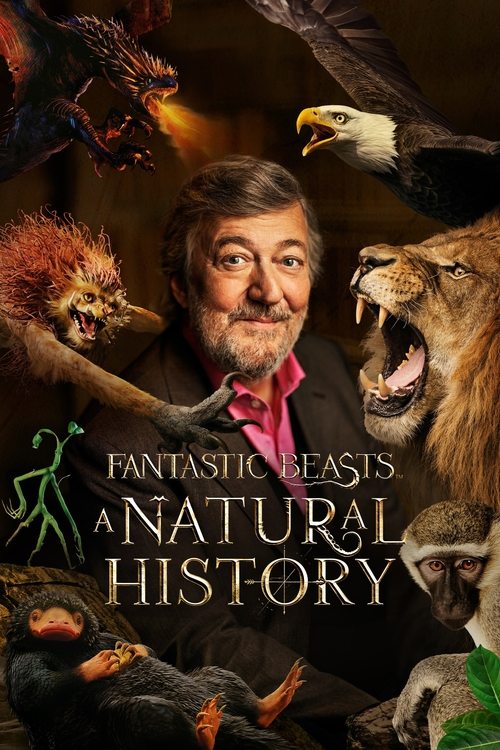
Stephen Fry embarks on a journey to discover the stories behind some of the world's most fantastic beasts that have inspired myths and legends in history, story-telling and film.
Antonia Quirke looks at the history of the colour film industry to find out who produced the first moving colour images.
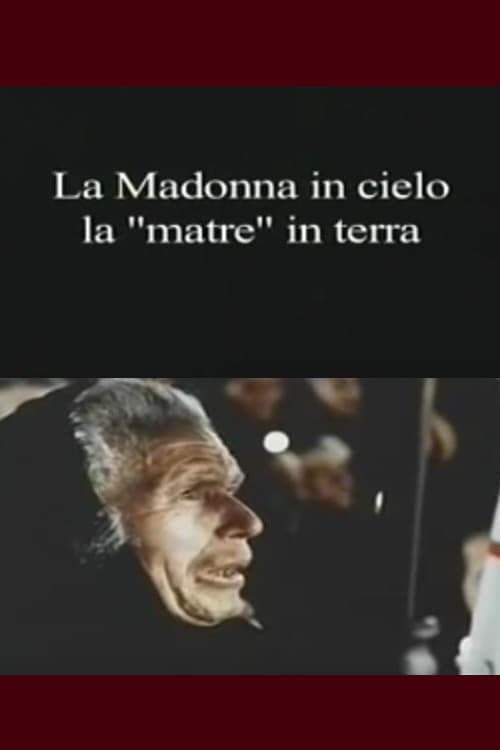
An anthropological research on the survival of the supernatural in traditional culture. Shot in different locations in southern Italy, the documentary focuses on the link between the cult of the Madonna and ancient rites related to female fertility.
The film presents a parade of customs, music, songs and dances of the Slovak people in four seasons, based on a theatre play by I. Teren and K.L. Zachar from the first years after the liberation.
The story of Nisar Ahmed Khan, told through his children and the people he served, a spiritual guide whose followers still visit his tomb on his birth and death anniversaries. And alongside how his family spends a few days at the village keeping his traditions alive.
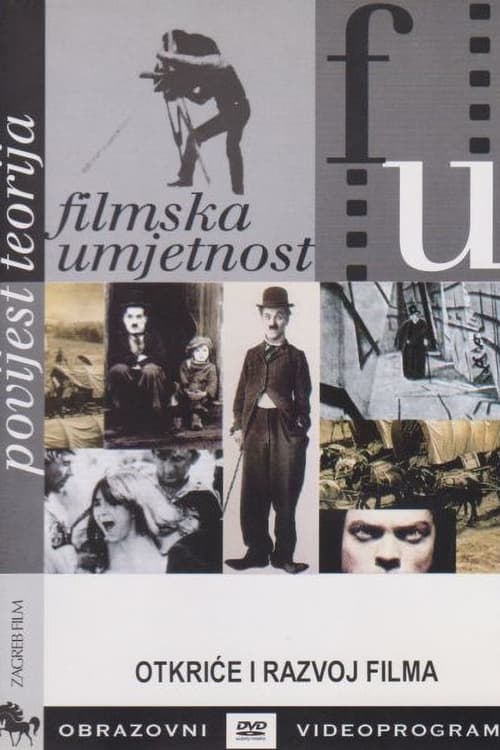
The birth date of film can be established: December 28, 1895. The place where it happened is also known: Paris, Boulevard des Capucines, Grand Caffe. It is also known who did it first: Louis Lumiere. However, the history of film starts in distant, almost unknown times: from drawings of cave people, through reliefs from Egyptian times, to the discovery of photography. Development of film technique: silent film, sound film, color film. Development of film expression: film as a recording of reality, film as an interpretation of reality, film as fiction or new reality. Development of film as an industry.
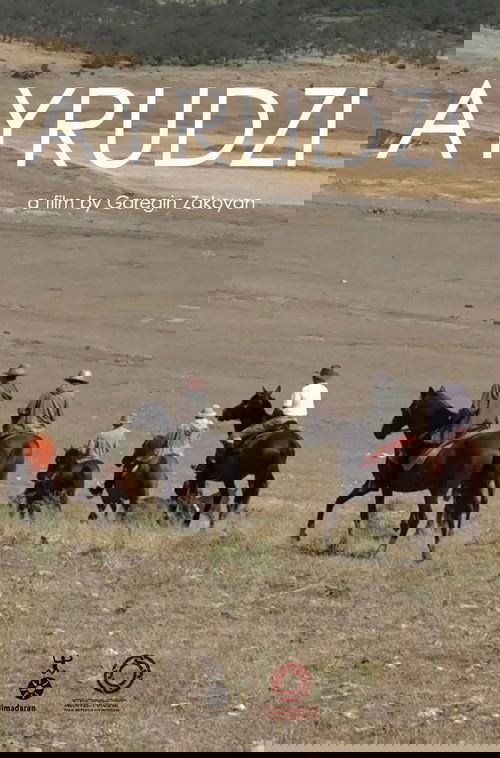
The members of the Ayrudzi troupe travel across various villages of Armenia on horseback and put on folk song and dance concerts and shadow theatre performances for the locals.
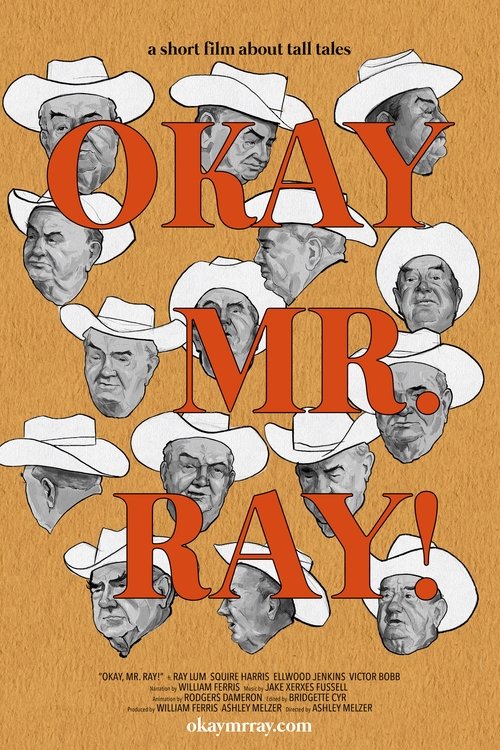
No one could spin a yarn to make a sale like Ray Lum. Twenty years after their initial meeting, Bill Ferris returned home to Mississippi in the early ‘70s with a camera. The result reveals a look back at the colorful rhythms of Ray’s life—at home, at the auction, joking with strangers outside country stores— and provides a glimpse at Southern manhood, friendship and loss. Now nearly Ray’s age when they first filmed, Ferris has become a Grammy Award winning documentarian and renowned folklorist. Using never before seen 16mm footage and new animations, OKAY, MR. RAY is a short documentary film about how even the tallest tales help us keep the memory alive of the ones we love.
No Trailers found.