It explores the effect that methamphetamine has had on the Navajo Nation and interviews the people whose lives have been affected by the highly addictive drug.
Trailer
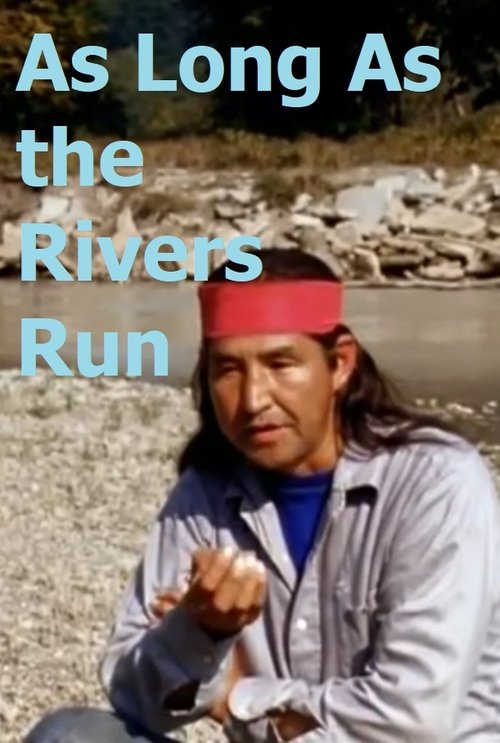
Examines the violence and civil disobedience leading up to the hallmark decision in U.S. v. Washington, with particular reference to the Nisqually Indians of Frank's Landing in Washington.
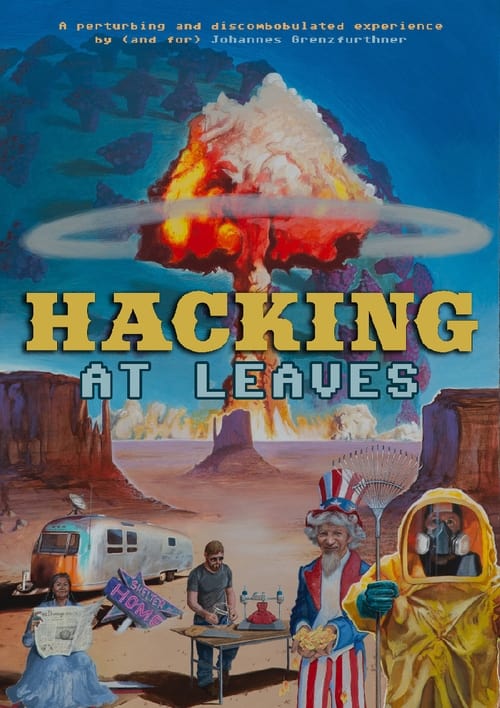
Hacking at Leaves documents artist and hazmat-suit aficionado Johannes Grenzfurthner as he attempts to come to terms with the United States' colonial past, Navajo tribal history, and the hacker movement. The story hones in on a small tinker space in Durango, Colorado, that made significant contributions to worldwide COVID relief efforts. But things go awry when Uncle Sam interferes with the film's production.
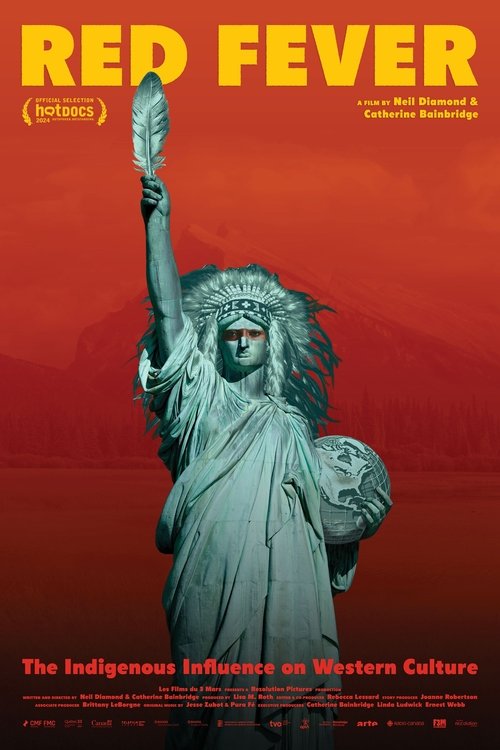
Red Fever is a witty and entertaining feature documentary about the profound -- yet hidden -- Indigenous influence on Western culture and identity. The film follows Cree co-director Neil Diamond as he asks, “Why do they love us so much?!” and sets out on a journey to find out why the world is so fascinated with the stereotypical imagery of Native people that is all over pop culture. Why have Indigenous cultures been revered, romanticized, and appropriated for so long, and to this day? Red Fever uncovers the surprising truths behind the imagery -- so buried in history that even most Native people don't know about them.
When gang leader Rob Brown is sentenced to prison for a fifth time, he must confront his role in bringing violent drug culture into his beloved American Indian community in northern Minnesota. As Rob reckons with his past, his seventeen-year-old protégé, Kevin, dreams of the future: becoming the most powerful and feared Native gangster on the reservation.
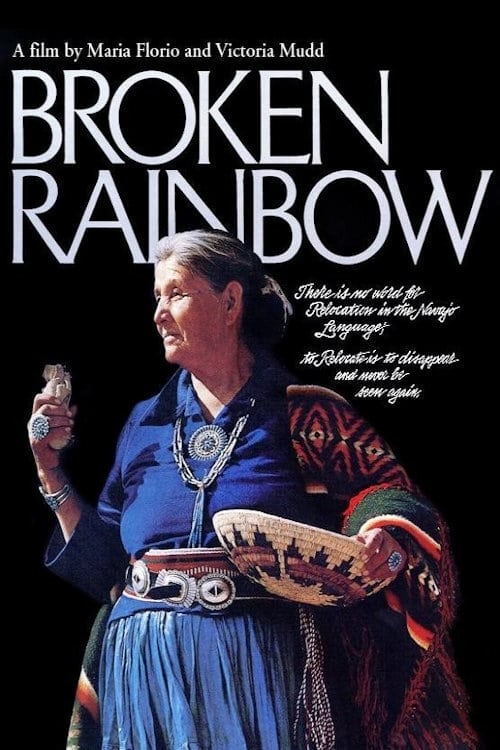
Documentary chronicling the government relocation of 10,000 Navajo Indians in Arizona.
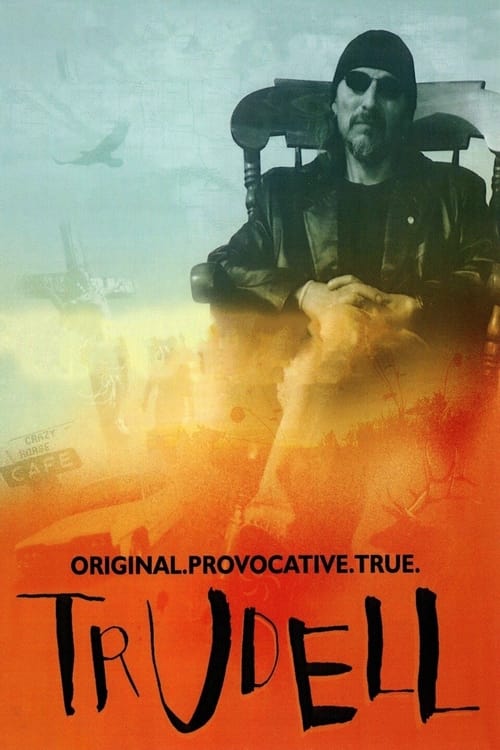
A chronicle of legendary Native American poet/activist John Trudell's travels, spoken word performances, and politics.
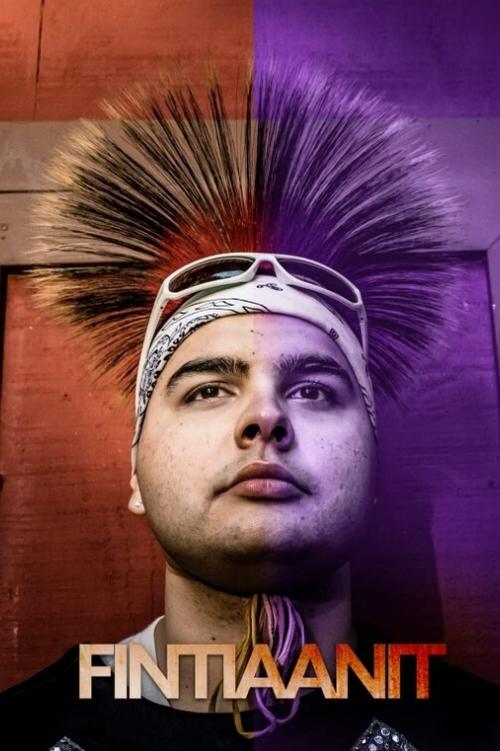
A short documentary about Americans with Native American and Finnish heritage.
Actor Val Kilmer narrates this powerful film exploring the methamphetamine epidemic that's ravaged blue-collar America. Putting a human face on the problem, filmmaker Justin Hunt reveals the damage being done by this rural drug of choice, as well as the steps being taken by communities across the nation to wipe out the scourge. From Wyoming to New Mexico, Montana and Oregon, American Meth paints a picture of both devastation and hope.
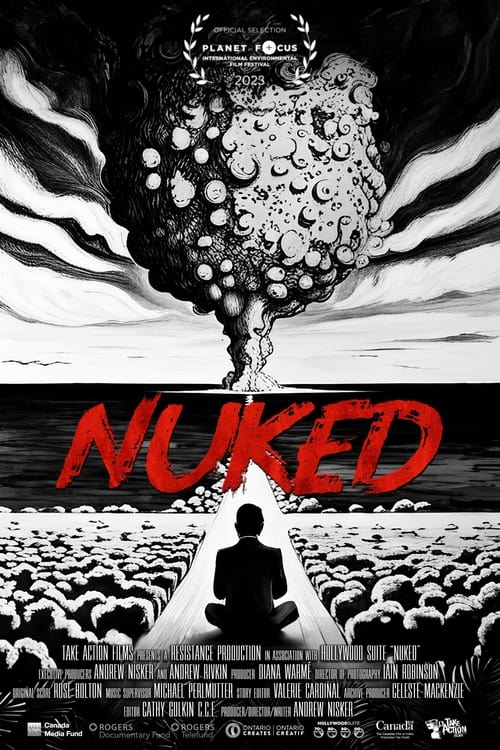
The US detonated 67 nuclear weapons over the Bikini Atoll in the Marshall Islands during the Cold War, the consequences of which still reverberate down four generations to today. "NUKED," is a timely new feature documentary focussing on the human victims of the nuclear arms race, tracing the displaced Bikinian's ongoing struggle for justice and survival even as climate change poses a new existential threat. Using carefully restored archival footage to resurrect contemporaneous islanders’ voices and juxtaposing these with the full, awesome fury of the nuclear detonations, NUKED starkly contrasts the official record with the lived experience of the Bikinians themselves, serving as an important counterpoint to this summer’s Oppenheimer.
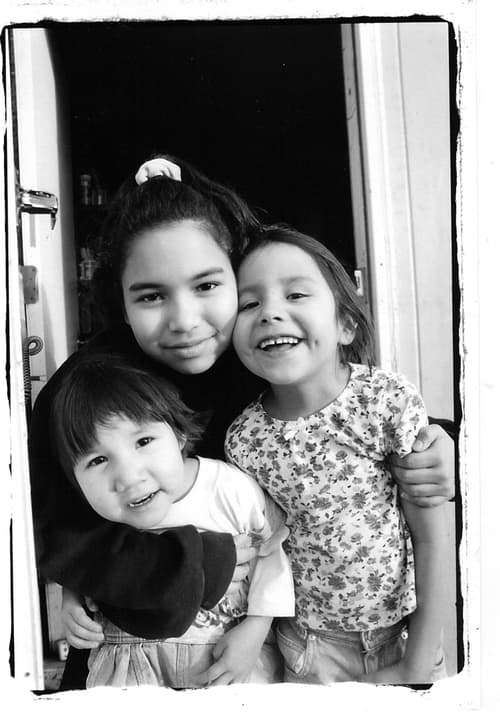
This short film follows Tonisha, Toneil and their family as they reclaim their Navajo history and reconnect with ancestors within the canyon walls.
Poet Layli Long Soldier crafts a searing portrait of her Oyate’s connection to the Black Hills, through first contact and broken treaties to the promise of the Land Back movement, in this lyrical testament to resilience of a nation.
Overview of the Navajo people and the relationship to their land in Northern Arizona.
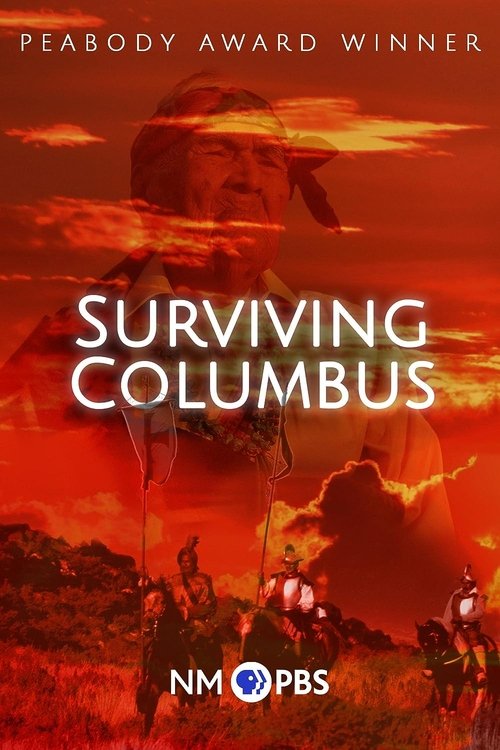
This Peabody Award-winning documentary from New Mexico PBS looks at the European arrival in the Americas from the perspective of the Pueblo Peoples.
Racing the Rez reveals the transformative potential of cross-country running at the team level. The story follows two rival high school teams focusing on five teens growing up on the Navajo and Hopi reservations — two distinct cultures but both richly steeped in the legacy of running as a powerful cultural tradition and a sport. Unfolding over two years of careful, patient observation, this documentary offers a rare view into the surprising complexity and diversity of contemporary reservation life, from the point of view of the young runners.
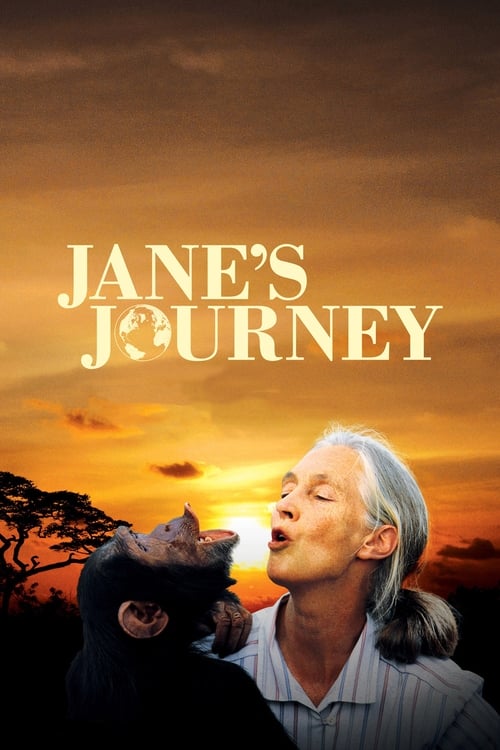
It would be hard to name anyone who has had more of an impact in the realm of animal research and wildlife conservation than Jane Goodall, whose 45 year study of wild chimpanzees in Africa is legendary. In Jane's Journey, we travel with her across several continents, from her childhood home in England, to the Gombe National Park in Tanzania where she began her groundbreaking research and where she still returns every year to enjoy the company of the chimpanzees that made her famous. Featuring a wide range of interviews and spectacular footage from her own private collection, Jane's Journey is an inspiring portrait of the private person behind the world-famous icon.
Following four Lakota families over three years, Homeland explores what it takes for the Lakota community to build a better future in the face of tribal and government corruption, scarce housing, unemployment, and alcoholism. Intimate interviews with a spiritual leader, a grandmother, an artist, and a community activist from South Dakota’s Pine Ridge Indian Reservation reveal how each survives through family ties, cultural tradition, humor, and a palpable yearning for self-reliance and personal freedom.
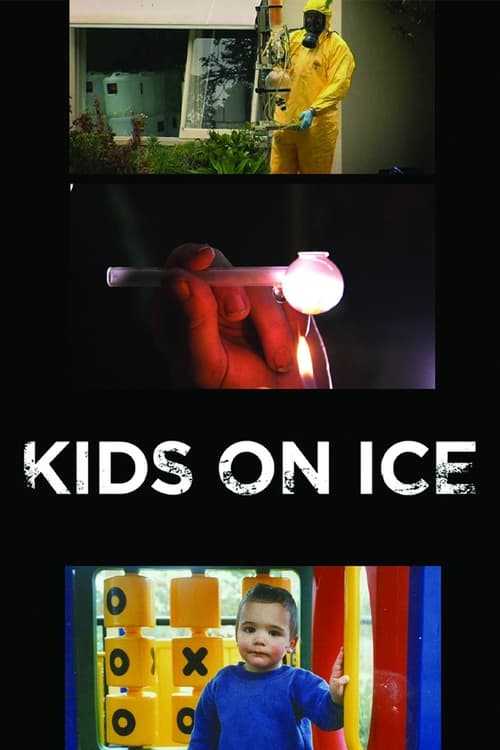
Quiet towns across rural Australia are in the grip of an Ice epidemic. Major international drug cartels are working with local outlawed motorcycle gangs to push crystal meth to a captive market of children.
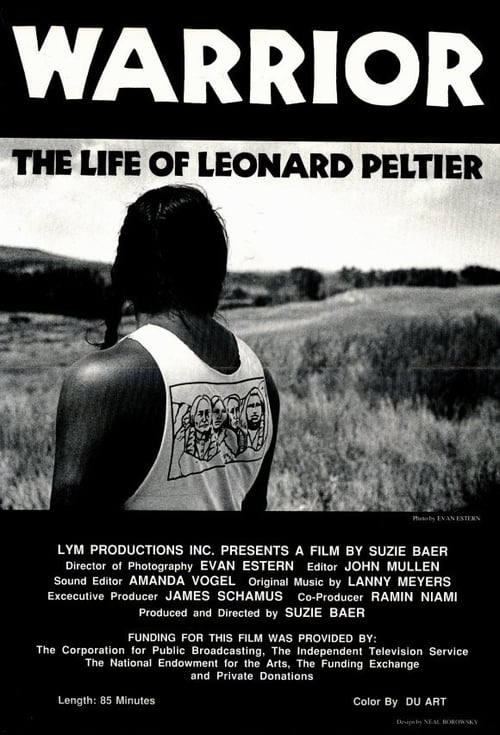
An intimate exploration of the circumstances surrounding the incarceration of Native American activist Leonard Peltier, convicted of murder in 1977, with commentary from those involved, including Peltier himself.
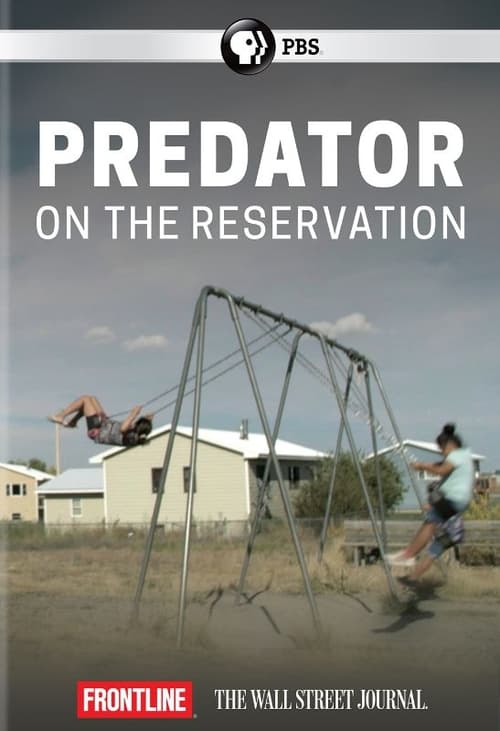
FRONTLINE and The Wall Street Journal investigate the decades-long failure to stop a government doctor accused of sexually abusing Native American boys for years, and examine how he moved from reservation to reservation despite warnings.
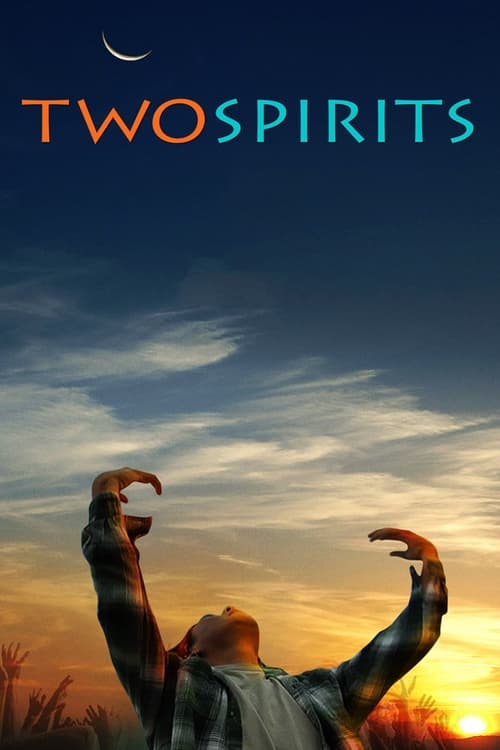
Fred Martinez was a Navajo youth slain at the age of 16 by a man who bragged to his friends that he 'bug-smashed a fag'. But Fred was part of an honored Navajo tradition - the 'nadleeh', or 'two-spirit', who possesses a balance of masculine and feminine traits.
No Cast found.