No Trailers found.
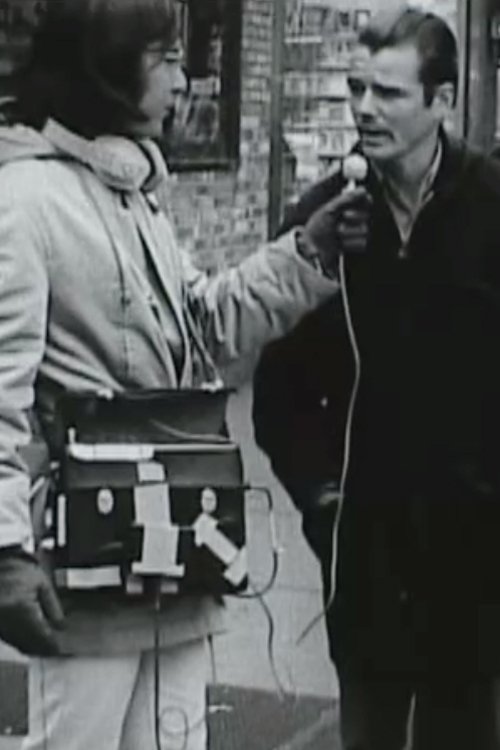
A portrait of the diverse opinions of Chicagoans as they reflect on the general state of affairs in America, the war in Vietnam, social and racial conflict, freedom and personal liberty, happiness, and social justice. Ratamata was made by future Tom Palazzolo collaborator Kreines when he was 16 years old, and was an award winner at the Young Chicago Filmmakers Festival.
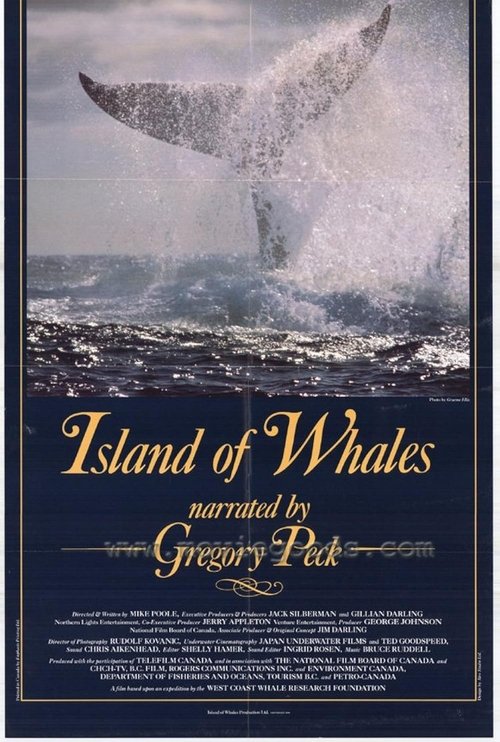
This film joins five of the world's leading whale researchers on a scientific expedition around Canada's Vancouver Island. Spectacular photography and sound recording, both above and under water, provide an imtimate look at killer, gray, and humpback whales, and the world they inhabit. Island of Whales examines the communication, habitat, food supply and behaviour of whales. What emerges is a picture of creatures more sophisticated and complex than ever before imagined. At the end of the film, we are left with one compelling question: Can these magnificent creatures survive in the face of declining food supplies and pollution?
A core group of architects embraced the West Coast from Vancouver to LA with its particular geography and values and left behind a legacy of inspired dwellings. Today, architects celebrate the influence established by their predecessors.
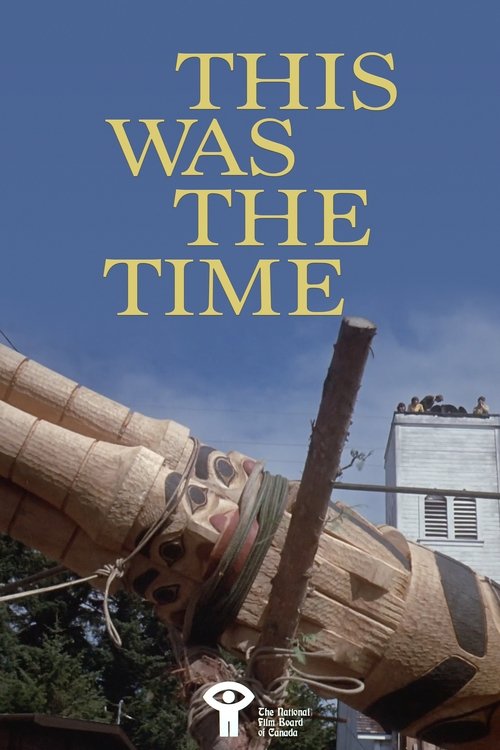
When Masset, a Haida village in Haida Gwaii (formerly known as the Queen Charlotte Islands), held a potlatch, it seemed as if the past grandeur of the people had returned. This is a colourful recreation of Indigenous life that faded more than two generations ago when the great totems were toppled by the missionaries and the costly potlatch was forbidden by law. The film shows how one village lived again the old glory, with singing, dancing, feasting, and the raising of a towering totem as a lasting reminder of what once was.
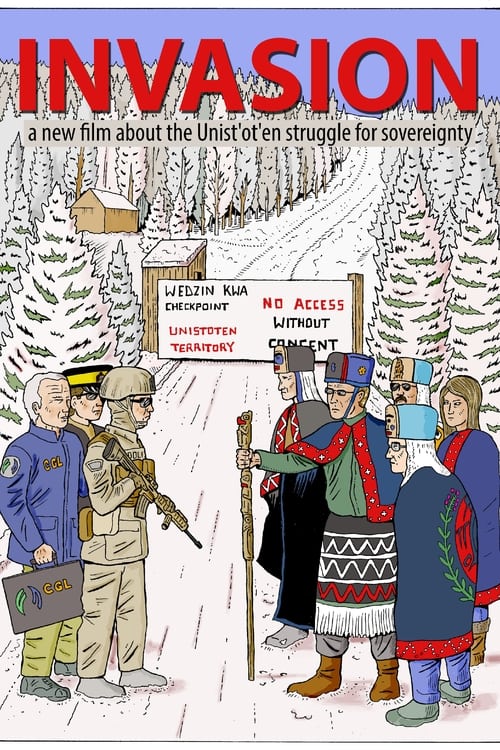
In this era of “reconciliation”, Indigenous land is still being taken at gunpoint. Unist’ot’en Camp, Gidimt’en checkpoint and the larger Wet’suwet’en Nation are standing up to the Canadian government and corporations who continue colonial violence against Indigenous people. The Unist’ot’en Camp has been a beacon of resistance for nearly 10 years. It is a healing space for Indigenous people and settlers alike, and an active example of decolonization. The violence, environmental destruction, and disregard for human rights following TC Energy (formerly TransCanada) / Coastal GasLink’s interim injunction has been devastating to bear, but this fight is far from over.
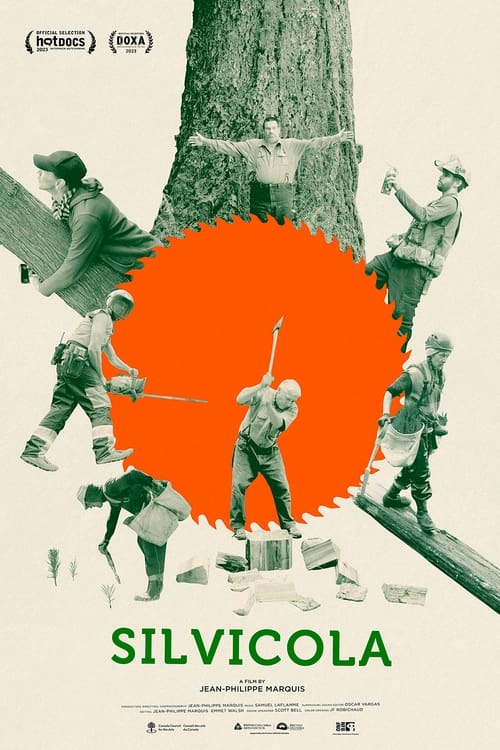
The human impact on forests is explored through breathtaking vistas and poignant vignettes set in Canada's Pacific Northwest. Those who rely on this precious resource highlight the tensions and dilemmas between commodification and conservation.
Documentary on gymnasiums in Philadelphia, Pa. specializing in training kids to box. By learning boxing and competing in tournaments, kids are helped in staying out of trouble
The documentary tells the story of Anke, Birgit and Katrin, who are training to become cattle breeders and graduate from high school. During this time, they live in a boarding school. The three girls talk about their everyday lives and reflect on their future.
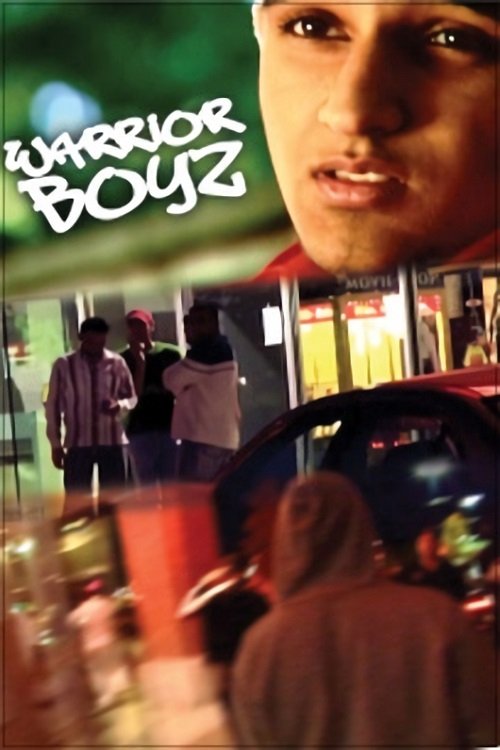
To date, more than a hundred young men from the South Asian community have died in gang-related violence in Metro Vancouver. Gangs are a reality of urban life, yet behind the body count and the headlines, a far different battle is being waged. Educators and parents are taking action against gang violence. Director Baljit Sangra's documentary Warrior Boyz takes an unflinching look at the root causes of gang violence, and offers real solutions and a hard-fought hope for the future.
Having suffered incest from her father from the age of eight to the age of twelve, at forty-five, Beatrice filmed, with two cameras, a long meeting with her mother to try, with the viewer, to understand their story.
No overview available.
The moving story of Carlo Acutis, a young British-Italian amateur computer programmer who died in 2006, aged 15, as a result of leukemia. However, even though he is no longer here, to this day Carlo continues to be a great symbol of strength among young people. The documentary brings together a series of reports from people who entrusted themselves to the intercession of the boy, beatified by the Catholic Church in 2020, and had their lives transformed.
Marc-André Leclerc, an exceptional climber, has made solo his religion and ice his homeland. When filmmaker Peter Mortimer begins his film, he places his camera at the base of a British Columbia cliff and waits patiently for the star climber to come down to answer his questions. Marc André, a little uncomfortable, prefers to return to the depths of the forest where he lives in a tent with his girlfriend Brette Harrington. In the heart of winter, Peter films vertiginous solos on fragile ice. He tries to make appointments with the climber who is never there and does not seem really concerned by this camera pointed at him "For me, it would not be a solo if there was someone else" . Marc-André is thus, the "pure light" of the mountaineers of his time, which marvel Barry Blanchard, Alex Honnold or Reinhold Messner, interviewed in the film. An event film for an extraordinary character.
This documentary short introduces us to the Caravan Stage Company, the world's only horse-drawn open-air theater. Every summer it tours British Columbia and Alberta, bringing live entertainment to communities where television is often the main diversion. In a montage of short sketches, the film shows the troupe on the road and in performance. Hard work and laughter are basic ingredients of this unconventional lifestyle.
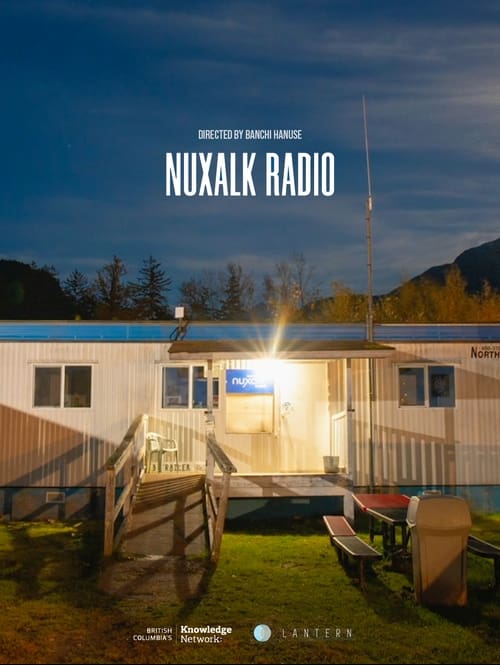
A day in the life of 91.1, Nuxalk Radio, a radio station built to help keep the Nuxalk language alive while broadcasting the laws of the lands and waters.
In 1996 I took the conservatory exam. I missed it. A year ago I was asked to do a masterclass on acting in cinema. I went there. I met a lively, joyful and passionate youth. Among my students there was Clémence. The following year, she asked me to film their last show. I felt her urgency and the fear she had of leaving this mythical place. So I accepted. By filming this youth, I revisited mine.
Love transcends time and people.
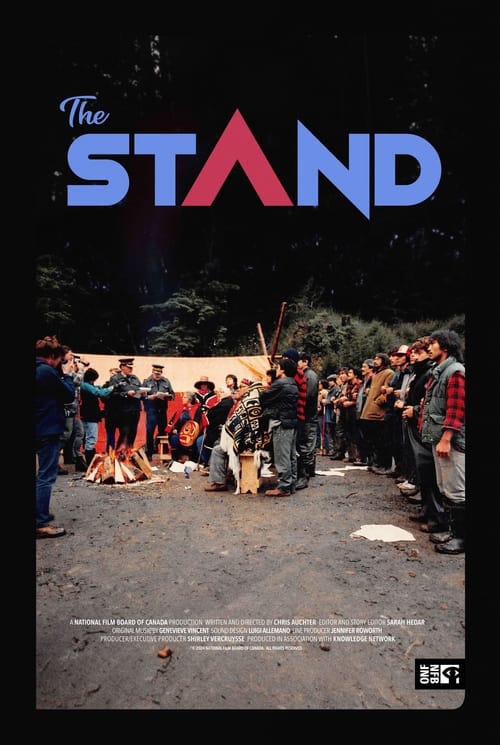
On a misty morning in the fall of 1985, a small group of Haida people blockaded a muddy dirt road on Lyell Island, demanding the government work with Indigenous people to find a way to protect the land and the future. In a riveting new feature documentary drawn from more than a hundred hours of archival footage and audio, award-winning director Christopher Auchter (Now Is the Time) recreates the critical moment when the Haida Nation’s resolute act of vision and conscience changed the world.
Known for her intimate films, director Kim O’Bomsawin (Call Me Human) invites viewers into the lives of Indigenous youth in this absorbing new documentary. Shot over six years, the film brings us the moving stories, dreams, and experiences of three groups of children and teens from different Indigenous nations: Atikamekw, Eeyou Cree, and Innu. In following these young people through the formative years of their childhood and right through their high school years, we witness their daily lives, their ideas, and aspirations for themselves and their communities, as well as some of the challenges they face.
In the summer of 2018, an unlikely group of citizens each took a stand against the systems that refused to acknowledge the global warming crisis. REBELLION reveals the moments that sparked a global movement. From 15-year-old Greta Thunberg's “School Strike for Climate” outside of the Swedish parliament, to Academy Award winning actress and activist Jane Fonda's multiple arrests following her participation in some of the biggest climate change protests in US history, the people’s resistance has been fierce. Through the streets of Delhi, and up the steps of Congress, REBELLION is the story of a generation marching in revolt.
No Cast found.