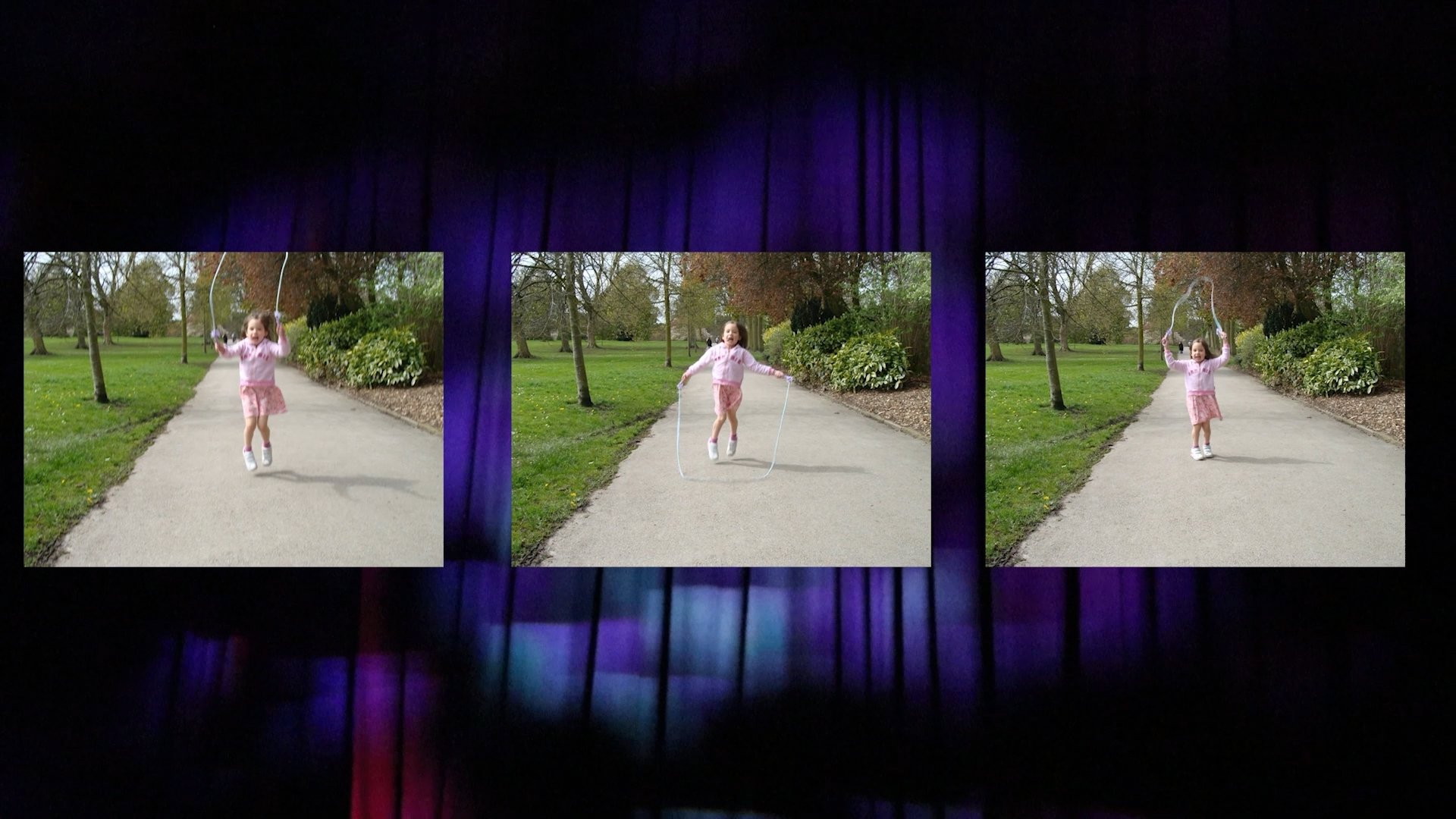
A fragmented look into the memories of two strangers from the same hometown, brought together through a university project.
Herself
Himself
Using testimonies by pioneers and witnesses of the times, delve into the feverish visual culture the media generated – with far-fetched examples of canine television games, seduction manuals, aerobics class while holding a baby, among others.
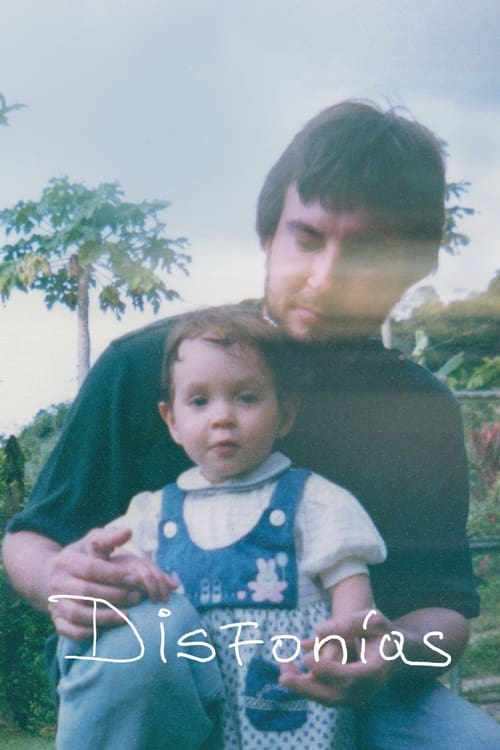
After a premonition of an unusual bird, a father loses his voice. His daughter undertakes a search to rediscover him, through an intimate narrative that explores the past, the new facets and the silences of a man who is no longer the same.
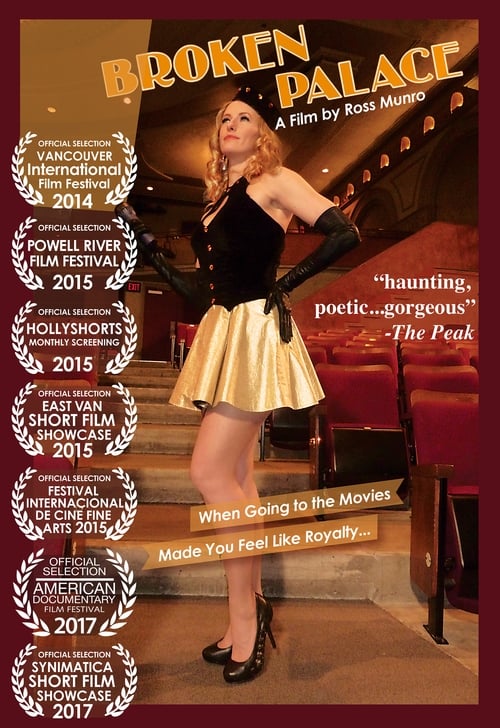
A short documentary about the rapidly disappearing era of heritage movie palaces and the film going experience once offered within those hallowed walls.
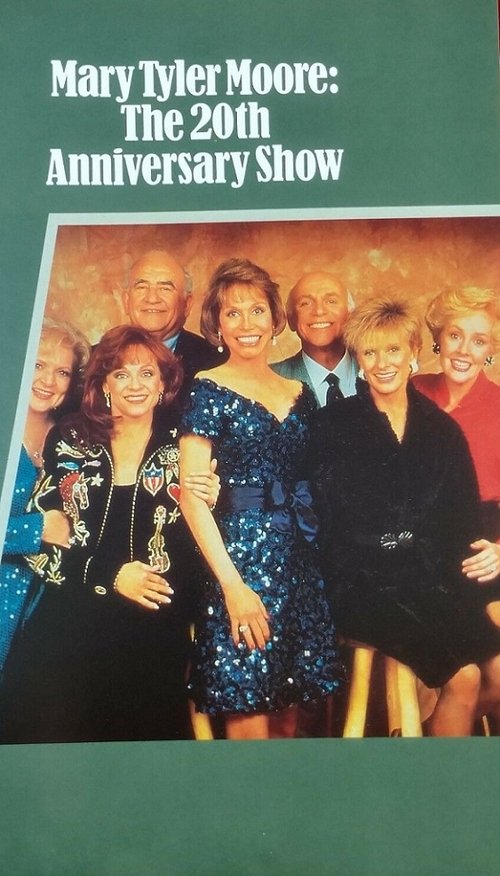
A retrospective special commemorating the 20th anniversary of the sitcom The Mary Tyler Moore Show.
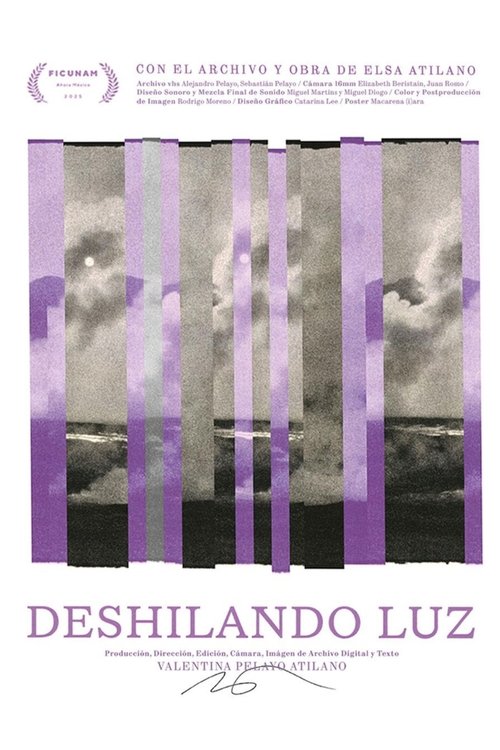
A film essay that intertwines the director's gaze with that of her late mother. Beyond exploring mourning and absence as exclusively painful experiences, the film pays tribute to her mother through memories embodied by places and objects that evidence the traces of her existence. The filmmaker asks herself: What does she owe her mother for who she is and how she films? To what extent does her film belong to her?
An experience of a camera swinging in different gestures facing the optical distortion of the Sun. The last appearance of the smudge.
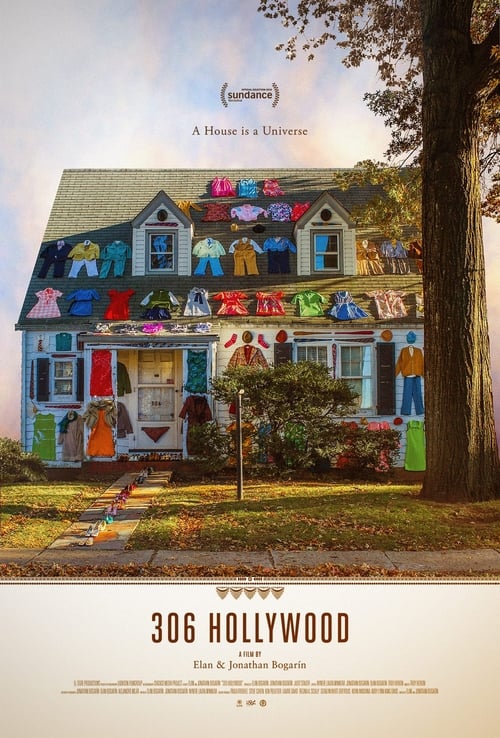
When two siblings undertake an archaeological excavation of their late grandmother’s house, they embark on a magical-realist journey from her home in New Jersey to ancient Rome, from fashion to physics, in search of what life remains in the objects we leave behind.
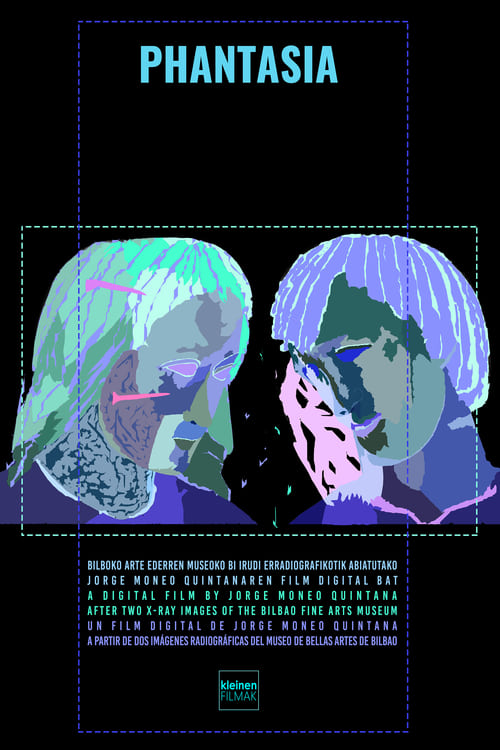
X-ray images were invented in 1895, the same year in which the Lumière brothers presented their respective invention in what today is considered to be the first cinema screening. Thus, both cinema and radiography fall within the scopic regime inaugurated by modernity. The use of X-rays on two sculptures from the Bilbao Fine Arts Museum generates images that reveal certain elements of them that would otherwise be invisible to our eyes. These images, despite being generally created for technical or scientific purposes, seem to produce a certain form of 'photogénie': they lend the radiographed objects a new appearance that lies somewhere between the material and the ethereal, endowing them with a vaporous and spectral quality. It is not by chance that physics and phantasmagoria share the term 'spectrum' in their vocabulary.
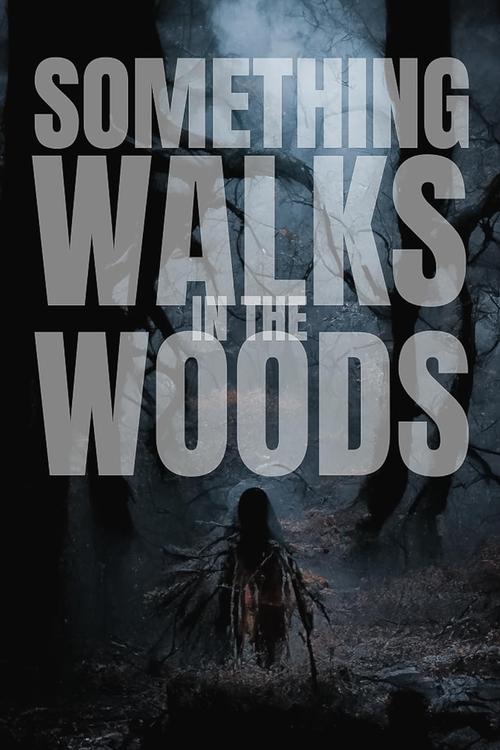
A viral video shows a mysterious figure walking along the edge of the woods each day, and filmmaker Bill Howard sets out to spend a night there to find out exactly what it is.
Documentary about Finnish film theaters - about their past, disappearance and future. And at the same time universal story how cinema is undeniably connected with life.
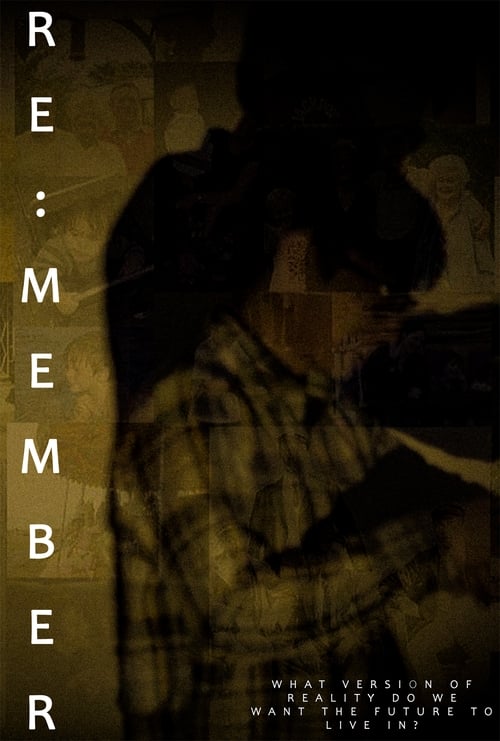
RE:MEMBER is a documentary, split into three chapters, that provides insights into the topics of memory, media, and history, specifically through the lens of two millennial participants. Through their testimonies and introspections, we start to see the rift between the media they were nostalgic for and the reality we currently live in. They also consider how our current attitudes towards media have shaped our previous environments and how we can change society to better our future generations.
A camera crew travels through Thailand asking villagers to invent the next chapter of an ever-growing story.
A memoir celebrating yesteryears of cinema and how silver screen has evolved over the years, this documentary is ode to cinema by the audience, for the audience.
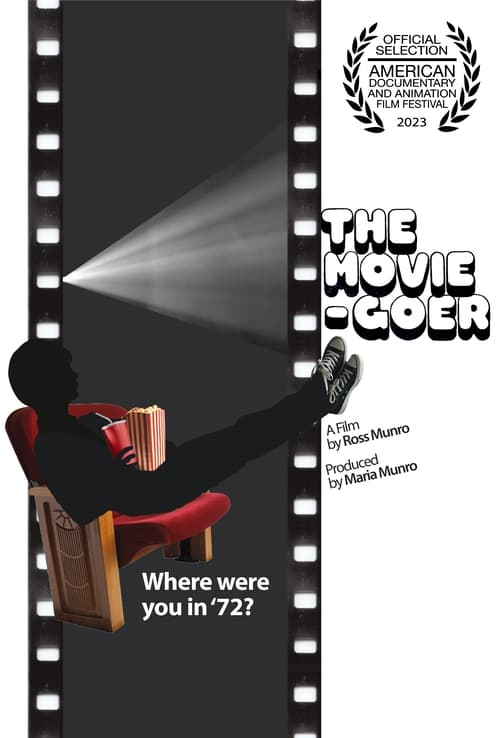
A filmmaker celebrates his inspiration for movies by recreating what it was like for his 9-year old self in 1972 when he journeyed downtown to spend a magical Saturday afternoon at the movies.
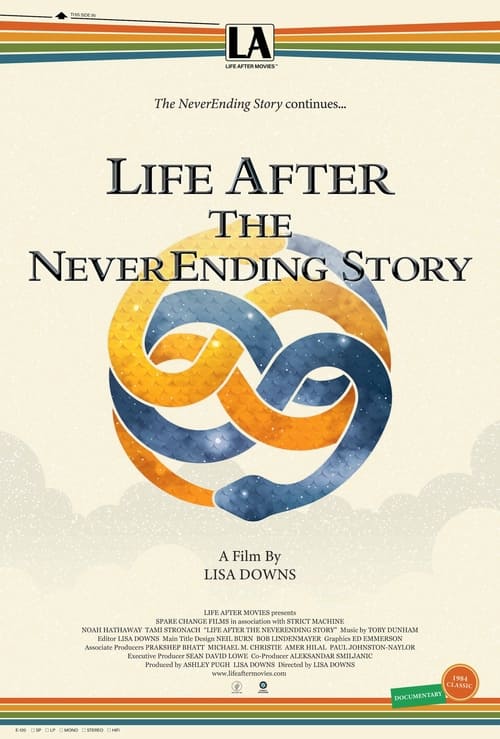
A feature documentary celebrating Wolfgang Petersen's 1984 classic The NeverEnding Story via cast and crew interviews, whilst exploring the lives of stars Noah Hathaway and Tami Stronach since those breakthrough roles.
Casa Bonita opened in 1974 in an unassuming strip mall. The massive "Disneyland of Mexican restaurants" is an Old West and Acapulco-inspired fever dream made famous by its indoor waterfall, cliff divers, and haunted caves, and was featured in a classic 2003 episode of South Park. When its creators, Trey Parker and Matt Stone, learn that Casa Bonita might close its doors for good, they attempt to preserve a crumbling piece of their childhood and Denver history.
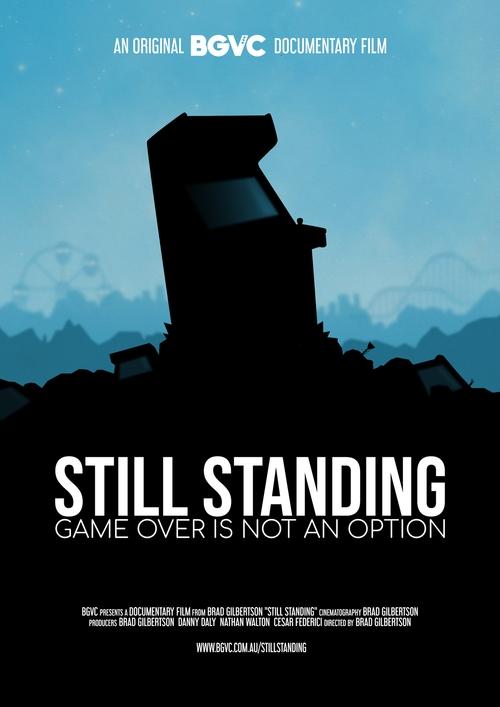
Discover the untold story of Pinball and Arcade in Australia in this heart-warming, and at times heart-breaking, nostalgic journey through the golden era of gaming.
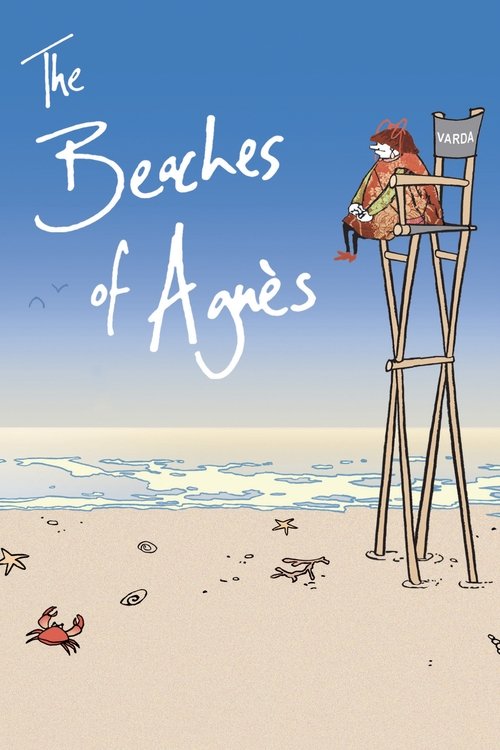
Filmmaking icon Agnès Varda, the award-winning director regarded by many as the grandmother of the French new wave, turns the camera on herself with this unique autobiographical documentary. Composed of film excerpts and elaborate dramatic re-creations, Varda's self-portrait recounts the highs and lows of her professional career, the many friendships that affected her life and her longtime marriage to cinematic giant Jacques Demy.
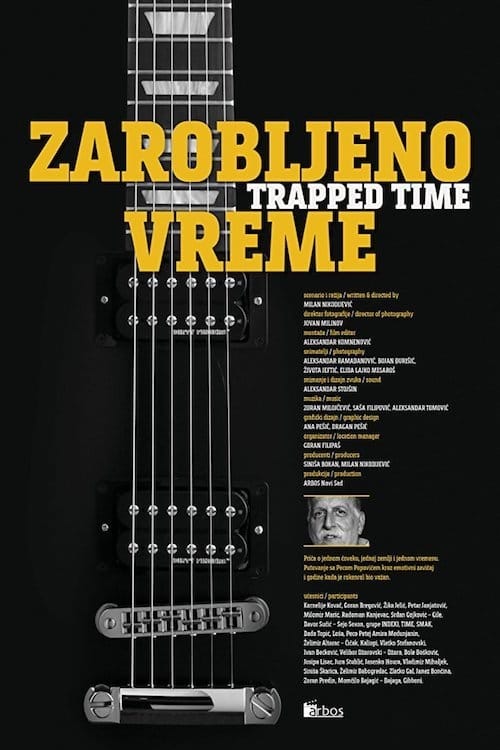
Petar Peca Popović is one of the greatest, most famous, most authoritative and for sure, the best, connoisseur of Rock and Roll in the former Yugoslavia. He promoted Rock and Roll in those heroic times. We are going on a peculiar kind of trip with him, along an "emotional homeland", of ex-Yu, "searching for the lost times" and dear friends, the most significant representatives of this culture - rock'n'roll legends.
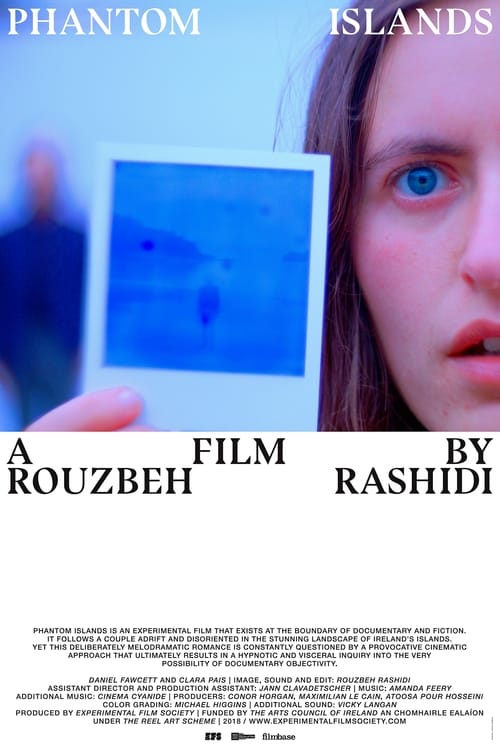
Phantom Islands is an experimental film that exists at the boundary of documentary and fiction. It follows a couple adrift and disoriented in the stunning landscape of Ireland’s islands. Yet this deliberately melodramatic romance is constantly questioned by a provocative cinematic approach that ultimately results in a hypnotic and visceral inquiry into the very possibility of documentary objectivity.
Trailer