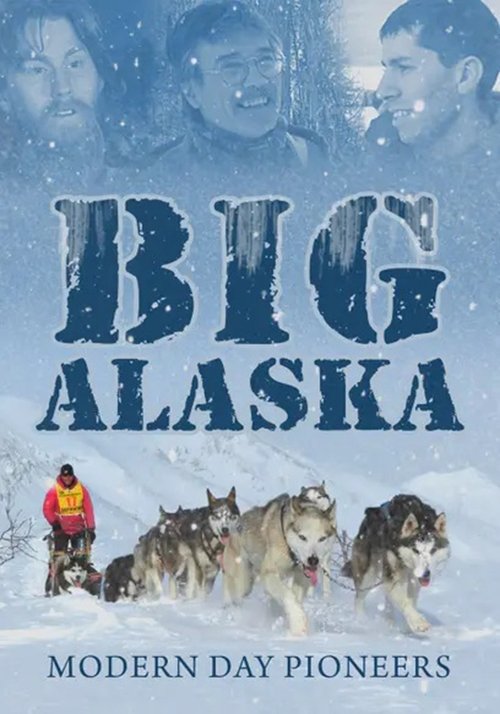
Four Alaskan bush families take the leap of faith to pursue their lifelong dream of living off the grid in the remote and unpredictable wilderness.
No Trailers found.
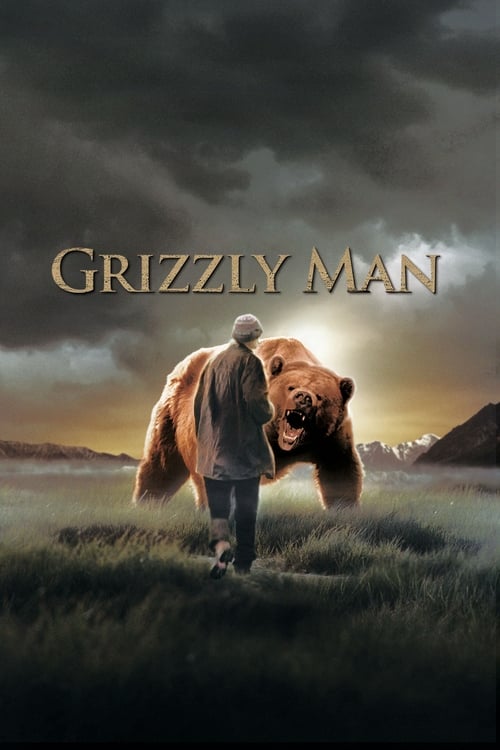
Follows the story of "Grizzly Man" Timothy Treadwell and what the thirteen summers in a National Park in Alaska were like in his attempt to protect the grizzly bears. The film is full of unique images and a look into the spirit of a man who sacrificed himself for nature.
No overview available.
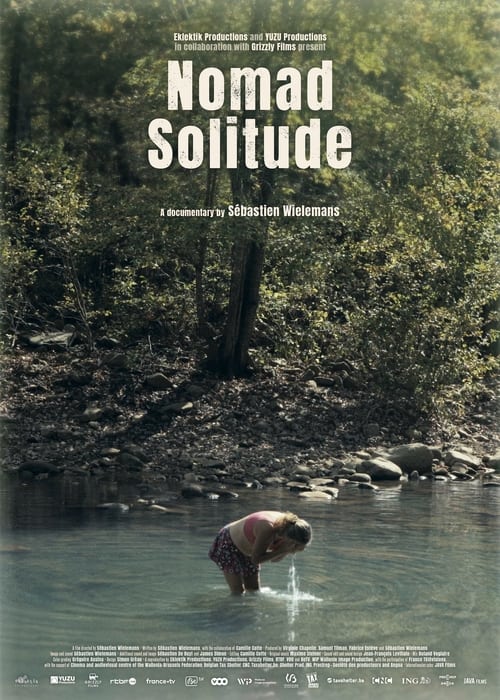
In their vehicle, Laurie, Kristy and Linda live alone on the American roads. Like thousands of modern American nomads who can no longer afford to pay for their housing. With no money to spare, these three sixty-year old women are fleeing, in their own way, a part of their history that has left a deep mark on them. Driving away, they try to regain some form of peace. But as the miles and seasons pass, despite their impressive temerity and resilience, their quest for a better future is challenged by unexpected events that hit a country in crisis. Will they nevertheless manage, at the end of the road, to find the serenity they are looking for, in order to become someone again?
This film shows the splendor, enormous scope and indescribable beauty of this untouched land far to the north of Alaska, one of the last havens for caribou herds and polar bears. Shot over a period of four years, this film offers a unique insight in the lives of the most charismatic arctic animals.
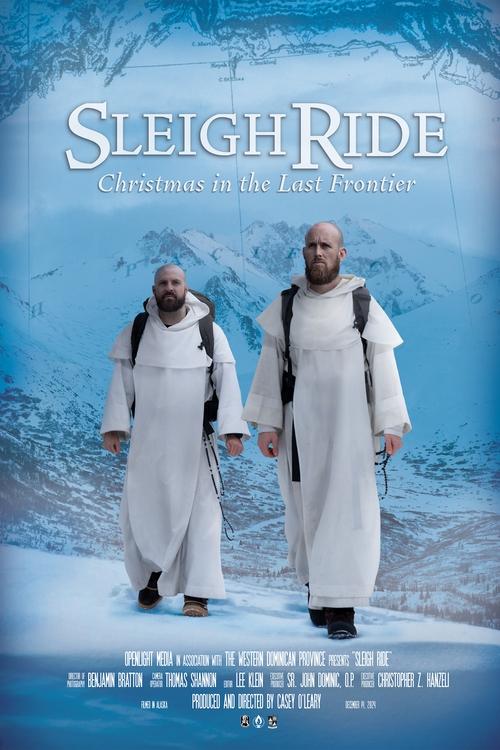
It’s Christmas in Alaska, but a sparsely populated state means a scarce amount of priests. From Christmas eve to Christmas day, two Dominicans traverse icy roads and harsh winds to celebrate Christmas mass for 3 remote communities in the last frontier.
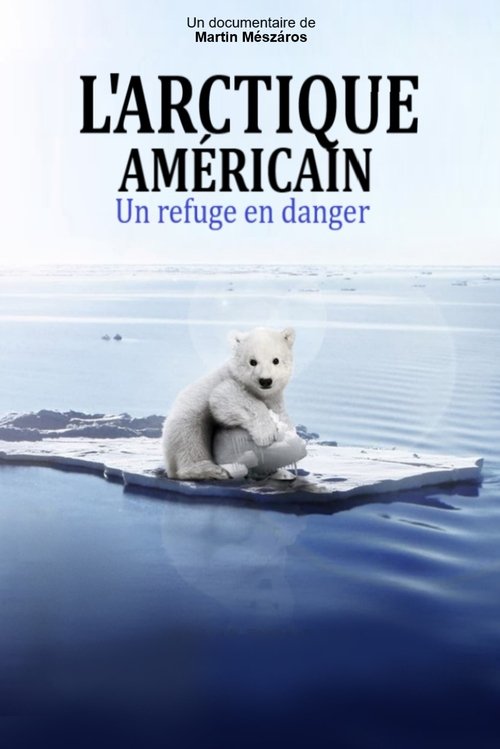
The wildlife of the tundra on Alaska's north coast is particularly threatened by climate change.
A documentary propaganda film produced by the U.S. Army Signal Corps about the Aleutian Islands Campaign during World War II. The film opens with a map showing the strategic importance of the island, and the thrust of the 1942 Japanese offensive into Midway and Dutch Harbor. Nominated for the Academy Award for Best Documentary Feature.
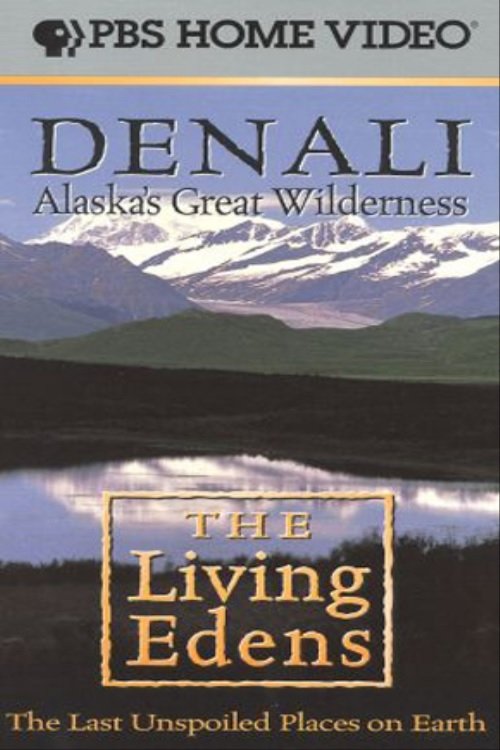
Travel to Alaska's great wilderness, a place of incomparable beauty and power where you will witness close-up the amazing cycles of life in one of the last pristine corners of our planet Earth. Soar over Mt. McKinley, the tallest people in North America, crown jewel of the vast Alaska range, piercing clouds nearly four miles high. Explore the vibrant territory beneath this stunningly beautiful mountain. Watch caribou roam the plains, listen to the haunting howl of the wolf, witness the flight of the majestic golden eagle, meet a mother grizzly and her two cubs as they emerge from winter's hibernation. You'll be swept up in the drama and beauty of this unique wilderness and you'll enjoy for many years to come its unforgettable scenery.
Alaska... Here, in this vast and spectacularly beautiful land teeming with abundant wildlife, discover the "Spirit of the Wild." Experience it in the explosive calving of glaciers, the celestial fires of the Aurora Borealis. Witness it in the thundering stampede of caribou, the beauty of the polar bear and the stealthful, deadly hunt of the wolf pack.
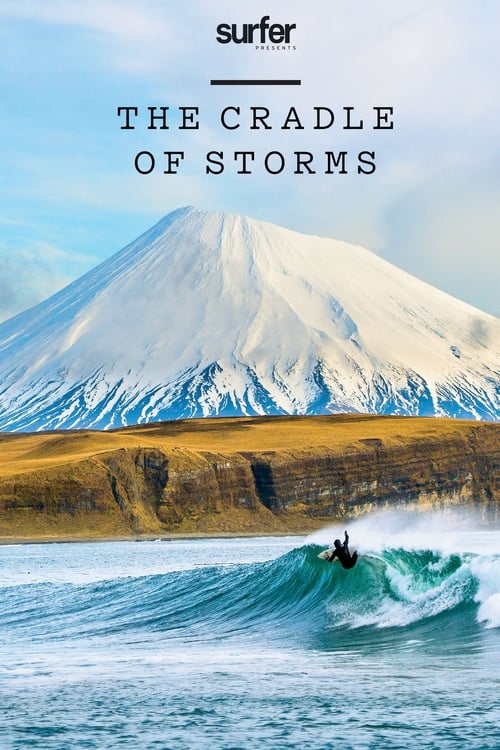
Alex Gray, Josh Mulcoy, and Pete Devries went on a journey through the remote Aleutian Arc of Alaska, the birthplace of storm systems that send swell back to the rest of us in civilization. They braved heavy weather, flew on rickety prop planes, and ate seal meat en route to discovering one of the best cold-water slabs in the world. The film follows the cold-water crew as they traverse the island on quad bikes, tracking pulses of swell to remote bays and never before surfed points. Set against the stunning volcanic backdrop of the Aleutian Islands, The Cradle of Storms is cold-water surf exploration at its finest.
The sequel of feature-publicistic film «You Can’t Live Like That». Showing the countrymen charmless and sometimes scaring life picture of once great power with pain and anger, the author tries to uncover the reason of the country’s and nation’s tragedy.
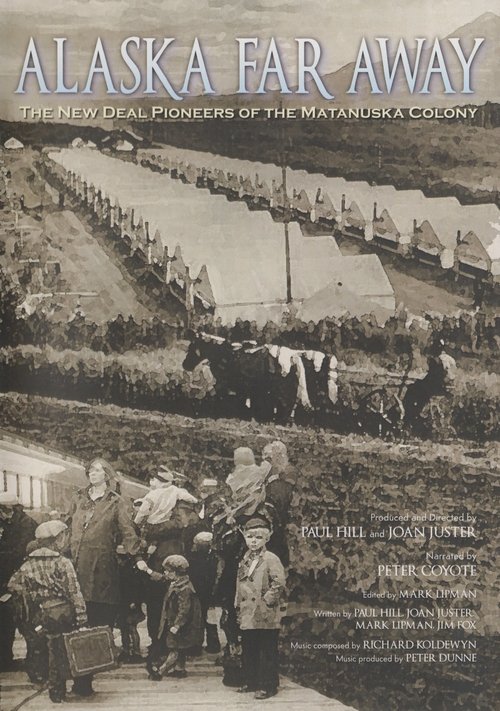
'Alaska Far Away' tells the story of the Matanuska Colonization Project of 1935, a creative and controversial New Deal program that relocated 202 families devastated by the Great Depression, taking them from the upper Midwest to the Matanuska Valley in Alaska to start an experimental farming colony. It generated a whirlwind of publicity and controversy at the time, not only as a federally-funded social experiment, but also as one of the last pioneer movements in America. The Matanuska Colony isn't just a fascinating footnote to the history of Alaska. It encompasses the despair of the Depression, the creative energy of the New Deal, the adventure of pioneering in Alaska, and the best and worst of our government and ordinary citizens in facing those extraordinary challenges.
A documentary analyzing the social, political and cultural climate of Hollywood in the mid-1960s.
In 1867, when the United States purchased the Alaska territory, the promise of the Constitution and the Bill of Rights didn't apply to Alaska Natives. Their struggle to win justice is one of the great, untold chapters of the American civil rights movement, culminating at the violent peak of World War II with the passage of one of the nation's first equal rights laws.
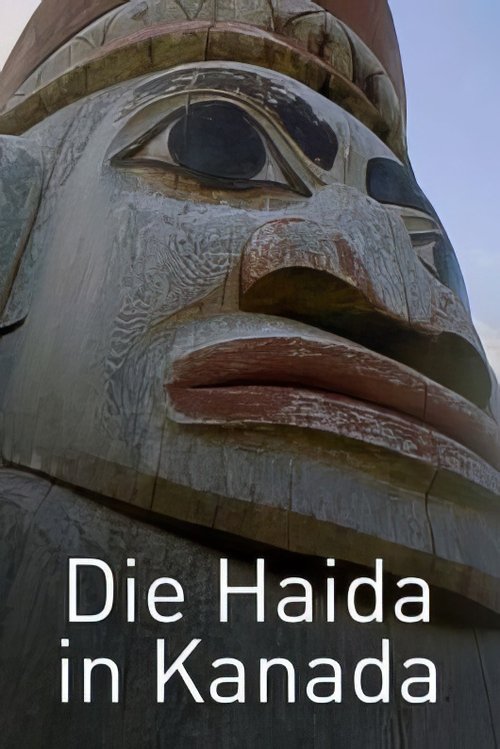
Haida Gwaii, an archipelago off the west coast of Canada, is home to Skil Jaadee and her family. They live in harmony with nature and have made it their mission to save their language and preserve their history.
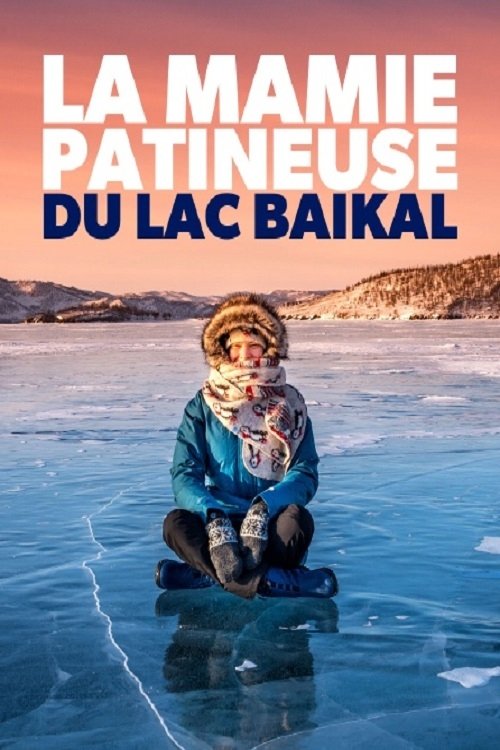
More than 7,000 km from his home in the Jura Mountains, Sébastien dos Santos Borges is taking seventeen of his dogs on an extraordinary adventure between Yukon and Alaska, following in the footsteps of the adventurers of the Far North. He is one of the most respected mushers in the world and is preparing to set off on the Iditarod Trail Sled Dog Race, one of the most difficult dog sled races. An expedition into the heart of the wilderness, where the relationship between man and animal is essential to triumph over the cold.
Deep inside the arctic, scientists are experimenting with extreme palaeontology methods to unlock the secrets of polar dinosaurs, and perhaps the key to our own survival on Earth. On Alaska's north slope there are dinosaur bones, lots of them. But they're trapped in an icy tomb - an impenetrable wall of permafrost. Dinosaurs on Ice follows the journey of two scientists, Dr Tom Rich and Dr Tony Fiorillo, who undertake separate expeditions to the Colville River in Alaska's far north to uncover the dinosaurs' bones and break the ice on a prehistoric world that until now has been unreachable. But the task is not easy. The weather is extreme, the location remote.
In a forest in Norway, a family lives an isolated lifestyle in an attempt to be wild and free, but a tragic event changes everything, and they are forced to adjust to modern society.
The story of an Eskimo father and son who train and groom a sled dog team. When the father is lost on an ice floe, the son takes the unproven team on the search, and succeeds in finding his father.