No Trailers found.
No Cast found.
Pussy Riot make a comeback after a long absence to stand with Ukraine. Their story and their struggle are told through archival footage and interviews with the group’s members.
We observe the daily routines of an elderly couple. Within the quiet flow of time, a longing for youth and irretrievable memories begin to surface. This piece reflects the sorrow hidden in the stillness of old age and the deep yearning for the past.
Afghan documentary maker Najiba Noori offers not only a loving and intimate portrait of her mother Hawa, but also shows in detail how the arduous improvement of the position of women is undone by geopolitical violence. The film follows the fortunes of Noori’s family, who belong to the Hazaras, an ethnic group that has suffered greatly from discrimination and persecution.
No overview available.
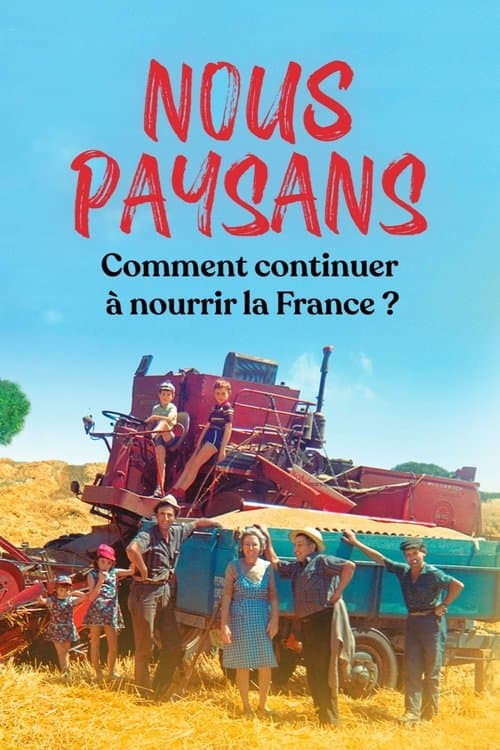
In barely a century, French peasants have seen their world profoundly turned upside down. While they once made up the vast majority of the country, today they are only a tiny minority and are faced with an immense challenge: to continue to feed France. From the figure of the simple tenant farmer described by Emile Guillaumin at the beginning of the 20th century to the heavy toll paid by peasants during the Great War, from the beginnings of mechanization in the inter-war period to the ambivalent figure of the peasant under the Occupation, From the unbridled race to industrialization in post-war France to the realization that it is now necessary to rethink the agricultural model and invent the agriculture of tomorrow, the film looks back at the long march of French peasants.
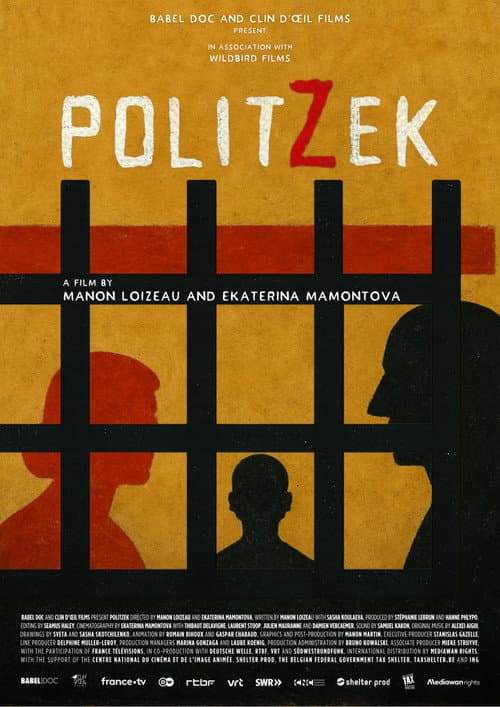
In Russia, criticizing the war in Ukraine or Vladimir Putin’s regime has become a crime. Thousands of ordinary citizens are being arrested, tried, and imprisoned. They are called “Politzek”: political prisoners. Filmed clandestinely over the course of more than a year, Politzek gives a platform to those who, despite the fear, continue to speak out against Putin’s repressive Russia. Through the intersecting stories of a teenager sentenced to five years in prison for criticizing the government on social media, a young artist jailed for placing anti-war stickers, a human rights activist, and two theater directors facing Kafkaesque trials, the film unveils the machinery of state repression in Russia. With rare footage, broken yet unyielding voices, this is a story of silenced resistance.
During the last forty years, the photographer Sebastião Salgado has been travelling through the continents, in the footsteps of an ever-changing humanity. He has witnessed the major events of our recent history: international conflicts, starvations and exodus… He is now embarking on the discovery of pristine territories, of the wild fauna and flora, of grandiose landscapes: a huge photographic project which is a tribute to the planet's beauty. Salgado's life and work are revealed to us by his son, Juliano, who went with him during his last journeys, and by Wim Wenders, a photographer himself.
Alone in a small white house on the edge of national road 1, the Trans-Saharan road, which connects Algiers to Tamanrasset crossing the immensity of the desert, Malika, 74, one day opened her door to the director Hassen Ferhani, who came there to scout with his friend Chawki Amari, journalist at El Watan and author of the story Nationale 1 which relates his journey on this north-south axis of more than 2000 km. The Malika of Amari's novel, which Ferhani admits to having first perceived as a "literary fantasy", suddenly takes on an unsuspected human depth in this environment naturally hostile to man. She lends herself to the film project as she welcomes her clients, with an economy of gestures and words, an impression reinforced by the mystery that surrounds her and the rare elements of her biography which suggest that she is not from the region, that she left the fertile north of Algeria to settle in the desert where she lives with a dog and a cat.
Mona Achache delivers a delicious portrait of her grandmother, Suzanne Achache–Wiznitzer, affectionately nicknamed "Mamé". Short film from the Grandmas Project, a collaborative web documentary that invites filmmakers from across the world to document their grandmothers’ signature recipes.
Rafaela, an 80-year-old woman, has a long conversation with her grandson, going over his path from childhood to old age. Now that she has been diagnosed with chronic breast cancer, faith is more present in her life than ever, which coexists with Rafaela's fear of death, and her grandson's fear of dying.
For more than a decade, my grandmother has been the tireless caregiver of my grandfather, who suffers from Alzheimer's disease. Through this story, we explore the love, sacrifice, and despair of someone who devotes their life to caring for another.
An intimate portrait of fishing as a refuge and companion, where bonds and absences intertwine with the river. Norma Alonso reveals how, despite time, memory endures beyond the last hook.
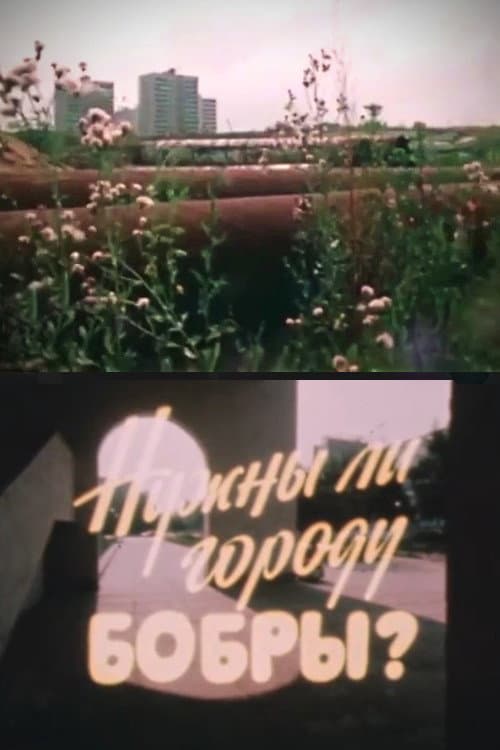
In the lush green town of Pushchino, scientific plans to establish a nature reserve meet opposition from industry.
In 2008, Natasha, a newly rich woman, decides to open an independent TV station in Russia and builds an open-minded team of outcasts. By 2020, Natasha has lost everything to Russia's war between Propaganda and Truth.
A portrait of the great theatre actor Evgeniy Lebedev.
Personal stories from civilians, children, soldiers, doctors, the country’s elderly, journalists, religious leaders, and international volunteers - a handful of the millions of people whose lives have been turned upside-down by nine years (and counting) of Russian aggression against Ukraine.
Composed from the conversations that the director holds with people passing by in the street under his Warsaw apartment, each story in 'The Balcony Movie' is unique and deals with the way we try to cope with life as individuals. All together, they create a self-portrait of contemporary human life, and the passers-by present a composite picture of today's world.
Svitlana, a Russian-speaking Ukrainian, examines the colonised part of her consciousness and tries to find answers to the question of how Soviet totalitarianism and Russification influenced the relationships within her family.