The life and times of artist Richard Ellis
Richard
Swim
No Trailers found.
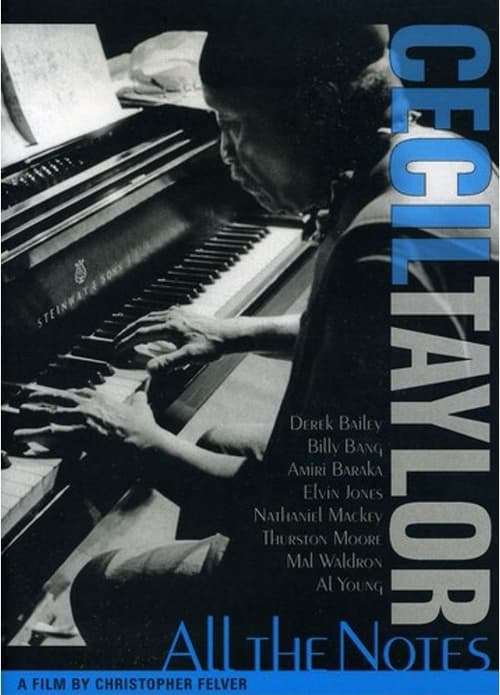
Cecil Taylor was the grand master of free jazz piano. "All the Notes" captures in breezy fashion the unconventional stance of this media-shy modern musical genius, regarded as one of the true giants of post-war music. Seated at his beloved and battered piano in his Brooklyn brownstone the maestro holds court with frequent stentorian pronouncements on life, art and music.
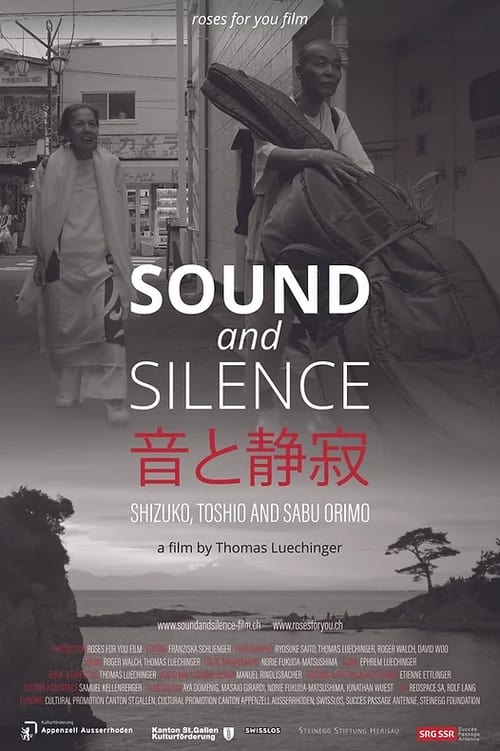
Toshio and Shizuko Omiro, both over seventy years old, have lived in Kawasaki, Japan since 1981. With their free-spirited lifestyle, the improvisaton duo continues to pursue their vision of changing the world into a more peaceful one in an inappropriate and unseemly way.
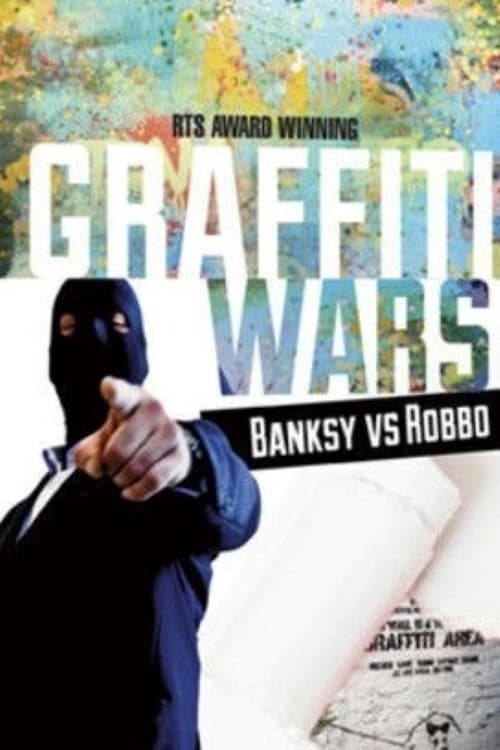
A look at the feud between graffiti artists King Robbo and Banksy.
TWO OR THREE THINGS I KNOW ABOUT EDWARD HOPPER is an immersive experience in 3D, that takes its viewers on a journey into the world of Hopper, sharpening their senses for some aspects of his unique work.
No overview available.
This surreal abstract film falls into three sections, or movements, the first taking place on the ground, the second in the air and the third again on the ground. In the first movement various motifs or themes are introduced, which are again picked up and developed in the third movement. Six spheres, evolved in the first movement, become the sole subject matter–or “dancers”–of the second movement, which consists of a simple type of ballet using the floor-plan choreography or traditional ballet as a basis of interest.
In 2014 a large painting representing Judith Beheading Holofernes was discovered in an attic in Toulouse, France. A controversy ensued immediately about the attribution of the painting's authorship to Caravaggio. The documentary follows a famed art expert in charge of organizing the sale of the painting on behalf of the owners, while specialists debate on its authenticity.
Marking the 500th anniversary of Raphael’s death, the greatest exhibition ever held of his works took place in Rome. Exhibition on Screen was granted exclusive access to this once-in-a-lifetime show. With over two hundred masterpieces, including paintings and drawings – over a hundred of which have been brought together for the first time – this major exhibition celebrates the life and work of Raffaello Sanzio da Urbino.
Two college students set out to capture a ghost on film to make millions instead of doing their finals.
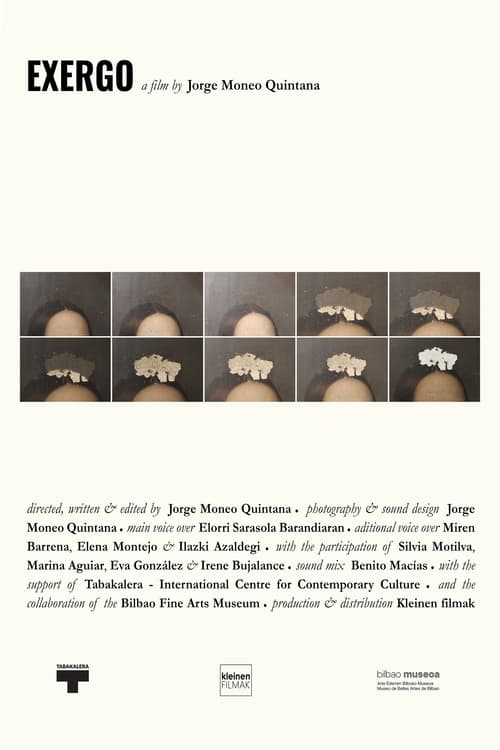
Departing from peripheral details of some paintings of the Bilbao Fine Arts Museum, a female narrator unravels several stories related to the economic, social and psychological conditions of past and current artists.
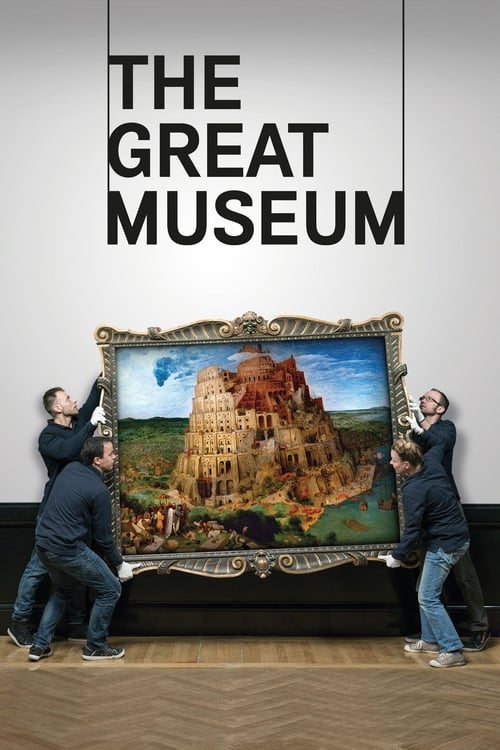
This feature documentary portrays one of the most important museums in the world, the Kunsthistorisches Museum Wien. It presents a unique look behind the scenes of this fascinating institution and encounters a number of charismatic protagonists and their working fields unfolding the museum’s special world – as an art institution as well a vehicle for state representation.
A documentary that explores the dangerous and sometimes deadly world of fake products. An industry that once dealt in imitation designer handbags and shoes has exploded into a global epidemic of counterfeit pharmaceuticals, foods, toys, electronic goods, car parts and microchips. COUNTERFEIT CULTURE challenges consumers to take a deeper look at what appears to be harmless knock-offs at bargain prices.
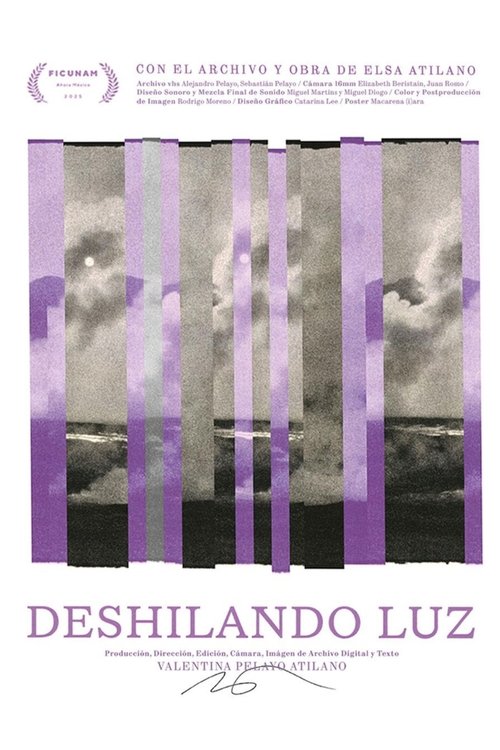
A film essay that intertwines the director's gaze with that of her late mother. Beyond exploring mourning and absence as exclusively painful experiences, the film pays tribute to her mother through memories embodied by places and objects that evidence the traces of her existence. The filmmaker asks herself: What does she owe her mother for who she is and how she films? To what extent does her film belong to her?
An experience of a camera swinging in different gestures facing the optical distortion of the Sun. The last appearance of the smudge.
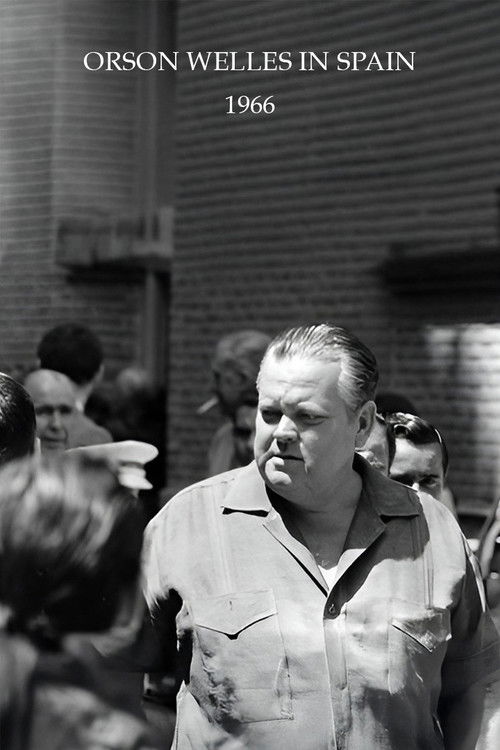
Orson Welles presents a proposed film project to prospective investors in Spain. Speaking to an audience of wealthy arts patrons, Welles outlines his vision for an improvised, documentary-style fiction set in the world of bullfighting, centered on a solitary, existential matador who stands apart from his peers. As he expounds on cinema, performance, and the ritualized spectacle of death, the film captures a project that would ultimately remain unrealized.
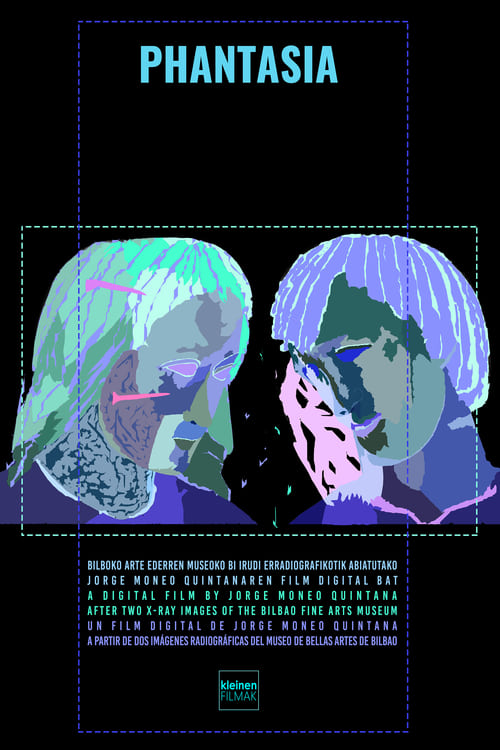
X-ray images were invented in 1895, the same year in which the Lumière brothers presented their respective invention in what today is considered to be the first cinema screening. Thus, both cinema and radiography fall within the scopic regime inaugurated by modernity. The use of X-rays on two sculptures from the Bilbao Fine Arts Museum generates images that reveal certain elements of them that would otherwise be invisible to our eyes. These images, despite being generally created for technical or scientific purposes, seem to produce a certain form of 'photogénie': they lend the radiographed objects a new appearance that lies somewhere between the material and the ethereal, endowing them with a vaporous and spectral quality. It is not by chance that physics and phantasmagoria share the term 'spectrum' in their vocabulary.