No Trailers found.
Filmed on the 60th anniversary of the republic, this dark-humor documentary delves on the highs and lows of living in North Korea.
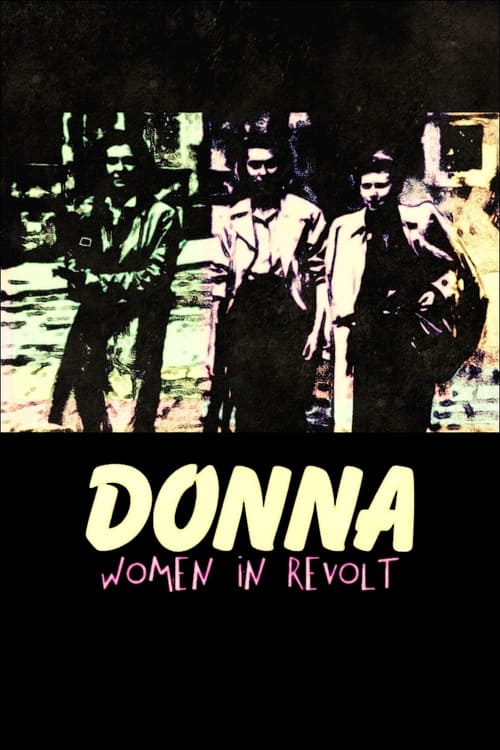
The story of those Italian women who, for eighty years, have fought against power in all its forms.
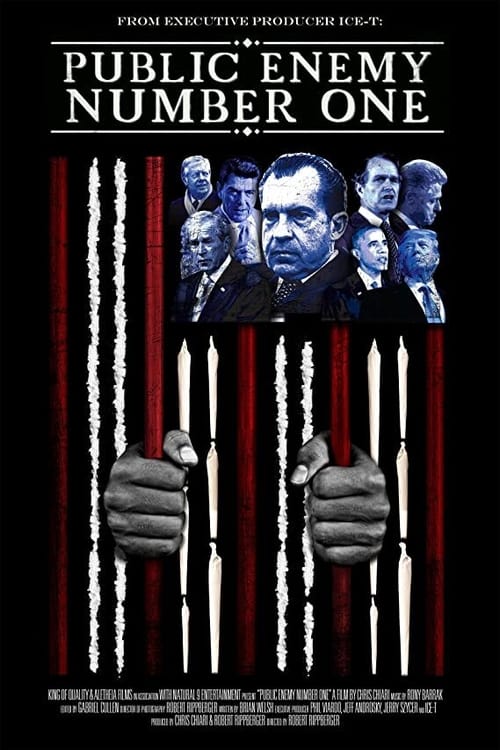
PUBLIC ENEMY NUMBER ONE looks at the war on drugs from 1968 until today and looks at trigger points in history that took cannabis from being a somewhat benign criminal activity into a self-perpetuating constantly expanding policy disaster.
With unfettered access, the film follows Baltimore's idealistic young mayor into office, where he puts his personal and political future on the line to save his beloved city from chronic violence.
No overview available.
After World War II, many young French women became housewives, convinced that devoting themselves entirely to caring for their families was a noble mission and a means of personal fulfillment.
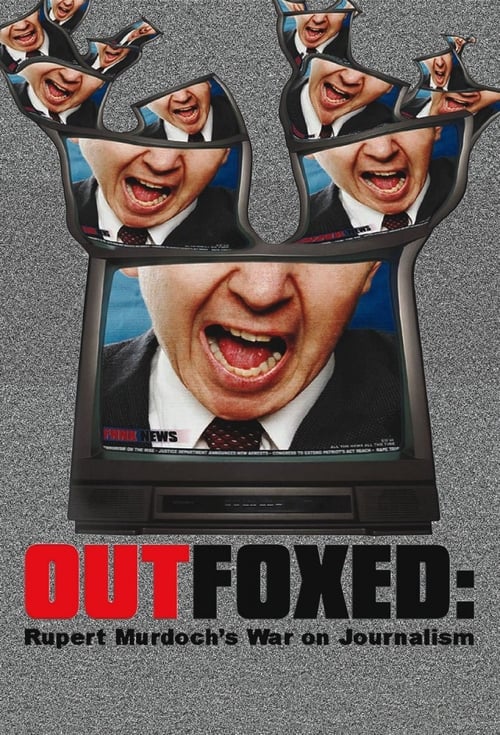
This film examines how media empires, led by Rupert Murdoch's Fox News, have been running a "race to the bottom" in television news, and provides an in-depth look at Fox News and the dangerous impact on society when a broad swath of media is controlled by one person. Media experts, including Jeff Cohen (FAIR) Bob McChesney (Free Press), Chellie Pingree (Common Cause), Jeff Chester (Center for Digital Democracy) and David Brock (Media Matters) provide context and guidance for the story of Fox News and its effect on society. This documentary also reveals the secrets of Former Fox news producers, reporters, bookers and writers who expose what it's like to work for Fox News. These former Fox employees talk about how they were forced to push a "right-wing" point of view or risk their jobs. Some have even chosen to remain anonymous in order to protect their current livelihoods. As one employee said "There's no sense of integrity as far as having a line that can't be crossed."
In the spotlight of global media coverage, the first transgender woman ever to perform as Don Giovanni in a professional opera, makes her historic debut in one of the reddest states in the U.S.
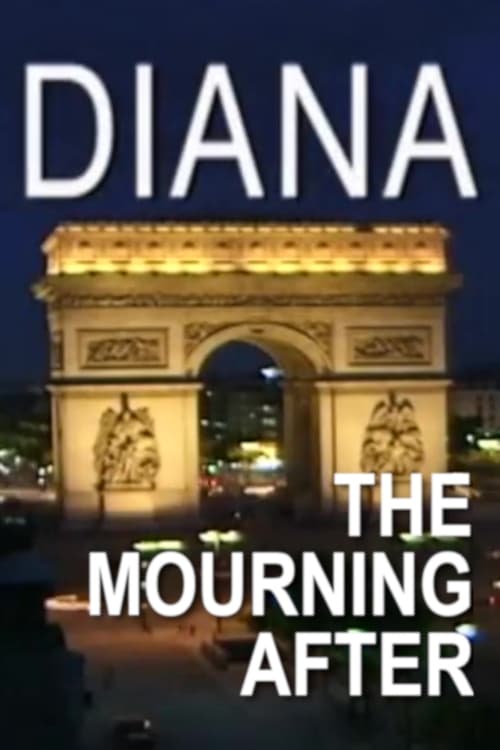
In "Diana: The Mourning After" Christopher Hitchens sets out to examine the bogusness of "a nation's grief", tries to uncover the few voices of sanity that cut against the grain of contrived hysteria. His findings suggested that the collective hordes of emotive Dianaphiles sobbing in the streets were not only encouraged but emulated by the media. In the aftermath of Diana's death a three-line whip was enforced on newspapers and on TV, selling the sainthood line wholesale. The suspicion was that journalists, like the public, greeted the death as a chance to wax emotional in print, as a change from the customary knowing cynicism, to wheel out all those portentous phrases they'd been saving up for the big occasion. Sadly, they just seemed to be showboating; the eulogies, laments and tear-soaked platitudes ringing risibly hollow.
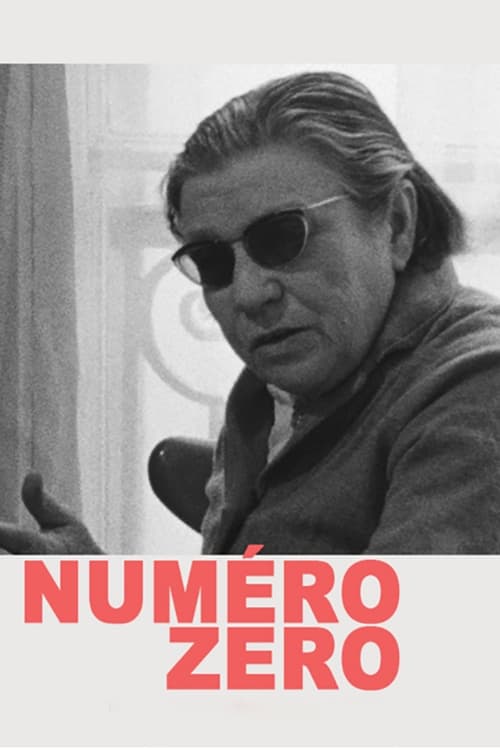
A family portrait in which the director profiles his grandmother, Odette Robert. Eustache includes in the film the conditions of its production — he is seated at the table with her, pours her some whiskey, speaks with the camera operator, manipulates the clapboard at the head and tail of the reels, and even takes a phone call. Robert, who was seventy-one, speaks rapidly and tells the story of her life, starting from her early childhood in villages in the Bordeaux region of France. A shorter version of the film ("Odette Robert") was edited in 1980 to be broadcast on television on TF1. The complete film only gained exposure in 2002, when it was salvaged by Boris Eustache, Thierry Lounas, João Bénard da Costa, Jean-Marie Straub, and Pedro Costa.
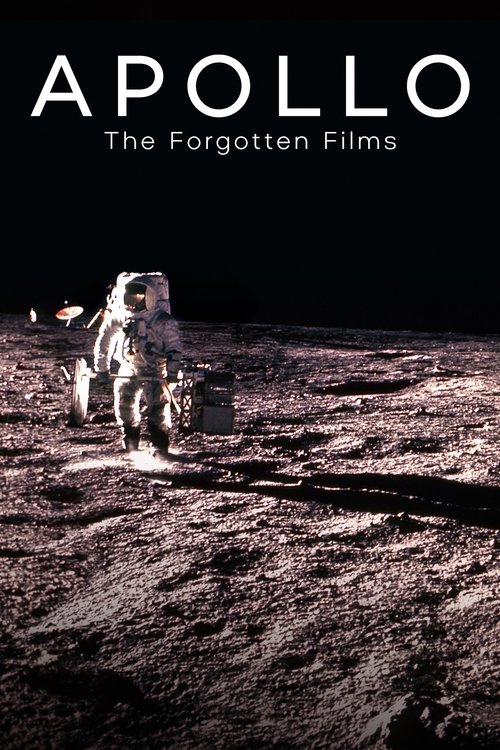
Recently discovered footage reveals the secret history of NASA's first landing on the moon, and using this brand-new evidence, former astronauts and experts challenge everything known about the Apollo missions.
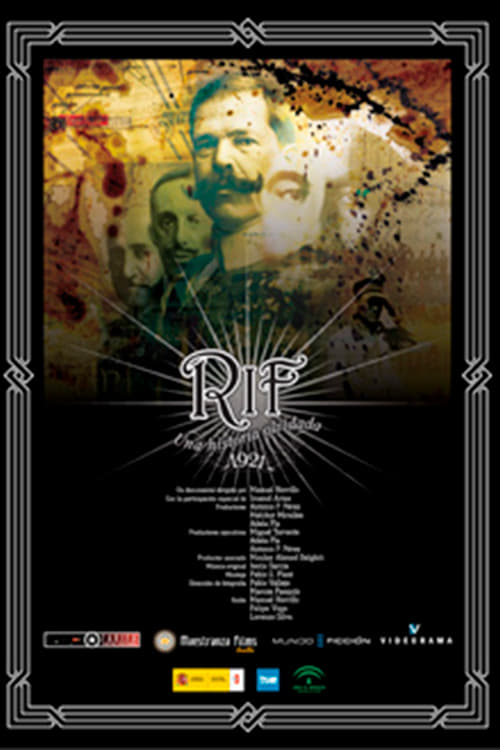
Manuel Horrillo has visited for 7 years the fields where the clashes between the Spanish troops and the rebels of the protectorate took place during the so-called Rif War, a forgotten war of the Spanish collective imaginary.
After the World War I, Mussolini's perspective on life is severely altered; once a willful socialist reformer, now obsessed with the idea of power, he founds the National Fascist Party in 1921 and assumes political power in 1922, becoming the Duce, dictator of Italy. His success encourages Hitler to take power in Germany in 1933, opening the dark road to World War II. (Originally released as a two-part miniseries. Includes colorized archival footage.)
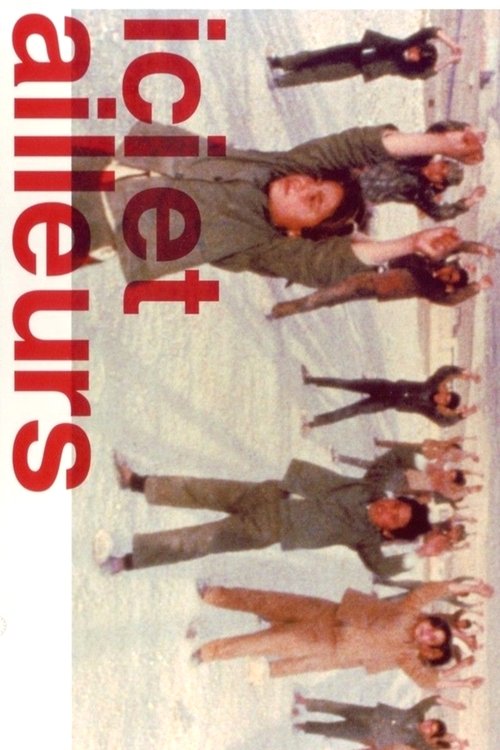
Here and Elsewhere takes its name from the contrasting footage it shows of the fedayeen and of a French family watching television at home. Originally shot by the Dziga Vertov Group as a film on Palestinian freedom fighters, Godard later reworked the material alongside Anne-Marie Miéville.
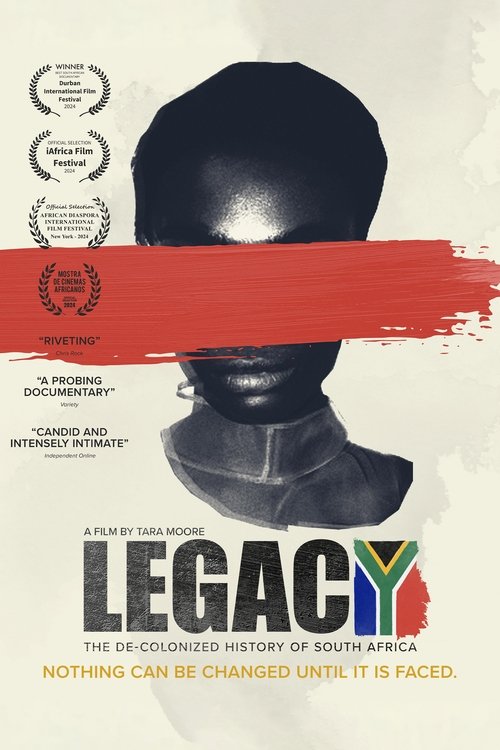
Apartheid was dismantled in 1994, yet three decades later, South Africa still remains the most unequal country in the world. The roots of this inequality are revealed in this exploration into South African history, exposing why they persist today. A perspective-shifting documentary that features, in unprecedented access, the grandson of the “Architect of Apartheid”, who takes a searingly honest look into his ancestry, exposing not only the systemic strings that Apartheid still holds over South Africa, but the psychological strings as well.
The saga of fitness, which exploded in the 1980s and contributed, in its own way, to liberating women's bodies.
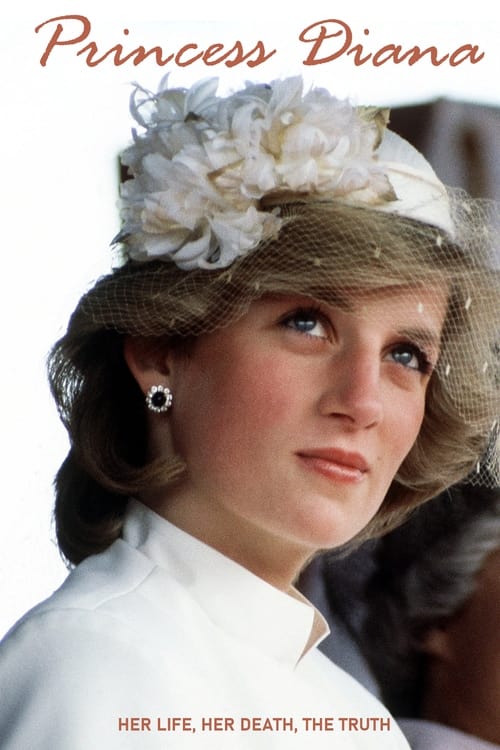
A journey through the night that Princess Diana died and the four independent investigations in two separate countries that followed. Included: a look at Princess Diana's life through her sons.
No Cast found.